

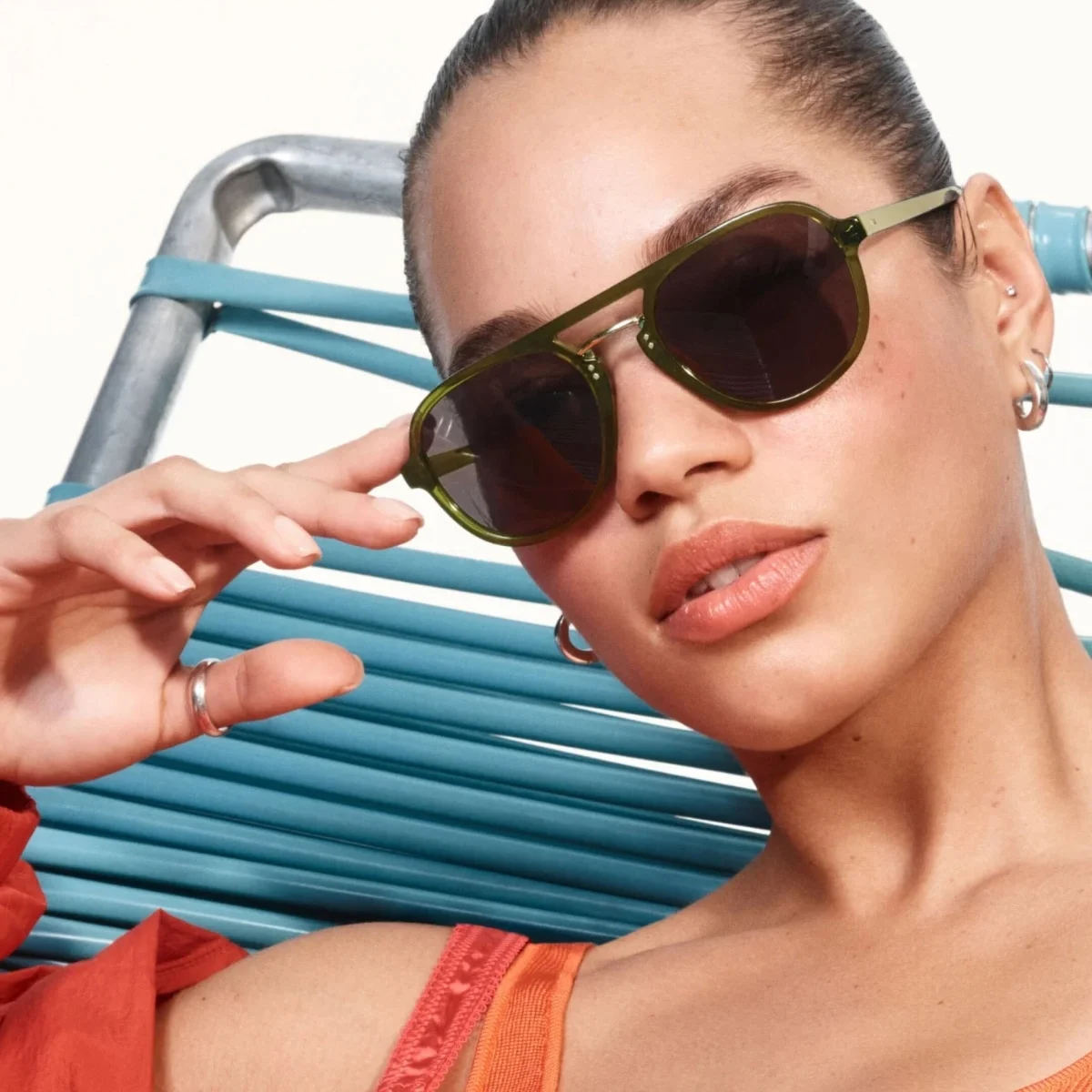
The contemporary fashion landscape is defined by a shift toward radical self-expression, where every element of an ensemble serves as a deliberate style statement. Among these elements, no accessory has undergone a more profound transformation than prescription eyewear and sunglasses. Once viewed primarily through the clinical lens of medical necessity or basic UV protection, eyewear has firmly established itself as a premier fashion category.
To understand the trajectory of this market, industry analysts and fashion enthusiasts alike look to the vanguard of trend forecasting. Designers and strategists at global eyewear powerhouse EssilorLuxottica—the conglomerate behind iconic brands such as Ray-Ban, Oakley, and licensed lines for Prada, Giorgio Armani, and Tory Burch—are mapping out the future of what we wear on our faces.
According to Ludovica Misciatelli, Color, Material, and Finish Designer, and Nina Esteves, Trends & Foresight Manager at EssilorLuxottica, the optical market is experiencing a renaissance characterized by bold shapes, retro-futurism, and deeply expressive color palettes. This analytical exploration breaks down the current trends, the historical chronology of optical fashion, market data, expert insights, and the long-term implications for the retail sector as we look toward 2026.
Main Facts: The Current State of Eyewear Trends
The modern eyewear market is defined by a dichotomy: the preservation of heritage silhouettes versus the embrace of avant-garde, identity-driven designs. According to EssilorLuxottica’s forecasting team, several key trends have emerged as dominant forces in the industry:
- The Vintage Revival: Summer fashion continues to be dominated by 1960s and 1970s vintage-inspired frames. These designs bridge the gap between nostalgia and modern minimalism, offering wearers a sense of timeless chic.
- The Rise of Rich, Warm Colorways: Black and stark tortoiseshell are sharing the spotlight with softer, deeper tones. Experts point to deep plums, rich chocolate browns, and "magma red" hues as the new neutrals, bringing a quiet sophistication to everyday wear.
- Identity-Driven Geometrics: For the younger demographic, particularly Gen Z and Millennial consumers, eyewear has become a key tool for identity construction. Bold shapes, oversized frames, and exaggerated color combinations are highly sought after.
- Organic and Fluid Silhouettes: Moving away from rigid, sharp-angled frames, the industry is seeing a shift toward "droopy curves" and unstructured, fluid designs that mimic organic forms.
- "Library Chic" and Intellectual Aesthetics: Classic, preppy, round frames—often referred to as intellectual or academic chic—are enjoying a premium renaissance, blending traditional craftsmanship with luxury detailing.
Chronology: The Evolution of the Optical Aesthetic
To understand how the market arrived at the expressive designs of 2026, it is essential to trace the chronological evolution of eyewear from functional utility to high-fashion staple.
[1950s - 1960s] ──> [1970s - 1980s] ──> [1990s - 2000s] ──> [2010s - 2020s] ──> [2026 & Beyond]
  Clinical Utility    Oversized Drama     Minimalism & Tech   "Geek Chic" & DTC    Identity & Fluidity
The Mid-20th Century: Clinical Utility and Early Glamour (1950s–1960s)
During the post-war era, eyewear was heavily medicalized. Frames were standardized, and wearing glasses was rarely associated with high fashion. However, the late 1950s and 1960s introduced the first wave of cinematic glamour to the optical world, popularized by icons like Audrey Hepburn and Marilyn Monroe. Cat-eye frames and early designer collaborations began to hint at the aesthetic potential of spectacles.
The Era of Excess and Oversized Drama (1970s–1980s)
The 1970s marked a major turning point, introducing oversized acetate frames, gradient tints, and bohemian aviators. Eyewear became synonymous with disco culture and personal liberation. In the 1980s, this morphed into power-dressing aesthetics, with bold branding, heavy gold accents, and geometric shapes reflecting the decade’s economic boom.
Minimalism and the Tech Boom (1990s–2000s)
The turn of the millennium brought a reactionary shift toward minimalism. Rimless glasses, tiny rectangular frames, and futuristic sporty wraps dominated the scene, heavily influenced by the matrix-esque tech optimism of the Y2K era. Eyewear during this period aimed to be as unobtrusive as possible, emphasizing lightweight metals and sleek titanium.
The Rise of "Geek Chic" and DTC Disruptors (2010s–2020s)
The 2010s witnessed the democratization of eyewear fashion, catalyzed by the rise of direct-to-consumer (DTC) brands like Warby Parker. By bypassing traditional optical retail monopolies, these brands made stylish, high-quality prescription glasses affordable. "Geek chic"—thick-rimmed hipster glasses, heavy tortoiseshell, and retro keyhole bridges—became a global uniform. Glasses were no longer something to hide; they were actively worn by people with perfect vision who opted for non-prescription lenses simply to complete an outfit.
The 2026 Landscape: Identity, Fluidity, and Advanced Tech
Today, the market has entered a highly sophisticated phase. Eyewear is fully integrated into the luxury fashion ecosystem. Consumers treat their glasses like handbags or shoes, maintaining "wardrobes" of frames to suit different moods, social settings, and digital personas. The integration of advanced lens technologies, such as responsive Transitions lenses, further blurs the line between indoor utility and outdoor fashion.
Supporting Data: The Economics of the Eyewear Market
The strategic shift toward treating eyewear as a premium fashion accessory is backed by robust global market data.
- Market Valuation: According to market research reports from Grand View Research, the global eyewear market was valued at approximately $147.5 billion in 2023 and is projected to expand at a compound annual growth rate (CAGR) of 5.9% from 2024 to 2030.
- The Prescription-to-Fashion Ratio: Historically, the prescription lens market was driven entirely by vision correction needs. However, consumer surveys indicate that over 40% of premium eyewear buyers now consider "aesthetic alignment with personal style" as their primary purchasing driver, ranking it above brand prestige and on par with comfort.
- Demographic Drivers: Gen Z and Millennial cohorts represent the fastest-growing segment of the premium eyewear market. These consumers purchase new frames at a rate of 1.8 pairs per year, compared to the older demographic average of 1 pair every 2 to 3 years. This high replacement rate is driven by trend cycles and the desire for visual novelty on visual-heavy social media platforms like TikTok and Instagram.
- The E-Commerce Surge: Virtual try-on (VTO) technologies powered by augmented reality (AR) have mitigated the historical barrier of purchasing glasses online. Optical e-commerce now accounts for over 20% of total global sales, allowing niche brands and curated designer collections to reach a broader, fashion-literate audience.
Official Responses and Expert Curations
Designers at the center of the industry emphasize that the modern consumer demands a sophisticated balance between comfort, heritage, and artistic expression.
The Shift from Medical to Expressive
"We are living in a moment where, more than ever, eyewear plays not merely the role of a medical device to help you see more or protect you from the sun, but be more, playing the role of a true fashion accessory, a tool for self-expression and confidence," explains Ludovica Misciatelli.

Misciatelli highlights the strategic use of color to evoke emotion and depth: "Deep plums, chocolate tones, and magma red hues bring both softness and richness to eyewear, creating a sense of depth that feels modern, expressive, and quietly sophisticated."
Reimagining Heritage Brands
Nina Esteves points to the success of heritage brands in navigating this new landscape by updating classic blueprints for contemporary tastes.
"Ray-Ban continues to shape the eyewear conversation by reimagining its icons for a new generation," says Esteves. "The resurgence of pilots and stronger metal silhouettes underscores the enduring power of heritage styles when refreshed with expressive lenses and modern detailing."
Esteves also notes the strategic positioning of brands like Tory Burch, Giorgio Armani, and Prada in defining modern luxury:
- Tory Burch: "Tory Burch continues to gain traction for its polished yet approachable aesthetic, exploring the duality of femininity and strength… That balance carries into the eyewear, where structured silhouettes meet expressive detailing."
- Giorgio Armani: "Giorgio Armani continues to resonate through understated sophistication, with clean lines, elevated materials, and nuanced tones like deep plum and warm brown appealing to consumers seeking timeless polish."
- Prada: "Prada remains influential for consistently setting the tone in fashion-forward eyewear. Its frames balance distinctive proportions and refined color stories with everyday wearability, making them a seasonal reference point."
Looking Ahead to 2026
For the upcoming autumn season, Esteves and Misciatelli predict that daring shapes and structural experimentation will dominate the market.
"We know that eyewear frames are becoming a key tool, especially for younger generations in self-expression," Misciatelli notes. "Bold shapes, oversized frames, and exaggerated color combinations ignite the thrill in asserting a strong identity."
To navigate these trends, the design experts highlight several key models currently shaping the market:
| Brand & Model | Trend Category | Design Characteristics | Style Vibe |
|---|---|---|---|
| Warby Parker Millie | Vintage Summer | Oval lenses, smooth curves, rich tortoise pattern | Effortlessly chic, retro-bohemian |
| Warby Parker Brimmer | Vintage Summer | Oversized lenses, handsome brow bar, polished Epigraph end pieces | Polished, sophisticated, masculine-leaning |
| Warby Parker Elio | Vintage Summer | Keyhole bridge, scalloped upper edge, cactus green acetate | Trendy, organic, modern minimalist |
| Warby Parker Daisy | Warm Colorways | Violet quartz crystal acetate, polished silver accents | Soft, expressive, quietly sophisticated |
| Ray-Ban RB5154 Clubmaster | Reimagined Icons | Clubmaster silhouette, dark blue frames, strong metal details | Heritage prep, intellectual, modern classic |
| Tory Burch TY1095 | Structural Duality | Structured round silhouette, expressive detailing, mixed materials | Approachable luxury, romantic yet strong |
| Giorgio Armani AR7286U | Nuanced Neutrals | Clean lines, deep plum/warm brown hues, premium acetate | Timeless polish, understated elegance |
| Prada PR B50V | Fashion-Forward | Distinctive proportions, bold architectural lines, refined colorways | Avant-garde, runway-ready, structural |
| Vogue Eyewear VO4132 | Playful Geometrics | Tinted lenses, trend-forward shapes, accessible pricing | Mood-based, youthful, playful |
| Diesel DL5004D | Bold Proportions | Narrow silver frames, industrial detailing, futuristic aesthetic | Identity-driven, edgy, Y2K-adjacent |
| Vint & York Doll Too | Organic Fluidity | Droopy curves, unstructured silhouette, soft flowing lines | Avant-garde, artistic, organic |
| Warby Parker Lupe | Library Chic | Intellectual round frames, rich tamarind tortoise, crafted details | Academic, elegant, classic preppy |
Implications: The Future of Eyewear and Consumer Identity
The elevation of eyewear to a premier fashion category carries significant implications for retailers, manufacturers, and consumers.
Retail and Merchandising Transformation
Traditional optical shops—historically sterile, clinical environments focused on eye exams and basic lens fittings—must continue to transform into high-end retail boutiques. Successful retailers are prioritizing experiential shopping, integrating curated fashion displays, personalized style consultations, and advanced AR try-on kiosks. The sales associate’s role is shifting from clinical technician to fashion stylist.
[Clinical Optical Shop]  ──────────────>  [Experiential Eyewear Boutique]
- Sterile environment                     - High-end fashion aesthetic
- Focus on eye exams                      - Integrated style consultations
- Standardized displays                   - Curated, brand-driven showcases
- Functional utility sales                - Identity-driven lifestyle marketing
Technological Integration and Smart Wearables
As technology advances, the challenge for designers will be integrating smart features (such as heads-up displays, audio integration, and health monitoring) into frames without sacrificing aesthetic appeal. The consumer’s refusal to wear bulky, unattractive tech on their face means that tech companies must partner with design leaders like EssilorLuxottica to ensure that the smart glasses of the future remain, first and foremost, beautiful fashion accessories.
The Sustainability Mandate
With consumers purchasing frames at a faster rate, the environmental impact of the eyewear industry has come under intense scrutiny. The production of traditional petroleum-based plastic acetates is being challenged by eco-conscious consumers. In response, leading brands are investing heavily in bio-acetates derived from renewable sources, recycled ocean plastics, and responsibly sourced metals. Sustainability is no longer a niche marketing point; it is a fundamental requirement for brand longevity in the luxury and premium sectors.
Psychological and Cultural Impact
Ultimately, the transition of eyewear from a physical limitation to a source of pride and personal empowerment represents a major cultural victory. By framing glasses as a dynamic tool for self-expression, the fashion industry has dismantled the historical stigmas associated with vision correction. In 2026, wearing glasses is no longer about correcting how you see the world—it is about defining how the world sees you.
 Nana Wu
 Sagoh
Sagoh
 Iffa Jayyana
