

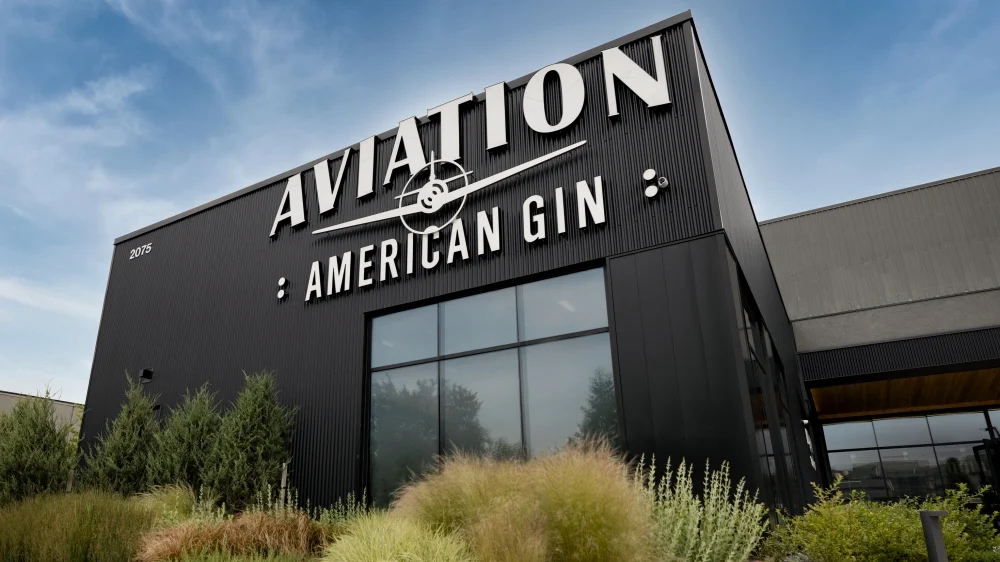
The spirits industry, once characterized by a seemingly endless trajectory of premiumization and expansion, is facing a period of intense recalibration. The latest sign of this structural shift comes from global beverage giant Diageo, which announced this week that it is shuttering the Aviation American Gin visitor center and distillery in Portland, Oregon.
Nearly four years after the high-profile opening of the facility—a project that served as a physical monument to the brand’s meteoric rise—the closure marks a sobering milestone. While the move does not signal the end of Aviation American Gin as a commercial product, it serves as a stark reflection of the cooling North American market and the difficult strategic pivots being forced upon industry leaders.
The Chronology of a Brand: From Craft Roots to Global Icon
To understand the weight of the Portland closure, one must look at the unconventional path Aviation Gin has taken since its inception. The brand was birthed in 2006, the product of a collaboration between bartender Ryan Magarian and House Spirits Distillery. At the time, it was a quintessential craft spirit, designed to appeal to the burgeoning cocktail culture that was beginning to define the Pacific Northwest’s culinary identity.
In 2016, the brand was acquired by Davos Brands, a move that signaled its transition from a boutique regional player to a national contender. However, the true inflection point arrived in 2018 when actor Ryan Reynolds became a co-owner. Reynolds brought a level of celebrity marketing to the brand that was, at the time, unprecedented in the spirits world. Through a series of irreverent, highly viral digital campaigns—most notably his tongue-in-cheek public "feud" with Deadpool & Wolverine costar Hugh Jackman—Reynolds successfully turned a mid-tier gin into a pop-culture juggernaut.
The brand’s rapid growth caught the attention of industry titan Diageo, which acquired Aviation in 2020 in a deal valued at up to $610 million. The 2022 opening of the Portland visitor center was intended to be the brand’s "home," a physical manifestation of its Oregon roots and a hub for experiential marketing. The company even brought in industry veteran Hollie Stephenson, former head brewer at the Guinness Open Gate Brewery in Maryland, to helm the facility.
However, the lifespan of that facility was short-lived. Following a consolidation of operations that saw bottling and blending move to an off-site location last year, the decision to shutter the visitor center effectively closes the book on the brand’s Portland-based hospitality chapter.
Supporting Data: The North American Sales Slump
The closure of the Aviation visitor center is not an isolated incident; it is a tactical retreat occurring within a broader narrative of declining sales across the North American spirits sector.
Diageo’s latest financial reports paint a challenging picture. Organic sales in North America have fallen by nearly 10 percent in recent periods. This downturn has been driven by a complex cocktail of factors: changing consumer habits, a post-pandemic inventory glut, and a general tightening of discretionary spending among American households.
This environment has forced Diageo to make difficult, large-scale decisions across its portfolio. The company has previously announced pauses in production at other American distilleries, including the Balcones and Cascade Hollow facilities—the latter being the historic home of George Dickel Tennessee Whiskey. These are not merely administrative changes; they are significant operational halts designed to align production capacity with the current, more tepid consumer demand.
While CEO Sir Dave Lewis, who took the helm in January, has reported growth in international markets, the North American region remains a primary obstacle to the company’s bottom line. The closure of the Portland facility represents a "right-sizing" of assets, moving away from capital-intensive physical locations toward a leaner, more centralized distribution model.
Official Responses and Corporate Strategy
In response to inquiries regarding the future of the brand and the reasons behind the shuttering, Diageo provided a statement that emphasized continuity despite the physical contraction.

"After careful consideration, we have made the difficult decision to close the Aviation American Gin Visitor Center in Portland, Oregon," a company spokesperson stated. "This decision reflects evolving business needs, as we continue to support growth ambitions for our Aviation American Gin brand. Aviation American Gin remains an important part of Diageo’s portfolio and we are committed to the brand, our customers, and consumers."
The statement is classic corporate diplomacy, framing a cutback as a "support for growth." By consolidating production and cutting the overhead of a visitor center, Diageo is attempting to protect the brand’s margins. Industry analysts note that for a brand like Aviation, which relies heavily on high-volume retail sales, the maintenance of a prestige facility in a high-cost urban environment may have become an unjustifiable expense in an era of strict cost-discipline.
Currently, the brand’s website reflects this change, with all visitor center experiences marked as unavailable. Whether the brand will seek a smaller, more cost-effective footprint in the future remains a subject of speculation.
The Broader Implications: What This Means for the Spirits Industry
The closure of the Aviation Gin facility is a bellwether for the "craft-to-conglomerate" lifecycle. Over the last decade, large spirits companies aggressively acquired independent distilleries, often paying premiums for the "craft" story. The strategy was to leverage the authenticity of these brands while scaling them through global distribution networks.
However, the current economic climate is proving that the "craft" business model—which often involves high-touch hospitality, small-batch production, and local tourism—does not always translate well into the balance sheets of a multinational corporation.
1. The Death of the "Prestige" Facility
For many years, spirits companies treated visitor centers as essential branding tools, almost like temples to their products. Now, as companies focus on shareholder returns and operational efficiency, these facilities are often the first to be evaluated for ROI. If a visitor center isn’t driving direct, high-margin sales or massive brand equity, it is increasingly seen as a luxury that a lean, modern spirits firm can no longer afford.
2. The "Ryan Reynolds" Effect and Brand Sustainability
The Aviation story also highlights the volatility of celebrity-backed brands. While Reynolds was instrumental in driving the brand’s rapid ascent, celebrity marketing has a shelf life. As the initial novelty wears off, the brand must stand on its own merits as a consumer product. Diageo is clearly signaling that it intends to pivot from the "personality-led" growth phase to a "product-led" sustainability phase.
3. The Future of Portland as a Spirits Hub
The closure is a significant blow to the Portland distillery scene, which has long been a pillar of American craft distilling. With the bankruptcy of House Spirits (the original owners of Aviation) under the Westward Whiskey banner—which has since been sold to new owners—the local landscape is undergoing a major transition. The loss of a flagship facility like the Aviation center reflects a broader cooling in the regional spirits market, which was once the envy of the industry.
Conclusion
The shuttering of the Aviation American Gin visitor center in Portland is a poignant reminder that even the most successful brands are not immune to the cold realities of global economics. While Aviation remains a core component of the Diageo portfolio, the closure of its physical home in Oregon signals the end of an era of aggressive expansion.
As the spirits industry navigates this period of uncertainty, the focus has shifted from "growth at all costs" to "profitable efficiency." For consumers, the gin will remain on the shelf. But for the industry, the message is clear: the days of exuberant expansion and high-overhead branding are being replaced by a more pragmatic, disciplined approach to business. Whether this leads to a healthier, more sustainable market, or a dilution of the "craft" spirit that made these brands special in the first place, remains the central question for the years ahead.
 Evan Lee Salim
 Asep Darmawan
 Laily UPN
