

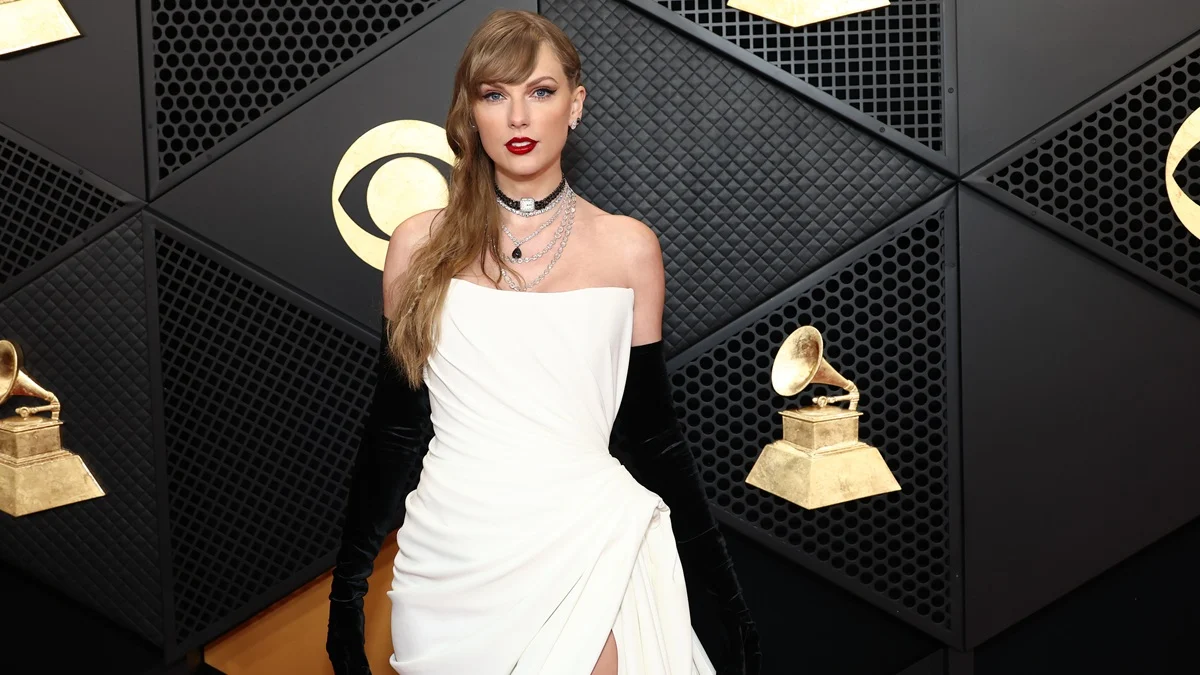
In the wake of what is arguably the most scrutinized nuptial event of the decade, the world remains fixated on a singular, elusive image: Taylor Swift’s wedding dress. Following the reported July 3 exchange of vows between the global pop icon and NFL superstar Travis Kelce at New York City’s Madison Square Garden, the fashion world has been gripped by a frenzy of speculation. While the marriage itself has been confirmed, the sartorial centerpiece—a custom Christian Dior Haute Couture gown—remains shrouded in mystery, guarded by a calculated silence that has only served to amplify its eventual reveal.
The Main Facts: A Landmark Collaboration
The wedding, which took place in the iconic, cavernous setting of Madison Square Garden, was a spectacle of privacy in an era of digital oversharing. While the couple managed to keep the details of their guest list and ceremony intimate, the confirmation of the bridal attire arrived with the weight of a major fashion announcement.
Dior, the legendary Parisian fashion house, confirmed that they were the architects behind the wedding wardrobe. The commission was spearheaded by none other than Dior’s creative director, Jonathan Anderson, marking a significant milestone in his tenure at the house. This was not merely a dress; it was a collaborative project involving months of design, multiple fittings, and a level of craftsmanship that has become synonymous with the 30 Avenue Montaigne ateliers in Paris.
Beyond the gown, the ensemble was a curated masterpiece of luxury. Swift’s bridal look was reportedly completed with bespoke Christian Louboutin footwear and an exquisite selection of Cartier jewelry, emphasizing a blend of classic elegance and contemporary couture. The project stands as the first instance of Anderson designing a couture wedding gown for a celebrity of Swift’s global stature, cementing the collaboration as a defining moment in both fashion and pop culture history.
Chronology: From Atelier to Altar
The journey of the gown began long before the July 3 ceremony. Sources close to the production suggest that the design process was initiated shortly after the couple’s engagement, with Anderson working in close dialogue with Swift to capture a vision that was both personal and representative of her evolution as an artist.
- Early 2026: Initial consultations between Jonathan Anderson and Taylor Swift. The focus was on blending Dior’s heritage with Swift’s personal aesthetic, which has shifted toward a more mature, sophisticated silhouette in recent years.
- Spring 2026: Construction begins in Paris. The dress was handcrafted over several months by the master artisans at Dior’s historic headquarters.
- July 3, 2026: The wedding ceremony at Madison Square Garden. The gown makes its public debut in front of a select group of guests, who were reportedly bound by strict non-disclosure agreements.
- July 5–7, 2026: The immediate aftermath. As the news of the wedding circulated, the lack of photographic evidence led to a massive uptick in interest. During Dior’s Haute Couture show in Paris, the dress became the unofficial "guest of honor" in every conversation among industry insiders.
Supporting Data: The Craftsmanship Behind the Curtain
The fascination with the gown is rooted in the high-stakes nature of modern celebrity fashion. Dior has confirmed that the gown was constructed entirely by hand, utilizing techniques that have been preserved by the house for decades.
Jonathan Anderson, in a rare moment of candor during an interview with WWD, spoke to the emotional weight of the commission. "It was a joy to work with her," Anderson noted. "We became very good friends. It’s an emotional thing doing someone’s wedding. It isn’t just about the fabric or the silhouette; it is about the story of the person wearing it."
The industry remains divided on what the design actually entails. Fashion critics have been debating the "Anderson Effect." Known for his avant-garde, structural, and often intellectual approach to design, Anderson’s involvement suggests the gown may eschew traditional bridal tropes in favor of something more sculptural. Conversely, the house of Dior is famous for the "New Look"—the cinched waist and voluminous skirt that defined mid-century elegance. The question remains: did Anderson prioritize the house’s classic bridal heritage, or did he push the boundaries of what a wedding dress can be in the 21st century?
Official Responses and the Strategy of Silence
In an age where social media leaks are inevitable, the control surrounding this specific gown has been unprecedented. A spokesperson for Dior has been clear regarding the timeline for the reveal: the dress will not be unveiled by the house until Swift herself dictates the moment.
"The gown will be revealed after the singer shares the first official wedding photographs on her own Instagram account," the spokesperson stated. This strategy effectively turns the dress into an asset that belongs to the bride’s narrative, rather than a piece of commercial content for the fashion house. It is a masterclass in modern celebrity branding, ensuring that when the image does drop, it will command the entirety of the global news cycle, eclipsing any premature leaks or unauthorized paparazzi shots.
Implications: The Evolution of Celebrity Nuptials
The mystery of the Swift-Kelce wedding dress speaks to a larger cultural shift. In the past, celebrity weddings were covered by magazines like Vogue or People weeks after the event. Today, the power has shifted back to the individual. By withholding the imagery, Swift is reclaiming the intimacy of her wedding in an era where her life is constantly on display.
Furthermore, the collaboration between a high-fashion, avant-garde designer like Jonathan Anderson and a mainstream cultural phenomenon like Taylor Swift signals the continued convergence of high art and mass entertainment. Anderson’s comments regarding their friendship suggest that the "celebrity wedding dress" is no longer just a transaction; it is a collaborative artistic endeavor.
For the fashion industry, the outcome of this silence is significant. It reinforces the idea that exclusivity—even in the digital age—is the ultimate luxury. As fans and fashion enthusiasts continue to parse through rumors, the "mystery dress" has already achieved a level of iconic status that few garments ever reach. It exists in a state of suspended animation, a phantom of couture that the world is waiting to witness.
The Verdict: Why the Wait Matters
The anticipation surrounding the reveal is not merely about fabric and lace; it is about the closure of a massive cultural narrative. Taylor Swift’s wedding to Travis Kelce represents the culmination of a high-profile romance that has been tracked by millions. The dress is the final piece of that puzzle.
As Dior continues to maintain its silence, the industry remains on high alert. Whether the gown is a minimalist sheath, a romantic ballgown, or an experimental piece of wearable art, it is destined to set trends for the next decade of bridal fashion. For now, the world waits for that singular Instagram notification—a ping that will effectively end the mystery, break the internet, and define the look of a generation.
Until then, the gown remains a secret, protected by the artisans of Paris and the calculated privacy of a woman who knows exactly how to command the world’s attention—even when she is standing perfectly still. The "Mystery of the Dior Gown" is not just a fashion story; it is a testament to the enduring power of the spectacle, and a reminder that in a world of instant gratification, the most powerful thing one can do is make the world wait.
 Iffa Jayyana
 Azzam Bilal Chamdy
 Ammar Sabilarrohman
