

In the landscape of modern wellness, few trends have gained as much traction—or sparked as much debate—as "fibermaxxing." As social media influencers and nutrition advocates highlight the long-neglected benefits of dietary fiber, many individuals are rushing to overhaul their diets. However, a significant hurdle persists: the uncomfortable, and often painful, reality of rapid fiber escalation.
While fiber is essential for gut health, cholesterol management, and blood sugar stabilization, the human digestive system is not always prepared for a sudden influx of plant-based roughage. For many, the attempt to reach daily fiber targets results in a "barrage" of gastrointestinal distress, including bloating, cramping, and gas. To understand how to navigate this nutritional transition, it is necessary to explore the biological mechanics of fiber and the emerging concept of "fiber training."
The Biological Foundation: Why Fiber Matters
At its core, fiber is a type of carbohydrate that the human body cannot digest. Unlike proteins, fats, or simple carbohydrates, which are broken down and absorbed in the small intestine, fiber travels largely intact into the colon. Once there, it acts as a primary fuel source for the trillions of beneficial bacteria that reside in our microbiome.
"Even with fiber becoming a growing trend, people still greatly underestimate its importance and, also, just how many ways it benefits the human body," says Desiree Nielsen, RD, a recipe developer and expert in plant-based nutrition.
The clinical benefits of a fiber-rich diet are well-documented and far-reaching:
- Cholesterol Management: Soluble fiber binds to cholesterol particles in the digestive system and moves them out of the body before they can be absorbed, helping to lower "bad" LDL cholesterol levels.
- Blood Sugar Regulation: Fiber slows the absorption of sugar, preventing the rapid spikes and crashes that contribute to insulin resistance.
- Satiety and Weight Management: Because fiber adds bulk to food without adding significant calories, it promotes a feeling of fullness, which can be instrumental in long-term weight management.
- Microbiome Diversity: By feeding the gut flora, fiber supports a robust immune system and may reduce the risk of chronic conditions, including heart disease and colorectal cancer.
Despite these benefits, overlooking fiber remains one of the most common nutritional mistakes in the Western world. When individuals attempt to correct this deficiency overnight, the result is rarely smooth sailing.
The "Fibermaxxing" Chronology: The Anatomy of a Digestive Upset
The typical "fibermaxxing" journey often follows a predictable, albeit unpleasant, timeline for those who move too quickly.
- The Overhaul Phase (Days 1–3): The individual decides to prioritize fiber, replacing refined grains with whole grains, legumes, and cruciferous vegetables.
- The Bottleneck Effect (Days 4–7): The colon, unaccustomed to processing high volumes of complex carbohydrates, struggles to ferment the intake efficiently. This leads to the buildup of gases and increased pressure in the intestinal tract.
- The Symptomatic Response: The individual experiences acute abdominal distension (bloating), sharp cramping, and increased flatulence. Many, at this stage, interpret these symptoms as a sign that fiber is "bad" for them and abandon the effort entirely.
Dr. Lisa Ganjhu, a gastroenterologist at NYU Langone Health, notes that she frequently encounters patients in this exact state. "I have a lot of patients that will say, ‘I ate more fiber, and now I’m really bloated and crampy,’" she explains. This phenomenon occurs because the digestive system functions like a muscle—it requires adaptation.
The Strategy: Understanding "Fiber Training"
To avoid the pitfalls of a rapid transition, experts advocate for "fiber training." This methodology treats the digestive system with the same logic as a physical training program. Just as a novice runner would not attempt a marathon without first training their cardiovascular system, an individual should not shift to a high-fiber diet without "training" their colon.
The Principles of Gradual Progression
Fiber training relies on a slow, consistent increase in intake. This allows the gut microbiome to adjust its population and efficiency in breaking down these complex carbohydrates.
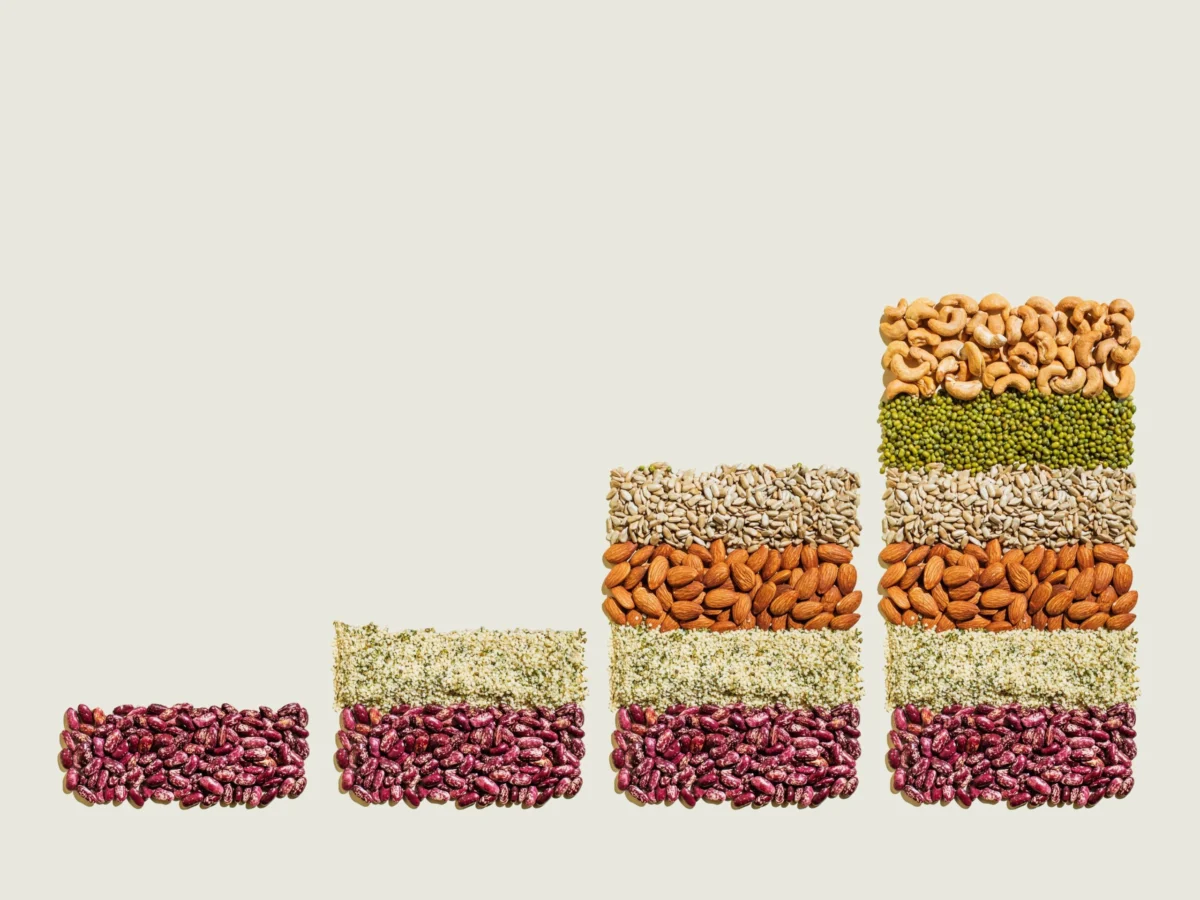
- Micro-Increments: Rather than adding 15 or 20 grams of fiber at once, practitioners should focus on increasing their intake by 3 to 5 grams at a time.
- Sustained Adaptation: Once a new level is reached, it should be maintained for 5 to 7 days. This allows the body to signal whether it has adjusted or whether the intake remains too aggressive.
- Symptom Tracking: If bloating or gas occurs, the individual should hold their intake at the current level until the symptoms subside before attempting another increase.
Supporting Data: Establishing Your Baseline
According to the Dietary Guidelines for Americans (2020-2025), the recommended daily fiber intake varies by age and sex:
- Ages 19–30: 28 grams per day
- Ages 31–50: 25 grams per day
- Ages 51+: 22 grams per day
Many experts argue that these are minimums rather than optimal targets. To reach these goals without causing a "bottleneck on the highway," as Nielsen describes it, individuals should incorporate small, fiber-dense foods. A single apple provides roughly 4 grams of fiber, a half-cup of chickpeas contains 5 grams, and two tablespoons of ground flaxseeds offer 4 grams. By layering these into a daily routine, the transition becomes a manageable process rather than a digestive shock.
Official Guidance and Clinical Implications
For those with pre-existing digestive issues, such as chronic constipation, the approach must be even more conservative. Dr. Ganjhu and Nielsen emphasize that high-fiber intake in a "backed-up" system can paradoxically make the problem worse by increasing stool volume before the system is ready to move it.
The Role of FODMAPs
For sensitive stomachs, Nielsen recommends starting with low-FODMAP (Fermentable Oligosaccharides, Disaccharides, Monosaccharides, and Polyols) foods. These carbohydrates are often fermented quickly by gut bacteria, which can cause significant gas in sensitive individuals. By opting for low-FODMAP options—such as kiwis, which have been clinically studied as a natural treatment for constipation—individuals can gain the benefits of fiber without the associated irritation.
The Importance of Hydration
Fiber acts like a sponge, drawing water into the stool to soften it and aid in transit. If fiber is increased without a concurrent increase in water intake, the result can be hard, dry stools—the exact opposite of the desired outcome. While the "eight glasses a day" rule is often debated, hydration remains a non-negotiable pillar of fiber success.
Long-Term Implications: Building "Colonic Fitness"
The ultimate goal of fiber training is to cultivate what Dr. Ganjhu calls "colonic fitness." By incrementally leveling up, the digestive system learns to manage high-fiber loads efficiently. This not only eliminates the discomfort associated with the "awkward stage" of dietary change but also ensures that the individual can maintain a high-fiber lifestyle indefinitely.
When fiber is integrated correctly, the systemic rewards are profound. From stabilized blood glucose levels that prevent mid-afternoon energy crashes to the long-term reduction in the risk of cardiovascular disease and metabolic syndromes, the effort spent in "training" the gut pays dividends in overall health.
In conclusion, the fibermaxxing trend is based on sound nutritional principles, but it requires a tempered approach. By viewing the digestive tract as an organ that can be conditioned, and by prioritizing patience over speed, individuals can successfully transition to a healthier, fiber-rich diet. If you are starting from a place of low fiber intake, the best advice remains simple: start low, go slow, and listen to the feedback your body provides.
 Asro
Asro
 Dwi Wanna
 Nana
Nana
