

Main Facts
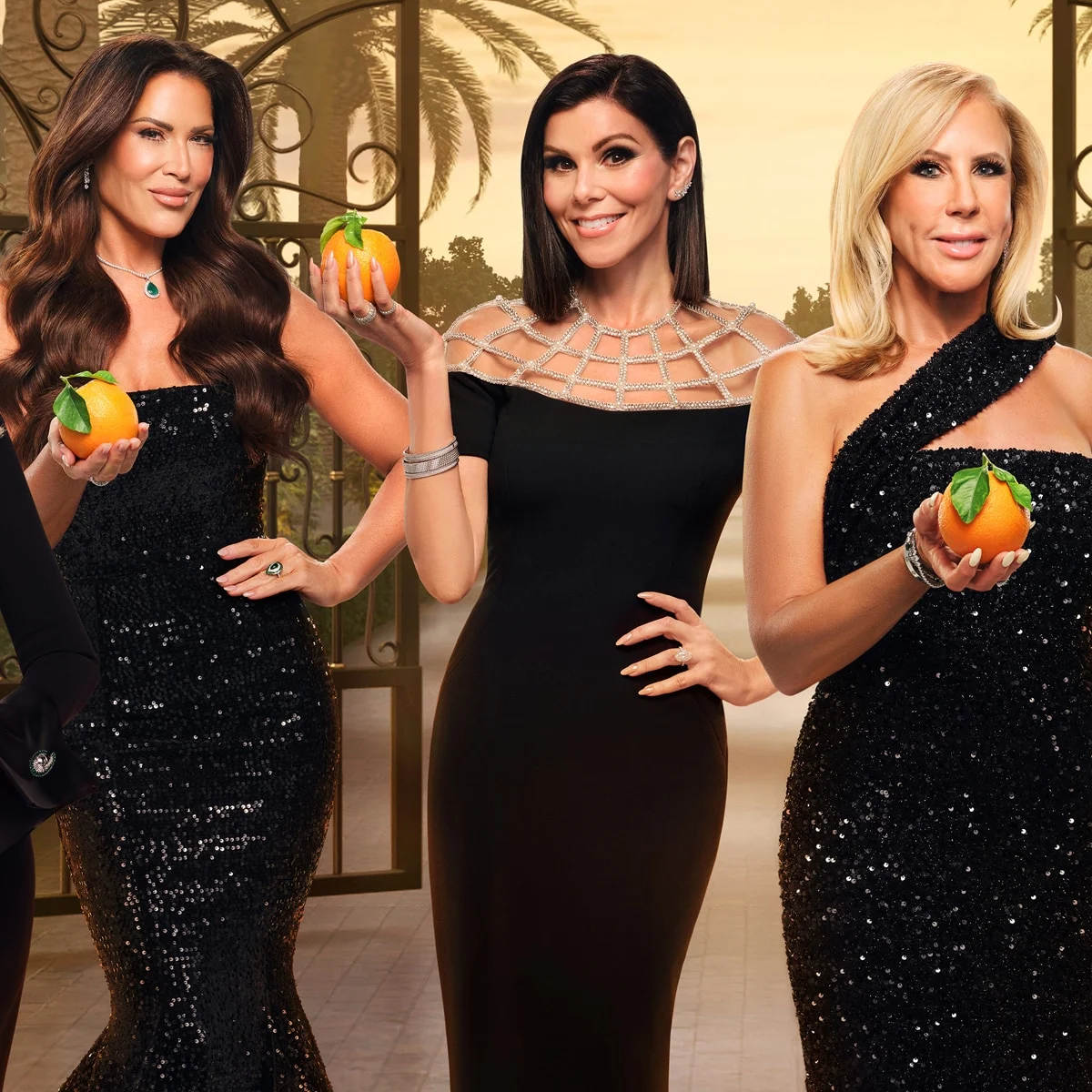
The landscape of modern reality television owes its existence to a single, gated community in Southern California. In 2006, Bravo launched The Real Housewives of Orange County (RHOC), a docuseries that promised an unfiltered look behind the manicured lawns and stucco mansions of Coto de Caza. Today, as the series prepares to launch its milestone 20th season, the cast is reflecting on two decades of cultural dominance, meme-worthy confrontations, and deeply personal milestones documented in high definition.
To commemorate this television landmark, current and former cast members—led by the franchise’s "Original Guide" (O.G.), Vicki Gunvalson—have shared their most cherished memories from their tenures on the show. Concurrently, entertainment analysts and fans are looking back at the broader history of the franchise.
This retrospective coincides with a comprehensive ranking by E! News of 178 Housewives across the global brand, illustrating the delicate science behind what makes a reality star either an enduring icon or a forgotten footnote.
Chronology of a Reality Empire (2006–Present)
The evolution of The Real Housewives of Orange County mirrors the broader trajectory of 21st-century cable television.
[2006] RHOC Launches (Season 1) -> Focus on gated communities & family dynamics
   |
[2007] Tamra Judge Joins (Season 3) -> Shift toward interpersonal conflict & drama
   |
[2012] Heather Dubrow Joins (Season 7) -> Introduction of high-society aspirational lifestyle
   |
[2014] Shannon Beador Joins (Season 9) -> The "Tres Amigas" era begins
   |
[2018] Emily Simpson & Gina Kirschenheiter Join (Season 13) -> Focus on modern female friendships
   |
[2024] Season 20 Milestone -> Acknowledgment of the show's 20-year cultural legacy
The Early Years: The Docuseries Era (2006–2008)
When the show premiered in 2006, it was framed as a modern-day soap opera focusing on the domestic lives of wealthy women. Vicki Gunvalson was at the forefront, balancing her career as an insurance mogul with motherhood. The narrative was driven primarily by family dynamics rather than manufactured ensemble conflict.
The Pivot to Drama (2008–2013)
With the introduction of Tamra Judge (then Barney) in Season 3, the show transitioned from a passive documentary into an active, high-stakes drama. This era birthed the "unscripted conflict" model that would define all subsequent Real Housewives spinoffs in Atlanta, New York, and Beverly Hills. Landmark moments of this era included the introduction of Heather Dubrow in Season 7, which brought an element of aspirational lifestyle porn and high-society etiquette to the series.
The "Tres Amigas" and Modern Eras (2014–Present)
Shannon Beador’s arrival in Season 9 solidified a core trio—Vicki, Tamra, and Shannon—affectionately dubbed the "Tres Amigas." Despite constant shifting alliances, this group anchored the show through tumultuous seasons of divorces, health scares, and cast shakeups.
The subsequent castings of Emily Simpson, Gina Kirschenheiter, and Jennifer Pedranti have ushered the franchise into its modern chapter, balancing the classic, explosive antics of the veteran cast with more grounded, relatable domestic storylines.
Cast Reflections: Iconic Moments and Personal Milestones
For the women who lived their lives in front of Bravo’s cameras, the most significant memories are often far removed from the screaming matches that dominate social media feeds.
Vicki Gunvalson: A Documented Matriarchy
Vicki Gunvalson, 64, who has appeared in 17 of the show’s 20 seasons, views the series as a living family archive. Her favorite memories center on her children, Michael Wolfsmith, 41, and Briana Culberson, 39, whom she raised in front of millions of viewers.
"Watching my kids be raised," Gunvalson shared in an interview with E! News. "My daughter’s a parent, a mother now, and just the journey of life. People don’t get to document it the way we do, so it’s been great."
Specifically, Gunvalson pointed to a poignant moment in 2012 during Season 7:
"When Briana brought Troy home, that’s a remarkable time. Ryan [Culberson] was in Afghanistan serving our country, and it was her and I and Troy. It was awesome."
Tamra Judge: From Domestic Bliss to the "Bathtub Scene"
Tamra Judge, 58, echoed Gunvalson’s sentiments regarding the value of having major life events archived on television, citing her engagement to Eddie Judge, the birth of her granddaughter, and the return of her daughter Sofia to the screen.
However, Judge also embraced the more scandalous elements of her reality TV legacy, pointing to her infamous, steam-filled Season 6 bathtub scene with husband Eddie as a career-defining moment.
Shannon Beador and Heather Dubrow: High-Society Hilarity and Petty Feuds
For Shannon Beador, the physical comedy of the show remains a personal highlight. She recalled her debut in Season 9, which featured a disastrous, capsizing kayak ride in Bali with her castmates.
Heather Dubrow, conversely, highlighted the sheer absurdity of the show’s early-decade conflicts. She pointed to her inaugural Season 7, specifically her "name-changing party," where a guest committed the ultimate social faux pas by eating the fondant bow off her custom cake.
"To me, the name-changing party and ‘she broke the bow off my cake and ate it’ stands out," Dubrow remarked. "Also, in that party was Vicki screaming at Tamra, ‘You’re supposed to be my soul sister,’ which became her podcast name. It’s one of those perfect Housewife nights: It’s petty, it’s way too important to us, and it’s fabulous."
The Next Generation: Emily Simpson, Gina Kirschenheiter, and Jennifer Pedranti
The show’s newer stars view the franchise through a lens of female solidarity. Emily Simpson recalled a Season 14 trip to Key West where the cast "went rogue," driving a Maserati convertible down the Florida Keys away from production’s direct supervision.
Her close friend, Gina Kirschenheiter, noted that the show has served as an authentic record of their real-life bond. Meanwhile, Jennifer Pedranti, who joined in Season 17, described her experience as an emotional rollercoaster that ultimately built resilience:
"I think the moment is the journey. In my mind, it was going to be one way and then that didn’t go the way I thought. I felt like I got run over, and then you pick yourself back up."
Supporting Data: The Anatomy of a Reality TV "Flop"
While the O.G.s of the Orange County franchise have enjoyed decades-long careers, the reality TV landscape is littered with women who failed to connect with audiences. An analysis of E! News’ definitive ranking of 178 Housewives highlights the common pitfalls that lead to a short-lived or widely criticized tenure on Bravo.
| Rank | Housewife | Franchise | Tenure | Defining Characteristic / Fall from Grace |
|---|---|---|---|---|
| 175–178 | M. Amons, L. Erkiletian, C. Ommanney, S. Turner | RHODC | Season 1 | Part of a highly forgettable, one-season franchise marred by political gate-crashing. |
| 174 | Kimberly Bryant | RHOC | Season 1 | Completely overshadowed by larger personalities in the inaugural season. |
| 171 | Elizabeth Lyn Vargas | RHOC | Season 15 | Brought very little narrative momentum to an already struggling season. |
| 170 | Jennie Nguyen | RHOSLC | Season 2 | Fired after offensive, racially insensitive past social media posts resurfaced. |
| 167 | Annemarie Wiley | RHOBH | Season 13 | Suffered a disastrous rookie season dominated by the widely panned "Esophagus-gate" argument. |
| 163 | Peggy Sulahian | RHOC | Season 12 | Engaged in confusing arguments and famously hid in her hotel room during a cast trip to Iceland. |
| 160 | Siggy Flicker | RHONJ | Seasons 11–12 | Experienced a rapid fall from grace, transitioning from a beloved peacekeeper to an obsessive antagonist. |
| 155 | Amanda Francis | RHOBH | Season 15 | Widely disliked by fans for an excessive obsession with wealth and a flat refusal to engage in conflict. |
| 150 | Angel Massie | RHOP | Season 10 | Failed to integrate with the veteran cast; her signature glamping trip ended with the cast lost in the woods. |
| 147 | Stephanie Shojaee | RHOM | Season 7 | Criticized for using her private jet as social leverage over her castmates. |
Key Takeaways from the Data: Why Housewives Fail
An analysis of the lower-tier rankings reveals three primary reasons why a casting choice fails:
- The Refusal to Engage (The "Amanda Francis" Syndrome): Modern audiences demand vulnerability and a willingness to confront conflict. Stars who refuse to engage in tough conversations or attempt to protect their pristine personal brands (such as Amanda Francis or Nina Ali) are quickly rejected by fans.
- Off-Screen Controversies (The "Jennie Nguyen" Effect): In the social media age, a Housewife’s past digital footprint can cut a reality career short. Bravo has established a zero-tolerance policy for racially insensitive or highly offensive off-screen behavior.
- The Single-Issue Storyline (The "Esophagus-gate" Trap): Rookie Housewives often make the mistake of latching onto a single, petty argument and dragging it out across an entire season. Annemarie Wiley’s fixation on a co-star’s physical medical history is a prime example of a narrative misfire that alienates viewers.
Official Responses and Network Strategy
As Bravo prepares for the premiere of Season 20, network executives have leaned heavily into nostalgia-driven marketing. By highlighting the show’s longevity, Bravo aims to solidify The Real Housewives as a prestigious institution of American pop culture rather than just a guilty pleasure.
In official promotional materials, the network has emphasized that Season 20 will celebrate the roots of the series while pushing the boundaries of the ensemble’s current dynamics. Show producers have hinted that the milestone season will feature surprise guest appearances from past cast members, callback packages, and a deeper exploration of how these women have evolved under the constant gaze of the public eye.
Implications: The Cultural Legacy of the "Real Housewives" Formula
The 20-season milestone of The Real Housewives of Orange County is a testament to the durability of a television format that many critics initially dismissed as a passing fad.
The Birth of the Multi-Platform Influencer
Before RHOC, reality television stars were largely viewed as temporary novelties. The Housewives franchise changed this dynamic, pioneering the model of the reality-star-turned-entrepreneur. Through the platform, cast members have launched multi-million-dollar liquor brands, cosmetic lines, legal practices, and highly successful podcast networks.
A Mirror to Changing Social Norms
Over 20 years, the franchise has also served as an unexpected sociological record. It has documented the housing market crash of 2008, the evolution of modern divorce laws, shifting attitudes toward cosmetic surgery, and the rising influence of social media on personal relationships.
As The Real Housewives of Orange County returns to television screens on Thursday, July 9 at 8 p.m. on Bravo, it does so not merely as a reality show, but as a cultural touchstone that redefined the parameters of celebrity, female friendship, and commercial entertainment in the 21st century.
 Nana Wu
 Sagoh
Sagoh
 Iffa Jayyana
