

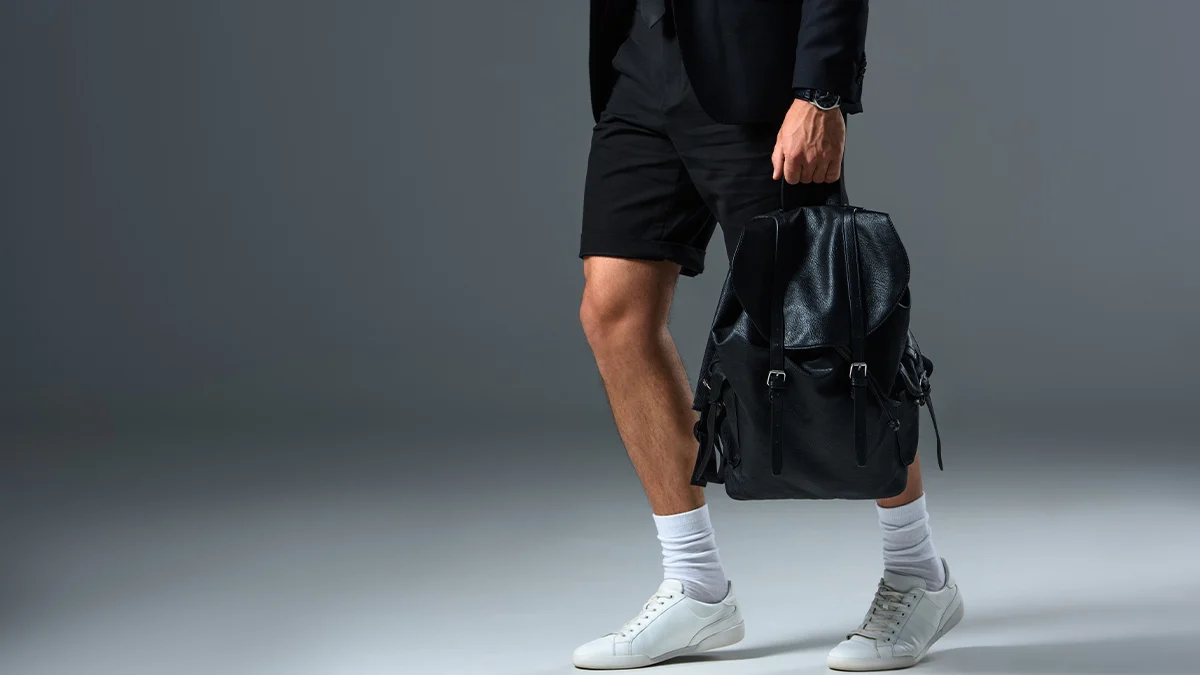
In the shifting landscape of modern corporate culture, where the lines between the living room and the boardroom have blurred significantly, a sartorial battleground has emerged: the office short. Despite rising global temperatures and the erratic performance of aging HVAC systems, a growing cohort of professionals is opting for hem-lines that fall well above the knee.
However, for those who value the traditional codes of professional decorum, this trend represents more than just a fashion choice; it is a visible decline in professional standards. From the hallowed halls of high finance to the creative studios of tech startups, the question remains: does the presence of bare knees in the workplace signal a casual, modern office, or does it telegraph a fundamental lack of ambition?
The Great Sartorial Divide: A Historical Perspective
To understand the current tension, one must look back at the rigid structures of the 20th-century workplace. For decades, the suit was the armor of the professional class. It served as a visual shorthand for reliability, capability, and seriousness of purpose.
During a twenty-year tenure at the helm of GQ in London, the mandate was clear: men do not wear shorts to the office. The logic was simple—a workplace is a theater of professional intent. The only exception made was for the sports editor, whose role necessitated rapid transit between velodromes, gyms, and soccer pitches. In that context, the attire served a functional purpose, aligning the individual with their professional output.
Conversely, the modern trend of wearing shorts in a standard office environment is rarely functional. Instead, it is an exercise in performative casualness. Whether an employee is dressed for a quick Padel match on a Zoom call or simply prioritizing personal comfort over professional aesthetic, the result is the same: they appear to be guests in their own workplace rather than participants in a corporate mission.
Chronology of a Dress Code Collapse
The erosion of office dress codes did not happen overnight. It has been a slow, incremental slide, often punctuated by global events that forced a re-evaluation of necessity.
- The Pre-Digital Era: The suit and tie were mandatory. Professionalism was synonymous with conformity.
- The Dot-Com Boom (Late 90s/Early 2000s): The emergence of "Business Casual." Tech moguls began to reject the tie, opting for khakis and polos.
- The Creative "Exception" Era: Art directors and creative agencies pioneered the "disheveled genius" look. Shorts, tattoos, and graphic tees became a way to signal that the employee was "too busy creating" to bother with a tailor.
- The Pandemic Shift (2020–2022): The transition to remote work normalized the "Zoom-ready" outfit—a shirt on top, pajamas on the bottom.
- The Post-Pandemic Return (2023–Present): As offices return to five-day occupancy, a friction point has emerged: the struggle to transition back to "office-appropriate" wear after years of home-bound comfort.
Supporting Data: The Psychology of the Short
Why does the simple act of wearing shorts trigger such a strong reaction from management? It comes down to the psychology of perception.
The "Minion" Effect
When a leader—even a CEO—opts for shorts, they inadvertently frame themselves as a "cool, relaxed dude" rather than an authority figure. While this may work for a billionaire like Richard Branson, who has already secured his place in the pantheon of industry, for the mid-level manager or the ambitious recruit, it is a catastrophic misstep. Employees observing their superiors in shorts often perceive a lack of focus. If the boss is dressed as though they are on a weekend excursion to a private island, why should the staff treat the bottom line with anything but casual indifference?

The "Creative" Defense
Art directors often argue that their attire is an extension of their identity. The prevalence of tattoos, short-sleeved shirts, and shorts in creative departments is a form of branding. They are signaling that they exist outside the "strait-laced" corporate structure. However, this signaling often masks the reality of the role: long hours, intense computer work, and the solitary pursuit of innovation. The shorts are not just clothes; they are a uniform for the bunker-bound worker.
Official Responses and Corporate Stances
While many HR departments are attempting to modernize, the feedback from top-tier firms remains largely traditional. In the world of high finance, for example, the culture is notoriously unforgiving.
Anecdotes from institutions like Goldman Sachs serve as cautionary tales. Recruiters frequently cite instances of junior staff members being dismissed on their first day for minor infractions, such as wearing a baseball cap. These are not merely matters of fashion; they are tests of situational awareness. An employee who fails to grasp the unwritten rules of the office is often viewed as someone who will fail to grasp the nuanced risks of the market.
In contrast, the "Silicon Valley wallah" approach—embracing extreme casualness—is being challenged as companies move toward mandatory office returns. The consensus among traditionalists is that "Big Dick Energy" (a term popularized in the late 2010s) has no place in the 2026 workplace. Maturity, it seems, is making a comeback.
Implications for Future Prospects
The decision to dress down is, ultimately, a career-limiting move. In a competitive job market, perception is reality.
- The Signal of Seriousness: Dressing well signals that you respect your employer, your colleagues, and, most importantly, your own career. It suggests a level of self-discipline that is essential for leadership.
- The "Working From Home" Trap: As we move further away from the pandemic, the office is reclaiming its status as a site of collective productivity. Wearing lounge-wear or leisure-wear to a professional environment creates a psychological dissonance that hinders collaboration.
- The Return of the Suit: There is a growing movement—spearheaded by hospitality pioneers like Nick Jones of Soho House—that suggests we have reached peak informality. The "outrageous" choice today is no longer to dress down, but to dress up. A well-tailored suit and a tie are once again becoming the mark of the individual who is ready to take on the world.
Conclusion: The Sunday Exception
It is important to acknowledge that the desire for comfort is not inherently evil. On a Sunday, in the comfort of one’s own home, there is no greater luxury than a pair of cargo pants and a silk shirt. One might even look like an "off-duty mandarin," perfectly content in the relaxed embrace of leisure.
However, the office is not a Sunday. It is a space for professional engagement. When you step behind your desk on a Monday morning, you are entering a space that demands a higher standard. Whether the A.C. is broken or the sun is beating down, the solution is not to discard the trousers.
If you are serious about your job, serious about your prospects, and serious about your standing among your peers, do the world—and your future self—a favor: keep the shorts at home, and put on a suit. Because in the grand scheme of your career, the people who matter will notice your knees, and they will likely draw the wrong conclusion.
 Evan Lee Salim
 Asep Darmawan
 Laily UPN
