

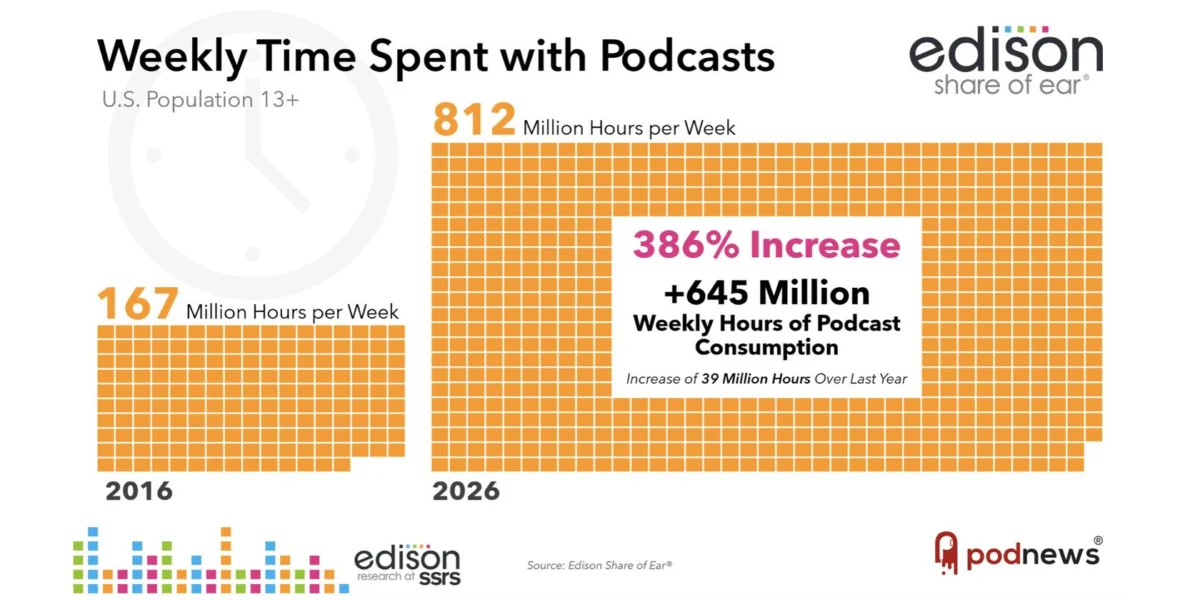
The podcasting landscape has evolved from a niche hobbyist medium into a global powerhouse of media consumption. According to recent data from Edison Research, Americans now dedicate an astounding 812 million hours per week to podcast listening. This figure represents not just a trend, but a fundamental shift in how audiences engage with information, entertainment, and storytelling. As the industry matures, the intersection of massive listener engagement and the professionalization of the creator economy has brought new challenges to the forefront, particularly regarding infrastructure, legal security, and the diversification of content.
The Scale of Consumption: Understanding the 812 Million Hour Milestone
The sheer volume of time spent with podcasts—812 million hours weekly—serves as the definitive benchmark for the medium’s health. This metric highlights that audio is no longer a "background" medium; it is a primary destination for listeners who seek deep-dive investigative journalism, niche hobbies, and complex narratives.
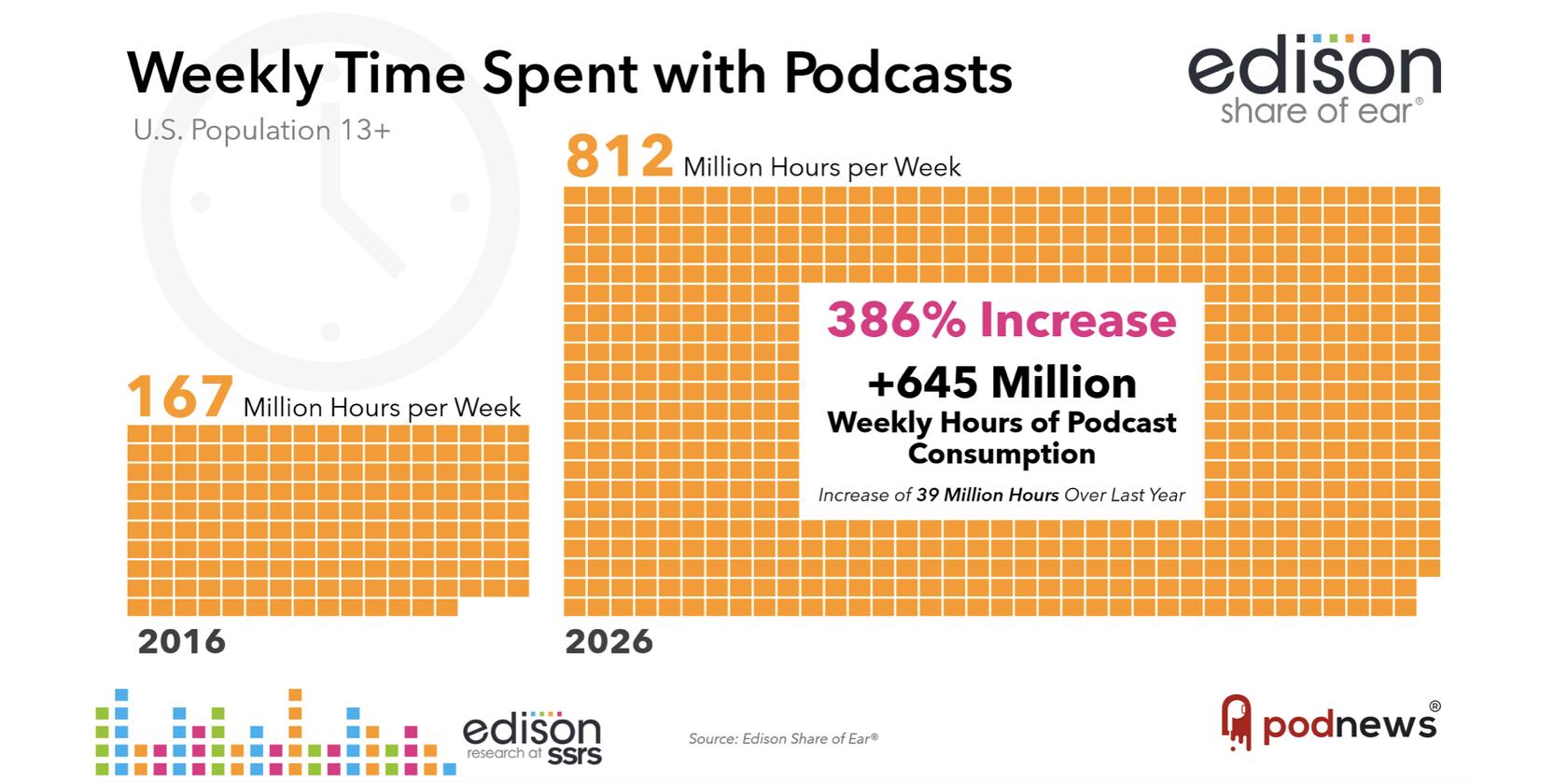
For creators and advertisers alike, this data point is the cornerstone of strategy. It confirms that the audience is not only large but deeply invested. With such high levels of engagement, the pressure on creators to produce high-fidelity, professional-grade content has never been higher. This, in turn, has led to a surge in private studio development, sophisticated gear procurement, and an increased reliance on professional-grade production environments.
The "No Gear, No Gig" Reality: Protecting the Creator’s Asset
As podcasting transitions into a viable business model for thousands of independent creators, a critical vulnerability has emerged: the misunderstanding of insurance coverage.
The Homeowner’s Insurance Trap
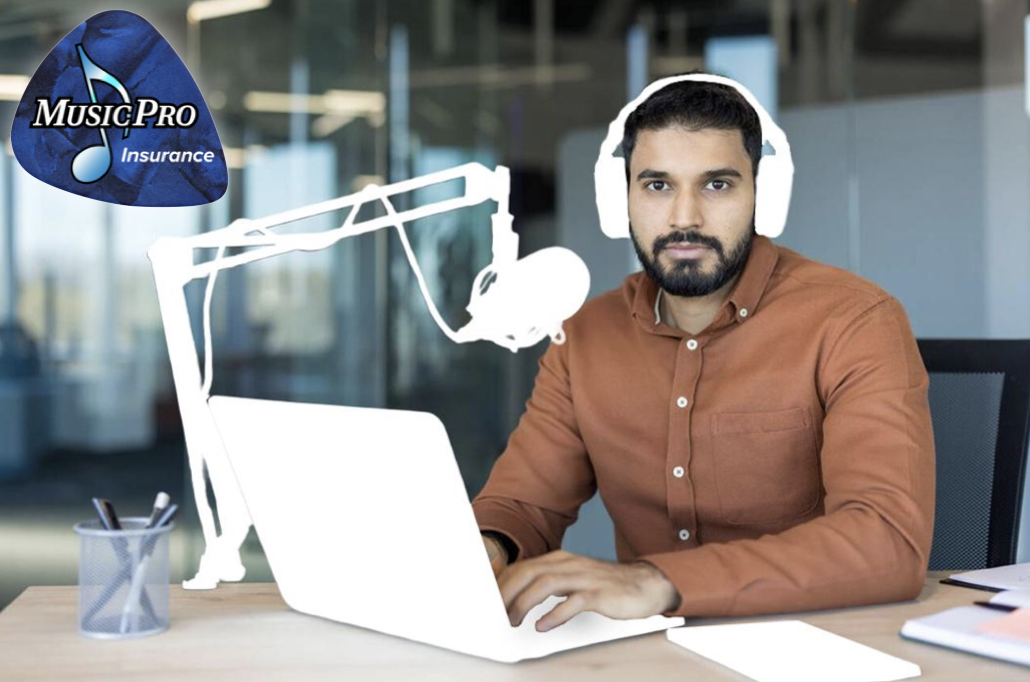
Many podcasters operate from home-based studios, often assuming that their expensive microphones, audio interfaces, acoustic treatments, and computers are fully protected under standard homeowner’s or renter’s insurance policies. However, industry experts warn that this is a dangerous misconception.
In the eyes of most insurance providers, equipment used to generate income—whether through ad revenue, listener support, or brand partnerships—is classified as "business equipment." Standard residential policies are almost exclusively designed for personal property. Consequently, if a studio suffers a loss due to fire, theft, or water damage, a claim filed under a personal policy is likely to be denied because the items were being utilized for commercial gain.

Professional Risk Mitigation
Industry specialists, such as Laura Donelan at MusicPro Insurance, emphasize that professional gear requires professional protection. With over two decades of experience in the music and AV sectors, MusicPro—owned by ASCAP and Sterling Risk—has become a leader in safeguarding the tools of the creator trade.
For the modern podcaster, this "white glove" approach is not merely an expense; it is a business necessity. Relying on inadequate coverage can lead to catastrophic financial loss, effectively ending a creator’s ability to produce content. As the industry continues to professionalize, the expectation for creators to maintain specialized business insurance is likely to become a standard operational requirement, similar to the requirements found in other creative fields like film production or professional photography.

A Snapshot of the Podcast Ecosystem: New Releases and Evolving Formats
The diversity of current podcast offerings mirrors the varied interests of the global audience. Recent launches demonstrate a clear trend toward immersive sound design, industry-specific expertise, and the exploration of identity.
Immersive Storytelling
- abandoned: The All-American Ruins Podcast: This award-winning series continues to push the boundaries of the medium. By blending soundscapes with critical examinations of American history, economics, and mental health, the podcast invites listeners to use their imagination as a tool for recovery and understanding. Its recent focus on the Mojave Shoe Station serves as a masterclass in how location-based storytelling can evoke deep emotional responses.
Industry and Cultural Analysis
- A Different Take (Forbes): Hosted by Linda Boff, President of the Forbes CMO Network, this series marks a significant move by major media conglomerates to own the narrative around marketing and artificial intelligence. By providing a behind-the-scenes look at giants like Coca-Cola, the podcast offers a high-level educational resource for professionals, signaling a shift toward podcasts serving as B2B thought-leadership platforms.
- gay-i (Bubbler Media/iHeartPodcasts): This launch addresses a critical gap in the media landscape. By examining marketing and culture through an LGBTQ+ lens, the show highlights how narratives that were previously marginalized are now becoming essential cultural touchpoints for brands looking to remain relevant in a modern, inclusive market.
Fiction and Anthology
- Tales From The Ether: Entering its third season, this anthology series by Jackie Jorgenson showcases the enduring power of scripted, narrative audio. Its blend of historical fiction and metaphysical elements—specifically the story of Sicilian sisters in 19th-century New York—demonstrates that fiction remains a vital, highly engaged segment of the podcasting market.
Podcast Data: Market Leaders and Emerging Trends
The competitive hierarchy of the industry continues to fluctuate, providing a real-time pulse on consumer preferences across platforms like Apple Podcasts and Spotify.

- The Daily (The New York Times): Remains a consistent fixture at the top of the Apple Podcasts charts in the United States, proving the enduring power of daily, high-production news analysis.
- The Joe Rogan Experience: Continues to dominate the Spotify charts, reflecting the massive reach of long-form, conversational content.
- Global Shifts: The rise of Haunted City (Games category, Ireland) and What’s on Your Riste? (Hobbies category, Ireland) illustrates that podcasting’s growth is not limited to major metropolitan media hubs. Smaller, niche-focused shows are successfully capturing regional audiences and scaling rapidly in the rankings.
Implications for the Future of Podcasting
The data and industry developments outlined above suggest three major trajectories for the coming years:
1. The Professionalization of Production
As listeners become more accustomed to high-fidelity audio, the "DIY" era of podcasting is evolving. Creators who treat their setup as a business—securing proper insurance, investing in professional-grade gear, and focusing on high-production values—are the ones who will capture the lion’s share of the 812 million weekly hours currently being consumed.

2. The Rise of Niche and Identity-Based Media
The success of shows like gay-i confirms that audiences are actively seeking content that reflects their identity and specific cultural experiences. The "broad appeal" model is being challenged by highly targeted, authentic, and culturally resonant programming that builds stronger, more loyal communities.
3. The Institutionalization of Content
With legacy media brands like Forbes entering the space, the podcasting industry is seeing a influx of corporate resources. This shift will likely raise the barrier to entry for independent creators, forcing them to adopt more sophisticated marketing, distribution, and monetization strategies to remain competitive against well-funded media entities.

Conclusion
The podcasting industry stands at a crossroads of unprecedented growth and professional maturity. With nearly a billion hours of content consumed every week, the medium has solidified its place as a pillar of modern media. However, the path forward requires more than just compelling storytelling; it demands a robust infrastructure. Whether it is protecting assets through specialized insurance, navigating the complexities of platform algorithms, or producing content that balances entertainment with cultural significance, the creators who succeed will be those who bridge the gap between creative passion and professional rigor. As the market continues to expand, one thing remains clear: in the world of audio, the only constant is the need to adapt, innovate, and protect the craft.
 Nila Kartika Wati
 Nana Wu
 Basiran
