

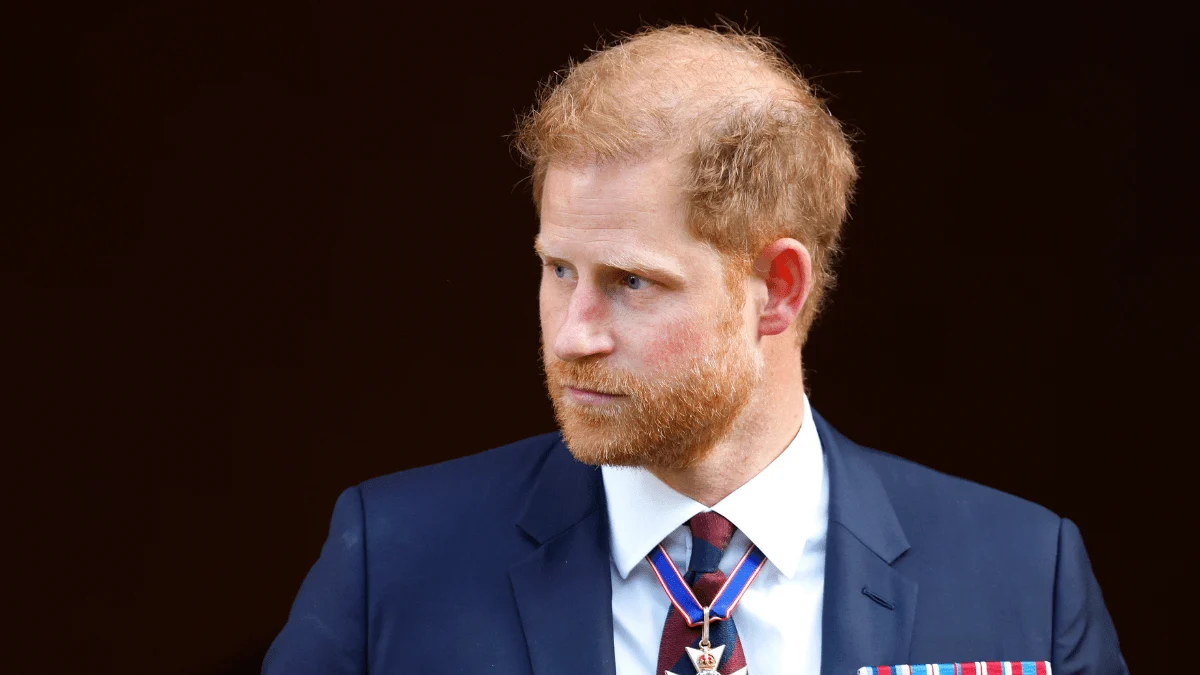
In a poignant demonstration of his enduring commitment to humanitarian causes, Prince Harry, the Duke of Sussex, conducted a high-security yet deeply intimate visit to Birmingham Children’s Hospital this week. The engagement, which centered on his long-standing role as the patron of the national charity WellChild, served to highlight the critical intersection of specialized pediatric nursing and the resilience of families navigating the complexities of chronic illness. While his U.K. visits are frequently scrutinized through the lens of royal protocol and personal family dynamics, this particular appearance stood apart—eschewing fanfare in favor of a quiet, purposeful focus on healthcare workers and the young patients they serve.
The Significance of the WellChild Milestone
The visit was anchored by a landmark anniversary: the 20th year of the "WellChild Nurse" program. Launched two decades ago, this initiative was designed to bridge the often-daunting gap between clinical hospital environments and the domestic realities of home life for children living with complex medical needs.
For the families involved, the transition from a specialized pediatric unit to a home setting can be overwhelming. WellChild nurses provide the essential training, advocacy, and clinical support required to ensure that children with long-term conditions can lead as full a life as possible within their own communities. By choosing to mark this anniversary in Birmingham, Prince Harry underscored his belief that the strength of a healthcare system is defined not just by its technology, but by the dedicated professionals who provide continuity of care.
A Chronology of the Visit
The Duke’s arrival at the hospital was characterized by a somber, respectful tone. Unlike high-profile royal tours that often involve public walkabouts and media throngs, this visit was carefully coordinated to minimize disruption to the hospital’s daily operations.
- Arrival and Reception: Upon entering the facility, the Duke was greeted by senior leadership and nursing staff. The atmosphere was noted by observers as one of genuine warmth, with staff members audibly applauding his arrival—a gesture that signaled a mutual appreciation between the patron and those executing the mission on the ground.
- The Personal Touch: Throughout the morning, Prince Harry engaged in a series of private conversations. He was seen spending significant time with pediatric patients, often kneeling to speak with them at eye level. One of the most resonant images of the day was the Duke sharing a warm embrace with a long-serving WellChild nurse, a moment that captured the empathetic connection he has fostered with the charity’s workforce over the years.
- Family Consultations: The Duke moved between wards, sitting with parents who are currently balancing the emotional burden of their children’s diagnoses with the logistical challenges of long-term care. These meetings were described as "listening sessions," where the Duke sought to understand the specific hurdles families face in the current economic and clinical climate.
The Evolution of a Patronage
Prince Harry’s relationship with WellChild began in 2007, and it has remained one of his most consistent and visible charitable commitments. Even as his life underwent a seismic shift in 2020—moving from the U.K. to California and stepping back from senior royal duties—his dedication to the organization did not waver.
In recent interviews, the Duke has reflected on how his own evolution into fatherhood has profoundly altered his perspective on pediatric health. He has frequently noted that meeting families through WellChild now resonates with him on a visceral level that he could not have fully grasped before having children of his own. This personal shift has transformed his role from a ceremonial patron into an active, empathetic advocate who clearly views the struggles of these families through the lens of a parent.
Supporting Data: The Impact of WellChild Nurses
To understand the weight of the Duke’s visit, one must consider the data surrounding the pediatric care landscape in the United Kingdom. Children with complex needs often require a multi-disciplinary approach that is difficult to sustain without dedicated coordination.
- Care Transition: Statistics indicate that children supported by dedicated transition nurses have a 30% higher success rate in maintaining health stability when moving from hospital to home.
- Family Resilience: Surveys conducted by the charity show that 85% of families with a WellChild nurse report significantly lower stress levels and a higher confidence in managing medical equipment at home.
- Healthcare Savings: By preventing unnecessary hospital readmissions through home-based nursing support, the program relieves significant pressure on the National Health Service (NHS), effectively proving that compassionate care is also fiscally responsible.
Official Responses and Public Sentiment
The hospital’s administration and the WellChild leadership were quick to express their gratitude for the visit. In a statement released shortly after the Duke’s departure, a hospital spokesperson emphasized the morale boost provided by the visit. "Having the Duke here today brings a sense of validation to our staff. It acknowledges the quiet, grueling work that happens behind the scenes in pediatric care," the spokesperson remarked.
Social media responses to the visit have been overwhelmingly positive, with many commenters noting the contrast between the media’s obsession with the Duke’s personal controversies and the substantive nature of his work on the ground. The video footage released by the Duke’s team showed a relaxed, focused, and deeply attentive individual, reinforcing the narrative that his charitable work remains his true north.
Contextualizing the U.K. Trip
It is impossible to report on any movement of the Duke of Sussex in the U.K. without acknowledging the backdrop of his broader trip. His arrival in Britain was primarily driven by preparations for the Invictus Games 2027, an international sporting event for wounded, injured, and sick service personnel—a project he founded and remains deeply involved in.
The Birmingham visit provided a necessary pivot from the high-stakes political and familial discussions that often dominate the news cycle. While the British press remains preoccupied with the intricacies of his security arrangements and his standing within the Royal Family, the Birmingham visit served as a reminder that the Duke’s public utility is increasingly defined by his ability to shine a spotlight on overlooked sectors of society. By choosing to spend his limited time in the U.K. at a children’s hospital, he effectively signaled his priorities: shifting the narrative from past grievances to future-focused humanitarian action.
Implications for the Future
The long-term implications of this visit are two-fold. Firstly, it strengthens the profile of WellChild at a time when charitable funding across the U.K. is increasingly competitive. The royal endorsement, even from a non-working royal, provides the organization with a platform that smaller, specialized charities rarely achieve.
Secondly, the visit sets a template for how the Duke of Sussex intends to operate in the coming years. By focusing on "quiet" engagements—those that prioritize human connection over press spectacle—he is crafting a post-royal identity that relies on sustained impact rather than fleeting headlines. As he continues to balance his life in North America with his philanthropic commitments in the U.K. and abroad, the success of this visit suggests that he has found a sustainable rhythm.
Conclusion: A Sustained Commitment
The Birmingham Children’s Hospital visit was, by all accounts, a success in its primary objective: providing comfort to children and recognition to their caregivers. In an era where the public image of royalty is often fragmented by scandal and speculation, the Duke of Sussex’s work with WellChild stands as a stable, enduring pillar.
As the 20th anniversary celebrations of the WellChild nurse program continue, the focus remains on the thousands of children across the country who are leading better lives because of this intervention. Prince Harry’s presence served to amplify that message, ensuring that while the cameras may eventually turn away, the work—and the people performing it—remains at the forefront of his agenda. Through his continued advocacy, the Duke proves that empathy, when paired with sustained institutional support, remains one of the most powerful tools for social change.
The Duke’s visit to Birmingham was not just a photo opportunity; it was a commitment to the long-term health and dignity of the most vulnerable, a mission he seems determined to carry forward for decades to come.
 Neng Nana
 Azzam Bilal Chamdy
 Nana
Nana
