

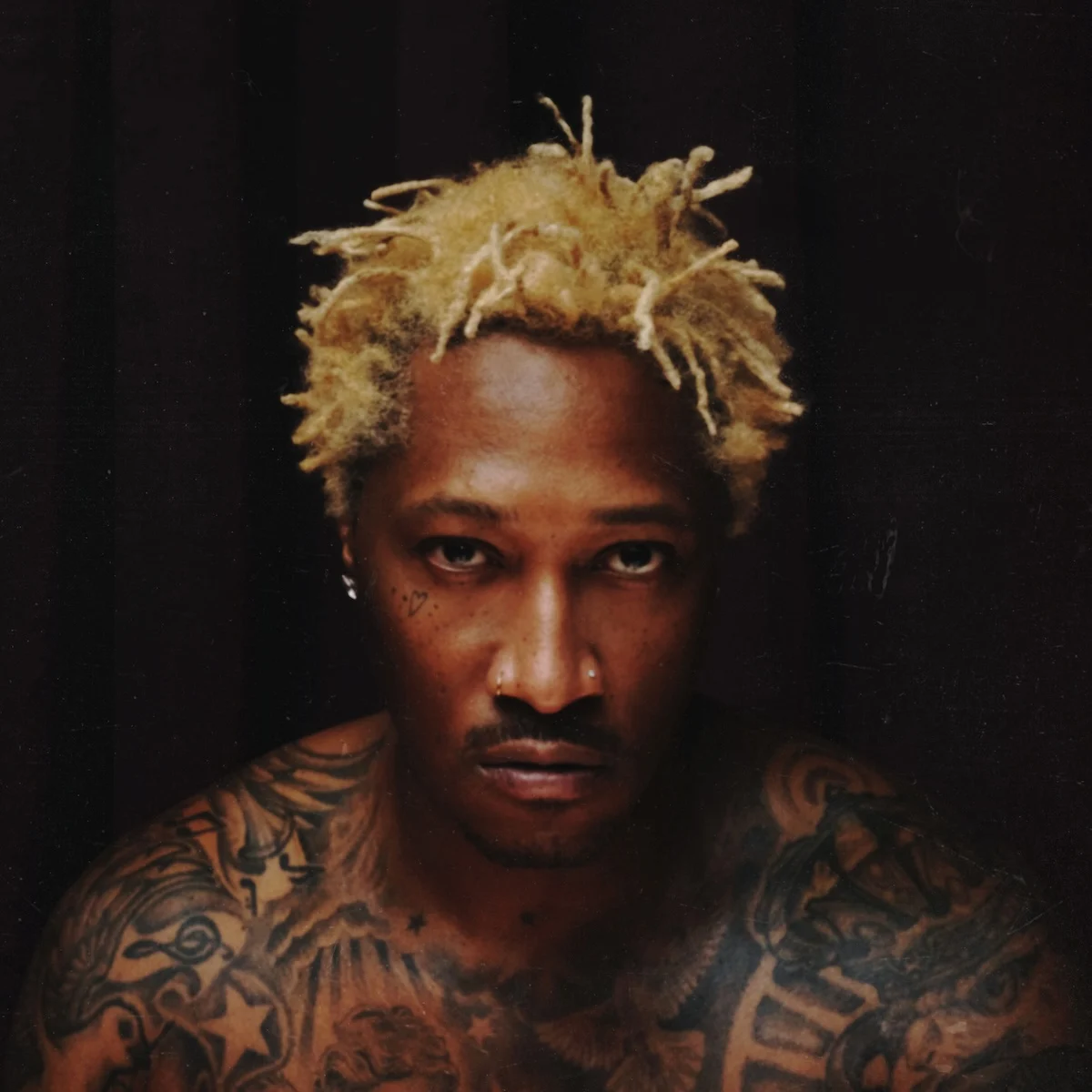
For over a decade, Nayvadius DeMun Wilburn—known globally as Future—has occupied a singular, untouchable tier in the hip-hop pantheon. From the trap-infused grit of DS2 to the atmospheric, introspective depths of his work with Metro Boomin, he has been the architect of a sound that defined a generation. Yet, as he enters the mid-2020s, the Atlanta icon faces a new challenge: the burden of his own legend. With his latest studio effort, The Real Me, Future promised an unfiltered look into his humanity. Instead, the project serves as a masterclass in deflection, leaving fans and critics to wonder if the "real" Future is simply a persona that has become too entrenched to discard.
The Premise: An Introspective Mirage
The marketing campaign for The Real Me was built on the promise of radical honesty. Ahead of the album’s release, Future teased the lead single, "Radio," a track that explicitly rejects the commercial expectations of the mainstream. In it, he raps, "A lot of n****s want the spot when I don’t even want the crown / Already legendary and never tryna talk about it." The lines suggest a man ready to shed the armor of the "superstar" and confront the man underneath.
However, the album’s opening moments immediately signal a disconnect. The track "Fukk a Interview" kicks off with a soundscape reminiscent of an apocalyptic storm, only to be interrupted by a vocal sample from comedian Afroman regarding his recent legal victory over law enforcement. By invoking themes of "freedom of speech" and "power to the people," the intro sets a high bar for political and personal discourse. But as the record progresses, the depth promised by this political overture evaporates, replaced by the same well-worn tropes that have populated Future’s discography for years.
Chronology of a Career: From Dungeon Family to Stagnation
To understand the current state of Future’s output, one must look at the lineage from which he emerged. As a product of the legendary Dungeon Family—the creative collective that birthed Outkast and Goodie Mob—Future inherited a tradition of musicality and Southern storytelling.
- 2015: The release of DS2 solidified Future’s status as a trap innovator, setting a high-water mark for the subgenre that he has spent years chasing.
- 2016: Future famously denied his reliance on substances during a candid interview with French outlet Clique TV, a moment that marked the beginning of his complex relationship with public truth-telling.
- 2024: The collaborative album WE DON’T TRUST YOU with Metro Boomin reignited the industry’s fascination with rap beef, specifically through the "Like That" diss track involving Kendrick Lamar.
- 2025-2026: Future distanced himself from the resulting fallout, publicly claiming he was unaware of any "beef," a stance that further solidified his reputation for calculated, albeit confusing, public statements.
The Real Me arrives in the wake of this turbulence, yet it feels like an attempt to retreat into the safety of the status quo rather than an exploration of the artist’s evolution.
Supporting Data: The Anatomy of a Formula
The primary critique of The Real Me is not a lack of talent, but a lack of progression. Future is an undeniably gifted songwriter, yet he has become a prisoner of his own success. On tracks like "Konnichiwa" and "Snow in Skyami," the production—handled by a rotating cast of heavy hitters like Pharrell Williams, Southside, and TM88—is technically sound but thematically hollow.
While the beats are crisp and the flows are as nimble as ever, the lyrics feel recycled. When Future raps about "heroin in my cup" on the track "Weight Up," the line lands with the weight of a ghost. It lacks the visceral, dangerous energy of his 2015 output because it feels performative rather than confessional. The album is essentially a refinement of the "Super Future" persona, which, while commercially viable, fails to fulfill the album’s titular promise of revealing the "real" man.
Official Responses and Public Perception
The silence regarding the album’s shortcomings is perhaps as loud as the music itself. Future has notably avoided traditional promotional interviews for The Real Me, instead engaging in cryptic social media polls—such as asking fans to guess the features on an album that ultimately contains none.
This decision to operate in a vacuum reflects a broader trend in his career: an aversion to accountability. Throughout his career, he has often dismissed his own history, famously claiming that the 2015 collaborative project What a Time to Be Alive "never happened." This pattern of revisionist history makes it increasingly difficult for the listener to find an anchor of truth in his music. If the artist treats his own discography as a fluid, negotiable narrative, how can the audience be expected to discern which parts of his art are genuinely personal?
Implications: The Trust Gap
The most significant implication of The Real Me is the erosion of the "trust" factor between the artist and his core audience. By framing the project as an intimate revelation and then delivering a standard-issue trap album, Future risks alienating the fans who have grown alongside him.
The "Big Three" debate, which dominated the conversation in 2024, highlighted that listeners are currently craving authenticity. They want rappers who engage with the reality of their positions—the isolation of fame, the weight of their choices, and the complexity of their relationships. Future’s choice to remain in "cruise control" suggests he may not be ready to bridge the gap between the persona and the person.
A Critical Crossroads
Future’s legacy is already cemented; he is, by any metric, a titan of Southern hip-hop. But The Real Me raises a sobering question about the trajectory of his career. Is he capable of evolving past the hedonistic, drug-fueled narratives that made him famous, or has he become a character that he is no longer allowed to step out of?
The album’s reliance on past glories—evidenced by the inclusion of an Andre 3000 clip from the The Wizrd documentary—only serves to highlight the current void. Andre 3000 speaks of "pain" being the driving force behind Future’s art, but in 2026, that pain sounds less like a revelation and more like a brand.
For the listener, the takeaway is bittersweet. The Real Me is not a bad album by traditional metrics; it is polished, well-produced, and filled with the addictive rhythms that have made Future a household name. However, it is a missed opportunity. In an era where hip-hop is undergoing a massive shift toward vulnerability and narrative complexity, Future has chosen to stand still. He remains, as he has always been, a master of the mask—but for the first time, one cannot help but wish he had the courage to take it off.
As the music fades, the listener is left with a paradox: the most honest thing Future could have done was to admit he wasn’t ready to show us the "real" him. By pretending otherwise, he has crafted an album that is technically proficient but spiritually empty, a mirror that reflects everything we already knew and nothing of what we hoped to find.
 Pevita Pearce
 Asro
Asro
 Lina Irawan
