

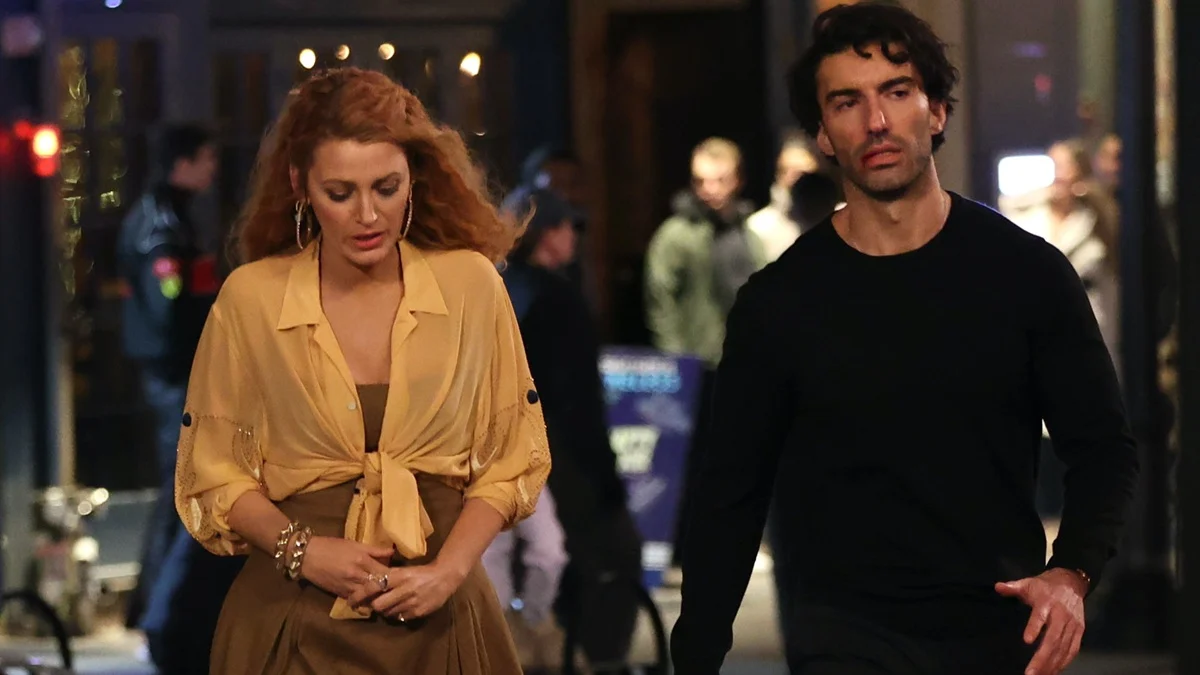
The resolution of a high-profile legal dispute between Hollywood A-listers often leaves a trail of speculation, but few have gripped the public imagination quite like the friction between Blake Lively and Justin Baldoni. Following the conclusion of a contentious legal battle—stemming from their collaboration on the screen adaptation of Colleen Hoover’s It Ends With Us—the two parties have retreated into divergent post-litigation strategies. While an out-of-court settlement was reached on May 4, effectively closing the case files, the emotional fallout continues to reverberate through the industry.
Main Facts: A Fracture Behind the Scenes
The legal skirmish began when Blake Lively initiated a lawsuit against her co-star and director, Justin Baldoni, alleging sexual harassment and accusing him of spearheading a coordinated digital smear campaign designed to erode her professional reputation. Baldoni, who maintained his innocence throughout the proceedings, responded with a robust defamation countersuit, setting the stage for what many feared would be a protracted and damaging public trial.
However, the courtroom drama was averted on May 4 when the parties reached an out-of-court settlement. While the specific terms of the agreement remain under a strict non-disclosure veil, the public perception of the fallout has been dictated by what has happened since. On July 7, Justin Baldoni and his wife, Emily, released a candid, extended video on Instagram. In the footage, the couple opened up about the profound emotional toll the litigation took on their personal lives and their family, describing the process of “healing” after what they characterized as an “extremely traumatic” ordeal.
Despite the public nature of Baldoni’s statement, Lively has chosen a path of stoic silence. According to industry reports, including insights from media commentator Rob Shuter, Lively viewed the video in its entirety but remains unmoved, viewing the gesture as an attempt by Baldoni to “recast himself as the victim.”
Chronology: From Creative Collaboration to Legal Confrontation
To understand the intensity of the current silence, one must examine the timeline of a relationship that shifted from professional partnership to legal combatants.
- The Production Phase: Filming for It Ends With Us began with high expectations, given the book’s immense popularity. Reports of on-set tension began to circulate, though they were initially dismissed as rumors of creative differences.
- The Filing: Tensions escalated significantly when Lively filed her suit, alleging a pattern of behavior that crossed professional boundaries.
- The Countersuit: Baldoni’s legal team immediately pushed back, filing a defamation countersuit that accused Lively of fabricating narratives to damage his standing in the industry.
- The Settlement: On May 4, the legal dispute reached an unexpected conclusion. With both sides agreeing to an out-of-court settlement, the risk of a public trial was neutralized.
- The July 7 Video: Two months post-settlement, the Baldonis broke their silence, providing their perspective on the psychological weight of the legal battle.
- The Current Standstill: As of late July, Lively remains silent, reportedly instructed by her team to avoid further engagement, while her inner circle grapples with the fallout.
Supporting Data: The Anatomy of a Public Relations Conflict
The conflict between Lively and Baldoni serves as a case study in modern reputation management. When a celebrity is accused of a “smear campaign,” the digital battlefield becomes the primary theater of operations.
For Baldoni, the July 7 video was an attempt to regain control of his narrative. By involving his wife, Emily, he sought to humanize the “traumatic” experience, shifting the focus from the legal technicalities of the lawsuit to the human cost of public defamation. However, the efficacy of this strategy is debated. In the age of social media, “victim-recasting” is a frequent accusation leveled against public figures who speak out after a legal resolution.
Lively’s reaction—or lack thereof—is calculated. Sources close to the actress suggest that her silence is not a sign of weakness, but a tactical decision. By refusing to respond to the video, Lively effectively denies Baldoni the “news cycle” he might be seeking. This approach—starving a controversy of oxygen—is a classic crisis management technique used to ensure that a story loses momentum before it can inflict further damage.
Official Responses and Internal Dynamics
While the legal entities have gone quiet, the internal dynamics of the camps involved tell a more volatile story. The most significant revelation following the video’s release concerns the reaction of Lively’s husband, actor Ryan Reynolds.
While Lively is reportedly focused on maintaining a position of calm, sources indicate that Reynolds is significantly more “enraged” by the situation. This creates a dichotomy within the Lively-Reynolds household: the desire to move forward versus the instinct to defend against what they perceive as a revisionist narrative.
A Hollywood insider commented on the situation: “Justin wants to tell his story, but Blake and Ryan realize that in this particular climate, the most powerful statement they can make is silence. Engaging with him would only validate his platform. They want this chapter closed, and they are willing to weather the social media noise to ensure it stays closed.”
Implications: The Future of Celebrity Dispute Resolution
The implications of this case extend far beyond the individuals involved. It highlights a growing trend in Hollywood where legal disputes are increasingly mediated by public opinion long before they reach a judge.
The Erosion of Privacy
The fact that a settlement was reached but still resulted in a public video from one party suggests that “settlement” no longer implies a “ceasefire.” In the digital era, the end of a lawsuit is merely the beginning of the branding war. The public now expects a “confessional” or a “statement” following any major controversy, and failure to provide one is often interpreted as an admission of guilt.
The Role of Social Media in Litigation
The use of Instagram as a platform for post-litigation commentary is a dangerous development for legal teams. Statements made in such videos, while not under oath, can potentially jeopardize the terms of non-disclosure agreements if they are interpreted as violating the spirit of the settlement. The Baldonis’ decision to speak out is a gamble—it seeks to repair their public image but risks reopening old wounds that the settlement was intended to cauterize.
The Strategic Value of Silence
Lively’s approach may set a new precedent for how A-list stars handle public accusations. In a culture that demands immediate reaction and constant engagement, the refusal to participate in a "he-said, she-said" cycle requires immense discipline. By prioritizing her peace of mind and the finality of the legal settlement over the temptation to retort, Lively is effectively removing herself from the power dynamic that Baldoni’s video seeks to establish.
Conclusion: A Lingering Tension
The dust has settled on the legal documents, but the air in Hollywood remains thick with the friction of this unresolved interpersonal conflict. Justin Baldoni’s attempt to find closure through public transparency has been met with a cold, calculated silence from the other side.
For the public, this is a compelling narrative of conflicting perspectives—a story about the subjectivity of truth and the trauma of public exposure. For those involved, it is a stark reminder that in the modern entertainment industry, the courtroom is only one arena of conflict. The real battle is fought in the minds of the audience, and sometimes, the loudest statement one can make is to simply say nothing at all. As the news cycle churns forward, the industry waits to see if this silence will indeed hold, or if the pressure of the ongoing narrative will force a response from the Lively camp. For now, however, the parties remain in their respective corners, bound by a settlement that ended the lawsuit, but failed to resolve the divide.
 Neng Nana
 Azzam Bilal Chamdy
 Nana
Nana
