

The Pinnacle of an Iconic Career: A Three-Night Residency
New York City witnessed a seismic shift in the cultural landscape this past weekend as JAY-Z descended upon Yankee Stadium for a career-defining, three-night anniversary residency. Dubbed the "JAY30" celebration, the event serves as both a retrospective of his monumental discography and a testament to his enduring legacy within the music industry. The residency is meticulously structured to honor two of his most influential projects—1996’s Reasonable Doubt and 2001’s The Blueprint—before concluding with an "Extra Innings" finale that promises to encompass the breadth of his three-decade career.
The atmosphere on Friday night was electric, charged with the palpable history of the Bronx and the gravity of an artist returning to his home turf. As the lights dimmed over the iconic stadium, it became clear that this was not merely a concert; it was a cultural pilgrimage. Fans from across the globe converged on the venue, marking a milestone that celebrates not only the longevity of the music but the evolution of the man behind the microphone.
Chronology of an Unforgettable Opening Night
The opening night of the residency focused heavily on the seminal work that started it all: Reasonable Doubt. Released in 1996, the album remains a cornerstone of East Coast hip-hop, characterized by its intricate storytelling and gritty, sophisticated production.
The Power Couple’s Surprise Synergy
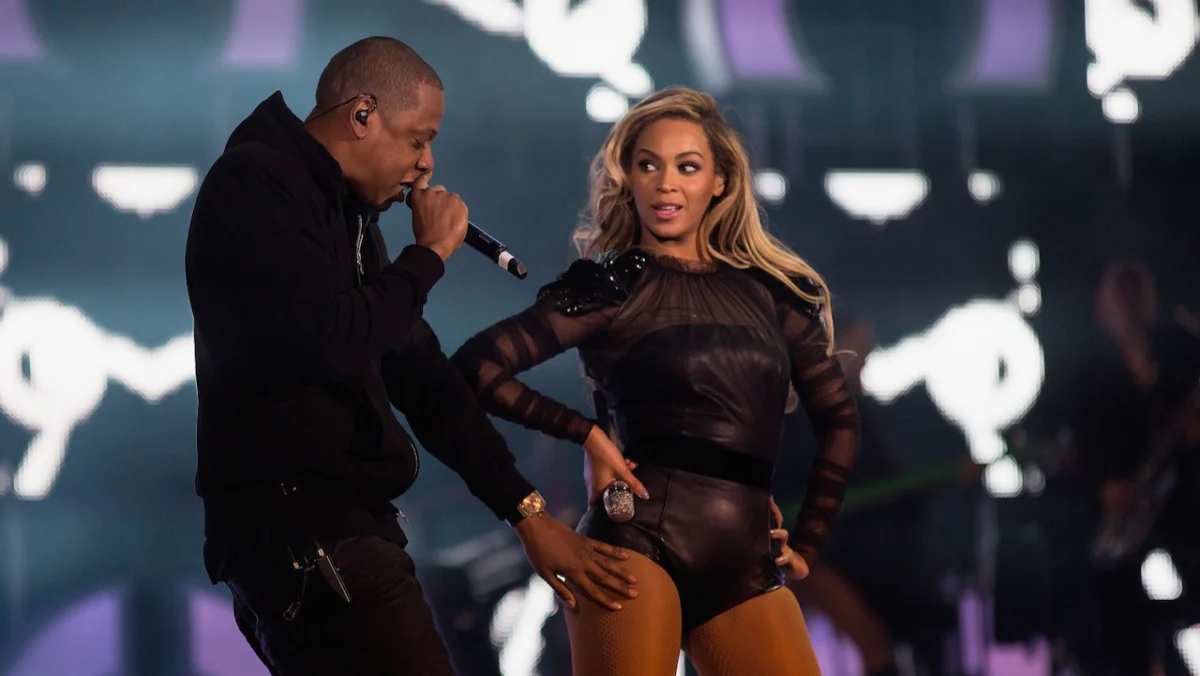
The evening reached an early, thunderous crescendo when JAY-Z brought out his wife, Beyoncé, to assist with the album’s iconic opener, "Can’t Knock the Hustle." Subbing in for Mary J. Blige—who provided the original vocal hook—Beyoncé’s appearance was a masterstroke of performance art. Her commanding stage presence transformed the classic track, bridging the gap between the mid-90s boom-bap era and the modern-day dominance of the Carter household. The chemistry between the two was undeniable, grounding the grandeur of the stadium setting in an intimate, collaborative spirit that resonated deeply with the 50,000-plus in attendance.
The Reconciliation of Titans
If the appearance of Beyoncé served as the night’s emotional anchor, the arrival of Nas provided its historical climax. For decades, the rivalry between JAY-Z and Nas defined the competitive spirit of New York rap, a tension that famously culminated in the "Takeover" versus "Ether" era. Seeing the two legends share the stage in the Bronx—performing "Dead Presidents" and Nas’s own anthem "N.Y. State of Mind"—was a symbolic peace treaty that had been signed long ago but was now being celebrated in the light of day. The synergy between the two icons reminded the audience of a time when the stakes of hip-hop were life-defining, turning the stadium into a space of collective nostalgia and mutual respect.
Supporting Data: The Impact of Reasonable Doubt and The Blueprint
To understand why Yankee Stadium was chosen for this celebration, one must look at the numbers and the cultural footprint of the two albums being honored.
Reasonable Doubt did not initially reach the commercial heights of JAY-Z’s later work, but it set the template for the "hustler-turned-mogul" narrative. With tracks like "Brooklyn’s Finest" and "Can’t Knock the Hustle," it established JAY-Z as a lyrical heavyweight capable of balancing street credibility with high-fashion ambition.
Conversely, The Blueprint, released on the morning of September 11, 2001, serves as the definitive turning point in his career. It marked the transition from street-level rapper to global pop-culture phenomenon. The album’s production—led by Kanye West, Just Blaze, and Bink—changed the sound of hip-hop, moving away from the synthesizer-heavy G-funk era toward soulful, sample-based beats.
The "JAY30" residency serves as a bridge between these two worlds. By selling out three nights at Yankee Stadium, JAY-Z is not just celebrating nostalgia; he is quantifying his influence. His ticket sales consistently rank in the top tier of live music, proving that even thirty years into his career, his ability to mobilize fans remains unparalleled.
Official Responses and Social Media Echoes
The social media landscape ignited shortly after the performances concluded. Official outlets like Variety and Complex were quick to highlight the magnitude of the guest appearances.
"Jay-Z opens his ‘Reasonable Doubt’ 30th anniversary show at Yankee Stadium by bringing out Beyoncé for ‘Can’t Knock the Hustle,’" Variety posted on X (formerly Twitter), accompanied by footage of the rapturous crowd. The clip quickly went viral, serving as a digital centerpiece for the night’s proceedings.
Similarly, Complex Music shared the moment Nas took the stage, with fans commenting that the sight of the two legends together felt like "the healing of a generation." While neither artist has released a formal press statement regarding the specific logistics of the surprise appearances, the energy in the stadium spoke louder than any publicist’s note. The decision to prioritize organic, high-impact collaborations underscored JAY-Z’s commitment to providing a curated experience rather than a rote performance.
Implications for the Future of Hip-Hop
The "JAY30" residency is a profound statement on the maturation of hip-hop as a performance art form. For years, the genre was criticized for lacking the longevity of rock and roll or jazz, with critics often suggesting that rappers had a "shelf life." JAY-Z’s residency at Yankee Stadium effectively dismantles that narrative.
The Stadium Era of Hip-Hop
By hosting a multi-night residency at one of the most recognizable venues in the world, JAY-Z is signaling a new phase for hip-hop artists. This is no longer just about clubs or theaters; it is about the "legacy show." This sets a new benchmark for other artists of his generation—such as Nas, Eminem, and OutKast—to curate their own multi-night retrospectives. It suggests that hip-hop is moving into an era of "institutionalization," where the discography is treated with the same reverence as the Great American Songbook.
The Carter Legacy
Furthermore, the inclusion of Beyoncé highlights the shifting dynamics of power within the industry. The Carters have become the primary architects of modern celebrity, and their collaborative performances act as a reinforcement of their status as the industry’s first family. By integrating his personal history with his professional milestones, JAY-Z creates a brand that is both accessible and aspirational.
A Look Toward the Finale
As the residency progresses through the Blueprint night and the final "Extra Innings" show, the anticipation is only building. Industry analysts expect the finale to feature further surprise guests, potentially including those who helped define the Roc-A-Fella Records era.
The success of these first shows confirms that JAY-Z’s influence has not waned. If anything, the passage of time has only sharpened the edges of his legend. As he stands on that stage in the heart of the Bronx, he is not just performing for a crowd; he is archiving the story of a culture that rose from the concrete to conquer the world. The "JAY30" residency is more than a concert series; it is a coronation, confirming that while the hustle may have changed, the king remains firmly on his throne.
Conclusion
The opening night at Yankee Stadium proved that JAY-Z remains the quintessential master of ceremonies. From the haunting opening notes of "Can’t Knock the Hustle" with Beyoncé to the earth-shaking reunion with Nas, the event successfully wove together the disparate threads of a thirty-year career. As the residency moves forward, it leaves the music industry with a clear takeaway: hip-hop has officially entered its classic phase, and JAY-Z is leading the way with a vision that is as ambitious as it is enduring. Whether you are a long-time fan of the Reasonable Doubt era or a newcomer to the fold, the "JAY30" celebration is a reminder that the best stories are the ones that continue to evolve, even decades after they were first told.
 Muslim
 Pevita Pearce
 Evan Lee Salim
