

After more than a decade of relative seclusion from the director’s chair, Oscar-winning filmmaker Peter Jackson has signaled a definitive return to feature film-making. The visionary behind The Lord of the Rings trilogy has spent the last twelve years primarily occupied with high-concept documentary work and large-scale production roles. However, in an exclusive interview commemorating the 30th anniversary of his cult-classic horror-comedy The Frighteners, Jackson confirmed that he is ready to step back into the spotlight—starting with the long-gestating sequel to Steven Spielberg’s 2011 hit, The Adventures of Tintin.
The Long Road to Tintin: A Delayed Collaboration
The creative partnership between Peter Jackson and Steven Spielberg has been one of Hollywood’s most intriguing "what-ifs." When the original The Adventures of Tintin was released in 2011, the project was envisioned as a two-part collaborative effort. The plan was elegant in its simplicity: Spielberg would direct the first installment, with Jackson serving as producer, and the two would then swap roles for the sequel.
"Fran [Walsh] and I have been writing a script for the next Tintin film," Jackson revealed to Gold Derby. "The idea was that 15 years ago, Steven Spielberg directed a Tintin film and I produced it. The idea was that then I was supposed to go straight onto a second one, and we’d swap the roles, so I’d direct the second one and he’d produce it. It’s just taken 15 years to get there, unfortunately, a bit late. But it’s a timeless story. So we just wrapped up [the script]. So, probably the next film that I’d actually direct is a Tintin movie."
While the 15-year delay is significant by industry standards, the news has energized fans of the Hergé comic series. The first film utilized groundbreaking performance-capture technology to bring the intrepid reporter to life, and Jackson’s return to the director’s chair promises a continuation of the high-fidelity animation that defined the original’s aesthetic.
A Decade of Documentary and Reflection
Jackson’s hiatus from narrative features has not been a period of inactivity. Since the 2014 release of The Hobbit: The Battle of the Five Armies, the filmmaker has pivoted toward historical preservation and documentary storytelling. His work on They Shall Not Grow Old (2018) revolutionized the restoration of World War I footage, while his exhaustive work on The Beatles: Get Back (2021) provided an unprecedented, intimate look at the Fab Four.

Despite this success, the reason for his absence from feature films remained a topic of speculation until earlier this year. In a candid reflection recorded for a theatrical re-release of The Lord of the Rings: The Return of the King, Jackson attributed his reluctance to helm new drama projects to the profound loss of his longtime cinematographer, Andrew Lesnie.
"I think his death changed my creative path," Jackson admitted. "The result is for 11 or 12 years, I haven’t made a drama film because that would require me to build a relationship with another DP [Director of Photography]." This admission shed light on the intensely personal nature of filmmaking for Jackson, whose craft is deeply rooted in the trust and creative synergy shared with his key collaborators.
Re-entering Middle-earth: The Hunt for Gollum
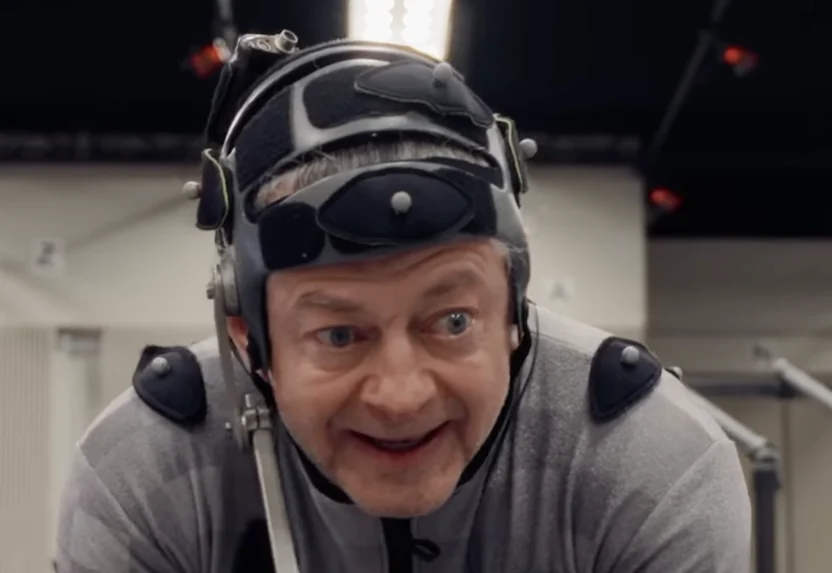
Before he fully transitions into the director’s chair for Tintin 2, Jackson is acting as a guiding hand for a return to his most famous cinematic universe. Production has officially commenced on The Lord of the Rings: The Hunt for Gollum, a project directed by Andy Serkis, who famously portrayed the creature through performance capture in the original trilogy.
"We’re about four days into shooting," Jackson shared during the interview. "I’m a producer on it, but Andy’s directing and we started shooting that on [June 29]."
The transition of leadership from Jackson to Serkis is being viewed as a seamless handoff, given their decades-long professional relationship. Richard Taylor, the Weta Workshop founder and long-time collaborator, emphasized the positive atmosphere on set. "We’re loving working with Andy, though we obviously miss Pete being at the helm as always," Taylor noted. "But it’s joyful. I was on set on Monday and just seeing Andy fitting into it so well and the crew were just there in support of him so fully because he’s an old friend now."

Behind the Scenes: The "Machine" Never Stops
The logistical demands of a franchise as sprawling as The Lord of the Rings remain immense. During the discussion, Richard Taylor provided a glimpse into the relentless pace of pre-production. Taylor, who was balancing the interview with the high-pressure demands of the production, noted, "The machine never stops. I had to approve something that needs to get built instantly. So we’re as deep into it as you could possibly be."
To illustrate the technical precision required for the new Middle-earth project, Taylor showcased a meticulously crafted model of Bag End. The model was designed not just for visual reference, but as a functional tool featuring a glass lens that allows filmmakers to scout angles and check character scale. "You can take the lens off and mount your cell phone on it so you can film it," Taylor explained, highlighting the innovative, hands-on approach that continues to characterize the Weta-Jackson creative philosophy.
Implications for the Future of Franchise Filmmaking
The implications of these announcements are twofold. First, they mark a major shift in the creative landscape of blockbuster cinema. Jackson’s return to the director’s chair for Tintin 2 suggests a potential move back toward large-scale, auteur-driven animation that relies on performance capture to bridge the gap between acting and digital spectacle.
Second, the Hunt for Gollum project represents a new phase for the Lord of the Rings franchise. By empowering Andy Serkis to direct, Jackson is essentially acting as a mentor, ensuring the legacy of the original trilogy is maintained while allowing for a new directorial voice to emerge within that established framework.
While no official production schedule for Tintin 2 has been released, the fact that the script is finalized is a major milestone for a project that has been in "development hell" for over a decade. Meanwhile, the clock is ticking on The Hunt for Gollum, which currently holds a scheduled release date of December 2027.

Conclusion: A Legacy in Motion
Peter Jackson’s career has been defined by his ability to merge cutting-edge technology with deeply human storytelling. His return to the director’s chair is not merely a career move; it is a signal that the filmmaker has moved through a period of personal reflection and is ready to apply his unique vision to new, ambitious projects. Whether through the whimsical, high-stakes world of Tintin or the return to the familiar landscapes of Middle-earth, audiences can expect the same meticulous attention to detail and narrative passion that have made Jackson one of the most influential directors of the 21st century.
As the industry looks toward 2027 and beyond, the "machine" that Richard Taylor describes is clearly shifting gears. With Jackson back in the fold and high-profile projects currently in motion, the next few years promise a resurgence of the kind of epic, immersive cinema that audiences have been eagerly anticipating since the conclusion of The Hobbit cycle.
 Nana Wu
 Iffa Jayyana
 Dwi Wanna
