

Oxford, England, is a city that breathes literature. Often referred to as the "City of Dreaming Spires," it is a landscape dominated by the golden-hued limestone of the University of Oxford’s storied colleges and the needle-like silhouettes of ancient churches that puncture the skyline. For the literary-minded, this is hallowed ground. It is the city where C.S. Lewis and J.R.R. Tolkien once paced the cobblestone streets, trading ideas that would eventually bloom into The Lord of the Rings and The Chronicles of Narnia.
However, beyond the academic legacy and the shadow of the Bodleian Library, there lies a quieter, more personal side of Oxford—a place that serves as a sanctuary for those looking to disconnect from the digital noise and reconnect with their creative spirits. Recently, I embarked on a personal writing retreat to this historic hub, seeking not just a place to sleep, but a base of operations for a gathering of friends. What I found was a delicate balance between the historic grandeur of the city and the modern comfort of a hidden, garden-centric oasis.
The Logistics of a Literary Escape: Selecting the Right Base
When planning a group retreat—especially one involving writers—the selection of accommodation is a high-stakes decision. The criteria were specific: proximity to the train station for accessibility, a location within walking distance of central Oxford’s intellectual pulse, and, perhaps most crucially, a three-bedroom, three-bathroom configuration. When traveling with friends, privacy is the currency of harmony, and ensuring each guest has a dedicated space is essential for a stress-free experience.

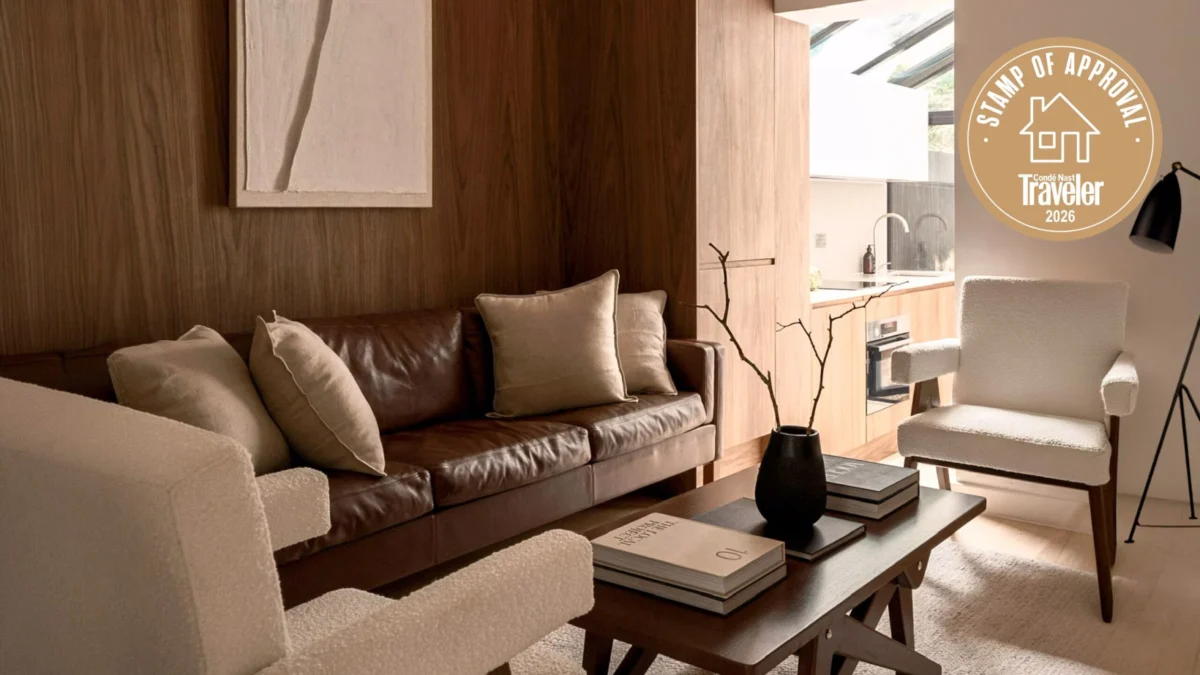
We settled on a charming garden flat that checked every box. Located just a ten-minute walk from the city’s heart, the property offered a seamless blend of convenience and seclusion. The interior design leaned heavily into a Scandi-minimalist aesthetic—clean lines, muted tones, and an absence of clutter that felt profoundly restorative. The kitchen, while perfectly appointed for a chef, served mostly as our hub for morning coffee rituals and, inevitably, late-night pours of Scotch during impassioned debates about narrative structure and character arcs.
The Hidden Architecture of the Garden Flat
The property’s most striking feature, however, was not its interior but its connection to the outdoors. The flat included a private courtyard that acted as a verdant lungs for the living space. During a crisp, golden week in June, this outdoor room became our primary workspace. Listening to the melodic trills of the European robin, I found myself transitioning from a city dweller into an accidental birdwatcher—a testament to the surprising natural respite the property provided in an urban environment where green spaces are frequent but rarely this intimate.
The Mystery of the Third Bedroom: A Chronology of Discovery
The journey began with a touch of farce. Upon our arrival, our group of three struggled to locate the third bedroom. We reviewed the provided floor plan, scoured the hallways, and checked every closet, yet the math simply didn’t add up. It was not until the second night that we uncovered the truth: the "third bedroom" was not a room at all, but a standalone, shed-like structure situated in the rear courtyard.

This discovery transformed the stay. Once claimed, this detached space proved to be the most tranquil retreat on the property. It featured a cleverly concealed Murphy bed that folded over a couch, maximizing the limited square footage without sacrificing comfort. Furthermore, the shed boasted the most spacious of the three bathrooms, offering a modern, spa-like aesthetic that felt both luxurious and grounding. A pull-down desk provided the perfect station for early-morning writing sessions, where the only sound was the rustle of leaves against the glass and the occasional chime of a distant clock tower.
Exploring the Intellectual Landscape: Data and Observations
While the accommodation offered the perfect cocoon, the true allure of Oxford lies in its public accessibility. The city is a living museum, and its intellectual assets are open to those who know how to engage with them.
Accessing the Archive: The Radcliffe Camera
The Radcliffe Camera is perhaps the most iconic structure in the city. While it serves as a primary reading room for the Bodleian Library, it is not merely a monument; it is a functioning workspace. For travelers who are serious about their craft, applying in person for a reader’s pass provides a rare, visceral connection to the past. Sitting among students and faculty, surrounded by the heavy scent of old parchment and the focused silence of academic labor, one cannot help but feel the weight of centuries of scholarship. The energy is infectious—there is a palpable drive in the air as students prepare for final exams, a reminder of the relentless pursuit of knowledge that defines this city.

The Hidden Nooks: Turf Tavern
After hours of academic simulation, one requires a reprieve. The Turf Tavern is an essential stop, though its "hidden" status is well-earned. Tucked away down a narrow, winding alley, this pub is a relic of medieval engineering, bordered by the ancient city walls. Here, the atmosphere shifts from the studious to the social. It is the perfect place to nurse a pint and engage in the local pastime of eavesdropping on university gossip, which feels like a direct inheritance from the days of Lewis and Tolkien.
Curated Souvenirs: Scriptum
For those who prioritize the tactile nature of writing, Scriptum is more than a store; it is a temple. Located in the city center, it is a treasure trove of inkwells, hand-pressed leather journals, and fountain pens. The shop feels untouched by time. Selecting a feather quill for my daughter was an act of passing the torch—a tangible souvenir that serves as a reminder of the importance of the written word in a digital age.
The Peripheral Pleasures: Port Meadow and The Medley
Oxford is not just its spires; it is also its waterways. A short walk from our base took us to Port Meadow, a vast expanse of common land that offers a different perspective on the city. The walking path along the eastern bank of the River Thames leads to The Medley, a restaurant that has mastered the art of the leisurely evening. Our group spent hours here, watching dogs play in the shallows and enjoying an endless supply of chilled white wine. It was a reminder that even the most intellectual retreats require periods of utter, uncomplicated relaxation.

Implications for Future Travel: Why We Return
The success of this trip highlighted a shift in modern travel preferences. We are moving away from the "checklist" tourism—where one tries to see as many landmarks as possible in 48 hours—toward a more immersive, "slow travel" model. Whether it is a writing retreat, a family holiday, or a reunion of friends, the quality of one’s accommodation is the single most important factor in determining the quality of the trip.
The garden flat, with its blend of minimalist design and secret courtyard, provided more than just a bed; it provided a narrative arc to our journey. It taught us to look closer—to find the bedroom in the garden, the pub down the alley, and the history in the quietest corners of the library.
Key Takeaways for Travelers:
- Location is relative: While being "central" is vital, the ability to escape into a quiet garden is what makes a trip to a busy university town sustainable.
- Flexibility in design: Properties that utilize multi-functional furniture (like Murphy beds and wall-mounted desks) allow for a smaller footprint while maintaining a sense of luxury.
- The Power of Place: Selecting a home base that reflects the character of the city—in this case, one that prioritizes quiet study and outdoor reflection—enhances the overall experience significantly.
As I look back on the trip, it is not the grand architecture of Christ Church College that lingers most in my memory, but the quiet mornings in the courtyard, the sound of the robin, and the scratch of a fountain pen on paper in the shed at the back of the garden. Oxford is a place that invites you to write your own story. My advice to future travelers? Book the flat, explore the alleys, but most importantly, keep an eye out for the hidden rooms. You never know what you might find.
 Basiran
 Asro
Asro
 Evan Lee Salim
