

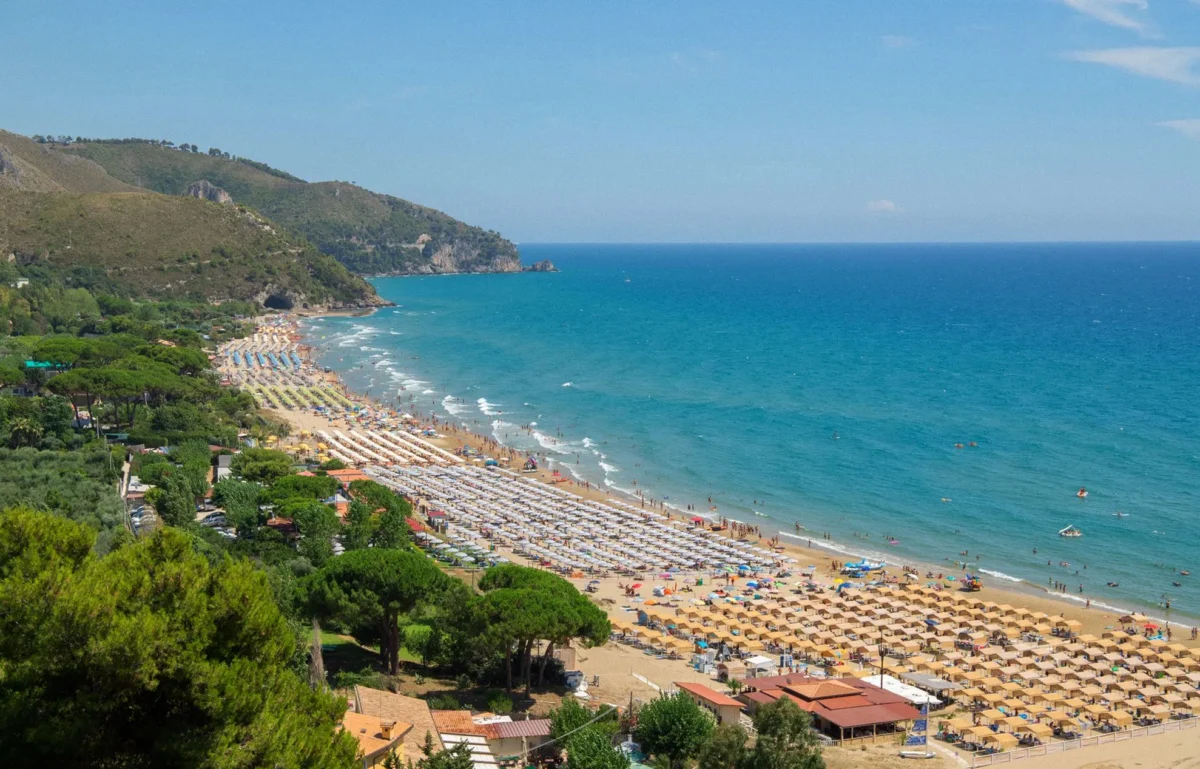
Veni, vidi, beachy. For centuries, travelers have flocked to Rome to marvel at the architectural ghosts of the Roman Empire, the baroque grandeur of its fountains, and the spiritual weight of the Vatican. Yet, beneath the sweltering Mediterranean sun, the city’s true secret lies just a short distance from the cobblestones: the pristine, sun-drenched coastline of the Lazio region. Whether you are looking for the vibrant social scene of Ostia or the tranquil, dune-backed beauty of Sabaudia, the beaches near Rome offer a necessary reprieve from the urban bustle.
The Evolution of the Roman Seaside: A Chronological Overview
The relationship between Rome and its coast is as old as the city itself. To understand why modern travelers head to the shore, one must look at the historical timeline of these seaside getaways.

Ancient Origins: The Port of Ostia
In antiquity, Ostia Antica served as the bustling harbor city for Rome. It was the gateway to the Mediterranean, a hub of commerce and naval power. Today, while the ruins remain a primary historical site, the modern town of Lido di Ostia has evolved into the city’s primary "neighborhood by the sea." Since the early 20th century, it has been the go-to destination for Romans looking to escape the summer heat.
Post-War Expansion: The Rise of the Stabilimenti
Following World War II, the Italian coast saw a massive proliferation of stabilimenti balneari—privately managed beach clubs. This era defined the Italian summer experience: rows of perfectly aligned umbrellas, dedicated lifeguard services, and on-site trattorias. This infrastructure allowed the Roman coast to move from a rugged wilderness to a highly curated leisure experience.

The Modern Era: Sustainability and Certification
In recent decades, the focus has shifted toward environmental stewardship. The introduction of the "Blue Flag" (Bandiera Blu) certification by the Foundation for Environmental Education has transformed the coastline. Today, beaches are evaluated on strict criteria including water quality, waste management, and coastal biodiversity, ensuring that the Roman shore remains a destination for both luxury and conservation.
Supporting Data: Why Rome’s Beaches are World-Class
While Rome is not a coastal city in the traditional sense, its proximity to the Tyrrhenian Sea is a logistical advantage that few other world capitals can claim.

Proximity and Accessibility
- Ostia: Only 30 minutes from the city center via the Roma-Lido railway. It is the most accessible, perfect for travelers with limited time.
- Santa Marinella: Approximately 45–60 minutes by regional train. Known for its clear waters and "Pearl of the Tyrrhenian" reputation.
- Sabaudia: Located roughly 90 minutes away, this destination offers a more rugged, nature-focused experience, characterized by expansive sand dunes and protected parklands.
The "Blue Flag" Distinction
The Blue Flag is not merely a label; it is a guarantee of excellence. Several beaches along the Lazio coast have consistently achieved this status, signaling that they meet high standards for:
- Water Quality: Regular testing ensures that bathing conditions are optimal and free from industrial pollutants.
- Safety: Mandatory lifeguard presence and clear emergency protocols.
- Environmental Education: Facilities that provide information on the local marine ecosystem, encouraging visitors to respect the dunes and protected sea life.
The Sensory Experience: A Day in the Life
To truly understand the appeal, one must look at the culture of the Roman beach day. It is a ritual. It begins with a stop at a local market—perhaps the Testaccio Market—to procure fresh goods. The classic Roman beach picnic is an art form: schiacciata sandwiches, crusty bread, salty prosciutto, and local seasonal fruits.

When you arrive, the contrast is stark. You transition from the noise of the Vespa and the claustrophobia of the ancient streets to the rhythmic lapping of the Tyrrhenian waves. Whether you opt for a private stabilimento with a butler and a reserved sunbed or a wild, free beach, the experience is quintessentially Italian.
Official Responses and Tourism Strategy
The Italian Ministry of Tourism, in conjunction with regional Lazio authorities, has recently ramped up efforts to promote "Coastal Rome" as a core pillar of the national tourism strategy.

"We are moving beyond the ‘museum city’ narrative," says an official from the Ente Nazionale per il Turismo (ENIT). "Our goal is to demonstrate that Rome is a holistic destination. By investing in the infrastructure of the coast—improving rail connections and supporting the Blue Flag initiatives—we are providing a more balanced, sustainable tourism model that eases the pressure on the historic center."
These improvements include:

- Integrated Transport: Efforts to harmonize the schedules of regional trains with city Metro lines, allowing for a seamless transition from the Colosseum to the sand.
- Waste Management: Stricter enforcement of waste collection on free beaches to maintain the natural landscape.
- Cultural Preservation: Protecting the seaside castles and historical fortifications that dot the coast, ensuring they are preserved for future generations rather than being swallowed by coastal development.
The Implications for the Modern Traveler
The shift toward the Roman coast represents a broader trend in luxury and leisure travel: the desire for "slow travel." Instead of rushing between monuments, the modern traveler is increasingly looking for the "Dolce Vita" experience—a life of sweetness and leisure.
How to Plan Your Coastal Excursion
- Avoid the Peak Weekend Rush: If possible, visit the beaches on Tuesday or Wednesday. The difference in crowd levels is significant, and the service at beach clubs is more personalized.
- Prioritize Quality Over Distance: While Sabaudia offers beautiful, wild dunes, if your time is limited, prioritize Santa Marinella for its crystal-clear water and ease of transport.
- Embrace the Local Cuisine: Do not rely on pre-packaged snacks. Explore the local coastal trattorias. The seafood in towns like Fiumicino is world-renowned, often caught fresh that very morning.
- Respect the Environment: When visiting the dunes of Sabaudia or the protected areas of the coast, remain on designated paths. These ecosystems are fragile and protected by law.
A New Chapter for the Eternal City
The future of Roman tourism is inextricably linked to its coastline. As climate change continues to impact global travel, the importance of maintaining clean, accessible, and well-managed beaches will only grow. For the traveler, this means that the "Eternal City" is no longer just a destination for history buffs; it is a versatile playground that bridges the gap between the grandeur of the past and the relaxation of the present.

As you plan your next trip to Rome, remember that the sand is only a short ride away. From the bustling shores of Ostia to the refined privacy of the coastline’s hidden coves, the Roman seaside offers a refreshing counterpoint to the city’s stone monuments. Whether you are lounging under a striped umbrella or swimming in the Tyrrhenian depths, you are participating in a tradition that connects you directly to the heartbeat of the Mediterranean.
In the words of the locals: Veni, vidi, beachy. You came, you saw, and you found the perfect place to rest.

Quick Reference: Recommended Stays in Rome
For those looking to balance city exploration with easy access to the coast, consider these accommodations:
- Hotel Vilòn: A masterclass in contemporary design. Nestled in a secret spot near the Palazzo Borghese, it provides a quiet sanctuary from which to launch both your city and coastal explorations.
- The St. Regis Rome: For those who prefer classic, opulent comfort, this historic "grand dame" offers impeccable service and a refined atmosphere, perfect for returning to after a long day in the salty sea air.
For more information on planning your trip, including transport schedules and beach facility details, consult the official Rome Travel Guide.
 Siti Muinah
