

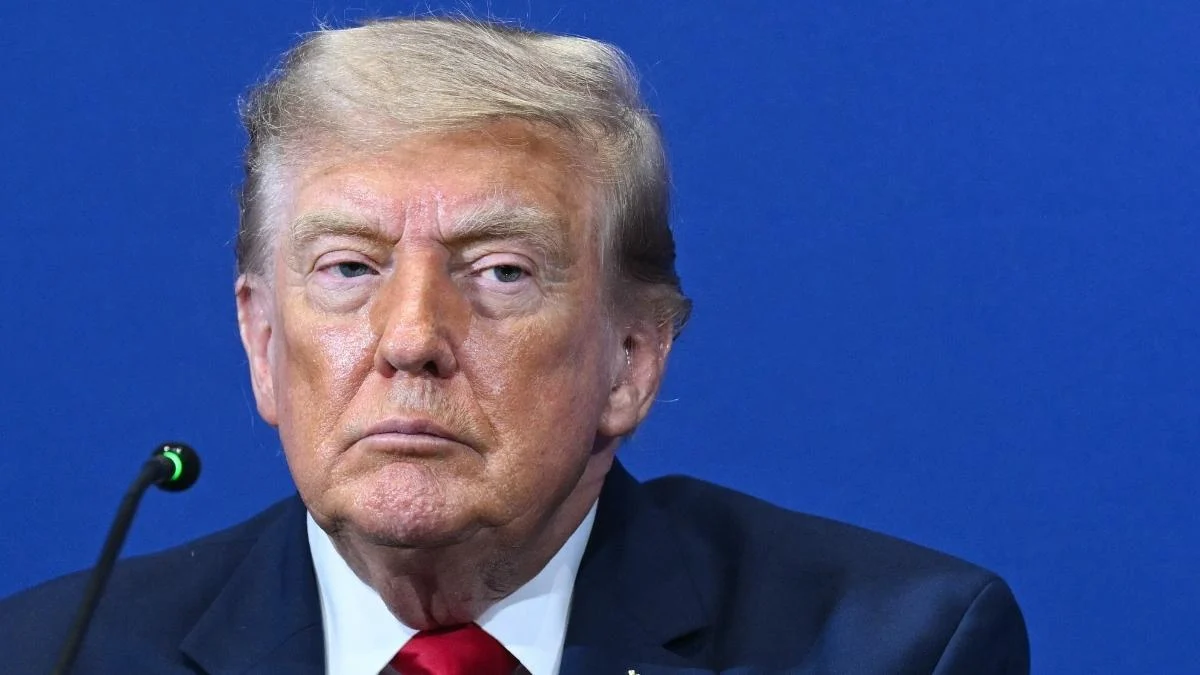
As the landscape of international education undergoes a period of significant geopolitical flux, the United States is preparing for a seismic shift in how it manages its foreign student population. Under the administration of Donald Trump, the Department of Homeland Security (DHS) has unveiled a series of rigorous visa regulations that threaten to dismantle the long-standing "duration of status" framework. These changes, aimed at tightening oversight and curbing potential visa overstays, are poised to reshape the academic and professional trajectories of hundreds of thousands of international students—a demographic that has long served as a vital pillar of the American economy and research ecosystem.
The Core Mandate: Ending "Duration of Status"
For decades, international students holding F-1 visas were granted "duration of status" (D/S). This system allowed students to remain in the United States for as long as they were actively pursuing their degree programs, regardless of the time required to complete them. It provided a level of flexibility that allowed for academic changes, research delays, and personal emergencies.
The new DHS directive fundamentally alters this paradigm. Under the proposed rules, most F-1 students will be restricted to a fixed period of admission, capped at a maximum of four years. For students in programs that historically require longer durations—such as specialized doctoral research or complex engineering degrees—this cap introduces a daunting element of uncertainty.
Furthermore, the grace period afforded to students upon the completion of their studies or Optional Practical Training (OPT) is set to be slashed from 60 days to a mere 30 days. This reduction significantly limits the window of time students have to secure employment, arrange for a change of status, or finalize their transition out of the country.
Chronology of a Regulatory Shift
The trajectory toward these changes has been marked by a series of administrative moves intended to prioritize national security and regulatory enforcement over the historically welcoming stance toward foreign scholars.
- Initial Policy Formulation: The conversation surrounding fixed-period admissions began early in the Trump administration’s first term, driven by concerns regarding visa overstays and the potential for abuse of the student visa system.
- Regulatory Drafting: Following extensive internal reviews, the DHS published the Notice of Proposed Rulemaking (NPRM), outlining the technical shift from D/S to a fixed-period model.
- The Transition Window: Recognizing the potential for chaos, the administration developed a transition plan for students already present in the U.S. These students are permitted to remain under the D/S framework for up to four additional years or until the completion of their current degree, whichever occurs first.
- Implementation Date: The government has signaled that the new system is slated to take full effect on September 17, placing immense pressure on universities and international student offices to prepare their cohorts for the impending bureaucratic shift.
Supporting Data: The Indian Student Demographic
The impact of these changes is not evenly distributed. According to the 2024-25 Open Doors Report, the United States remains a primary destination for global talent, but the demographic composition is heavily skewed toward specific regions.
With approximately 360,000 Indian students currently enrolled in U.S. institutions, India stands as the largest sender of international students to the country. This cohort contributes billions of dollars annually to the U.S. economy, not only through tuition and living expenses but through their significant contributions to STEM research and innovation. The new visa rules place a disproportionate burden on these students, many of whom navigate long-term academic paths that are now forced into a four-year, rigid administrative box.
Stricter Controls on Academic Mobility
Perhaps the most restrictive component of the new policy is the limitation on academic flexibility. The new regulations impose a "lock-in" period for undergraduate students:
- Undergraduate Restrictions: During the first year of their program, F-1 students are essentially barred from changing their majors or study programs, except under highly specific, pre-approved circumstances. This removes the freedom of exploration that is a hallmark of the American liberal arts system.
- Graduate Constraints: Graduate students face even greater hurdles. The new rules generally prohibit changes to a student’s field of study and place stringent restrictions on transferring to other institutions.
- Extension Complexity: Under the current system, students could often maintain status as long as they were making progress toward their degrees. Under the new system, they must formally apply for extensions through the U.S. Citizenship and Immigration Services (USCIS). This process requires the submission of extensive documentation, current biometric data, and, crucially, the payment of additional fees.
Failure to secure an extension before the expiration of the fixed period of admission will result in the student being deemed "unlawfully present." This status can trigger automatic visa revocation and lead to long-term bars from re-entering the United States, effectively ending a student’s academic or professional prospects in the country.
Official Responses and Stakeholder Concerns
The academic community, including major university associations and advocacy groups, has been largely critical of the changes. The American Council on Education (ACE) and other higher education bodies have argued that the rules impose an unnecessary administrative burden that will stifle the flow of international talent.
"By turning the visa process into a high-stakes, time-sensitive bureaucratic obstacle course, we risk discouraging the world’s brightest minds from choosing the U.S. as their destination," noted one representative from a major research university.
Conversely, proponents of the Trump administration’s policies argue that the changes are essential for "program integrity." DHS officials have maintained that a fixed-period admission model allows for better tracking of foreign nationals, ensuring that the student visa program is not used as a back-door mechanism for unauthorized residency or employment. They emphasize that the rules are designed to ensure that those who enter the country on a student visa are, in fact, engaged in a full-time, legitimate course of study.
Implications: A Shifting Global Landscape
The ramifications of these visa rules extend far beyond the classrooms of American universities.
1. The "Brain Drain" Risk
If the United States becomes perceived as a country that is unwelcoming or overly bureaucratic for international students, talent may simply migrate elsewhere. Competitor nations such as Canada, Australia, and Germany have spent the last decade actively courting international students with clear, accessible pathways to permanent residency and post-study work opportunities. A reduction in the U.S. international student population could lead to a decline in the pipeline of skilled workers for American tech and pharmaceutical industries.
2. Financial Stability of Universities
Many U.S. public and private universities rely heavily on the out-of-state and international tuition premiums to balance their budgets. A drop in international enrollment could trigger financial crises for mid-sized institutions that have invested heavily in infrastructure to attract global talent.
3. Diplomatic and Soft Power Impacts
International students are among the most effective tools of American "soft power." By studying in the U.S., these individuals build personal networks and gain exposure to American values and governance. By making the process of obtaining and maintaining a visa more arduous, the U.S. may be inadvertently diminishing its influence in emerging global markets, particularly in South Asia.
4. The Burden on International Offices
The administrative burden on university International Student and Scholar Services (ISSS) offices will increase exponentially. These offices will now be required to act as quasi-immigration paralegals, ensuring that every student’s paperwork is flawless and filed on time to avoid the dire consequences of "unlawful presence."
Conclusion: The Path Forward
As September 17 approaches, the higher education sector faces a period of intense preparation. For the 3.6 lakh Indian students and thousands of others from around the world, the "American Dream" of education is being recalibrated to include a new, rigorous layer of government scrutiny.
The question remains: will these measures successfully enhance national security, or will they fundamentally erode the competitive advantage that has made the U.S. the global leader in higher education for over a century? The answer will depend on how effectively the DHS handles the transition and whether the administration is willing to provide flexibility for students caught in the crosshairs of these new, rigid timelines.
For now, the message to international students is clear: the rules of engagement have changed, and the margin for error has vanished. Whether this policy serves as a catalyst for a more "secure" system or as a deterrent to global talent is a debate that will continue to echo through the halls of academia for years to come.
Tell us – Do you think Donald Trump’s new US visa rules will make it harder for international students to study in America? The answer, for many, is already written in the complexity of their impending visa applications.
 Neng Nana
 Azzam Bilal Chamdy
 Nana
Nana
