

Published July 16, 2026
In the rapidly evolving landscape of American whiskey, the most compelling stories are often those of redemption. For years, the "Olds"—the storied trio of Old Grand-Dad, Old Crow, and Old Overholt—languished on the bottom shelves of American liquor stores. Once the titans of the pre-Prohibition era, these brands had become synonymous with accessible, budget-friendly spirits, often overlooked by the burgeoning collector class. However, the James B. Beam Distilling Co., under the umbrella of Suntory Global Spirits, has spent the last half-decade orchestrating a calculated revitalization.
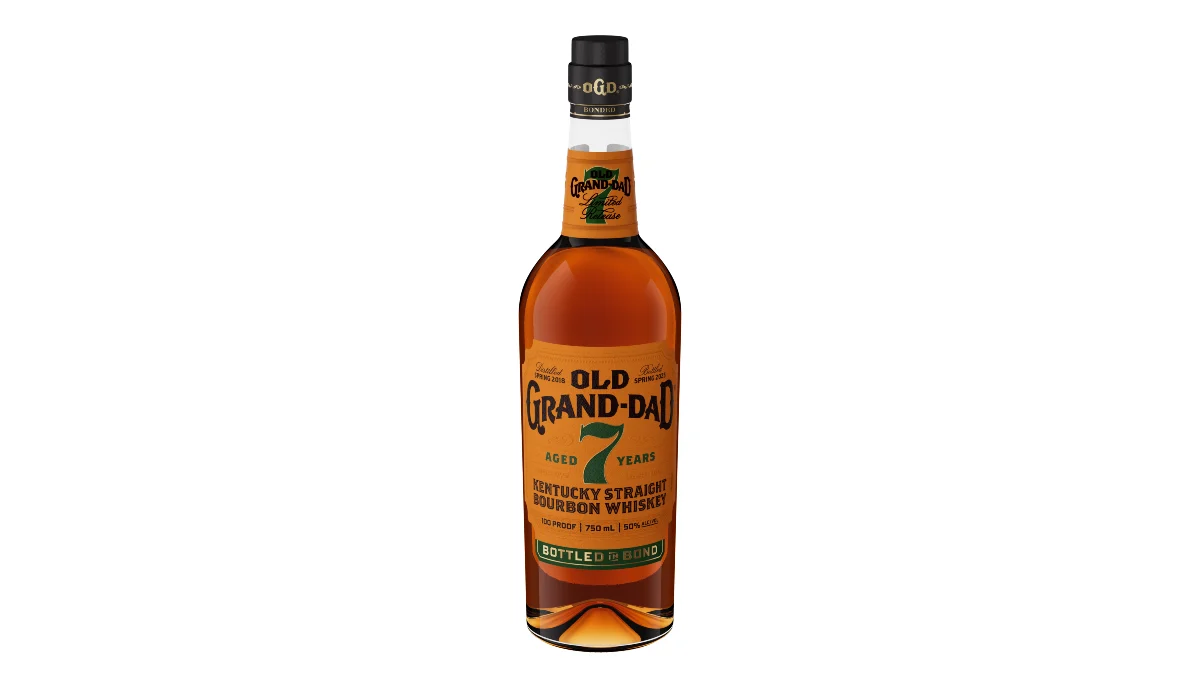
The latest chapter in this revival is the second release of the Old Grand-Dad 7-Year Bottled-in-Bond Bourbon. This expression is more than just a new label; it is a declaration that heritage brands deserve the same craftsmanship and patience typically reserved for high-end boutique releases.
Main Facts: The Return of the High-Rye Classic
The Old Grand-Dad 7-Year Bottled-in-Bond is a testament to the versatility of the Beam high-rye mashbill. For those unfamiliar with the brand’s DNA, it is important to note that Old Grand-Dad shares its genetic makeup with the cult-favorite Basil Hayden. While Basil Hayden is often lauded for its approachable, lower-proof profile, Old Grand-Dad represents the bolder, more rugged side of that same high-rye recipe.
At a suggested retail price (SRP) of $40, this release occupies a "sweet spot" in the market. It provides a level of complexity and age maturity—seven years—that is increasingly rare at this price point. The Bottled-in-Bond (BIB) designation serves as the product’s hallmark of quality. Under the Bottled-in-Bond Act of 1897, the spirit must be the product of a single distillery during a single distillation season, aged in a federally bonded warehouse for at least four years, and bottled at exactly 100 proof.
This specific release hails from the Fall 2018 distillation season, offering consumers a "vintage" experience that is rare in the world of non-age-stated (NAS) whiskeys.
A Chronology of the "Olds"
To understand the gravity of this release, one must look at the history of the brand and its corporate evolution.
- 1882: The Old Grand-Dad brand is established, quickly gaining a reputation for its high-rye content, which provided a spicy, distinct character that stood out from the sweeter, corn-forward bourbons of the time.
- Late 20th Century: The brand is acquired by Beam Inc., alongside its "siblings" Old Crow and Old Overholt. During this period, the brands were relegated to the "value" category.
- 2020–2023: The James B. Beam Distilling Co. begins a strategic pivot. Recognizing the untapped potential in their legacy stocks, they begin releasing elevated versions of their heritage brands, starting with a cask-strength revival of Old Overholt rye.
- 2024: The brand expands its horizons with the limited release of a 16-year-old Old Grand-Dad bourbon, signaling to collectors that the brand was ready to compete in the ultra-premium sector.
- 2025–2026: Following the success of the 16-year expression, the distillery introduces the 7-Year Bottled-in-Bond and a 114-proof single-barrel expression, effectively rounding out a portfolio that now offers something for every type of drinker—from the cocktail enthusiast to the serious whiskey geek.
The Bottled-in-Bond Advantage: Why Season Matters
The most intellectually stimulating aspect of this release is the "Fall 2018" distillation date. In the modern whiskey industry, most bottles are a "vatting" of barrels from various seasons and years to ensure a consistent flavor profile year after year.
However, the Bottled-in-Bond designation acts as a time capsule. Because this whiskey is limited to the output of a single season, it captures the unique atmospheric conditions of the Kentucky climate during that specific time frame. Changes in temperature, humidity, and airflow inside the rickhouse during the aging process mean that every season yields a slightly different profile.
By labeling the release as a 7-year product from the Fall 2018 season, the distillery is inviting the consumer to participate in a sensory analysis of time. While the brand representatives emphasize their goal of maintaining a "consistent bonded profile," the reality is that the connoisseur can perceive the subtle nuances that distinguish the 2026 release from its predecessor. This level of transparency is what separates modern, high-quality production from the mass-market bottlings of the past.
Official Tasting Notes and Sensory Profile
While the whiskey is just reaching shelves, initial reports and official tasting notes from the James B. Beam Distilling Co. provide a roadmap for what to expect.

The Nose: The profile is classic high-rye bourbon. Expect a bouquet of deep caramel and toasted vanilla, underpinned by a slight herbaceous quality that is characteristic of the rye grain.
The Palate: On the tongue, the 100-proof weight allows the spirit to maintain its intensity without becoming overly hot. The mid-palate is dominated by sweet caramel and charred oak, providing a structural backbone that carries the spice of the rye.
The Finish: The finish is described as long and velvety, with lingering notes of caramelized sugar and a touch of drying oak that cleanses the palate, inviting the next sip.
Because this is not a single-barrel release, the consistency across the batch is expected to be high, making it an excellent candidate for both neat sipping and as the centerpiece of a premium Old Fashioned or Boulevardier.
Implications for the Whiskey Market
The release of the Old Grand-Dad 7-Year Bottled-in-Bond has broader implications for the American spirits industry:
1. The Death of the "Bottom Shelf" Stigma
For years, the whiskey industry was obsessed with "unicorn" bottles—limited releases that were impossible to find and prohibitively expensive. The success of the "Olds" revitalization suggests that the market is shifting back toward quality-to-price ratio (QPR). Consumers are tired of chasing hype and are instead rewarding brands that provide genuine value and transparency.
2. The Rise of the "Heritage Revival"
We are currently in a golden age of corporate stewardship. Major players like Suntory Global Spirits have realized that their most valuable assets aren’t just their modern innovation labs, but their dusty, historical trademarks. By breathing new life into Old Grand-Dad, they are connecting modern millennials and Gen Z drinkers to a piece of American history.
3. Sustainability and Stock Management
The fact that Beam can release a 7-year-old product at a wide distribution level indicates that they have successfully managed their stocks over the last decade. It suggests that the "bourbon boom" was not just a fad, but a catalyst for better long-term planning by the major distilleries.
Conclusion: A Must-Have for the Home Bar
Whether you are a seasoned collector or someone looking for a daily drinker that punches above its weight, the Old Grand-Dad 7-Year Bottled-in-Bond is a vital addition to your collection. It represents the best of what happens when a distillery stops looking at their heritage as a burden and starts looking at it as a blueprint for the future.
At $40, it is a rare find in a market defined by inflation and scarcity. It is a whiskey that respects its own history while delivering a modern, refined experience. As it hits shelves across the country this month, it serves as a timely reminder that sometimes, the best whiskey isn’t the one you spend all day searching for—it’s the one that has been waiting for you all along.
For those interested in securing a bottle, keep an eye on your local premium retailers. Given the success of previous releases, this expression is expected to move quickly.
 Evan Lee Salim
 Asep Darmawan
 Laily UPN
