

Main Facts: A Shared Journey in the Public Eye
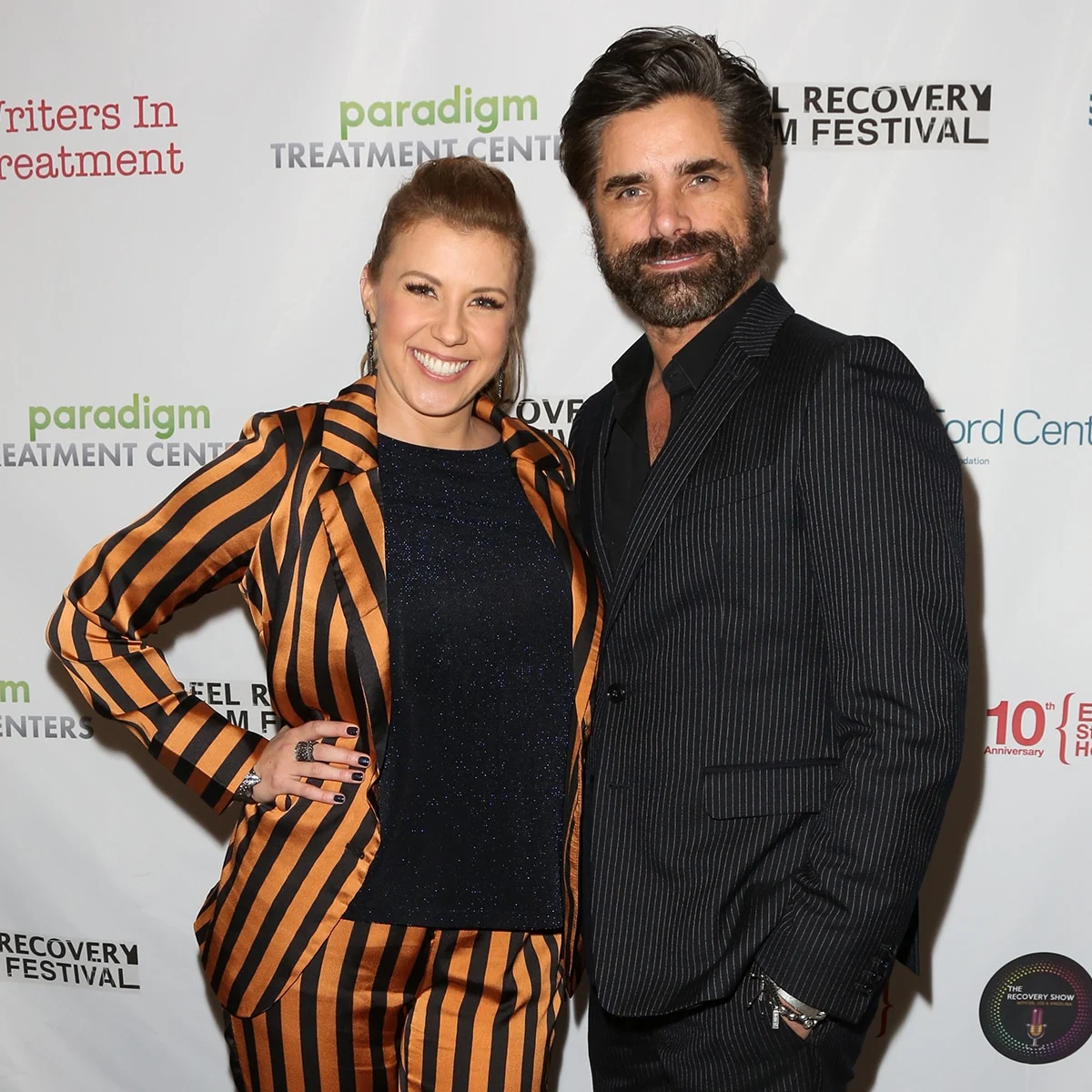
In an industry where personal struggles are often magnified by the glare of the spotlight, Full House alumna Jodie Sweetin has emerged as a prominent voice in the recovery community. Speaking on the July 15 episode of The Dory Jackson Interview series, the 44-year-old actress reflected on her long-term sobriety and the deep, mutual connection she has forged with her former co-star, John Stamos, over their shared recovery milestones.
Sweetin, who has been sober since 2011, emphasized a core tenet of 12-step recovery programs: the principle of "attraction rather than promotion." Rather than aggressively advocating for sobriety, Sweetin explained that her approach is to let the positive results of her hard work speak for themselves. This philosophy has not only guided her personal transformation but has also served as a quiet beacon of hope for colleagues like Stamos, 62, who publicly embraced sobriety following a pivotal life event in 2015.
Sweetin’s reflections coincide with a broader, cultural shift in Hollywood. Once a taboo subject shielded by public relations teams, substance abuse and recovery have become central themes of celebrity advocacy. By speaking candidly about their vulnerabilities, setbacks, and triumphs, public figures are reframing addiction not as a moral failure, but as a manageable health condition, offering a powerful counter-narrative to the stigma that historically surrounded the disease.
Chronology: From Child Stardom to Sustained Recovery
The trajectory of Sweetin’s life and career illustrates the complex pressures faced by child actors and the non-linear path of addiction recovery.
[1987–1995] Stars as Stephanie Tanner on "Full House"
       │
[2009] Publishes memoir "unSweetined," detailing early struggles and setbacks
       │
[2011] Achieves sustained sobriety (Last drink taken)
       │
[2015] Co-star John Stamos commits to sobriety following a DUI arrest
       │
[2024] Sweetin reflects on her journey and "attraction rather than promotion" on "The Dory Jackson Interview"- 1987–1995: The Child Star Era
Sweetin rose to national fame playing Stephanie Tanner on the hit sitcom Full House. The show’s conclusion in 1995 marked the beginning of a challenging transitional period for the young actress, during which she began experimenting with alcohol and drugs. - 2009: The Public Confession
Sweetin published her raw and honest memoir, unSweetined. The book detailed her severe struggles with methamphetamine, alcohol, and other substances, shedding light on the repeated cycles of rehab and relapse that marked her twenties. - 2011: The Turning Point
Sweetin took her final drink, initiating the period of continuous sobriety she maintains today. This milestone was achieved through a combination of 12-step programs, external therapy, and a cognitive shift toward self-preservation. - 2015: Parallel Paths Align
John Stamos experienced a highly publicized DUI arrest, which became his catalyst for embracing a sober lifestyle. Over the subsequent years, Sweetin and Stamos transitioned from former co-stars to mutual pillars of support in recovery. - Present Day:
With over a decade of sobriety, Sweetin continues to work steadily in television, particularly with the Hallmark Channel, while utilizing her platform to normalize the conversation surrounding mental health and addiction.
Supporting Data: Case Studies in Celebrity Recovery
Sweetin’s experience is mirrored by dozens of high-profile figures who have documented their battles with various forms of dependency. The following case studies categorize the diverse challenges faced by public figures and the specific catalysts that led to their recovery.
1. Alcoholism and the "Enslavement" of Drinking
For many public figures, alcohol was a socially accepted coping mechanism that gradually evolved into a destructive dependency.
- Tom Holland: The Spider-Man star initiated a lifestyle change in 2022 after realizing he felt "enslaved" to alcohol. Holland noted that his mental clarity, sleep patterns, and emotional resilience on set improved dramatically after he maintained sobriety.
- Anne Hathaway: The Oscar-winning actress marked a milestone of over five years of sobriety in April 2024. Hathaway described alcohol as "wallowing fuel" and chose to eliminate it entirely, comparing her relationship with alcohol to an allergy that she simply stopped arguing with.
- Drew Barrymore: After a highly publicized childhood struggle with substance abuse, Barrymore announced in 2021 that she had been sober from alcohol for two and a half years. Barrymore has spoken about the liberation of revealing her truth, though she eschews rigid labels to avoid the pressure of performing "perfection."
- Jada Pinkett Smith: Pinkett Smith recalled hitting rock bottom when she found herself preparing to open a third bottle of wine while alone at home. She chose to go cold turkey, recognizing her tendency toward binge behavior.
2. The Stimulant and Cocaine Epidemic
The fast-paced, high-stress environments of the 1980s and early 2000s fueled severe cocaine addictions among several Hollywood veterans.
- Alec Baldwin: The veteran actor celebrated 39 years of sobriety on February 23, 2024. Baldwin described a "white-hot" two-year period in Los Angeles during the early 1980s where cocaine use was ubiquitous, comparing its prevalence to coffee. After quitting cocaine, he overcame a subsequent dependency on alcohol and now credits his active life in New York City with keeping him grounded.
- Dennis Quaid: Quaid’s severe daily cocaine addiction in the 1980s culminated in a "white light experience" in 1990, where he visualized himself either dying or losing his career. This realization prompted him to seek treatment and end his dependency.
- Bradley Cooper & Brad Pitt: Cooper struggled with cocaine and alcohol addiction in the early 2000s until his friend Will Arnett staged a difficult intervention. Cooper’s successful recovery later allowed him to help Brad Pitt achieve his own sobriety, a debt Pitt publicly acknowledged during an awards ceremony in 2020.
- Ryan Phillippe: In September 2023, Phillippe shared his progress in overcoming long-term dependencies on nicotine and marijuana, celebrating the spiritual clarity that accompanied his sobriety.
3. The Prescription Drug and Opioid Crisis
The pharmaceutical pipeline—often initiated by legitimate medical needs—has proven to be one of the most perilous pathways to addiction.
- Jamie Lee Curtis: Following a minor cosmetic procedure in the late 1980s, Curtis developed a secret 10-year addiction to prescribed painkillers. Her turning point occurred in 1998 when she stole her sister’s prescription opiates, leading to a confession and her subsequent entry into recovery on February 3, 1999.
- Dax Shepard: Despite achieving 16 years of sobriety, Shepard experienced a highly publicized relapse in 2020 after taking prescribed Vicodin following a motorcycle accident. His transparency about the relapse highlighted the constant vigilance required to manage chronic addiction.
- Ashlyn Harris: The retired soccer champion disclosed her college-era addiction to Adderall, which she misused while recovering from athletic injuries. She credits her recovery to the mentorship of her coach, Anson Dorrance, who introduced her to Viktor Frankl’s seminal book, Man’s Search for Meaning.
- Noah Cyrus: Cyrus began recovering from a severe Xanax addiction in 2020. She described the drug as a "bottomless pit" that she used to numb her emotional pain, eventually seeking help during the pandemic when the physical signs of her addiction became impossible to ignore.
4. Overdoses, Synthetic Substances, and Relapses
For some, the struggle with synthetic drugs and opioids has resulted in life-threatening medical emergencies.
- Eminem: The legendary rapper’s prescription pill abuse resulted in a near-fatal overdose. The realization that his addiction was causing him to miss key moments in his children’s lives prompted him to embrace sobriety, which he now describes as his "superpower."
- Lamar Odom: The former NBA champion survived a near-fatal drug overdose in 2015. Following a DUI arrest in January 2026, Odom refocused his efforts on treating addiction as a chronic brain disease, passing 60 days of complete sobriety in March 2026.
- Demi Lovato: After six years of sobriety, Lovato relapsed in 2018, documenting her struggle in the single "Sober" shortly before suffering a near-fatal overdose. Lovato has since remained transparent about the ongoing, daily effort required to maintain her recovery.
- Offset: The Migos rapper achieved four years of sobriety from codeine (sizzurp) in October 2025. His decision to quit was prompted by a poignant moment when his young son, Jordan, noticed his drink was a different color and asked for the same soda, making Offset realize the negative influence he was projecting.
- Bow Wow: The rapper revealed he nearly died from a severe addiction to cough syrup (lean) during his collaborative tour with Chris Brown, experiencing intense physical withdrawals that hospitalized him in Cincinnati.
5. Alternative Recovery Narratives
Other notable figures have found unique catalysts for change, ranging from relationship-saving realizations to professional interventions.
- Anthony Hopkins: The Oscar winner reached 50 years of sobriety in December 2025. He chose to stop drinking after a California blackout driving incident in 1975 made him realize he was risking his life and the lives of others.
- Jax Taylor: In March 2025, The Valley star publicly declared his addiction to cocaine and alcohol after checking into rehab, marking over 80 days of sobriety.
- Lily Allen: The British singer revealed that her addiction to cocaine and alcohol led to a series of dark personal moments, culminating in an intervention staged by Gwyneth Paltrow and Chris Martin.
- Ryan Lochte: The Olympic swimmer sought professional treatment for alcohol addiction in 2018 following a destructive incident at a Newport Beach hotel, citing his desire to be a better husband, father, and competitive athlete.
- Jason Ritter: Ritter revealed that his deep respect for his now-wife, Melanie Lynskey, drove his initial desire to get sober, though he has since transitioned to maintaining sobriety for his own self-worth.
- Brantley Gilbert: The country star entered rehab in December 2011 after a severe case of pancreatitis made him realize his daily dependence on Jagermeister and opiates was life-threatening.
Official Responses and Public Statements
Public health organizations and recovery advocates have long emphasized the importance of high-profile individuals sharing their recovery stories. According to representatives from the Substance Abuse and Mental Health Services Administration (SAMHSA), celebrity disclosures help demystify the recovery process and encourage individuals to seek professional help.
In her July 2024 interview, Jodie Sweetin offered a profound statement on the psychological shift that occurs during recovery:
"You get the opportunity to become a different person, and once you start actually liking that person, it becomes really hard to go back and continue destructive behavior. You kind of go like, ‘Oh, wait, hold on. Maybe I want to take care of this little person inside here and see what they’re capable of.’"
Sweetin also acknowledged the inevitable setbacks that accompany the journey:
"I’ve definitely fallen flat on my face along the way and learned hard lessons, but who hasn’t? I don’t know anyone who has gotten through this life unscathed and that’s the point."
These sentiments are echoed by organizations that provide immediate support to those in crisis. Public health officials emphasize that recovery is accessible to everyone, not just those with the resources of high-profile celebrities.
Need Help?
For free, confidential, 24/7 support for individuals facing mental and/or substance use disorders, call the SAMHSA National Helpline at 1-800-662-HELP (4357).
Implications: How Public Vulnerability Destigmatizes Addiction
The collective transparency of public figures like Jodie Sweetin, Anthony Hopkins, and Demi Lovato has profound societal implications. Historically, media coverage of celebrity addiction focused heavily on the "fall from grace" narrative, utilizing tabloid journalism to exploit personal crises. Today, the narrative has shifted toward a more empathetic, solution-oriented discussion on mental health.
1. Demolishing the "Moral Failing" Myth
By framing addiction as a chronic illness rather than a personal or moral failure, these public disclosures align with modern medical science. When Lamar Odom compares addiction to cancer or brain disease, it helps the public understand that recovery requires medical, psychological, and social support, rather than simple willpower.
2. Normalizing the Reality of Relapse
The honest admissions of relapses by figures like Dax Shepard and Demi Lovato are critical in reducing the shame associated with setbacks. In traditional treatment models, a relapse is often viewed as a complete failure. The public vulnerability of these celebrities demonstrates that a relapse can be a highly challenging, yet educational, part of a lifelong recovery journey, rather than the end of it.
3. The Power of "Attraction"
Sweetin’s adherence to the principle of "attraction rather than promotion" highlights a sustainable model for advocacy. By focusing on personal growth, health, and professional reliability, sober individuals become living proof of the benefits of recovery. This approach minimizes defensiveness and invites those who are struggling to seek help voluntarily, transforming the cultural conversation from one of judgment to one of collective hope.
 Nana Wu
 Sagoh
Sagoh
 Iffa Jayyana
