

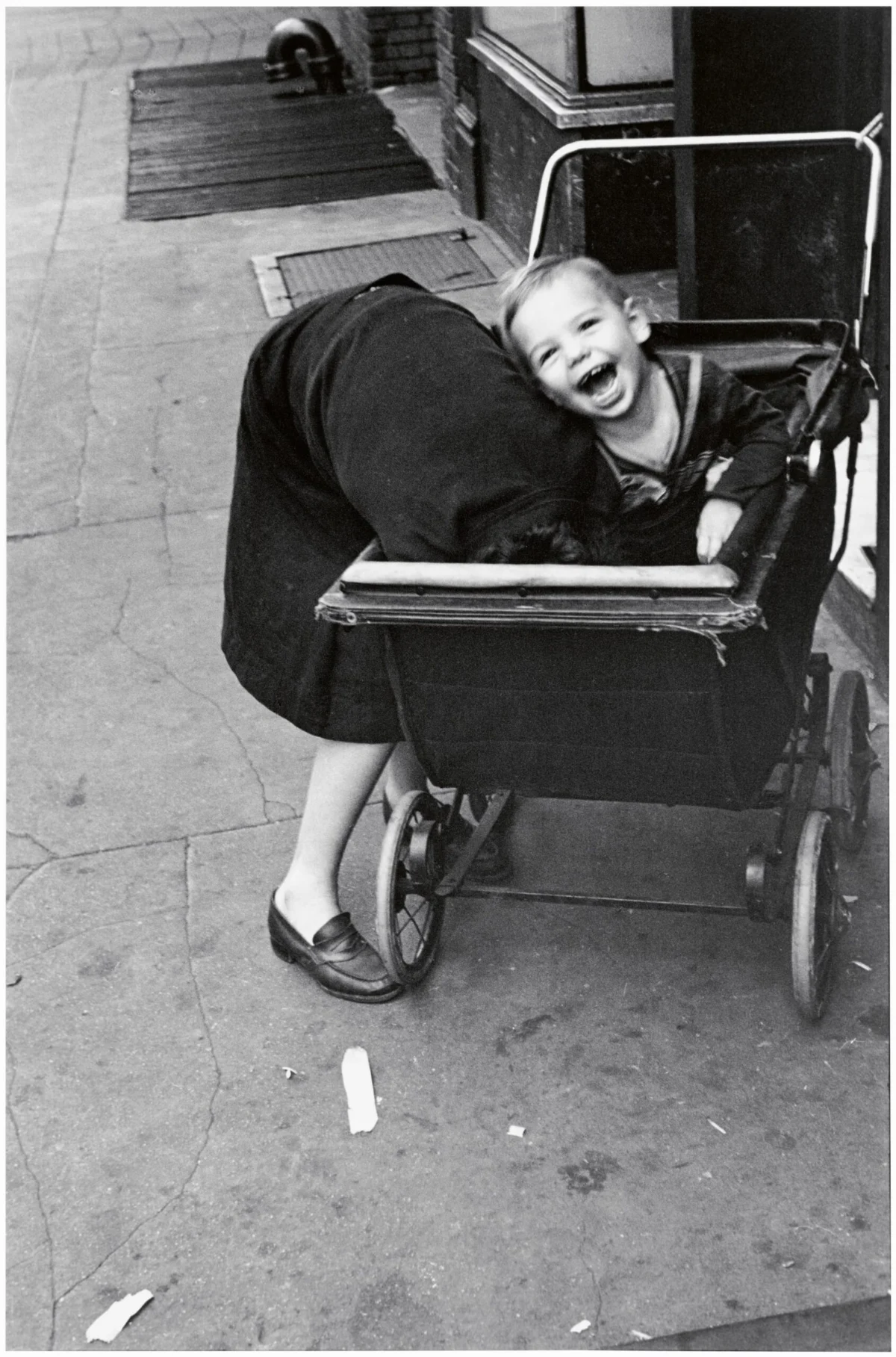
For over six decades, Helen Levitt wandered the streets of New York City with a Leica camera, capturing the fleeting, unscripted dramas of urban life. While her male contemporaries—figures like Henri Cartier-Bresson and Walker Evans—frequently dominated the mid-century photographic canon, Levitt’s work remained a quiet, profound counter-narrative. A new, definitive survey publication, Helen Levitt, edited by curator Joshua Chuang, offers a long-overdue reassessment of her expansive career, reminding us that the city’s working-class communities were never merely a backdrop for social theory; they were the heartbeat of an aesthetic revolution.
The Architect of the Unposed Moment: Main Facts
Born in Bensonhurst in 1913, Helen Levitt spent nearly her entire life within the five boroughs of New York City, save for a brief, transformative five-month residency in Mexico. Her career was defined by a singular focus: the poetry of the sidewalk. Unlike the photojournalists of her era who sought to document poverty or political struggle with an eye toward reform, Levitt was a practitioner of the "found" image. She operated with a deep, intuitive empathy for the working-class residents of Spanish Harlem, the Lower East Side, and Brooklyn.
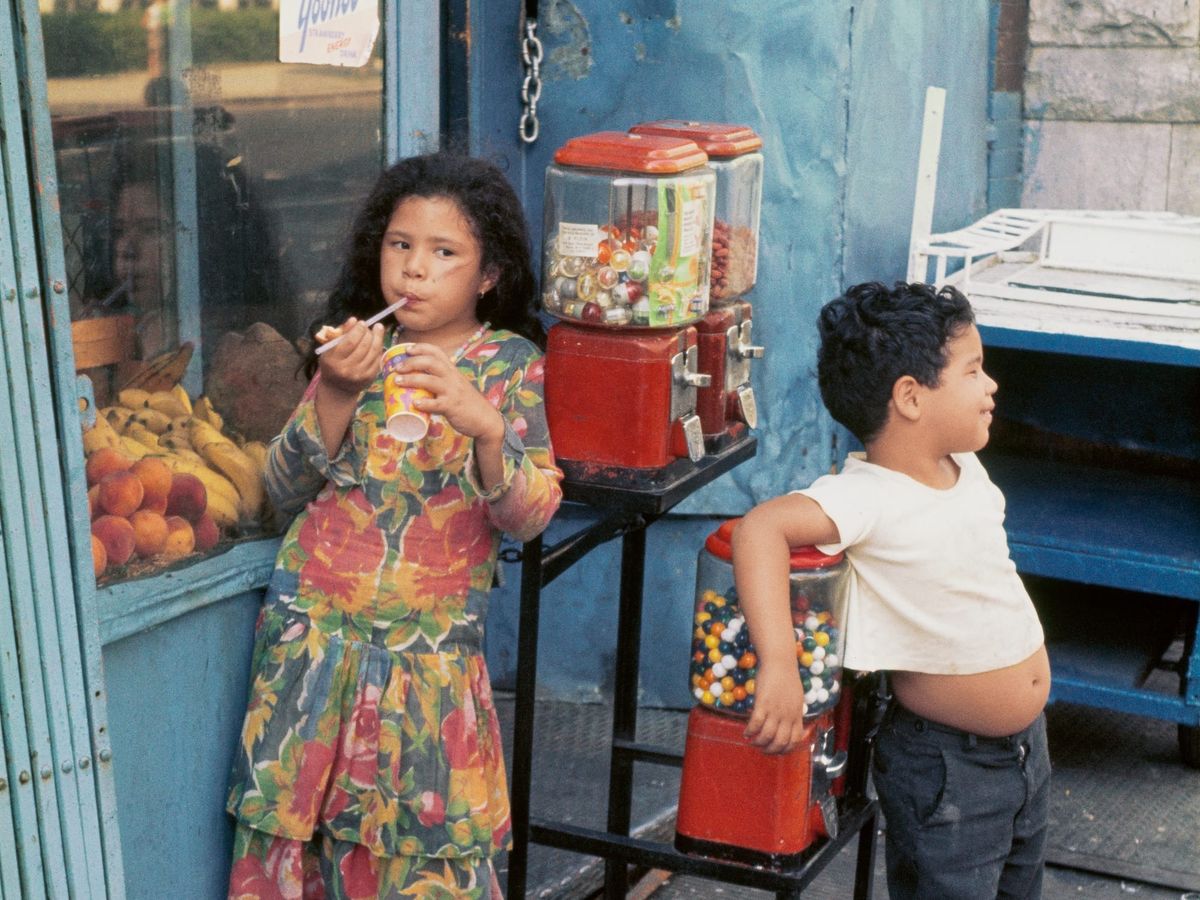
The new volume published by Thames and Hudson serves as the most comprehensive examination of her practice to date. It transcends the common pigeonholing of her work as simply "childhood photography," expanding the scope to include her experiments with color in the 1960s and 70s, her two rigorous series on the New York City subway, and her final photographic reflections from the 1980s. The book stands as a testament to her belief that public space is a theater of human connection.
A Chronological Journey Through the Lens
Levitt’s evolution as an artist is a study in both technical mastery and personal independence.

- 1934: The Formative Years. Disenchanted by the rigidity of traditional schooling, Levitt dropped out of high school, seeking education in the streets and the cinema. She joined the leftist New York Film and Photo League, an environment that nurtured her political awareness and photographic ambition. It was here that she encountered Cartier-Bresson, whose work she credited as the catalyst for her own professional drive.
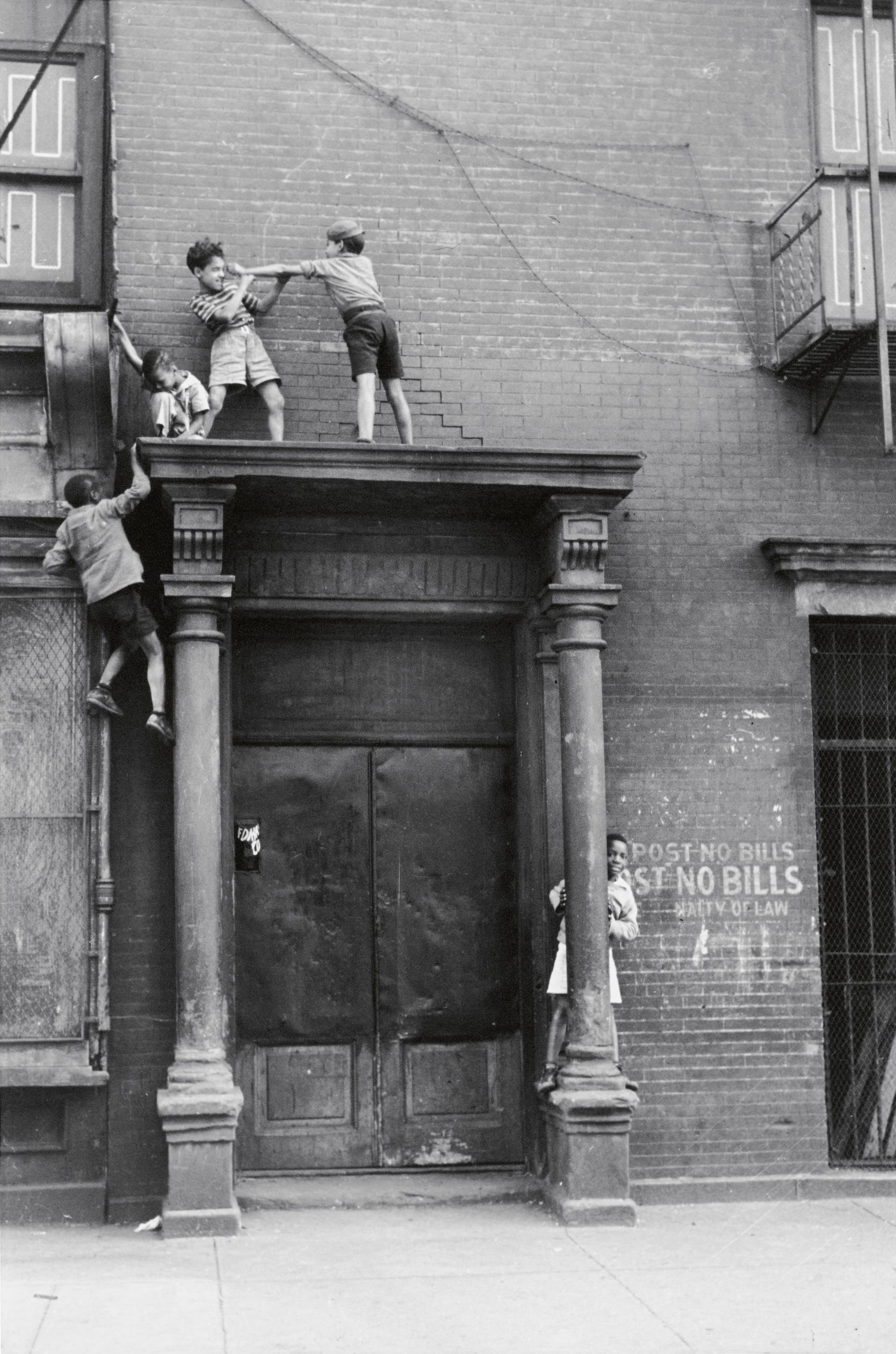
- 1937–1940: Mentorship and Sidewalks. While teaching children’s art in East Harlem, Levitt began documenting the transient, chalk-drawn murals of her students. This period brought her into the orbit of Walker Evans, who became her mentor and collaborator. Her work during these years moved beyond simple documentation, capturing children not as passive subjects, but as empowered, creative agents activating their own environment.
- 1941–1950: The Mexican Sojourn and Maturity. Levitt’s trip to Mexico marked a shift in her visual vocabulary, allowing her to see the contrast between the rigid structures of New York and the fluid, ritualistic public life of Mexico.
- 1959–1980s: The Color Experiment. Perhaps the most striking evolution in her career was her transition to color film. Supported by a Guggenheim fellowship, Levitt moved into the "riot of color" that defined the urban experience, mastering a medium that, at the time, was largely ignored by the high-art establishment.
Supporting Data: The Anatomy of a Style
The scholarship included in Chuang’s publication highlights several key aspects of Levitt’s technique that distinguish her from her peers:
- The "Look-Through" Technique: Levitt often utilized a "winkie" or a right-angle viewfinder on her Leica, allowing her to photograph subjects without them realizing they were being observed. This enabled her to capture gestures of absolute authenticity.
- Social Geography: Her focus remained consistently on neighborhoods where the "public" and "private" blurred—stoops, windows, and fire escapes. Historian Lauren Graves notes that Levitt’s work fundamentally challenged the trope of the "endangered urban child," replacing it with a vision of resilient, intellectually active youth.
- Color as Emotional Narrative: Art historian Freya Field-Donovan observes that Levitt’s use of color was not merely decorative. In her later works, the "garish" greens and "shocking" oranges of city life acted as an emotional amplifier, giving the gritty urban landscape a lyrical, almost painterly quality.
Official Perspectives: The Curator’s Insight
Joshua Chuang, who also organized the recent traveling exhibition dedicated to Levitt, positions this new book as a corrective to history. In his introductory essay, he emphasizes that Levitt was an autodidact who rejected the "rote memorization" of academia in favor of the direct observation of life.
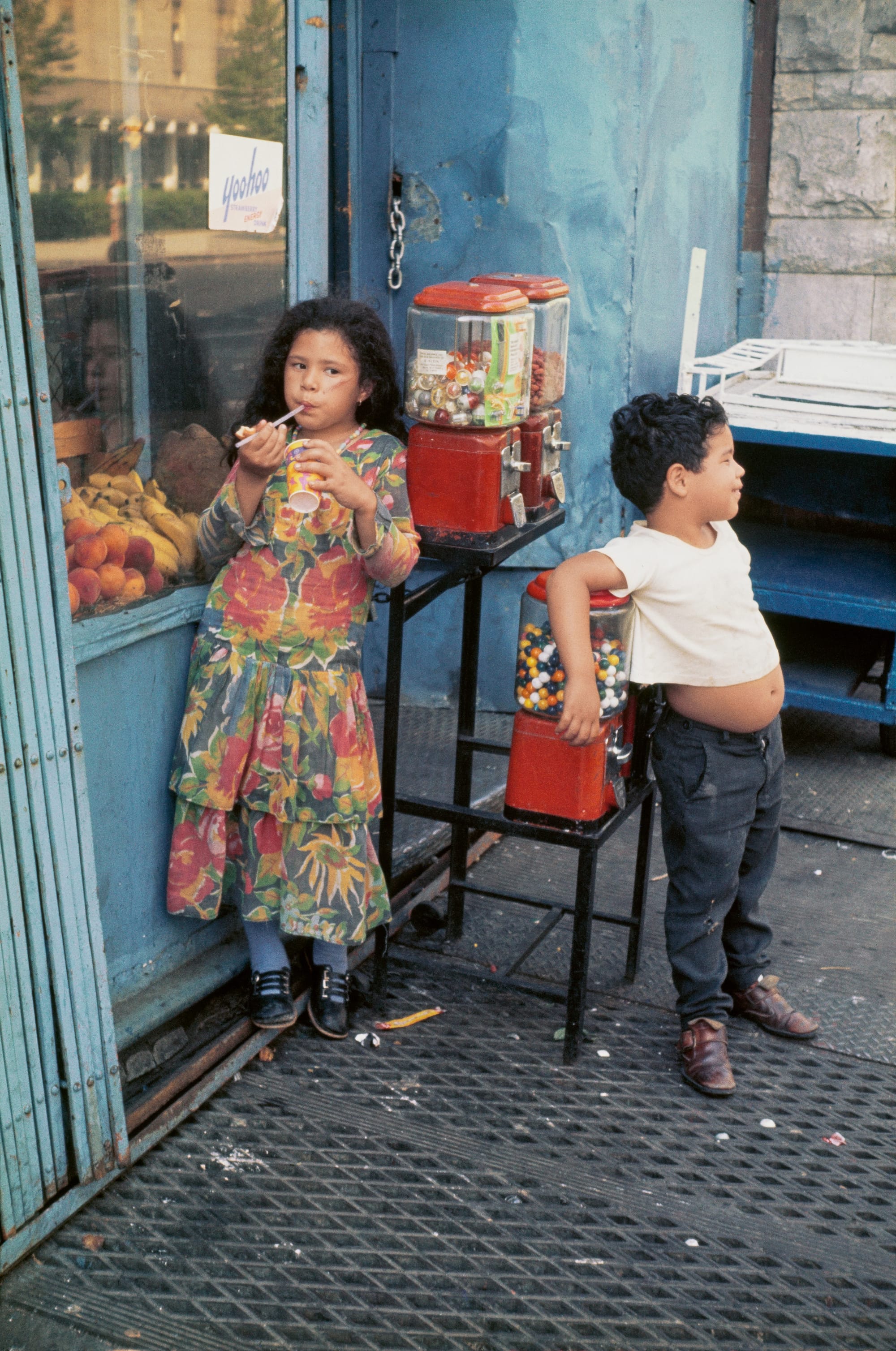
"Levitt was interested in the unpredictability of public space," notes contributor Freya Field-Donovan. This perspective is vital for modern audiences. In an era dominated by smartphone surveillance and constant digital documentation, Levitt’s images serve as a poignant reminder of a time when life was lived predominantly "out of doors," in the open, communal spaces of the city.
The publication also includes insights from artist Joel Sternfeld, who highlights the technical bravery of Levitt’s transition to color. He points out that, because magazines and galleries of the 1960s were wary of color photography, Levitt had to act as her own pioneer, navigating the "riot" of the street without any existing manual or precedent to guide her.
Implications: The Enduring Legacy
The publication of Helen Levitt has significant implications for how we view the history of 20th-century American art. For too long, the narrative of urban photography was dominated by the "social documentarians"—those who aimed to elicit pity or catalyze policy change. Levitt’s work offers a different path: one of observation, communion, and beauty.
Her legacy forces us to question our own relationship with the city. In the 1930s, she found magic in a chalk drawing of a "Secret Passage"; in the 1970s, she found rhythm in the way people congregated on a Brooklyn stoop. By stripping away the political agendas and sentimentality that often plague documentary photography, she succeeded in capturing the "delicate and elusive aspects of the social world."
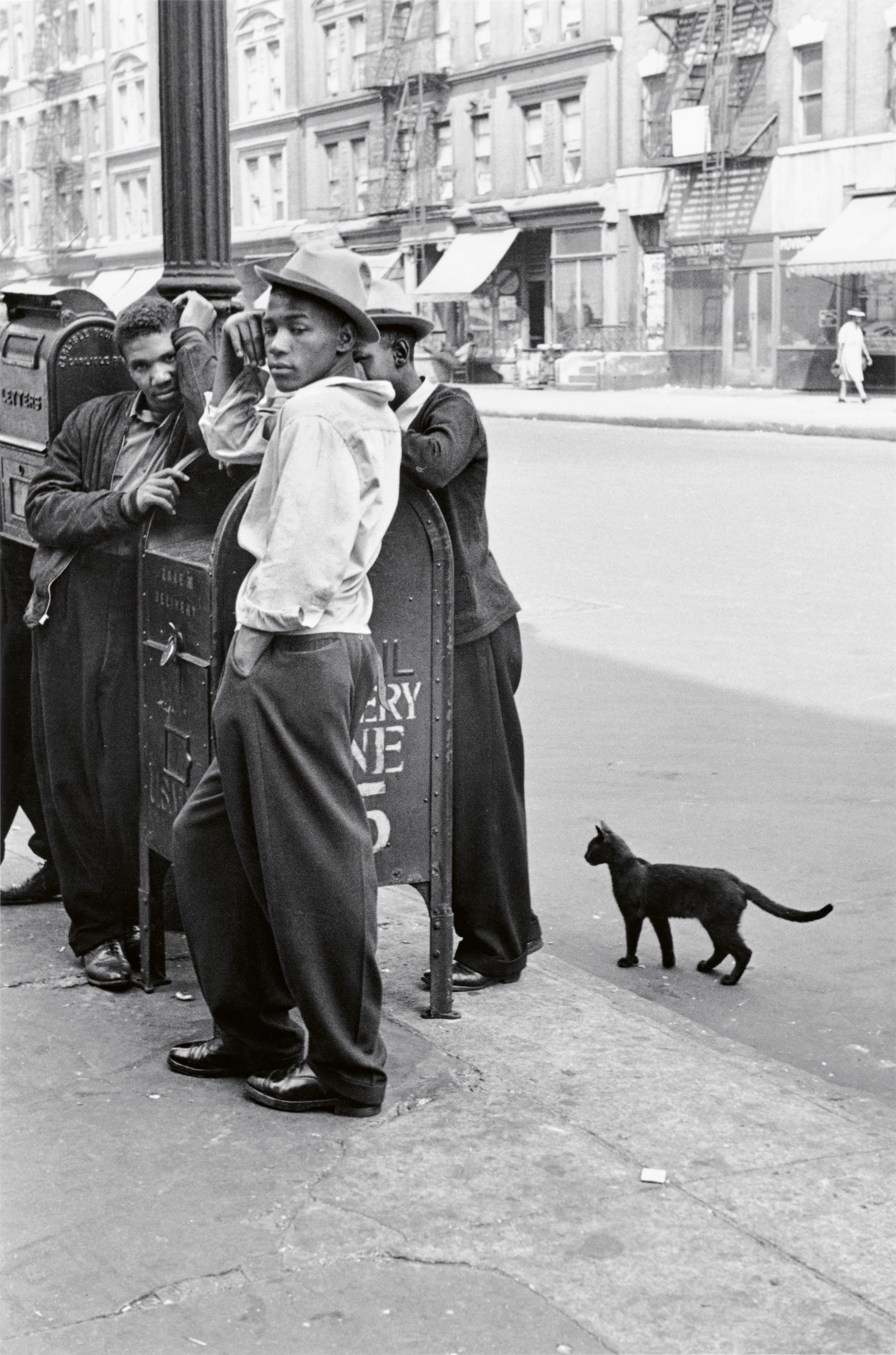
As we look at her images in 2026, the contrast is stark. Her photos represent a "collective culture"—a term used by Field-Donovan—that feels increasingly rare in the age of atomization. The "ongoing choreography of daily life" that Levitt spent her life documenting remains a vital, if under-recognized, pillar of American visual culture. This book does not merely collect her images; it asserts her position as a master of the human condition, an artist who looked at the streets and saw not poverty or despair, but a profound, unending, and deeply human drama.
For those interested in the history of photography, the evolution of urban identity, or the simple, quiet power of a well-timed photograph, this collection is an essential addition. It confirms that while the architecture of New York may change, the "lyricism and chaos" of the human experience that Helen Levitt so perfectly captured is, and will always be, timeless.
 Basiran
 Muslim
 Evan Lee Salim
