In an era where digital footprints often precede physical achievements, the line between public recognition and curated self-importance has become razor-thin. For photographer Laura June Kirsch, known for her visceral documentation of underground music, nightlife, and alternative subcultures, this reality crystallized in February when a Google Alert delivered an unexpected notification: a Wikipedia biography had been created in her honor.
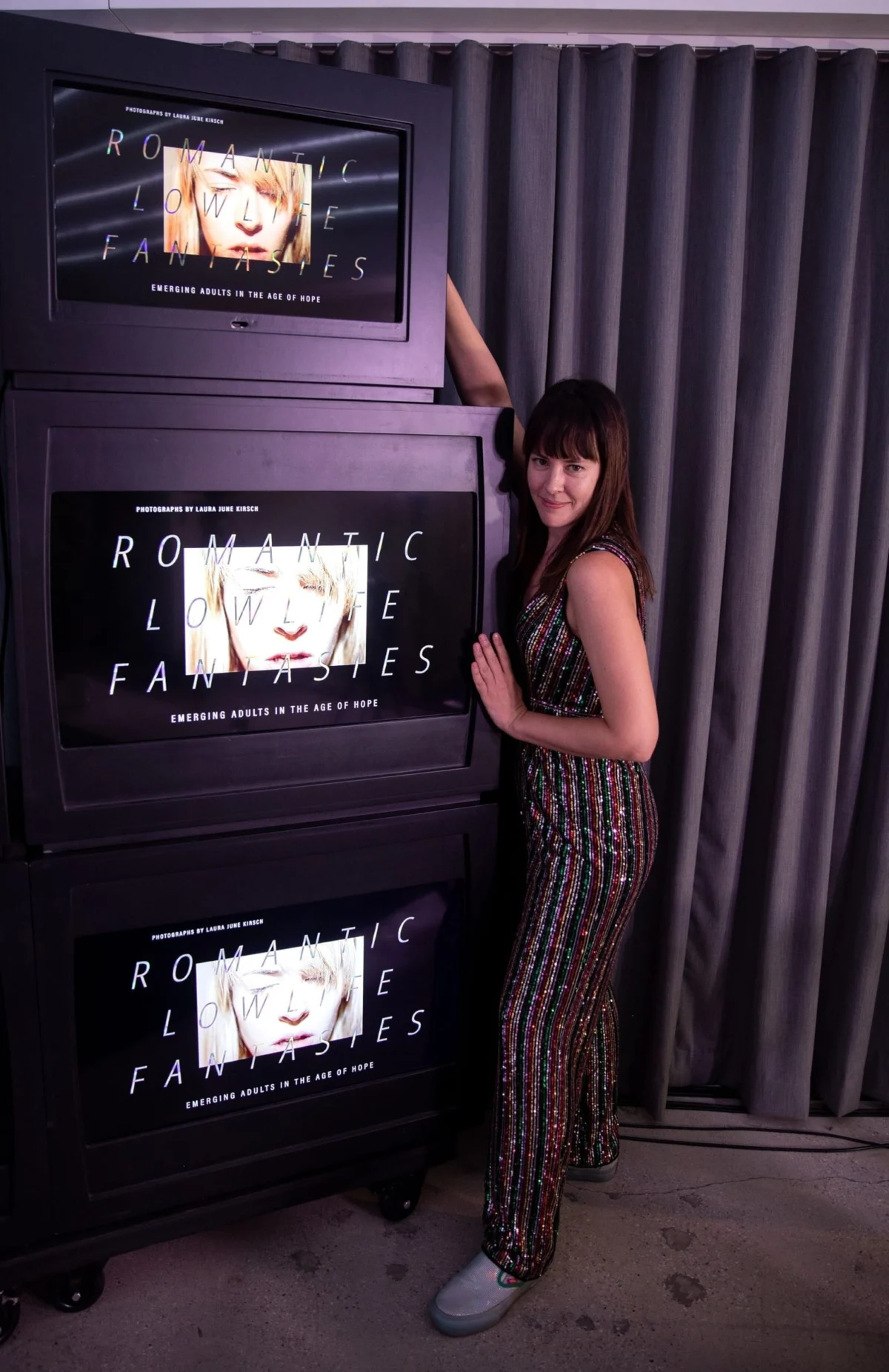
What began as a brief, flattering introduction—identifying her as an American photographer and noting the 2021 publication of her monograph, Romantic Lowlife Fantasies: Emerging Adults In The Age of Hope—quickly devolved into a bureaucratic maze. The page did not merely exist; it became a staging ground for anonymous debate. Behind the curtain of Wikipedia’s pseudonymous user network, invisible editors—predominantly presumed to be men—began litigating whether Kirsch was "credible enough" to merit a digital monument.
The episode exposes the systemic vulnerabilities and gatekeeping mechanisms of the world’s largest crowdsourced encyclopedia. Far from a neutral repository of human knowledge, Wikipedia often functions as an insular ecosystem vulnerable to arbitrary editorial whims, predatory "reputation management" opportunists, and structural biases that disproportionately affect contemporary artists, particularly women operating outside mainstream commercial spheres.
Chronology of an Accidental Digital Footprint
Phase One: The Unsolicited Emergence
The journey began on an ordinary February morning when Kirsch received a digital ping notifying her of the new article. Her initial reaction—shared with a bewildered mother who questioned whether online encyclopedias were harbingers of success or digital scarlet letters—was a mix of validation and curiosity.
Moving into investigative mode, Kirsch reached out to a technologist acquaintance to trace the origin of the page. The trail led to an anonymous contributor—an editor prolific in generating biographical pages, frequently dedicated to female artists. The initial stub was sparse:
"Laura June Kirsch is an American photographer known for her work documenting music, nightlife and alternative subcultures. In 2021, she published Romantic Lowlife Fantasies: Emerging Adults In The Age of Hope."
While appreciative of the nod, Kirsch was left disoriented by the minimalist portrait. How does an artist interact with a biography written about them without violating Wikipedia’s strict conflicts-of-interest guidelines? The answer, as she would soon learn, was fraught with peril.
Phase Two: The Deletion and the Parasitic Pitch
Three months following the page’s quiet inception, the fragile digital architecture collapsed. Kirsch received an email from an opportunistic stranger operating a digital marketing firm—an outfit specializing in automated, low-quality content generation colloquially known as "AI slop."
The sender delivered the verdict: her Wikipedia page had been deleted because it failed to meet the platform’s stringent "notability" thresholds due to insufficient documentation. However, the marketer offered a solution for a fee, claiming he could restore and bulletproof the entry.
Skeptical yet intrigued, Kirsch bypassed the predatory pitch and instead took matters into her own hands. She compiled a comprehensive, rigorously sourced biography, complete with a robust portfolio of press links, interviews, and reviews documenting her decade-long career in chronicling youth culture.
Phase Three: The Tribunal of Shadows
With the new documentation submitted, Kirsch unwittingly stepped into Wikipedia’s shadow theatre. Rather than a straightforward administrative update, her proposed additions triggered a behind-the-scenes debate. Hidden behind alphanumeric usernames, anonymous editors weighed in on her cultural footprint.
The discourse centered not on factual accuracy, but on subjective definitions of relevance. Were features in niche independent art publications and music zines enough? Did a critically received book on emerging subcultures clear the bar set by an encyclopedia that frequently honors obscure nineteenth-century minor nobility with thousands of words? The debate was conducted with the sterile, bureaucratic coldness characteristic of Wikipedia’s deletion-discussion boards—a space where cultural value is quantified not by impact, but by the volume of mainstream press clippings.
Supporting Data: The Architecture of Wikipedia’s Bias
To understand Kirsch’s experience is to examine the structural mechanics of Wikipedia itself. While the platform boasts millions of articles, its internal culture has long grappled with demographic imbalances and systemic gatekeeping.
The Gender Gap in Editorship: Numerous studies, including internal Wikimedia Foundation surveys, have consistently shown that fewer than 15% to 20% of Wikipedia editors identify as women. This disparity directly influences what topics are deemed "notable" and how biographies of female figures are evaluated.
Notability vs. Nuance: Wikipedia’s policy on the "Notability" of creative professionals requires significant coverage in "reliable, secondary sources that are independent of the subject." For underground photographers, documentarians, and avant-garde artists whose work exists outside corporate media conglomerates, accumulating these specific markers is notoriously difficult, creating a catch-22 where cultural impact goes unrecorded because it bypasses mainstream institutional approval.
The Reputation Management Economy: The deletion of pages due to "insufficient notability" has birthed a lucrative grey market of black-hat Wikipedia editors and SEO agencies. These entities monitor deletions specifically to prey on creators, artists, and executives eager to secure or repair their digital prestige, exploiting the platform’s complex bureaucracy for financial gain.
Official Responses and Platform Governance
The Wikimedia Foundation has long maintained that Wikipedia is self-correcting and governed by a community of volunteers committed to neutrality and verifiable facts. Community guidelines emphasize that subjects of articles should not edit their own pages due to inherent bias, a policy intended to prevent self-promotion.
However, this strict prohibition creates a profound asymmetry. When an article is created by an outsider—whether well-intentioned or misguided—and subsequently challenged by anonymous deletionists, the subject is relegated to the sidelines. They must watch helplessly as strangers debate their professional legacy without direct recourse to provide context, intent, or primary evidence.
Independent internet governance researchers have frequently criticized this dynamic, pointing out that Wikipedia’s reliance on rigid guidelines often empowers hyper-active, entrenched male editors to act as unyielding arbiters of culture, marginalizing niche contributions in favor of hyper-mainstream metrics.
Implications for Contemporary Artists and Digital Culture
Kirsch’s brush with Wikipedia’s bureaucratic machinery is more than an amusing anecdote; it is a symptom of a broader crisis regarding how contemporary culture is archived.
The Commercialization of Memory: As demonstrated by the marketing pitch Kirsch received, Wikipedia’s friction-heavy environment has created a parasitic economy. When platforms gatekeep recognition, bad actors step in to monetize the loophole, turning digital preservation into a pay-to-play commodity.
The Erasure of the Underground: Subcultures have historically thrived in the margins—away from corporate press releases and mainstream profiles. By insisting on traditional, mainstream metrics of notability, Wikipedia risks sanitizing its historical record, effectively declaring that if an artist’s work is not validated by legacy media institutions, it simply does not exist.
The Psychological Toll of Algorithmic Judgment: For living artists, having one’s life and career subjected to anonymous peer review is a surreal psychological experience. It transforms personal achievement into public property, where value is perpetually up for negotiation by individuals with no stake in the art itself.
Ultimately, Laura June Kirsch’s encounter with the Wikipedia editing mob highlights the urgent need for a more empathetic, nuanced approach to digital archiving—one that recognizes that cultural contribution cannot always be measured by a corporate press clipping, and that art living in the margins deserves a place in history just as much as art sanctified by the mainstream.



 Evan Lee Salim
 Jia Lissa
 Iffa Jayyana
