

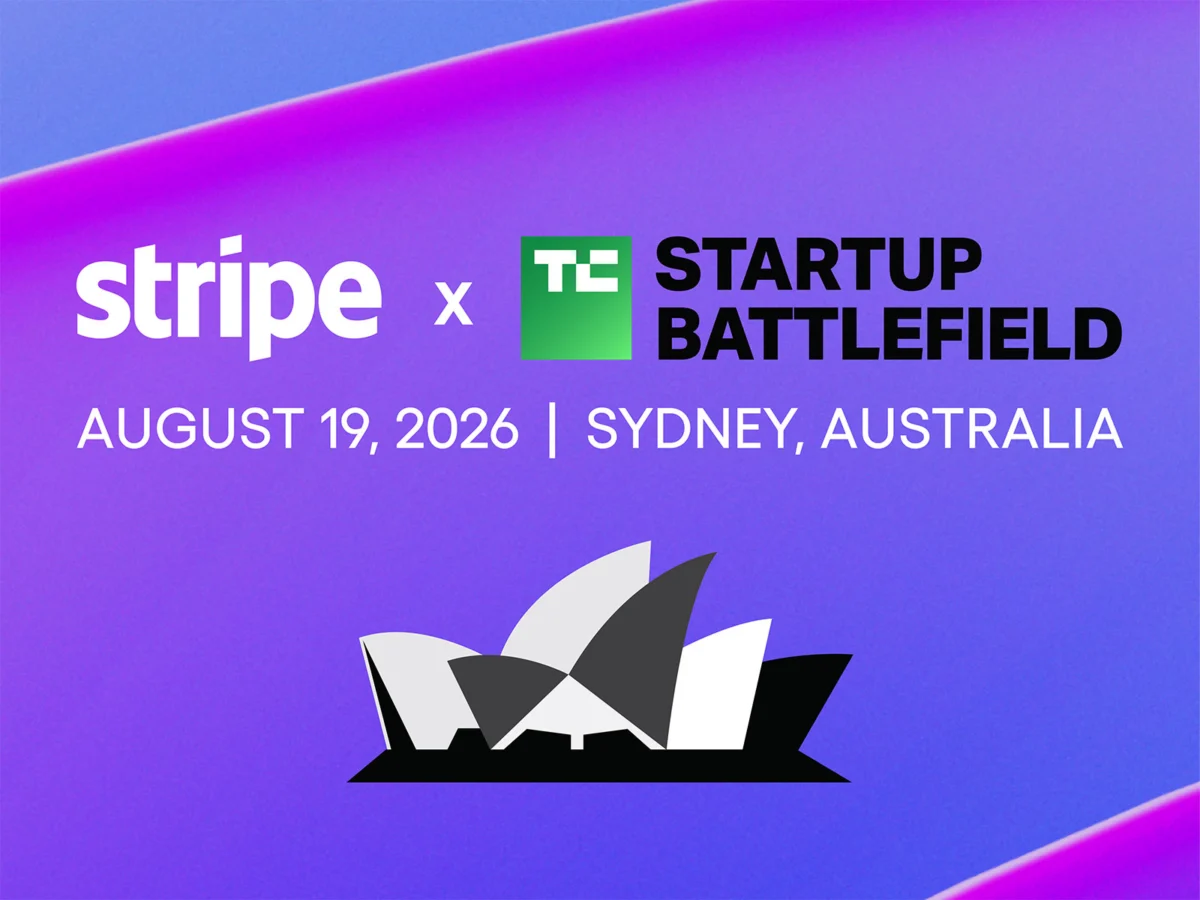
The heartbeat of the Australian startup ecosystem is set to accelerate this August. TechCrunch, in a high-stakes partnership with fintech giant Stripe, has announced the return of its world-renowned Startup Battlefield to the Southern Hemisphere. On August 19, the spotlight will shine on eight of Australia’s most promising early-stage companies as they take the stage at Stripe Tour Sydney to compete for glory, capital, and a direct path to the global stage.
This event is not merely a pitch competition; it is a rigorous vetting process designed to surface the next generation of industry disruptors. With a legacy that includes the likes of Dropbox, Cloudflare, Discord, and Trello, Startup Battlefield has cemented itself as the gold standard for identifying breakout companies before they become household names.
The Stakes: A Global Launchpad
The competition is structured to provide more than just bragging rights. The stakes are tangible and designed to fuel the growth of early-stage ventures. The grand prize winner will secure an automatic invitation to compete in the Startup Battlefield 200 at TechCrunch Disrupt 2026, scheduled for October 13–15 in San Francisco. This, coupled with $15,000 in Stripe fee credits, provides a dual-threat advantage: the prestige of a global platform and the essential infrastructure to scale operations without the burden of processing costs.
Second and third-place winners will receive $5,000 and $2,000 in Stripe credits, respectively. However, for most founders, the true value lies in the "room effect"—the opportunity to present their vision directly to a curated audience of high-net-worth investors, venture capitalists, and seasoned tech operators.
A Legacy of Innovation: From Sydney to the World
The decision to host the event in Sydney is rooted in historical success. When TechCrunch previously brought the Battlefield to Australia, it unearthed HealthMatch, a company that has since become a beacon of local success. Today, HealthMatch is valued at over $25 million and provides a vital link between clinical trials and over a million patients globally.
This success trajectory is not an anomaly. To date, Startup Battlefield alumni have collectively raised over $32 billion in venture capital and have produced more than 250 successful exits. The organizers are betting that the current Australian cohort possesses similar potential, aiming to turn local ingenuity into global impact.

The Jury: Assessing the Architecture of Success
The secret to the Battlefield’s longevity is its judging panel. This year’s panel has been meticulously selected to represent a trifecta of perspectives: institutional scalability, venture capital scrutiny, and the battle-tested experience of a founder.
Jasmine Liew: The Architect of Scale
As the Head of Startup & Investor Partnerships for APAC at Stripe, Jasmine Liew sits at the epicenter of global fintech. Her role involves helping companies navigate the complexities of international payments and infrastructure. When a founder pitches to Liew, they are not just presenting a pitch deck; they are undergoing a stress test on their business model’s viability. Liew’s expertise ensures that the winners are not only visionary but also equipped with the financial architecture to scale across borders.
Brendan Hill: The Investor’s Eye
Brendan Hill, a venture partner at Ten13 and an active angel investor, brings the "capitalist’s lens" to the stage. Hill represents the cohort of investors who are tasked with identifying the companies that can deliver outsized returns. His participation is critical; he is looking for the "X-factor" that justifies a leap of faith. For founders, impressing Hill means proving that their business is not just a compelling narrative, but a sound investment that deserves a place in a high-performing portfolio.
Jarron Aizen: The Founder’s Perspective
As the founder and CEO of Hapana, Jarron Aizen brings a necessary empathy to the judging panel. Aizen understands the "founder’s journey" in the Australian context—the unique challenges of building a company in a smaller market with global ambitions. Having walked the path from initial idea to established company, Aizen is positioned to identify the grit and resilience required to survive the early-stage "valley of death." His questions will likely focus on product-market fit, team dynamics, and the operational hurdles of building in the current economic climate.
The Anatomy of the Competition
The event follows a rigorous, time-tested format. Each of the eight startups will have a strictly timed window to present their core value proposition, followed by a grilling from the judges. This is where the competition shifts from a demonstration of public speaking to a high-pressure interrogation of business logic.
The judges will evaluate the startups based on:

- Scalability: Can the business model grow exponentially without a linear increase in costs?
- Market Need: Is the product solving a "hair-on-fire" problem, or is it a "nice-to-have" luxury?
- Team Composition: Does the founding team have the technical and commercial expertise to execute the roadmap?
- Defensibility: What prevents a larger incumbent or a fast-follower from replicating the solution?
Implications for the Australian Tech Ecosystem
The arrival of Startup Battlefield in Sydney signals a maturation of the Australian startup scene. Historically, Australian founders have often struggled with the "tyranny of distance," finding it difficult to gain visibility with investors in Silicon Valley or London. By bringing this event to local soil, TechCrunch and Stripe are effectively creating a bridge.
This event provides local founders with the opportunity to refine their narrative in front of a global audience. The exposure to the press, the networking with potential partners at the Stripe Tour, and the mentorship implied by the judging process are designed to accelerate the maturation of the local ecosystem.
Furthermore, the involvement of Stripe—a company synonymous with the modern internet economy—underscores the importance of payment infrastructure in the early-stage lifecycle. For many of the competing startups, the Stripe credits are not just a discount; they are a signifier of a partnership that can provide legitimacy and seamless integration into the global financial system.
The Road to San Francisco
The ultimate prize—a ticket to TechCrunch Disrupt 2026—is a rare opportunity. Disrupt is one of the most important dates on the global tech calendar. For an Australian startup, securing a spot in the Startup Battlefield 200 is equivalent to a formal introduction to the global venture capital community. It is a validation of quality that can be leveraged to close Series A and B funding rounds.
As the tech world looks toward August 19, the narrative is clear: the next breakout company may very well be born in Sydney. With the judges finalized, the stage at Stripe Tour Sydney prepped, and the stakes clearly defined, the atmosphere is electric.
How to Engage
The event, hosted and emceed by Isabelle Johannessen, director of Startup Battlefield, is open to the broader tech community. Whether you are an investor looking for your next deal, a founder seeking inspiration, or an industry observer tracking the evolution of Australian tech, the event promises a firsthand look at the future.

Interested parties are encouraged to register via the official Stripe Tour Sydney portal. As the countdown begins, the question remains: which of these eight contenders will possess the vision, the drive, and the execution capability to conquer the stage and, eventually, the global market?
The stage is set. The judges are ready. The future is waiting to be written.
Note: TechCrunch maintains strict editorial independence. While the publication may earn a small commission on purchases made through affiliate links in this article, these financial arrangements have no influence over the selection of the competition judges or the outcomes of the Startup Battlefield.
 rifanmuazin
 Nana Muazin
