

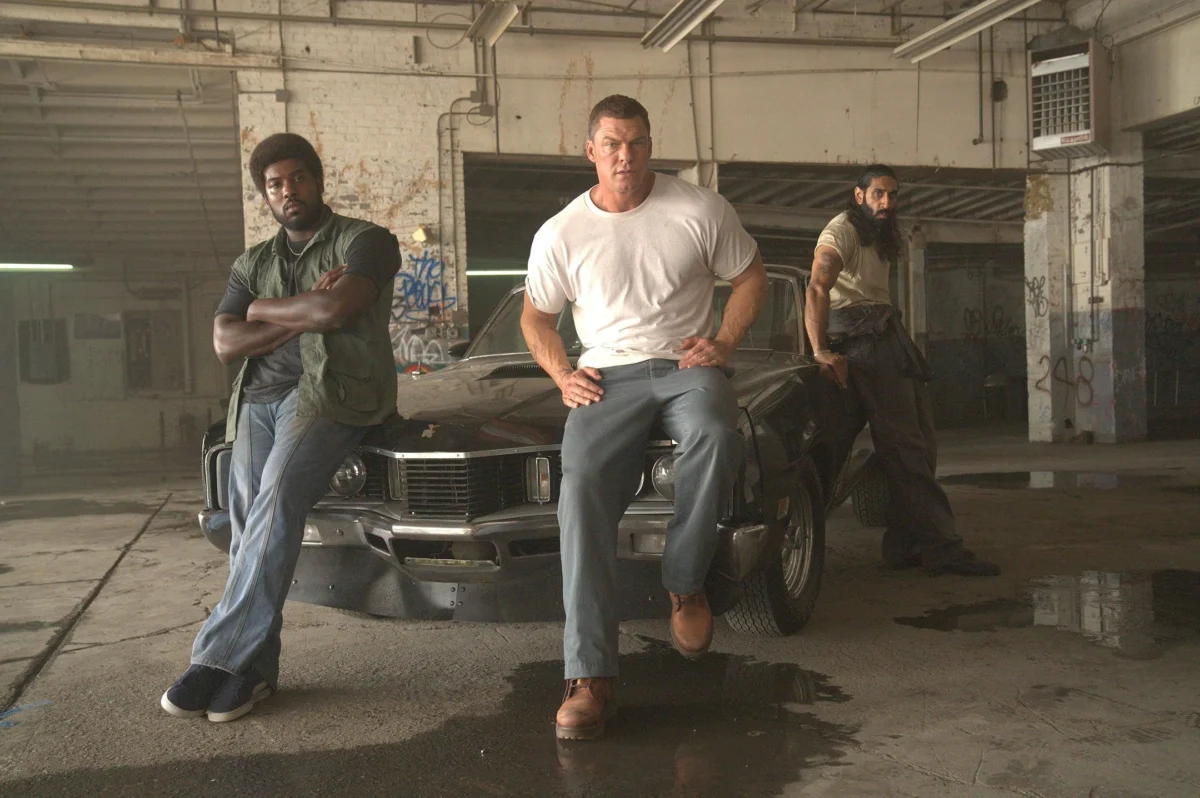
After two decades of lingering in the purgatory of "development hell," the high-octane revenge thriller Motor City has finally arrived on the big screen. Directed by Potsy Ponciroli and starring Alan Ritchson—the breakout powerhouse behind Prime Video’s Reacher—the film is a masterclass in minimalist narrative. Rather than relying on exposition-heavy dialogue, the film opts for a visceral, sensory-driven approach that leans on physical performance, meticulously curated classic rock, and the heavy, atmospheric backdrop of 1970s Detroit.
The film follows an ex-Army Ranger who, after being framed for a crime he didn’t commit and sentenced to hard time, returns to the streets of Detroit to exact his vengeance. It is a lean, mean cinematic experience that challenges the conventions of the modern action genre.
A Two-Decade Journey to the Screen
The trajectory of Motor City is a testament to the volatility of the film industry. Originally penned by Chad St. John, whose credits include Peppermint and London Has Fallen, the script was hailed as a "cool, unique story" for years, yet it remained perpetually just out of reach. Throughout its twenty-year gestation, the project saw a revolving door of directors and lead actors, with funding issues frequently stalling momentum.
For director Potsy Ponciroli, the film was a project that refused to leave his psyche. "I pitched on it and got a second pitch, which is always good," Ponciroli recalls. "Then it came down to me and another director. At the end, it went to the other director, but it stuck with me."

Fate intervened seven months later when the previous director departed the project. Ponciroli, having already spent nearly a year dissecting the material, was uniquely positioned to step in. His second pitch to producers Jon Berg and Greg Silverman was, by his own admission, the best of his career. With Alan Ritchson already attached, the production moved with lightning speed, turning a twenty-year wait into a remarkably efficient, high-intensity shoot.
Crafting the Silent Narrative: A New Language for Action
The most striking element of Motor City is its deliberate rejection of dialogue. In an era where action films are often bogged down by "quippy" banter, Motor City chooses to let the characters’ physical presence dictate the flow of the story.
"I didn’t want anything to be pantomime," Ponciroli explains. "We’re not overexaggerating movements to sell anything. It still has to be subtle and real."
This approach required a deep, almost clinical, preparation process. Ponciroli spent months in dialogue—not with the script, but with the actors. He encouraged them to define their characters through personalized musical playlists and intimate discussions about their histories. For Shailene Woodley, the process involved determining what her character would listen to while journaling in the afternoon versus how she would behave at a party at night. This "pre-production" work ensured that when the cameras rolled, the actors didn’t need lines to convey intent; the emotional architecture was already built.
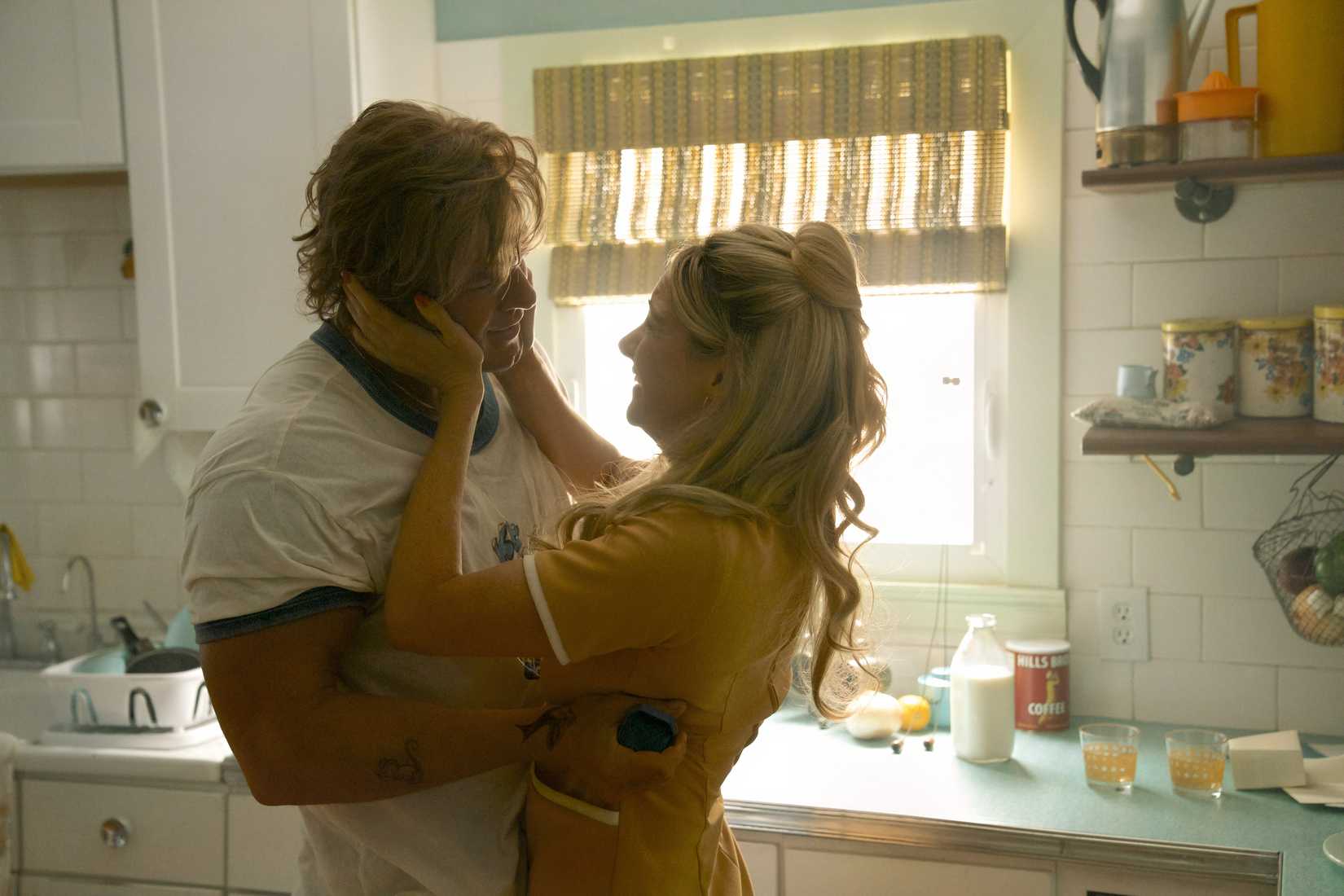
One of the film’s most powerful sequences—a four-minute scene between Woodley and Ben Foster—exemplifies this philosophy. The characters are a couple navigating a reconciliation after a volatile split. Ponciroli’s only direction to them was simple yet devastating: "The first person to speak usually loses." This constraint forced the actors to play with the subtext of silence, creating a tension that a script could never replicate.
The Soundtrack as a Character
In Motor City, the music is not mere background noise; it is an active participant in the storytelling. The film utilizes a needle-drop strategy that anchors the audience in the 1970s while driving the emotional stakes of the scenes.
The most iconic example is the use of The Moody Blues’ "Nights in White Satin" during the film’s prison break sequence. Ponciroli admits he had the sequence "edited on paper" before a single frame was shot, down to the exact second.
Similarly, the inclusion of Fleetwood Mac’s "The Chain" was a product of organic discovery in the editing suite. "My editor, Joe Galdo, loves this era of music," says Ponciroli. "We were trying different songs, and he just laid ‘The Chain’ in there. All those musical breaks and tempo changes, where it slows down and where it speeds up, just happened to land weirdly right."
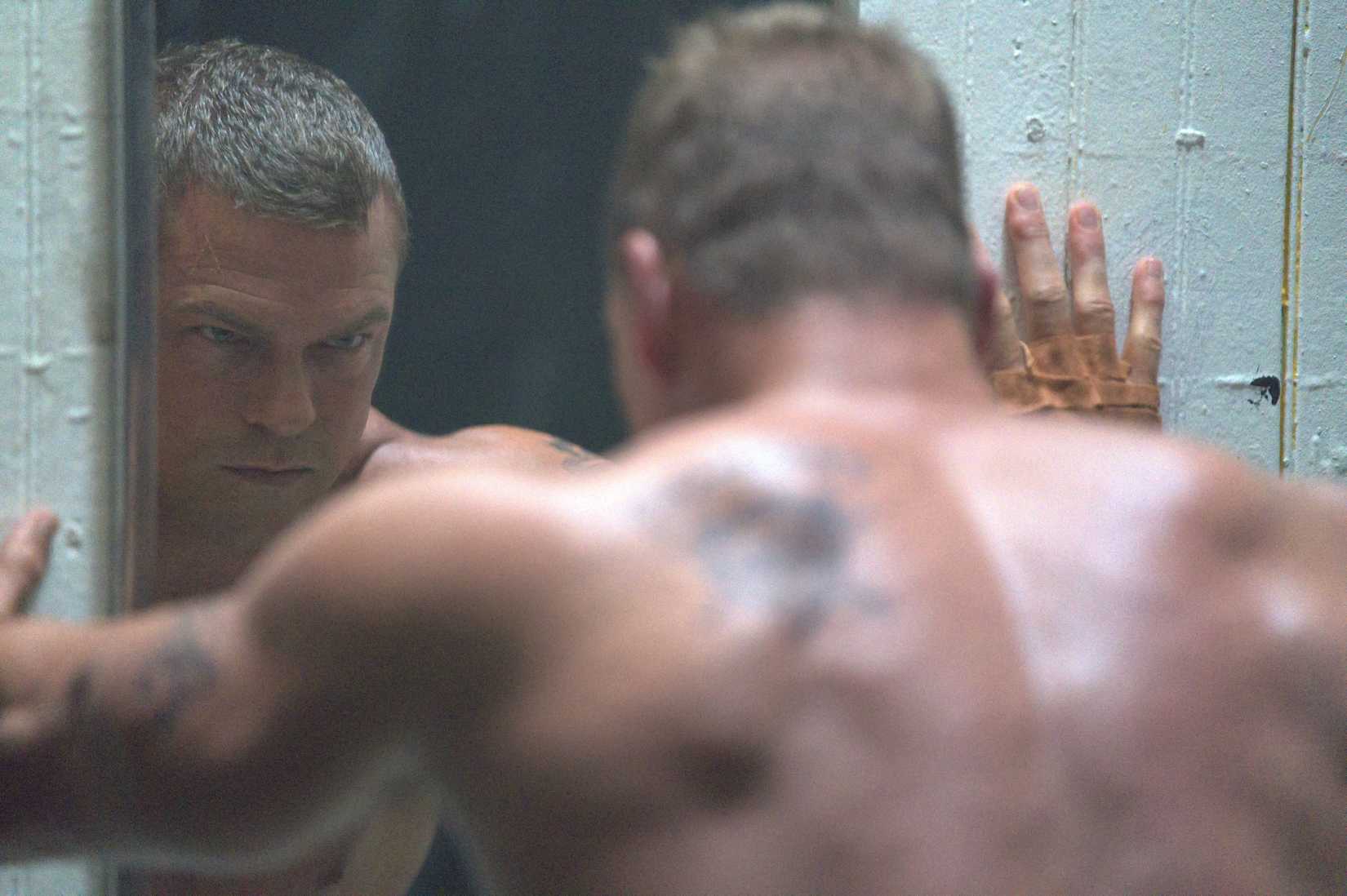
The soundtrack serves as a heartbeat, dictating the pacing of the action. Whether it is the gritty, insistent pulse of the music driving a fight scene or the mournful quality of a classic rock track underscoring a moment of loss, the music acts as the film’s narrator.
Visual Storytelling and the "Piano Player" Perspective
Because the film relies on limited dialogue, the production team had to find creative ways to provide context without forced exposition. The film is filled with visual clues—newspaper clippings, specific tattoos, and photographic evidence—that reward the observant viewer.
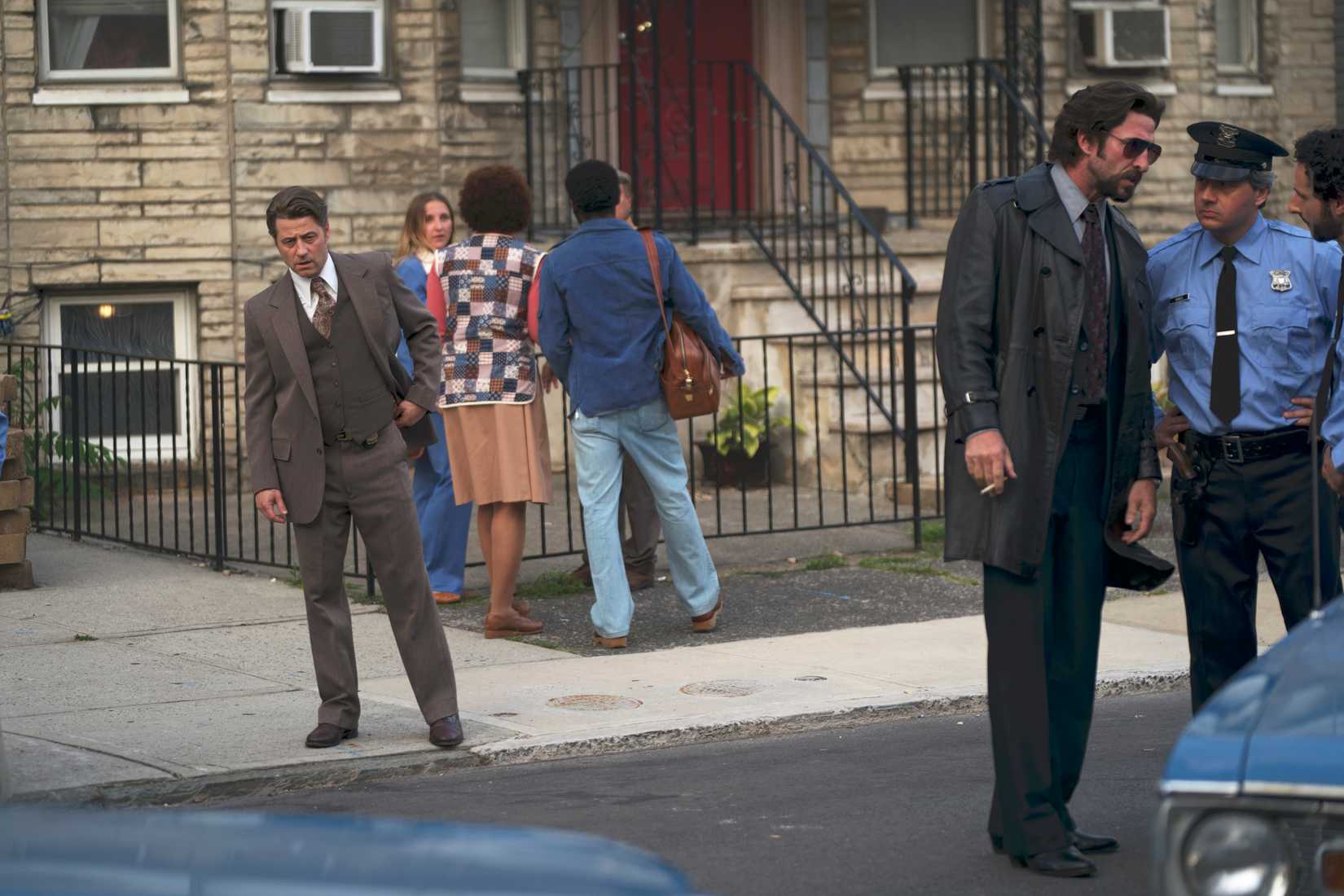
However, some of the most ingenious storytelling choices were made on the fly. In a café scene featuring Ben McKenzie and Shailene Woodley, the crew struggled with how to convey crucial plot points without a heavy dialogue dump. The solution was environmental: they discovered a café with a piano player (played by Jack White) and chose to frame the entire sequence from the pianist’s perspective. By shifting the camera’s gaze away from the "cone of dialogue," the scene became about the atmosphere and the surrounding environment, allowing the audience to overhear the information rather than having it spoon-fed to them.
Implications for the Future: The ‘Goonies 2’ Buzz
As Motor City hits theaters, the conversation around Ponciroli’s career has shifted toward his next massive undertaking: writing the script for the long-awaited Goonies 2.
The weight of this project is not lost on him. "That’s my favorite movie of all time," he admits. "It’s the movie that got me into this business." Approaching a sequel to a film as culturally sacred as The Goonies requires a delicate balance—avoiding the trap of simply recreating the original’s magic while honoring the spirit of adventure that defined it. While he remains tight-lipped about the details, his track record with Motor City suggests a filmmaker who prioritizes deep emotional resonance and audience immersion above all else.
Why ‘Motor City’ Matters
As audiences navigate a landscape dominated by CGI-heavy blockbusters and recycled IP, Motor City stands out as a gritty, analog-feeling throwback. It is a film that demands the viewer’s full attention, stripping away the comfort of the spoken word to force a deeper engagement with the character’s physical journey.
"Don’t look at your phone, don’t look up," Ponciroli advises. "See it in the biggest, loudest room you can and just immerse yourself in this movie."
Whether it is the tension of the infamous elevator fight or the quiet, simmering rage of Ritchson’s performance, Motor City is a bold experiment in cinematic minimalism. It proves that when a director trusts their audience and their actors, a story can be told just as effectively in silence as it can in a thousand words.
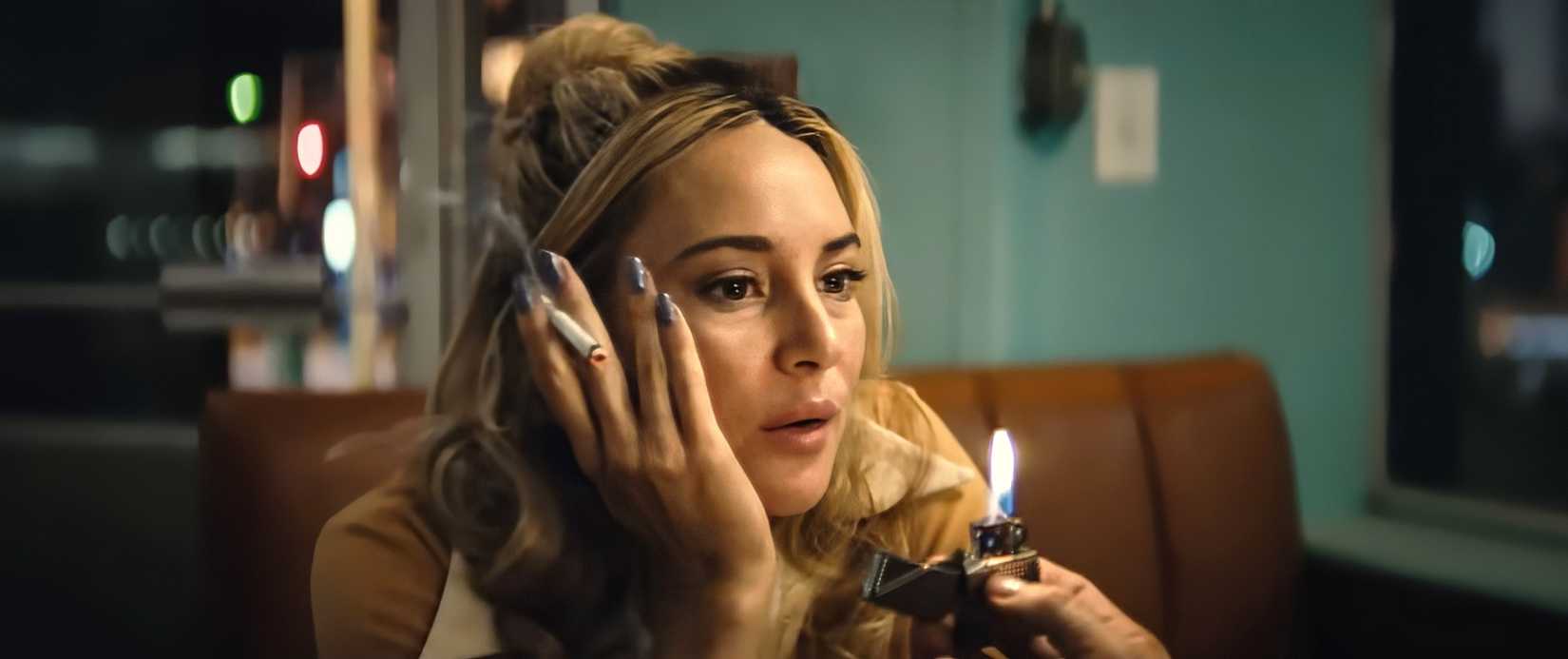
Motor City premieres in theaters on Friday, July 24. For those looking for a high-octane ride that respects the intelligence of its audience, it is a journey well worth taking.
 Lina Irawan
 Azzam Bilal Chamdy
 Basiran
