

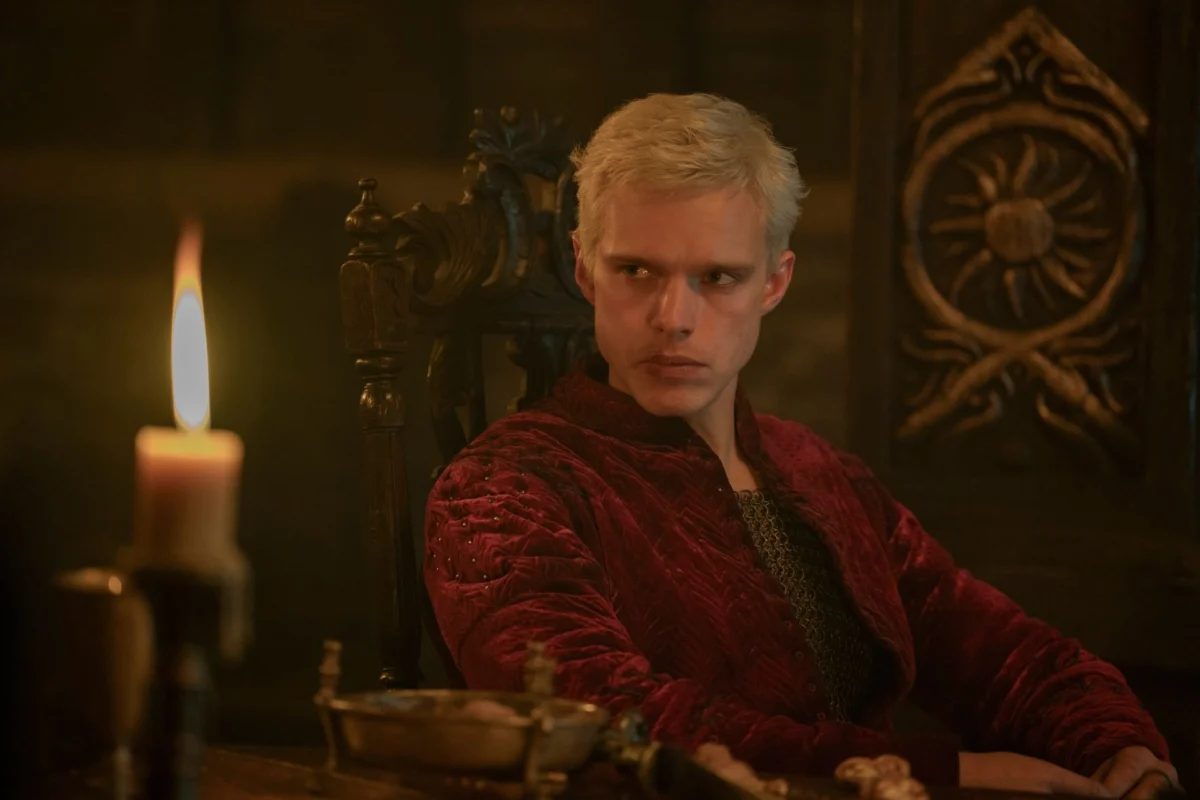
For the global legion of fans invested in the sprawling, often labyrinthine world of George R.R. Martin, the status of his literary output has become a modern folklore in its own right. With six years having elapsed since the last major publication set within the A Song of Ice and Fire universe, the patience of the readership has been stretched to its absolute limit. While the elusive The Winds of Winter remains the "white whale" of the fantasy genre, recent developments from the set of HBO’s A Knight of the Seven Kingdoms suggest that while the main saga remains in a state of suspended animation, Martin is actively feeding new, canonical material into the television pipeline.
The State of the Franchise: Main Facts and Current Developments
The core of the recent discourse stems from a candid interview with Ira Parker, the showrunner of HBO’s A Knight of the Seven Kingdoms. As the production nears the conclusion of its second season, the creative team finds itself in a unique position: adapting source material that is as finite as it is cherished.
The primary takeaway from Parker’s recent disclosures is that George R.R. Martin is not merely a consultant in name; he is actively providing the production with “canon” pages that extend beyond the existing Dunk and Egg novellas. These pages, described by Parker as "actual written prose" discovered in Martin’s personal archives, have been integrated into the show’s narrative framework. This revelation shifts the perception of the show from a simple adaptation to a potential repository for new, albeit serialized, Martin lore.
While the show enjoys a degree of autonomy, the reliance on Martin’s unpublished fragments underscores a precarious reality: the show is moving forward at a television production pace, while the source material remains tethered to the author’s famously deliberate, and often stalled, writing process.
A Chronology of the "Dunk and Egg" Wait
To understand the weight of these recent revelations, one must look at the timeline of the Dunk and Egg series, which follows the hedge knight Ser Duncan the Tall and his squire, Prince Aegon V Targaryen (Egg).
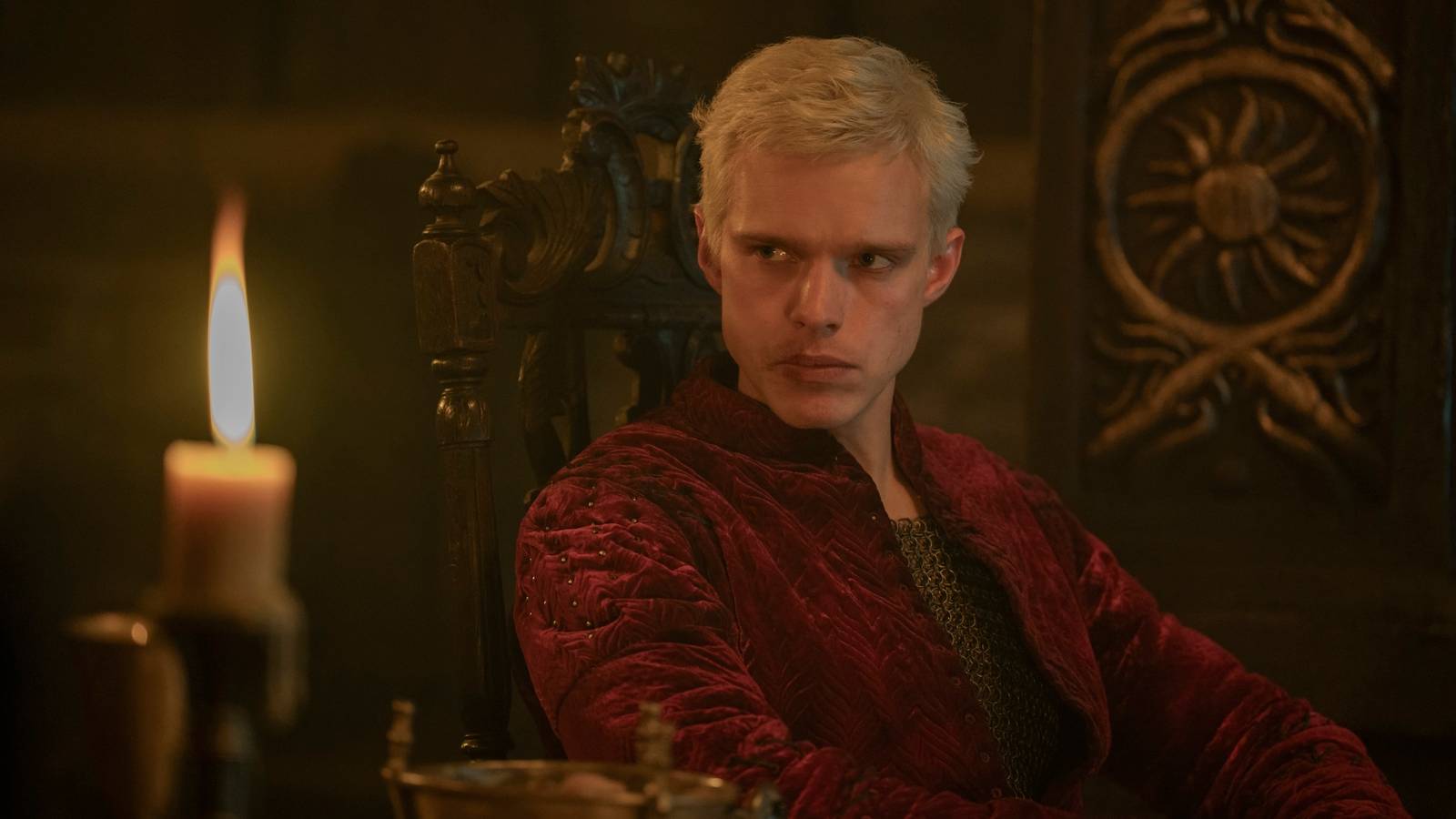
- 1998–2010: The release of the first three novellas—The Hedge Knight, The Sworn Sword, and The Mystery Knight—established a beloved, lighter-toned corner of Westeros. These stories were received with critical acclaim, providing a necessary respite from the grim intensity of the main A Song of Ice and Fire novels.
- 2014–2020: Martin frequently teased a fourth novella, often titled The She-Wolves of Winterfell, which would see the duo travel to the North. However, the priority of The Winds of Winter consistently sidelined this project.
- 2022: Martin publicly expressed his anxiety regarding the progress of the fourth novella, noting that the pressure of the upcoming HBO show created a race against time.
- 2024–2025: Martin clarified his intent to focus on the Dunk and Egg expansion only after the long-awaited sixth volume of the main series was completed.
- 2026 (Current): Showrunner Ira Parker confirms that Martin has shared unpublished prose from his files, providing the show with canonical material that effectively bypasses the traditional publication cycle.
Supporting Data: The Showrunner’s Dilemma
The logistics of producing a multi-season show based on a series of novellas present a significant challenge. Ira Parker has been vocal about his vision for the series, which includes the desire to retain the core cast—specifically Dexter Sol Ansell, who portrays Egg—across multiple seasons.
However, the biology of an actor presents a "hard limit" that does not exist in literature. As Ansell matures, the show must account for the natural aging process. Parker’s strategy for handling this is to transition the narrative scope. By moving from the "road-trip" structure of the early novellas to the political intrigue of King’s Landing and the eventual tragedy of Summerhall, the show can evolve alongside its lead actor.
Parker noted, "[We] can do Egg the Prince, do some politics, do some fun stuff in Summerhall and King’s Landing, and get a different vibe where they’re not on the road all the time." This pivot suggests that the production is planning for a long-term arc that covers the breadth of the characters’ lives, relying on Martin’s "dozen or more" outlines to fill in the gaps where published novellas do not exist.
Official Responses and the "Canon" Question
The term "canon" carries immense weight in the Game of Thrones fandom. Historically, HBO’s television adaptations were viewed as separate entities from the books. However, with Martin providing direct, unpublished prose to the production team, the line has blurred significantly.
When Parker revealed that he had received "extra stuff that—as far as George’s filing cabinets are concerned—is canon," it signaled a paradigm shift. For the dedicated reader, this creates a dilemma: does one wait for the potential release of a book, or accept the television show as the definitive version of the story?

Martin’s own updates on his "Not a Blog" over the past few years have been a mixture of optimism and defensive posturing. He has consistently maintained that The Winds of Winter is his primary focus, yet the existence of these "extra" pages suggests that his creative energy is being diverted, perhaps out of necessity or frustration, into the Dunk and Egg universe. Whether these fragments will ever be compiled into a standalone volume remains the million-dollar question.
Implications for the Future of Westeros
The implications of this new development are manifold:
- The Shift in Literary Priority: The evidence suggests that the Dunk and Egg narrative has become the "path of least resistance" for Martin. By providing prose to the showrunners, he is seeing his world come to life without the crushing weight of finishing a 1,000-page epic novel.
- The Fandom’s "Winds of Winter" Fatigue: The persistent delay of the sixth novel has led to a sense of resignation among the fanbase. Many are now viewing the Dunk and Egg show as a surrogate for the reading experience they have been denied.
- Creative Collaboration vs. Solitary Authorship: The collaboration between Parker and Martin represents a new era for the franchise. If the show succeeds in adapting these unpublished segments, it may serve as a blueprint for how legacy franchises handle unfinished works—by transitioning from individual authorship to a shared creative process between the original creator and production houses.
- The Risk of Spoilers: Fans of the books who have yet to read these potential new novellas now face the prospect of having the "official" version of the story spoiled by a television show. If the show covers the events of the fourth and fifth novellas before they reach a bookstore, the cultural impact of Martin’s writing will be significantly diminished.
Conclusion: A Bittersweet Reality
As it stands, the news from the set of A Knight of the Seven Kingdoms is a double-edged sword. On one hand, it is a triumph for the production team, who have secured the blessing and the raw materials of the creator himself to build a cohesive, canonical narrative. On the other, it serves as a stark reminder of the stagnant state of the main series.
George R.R. Martin continues to write, but he is writing for a camera lens rather than a printed page. While fans of the A Song of Ice and Fire universe may feel a pang of frustration regarding the continued silence surrounding The Winds of Winter, there is a flicker of comfort in knowing that the world of Westeros is still being expanded. Whether we get the stories in a hardcover binding or on a television screen, the legacy of Dunk and Egg is clearly destined to endure, even if the road to its completion is far longer—and more winding—than anyone originally anticipated.
 Lina Irawan
 Azzam Bilal Chamdy
 Basiran
