

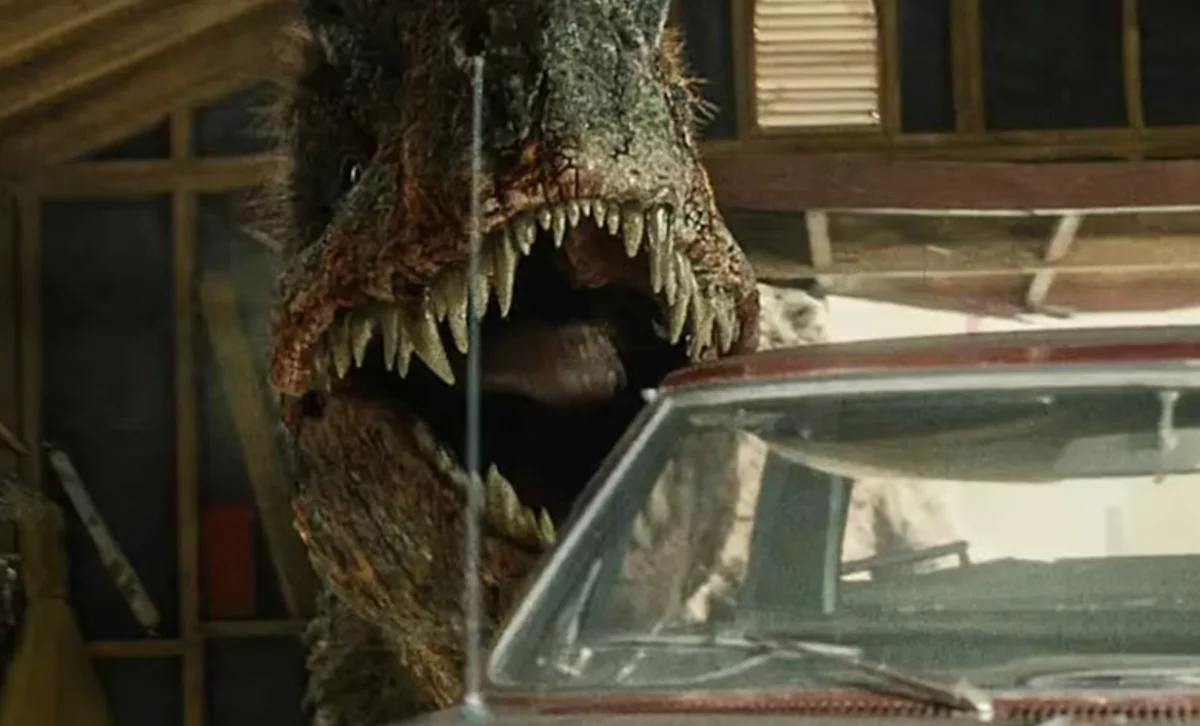
For generations of filmgoers, the sight of a prehistoric beast stomping through a modern environment has been the gold standard of high-concept cinema. Since the monumental success of Jurassic Park in 1993, the dinosaur genre has largely been defined by the Jurassic World franchise—a series built on the foundation of genetic engineering, isolated islands, and the inevitable failures of corporate hubris. However, as audiences begin to crave a fresh take on the "man versus nature" dynamic, a new contender is preparing to stomp into theaters.
Directed by David Robert Mitchell (It Follows) and produced by J.J. Abrams, The End of Oak Street promises to shift the focus from theme parks to the front lawn. Slated for a nationwide release on August 14, 2026, this science-fiction thriller trades the tropical canopy for the cul-de-sacs of suburbia, and for dinosaur enthusiasts, it couldn’t come at a better time.
The Premise: A Neighborhood Out of Time
At its core, The End of Oak Street is a high-stakes mystery wrapped in a creature-feature aesthetic. The film follows a suburban family, led by Anne Hathaway and Ewan McGregor, whose quiet, unassuming neighborhood is suddenly and violently displaced, transported wholesale through time to the age of the dinosaurs.
Unlike the Jurassic films, which often rely on the conceit of containment—trying to keep dinosaurs inside a park or a compound—The End of Oak Street flips the script. The residents are not explorers visiting a prehistoric land; they are civilians trapped in a hostile, ancient environment that has invaded their domestic space. Trailers suggest that the transition was triggered by mysterious, possibly extraterrestrial phenomena—specifically, strange "lights" and a spherical artifact—marking a departure from the biological science-fiction themes we have grown accustomed to.

Chronology of Production and Hype
The development of The End of Oak Street has been shrouded in a level of secrecy typical of a J.J. Abrams production.
- Early 2025: Initial reports surfaced regarding a collaboration between David Robert Mitchell and Bad Robot Productions. The project was initially whispered to be a small-budget indie, but ballooned into a major summer tentpole.
- Late 2025: Casting announcements confirmed the attachment of industry heavyweights Anne Hathaway and Ewan McGregor, signaling to the public that this was a project with significant emotional and dramatic weight.
- Spring 2026: First-look teasers began to circulate, creating a buzz on social media. The clever use of ironic music—pairing the upbeat, domestic nostalgia of The Flintstones theme with footage of prehistoric carnage—helped define the film’s unique, slightly unsettling tone.
- July 2026: The final marketing push began, emphasizing the film’s scientific ambition and its stark contrast to the existing Jurassic canon.
Scientific Realism and Creature Design
One of the most compelling aspects of the film, as evidenced by early marketing materials, is the commitment to a more modern, scientifically accurate depiction of dinosaurs. For years, the Jurassic franchise has faced criticism from paleontologists for its reliance on "naked" dinosaurs—creatures largely devoid of the feathers and proto-plumage that modern science confirms many species possessed.
According to data compiled by Dinopedia, The End of Oak Street features an eclectic roster of prehistoric life, including the Allosaurus, Spinosaurus, Stegosaurus, Triceratops, and the lesser-seen Garjainia. Notably, the creature design team has leaned into the "feathered" aesthetic, providing a visual texture that feels both alien and grounded. By integrating these details, the film achieves a level of visual fidelity that feels distinct from the slick, reptilian look of the Jurassic era.
The "Suburban Siege" Dynamic
The narrative tension in The End of Oak Street is derived from a concept we might call "Suburban Siege." By placing dinosaurs in a residential setting, the film forces the audience to consider how modern infrastructure—wood-frame houses, passenger vehicles, and chain-link fences—would fare against creatures that evolved to crush bone and tear through thick vegetation.

In the Jurassic films, there is often a sense of grandeur—the vastness of the island, the scope of the labs, the luxury of the resorts. The End of Oak Street offers a more claustrophobic, relatable terror. When you see a family boarding up windows that were designed to keep out the wind, not a pack of hungry Allosaurs, the stakes feel fundamentally different. It is a domestic drama where the domesticity itself is the primary target.
Industry Implications: A New Era for Creature Features?
The release of The End of Oak Street arrives at a pivotal moment for blockbuster cinema. With the Jurassic franchise currently in a period of creative transition, the market is ripe for a new interpretation of the genre. If Mitchell’s film succeeds, it could demonstrate that audiences are tired of the "theme park gone wrong" trope and are hungry for stories that experiment with temporal displacement and grounded, character-driven survivalism.
Furthermore, the involvement of J.J. Abrams suggests that the film is intended to be a franchise starter. While the mystery of how the neighborhood was moved remains the central hook, the world-building potential is vast. Does the entire planet exist in this displaced state, or is it just the neighborhood? Are the laws of physics intact, or is there an element of alternate-reality manipulation? These questions provide the necessary "water-cooler" fodder to ensure the film remains a topic of conversation long after its opening weekend.
The Verdict on Expectations
For those who grew up with the wonder of the nineties, there is a lingering fear that any new dinosaur movie will simply be a pale imitation of what came before. However, the early signs for The End of Oak Street are encouraging. It is not trying to be Jurassic Park; it is trying to be something entirely different—a genre-bending film that uses the awe of prehistoric life to heighten a story about human resilience and the fragility of our modern lives.
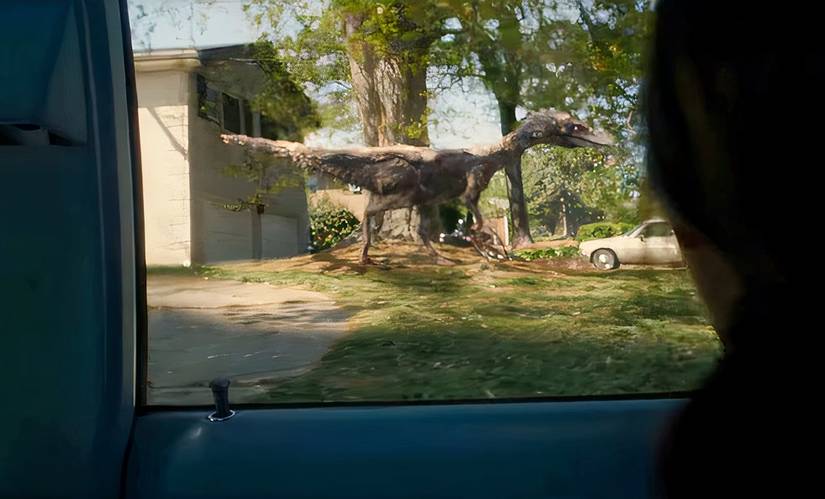
As we approach the August 14 release date, the anticipation is palpable. Whether the film ultimately succeeds in delivering a fresh perspective or simply serves as a high-octane distraction, one thing is certain: the sight of a prehistoric beast in a suburban driveway is a hook that is hard to ignore.
The dinosaurs are coming to the neighborhood, and for better or worse, the rules of the cul-de-sac are about to change forever. We recommend securing your tickets early—and perhaps keeping an eye on your backyard, just in case the "weird lights" decide to make a return visit.
Quick Facts at a Glance:
- Director: David Robert Mitchell
- Producer: J.J. Abrams
- Starring: Anne Hathaway, Ewan McGregor
- Release Date: August 14, 2026
- Key Species: Allosaurus, Spinosaurus, Stegosaurus, Triceratops, Garjainia, Ankylosaurus
- Tone: Tense, science-fiction, grounded, suspenseful
 Lina Irawan
 Azzam Bilal Chamdy
 Basiran
