

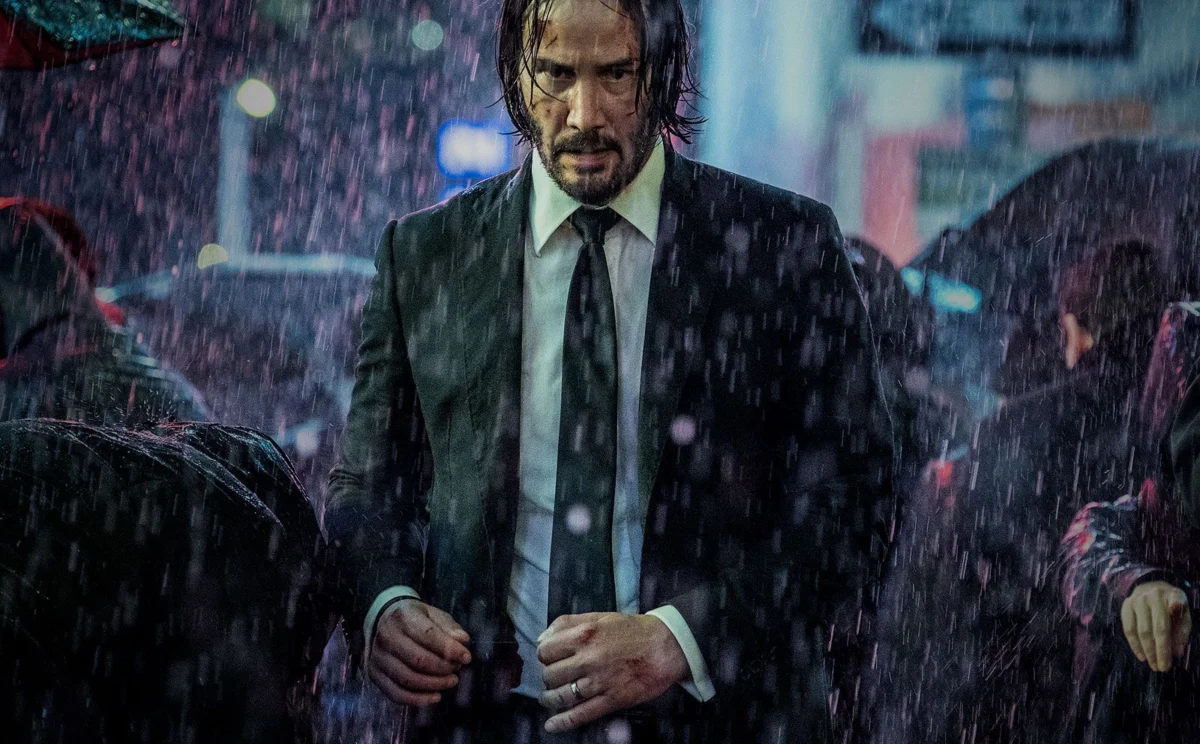
For decades, the genre of fantasy has been defined by a specific set of tropes: the chosen one, the hidden world, the ancient order, and the magical artifact. We look for these elements in the pages of Tolkien or the cinematic landscapes of Middle-earth. However, the most profound fantasy epic of the last decade hasn’t been set in a realm of dragons or elven kingdoms. It has been hiding in plain sight, tucked away in the neon-drenched, rain-slicked alleyways of a modern underworld where every bullet fired is a ritualistic act and every gold coin acts as a gateway to a secret society.
The John Wick franchise, directed by Chad Stahelski, is widely celebrated for its "gun-fu" and the kinetic, balletic choreography that redefined the action genre. Yet, beneath the surface of its high-octane violence lies a world-building masterclass that mirrors the structure of high fantasy. As the franchise currently faces a shifting landscape on streaming platforms, it is worth examining why the saga of the Baba Yaga is not just a collection of stunt-heavy blockbusters, but a cohesive, mythological epic.
The Anatomy of a Hidden World: Main Facts
At its core, the John Wick series operates on the "hidden world" paradigm common to literary giants like C.S. Lewis or J.K. Rowling. The brilliance of the franchise lies in its refusal to offer an "info-dump." Instead, the audience is treated as an initiate, expected to decipher the rules of a society that exists in parallel to our own.
The architecture of this world is built on three pillars:
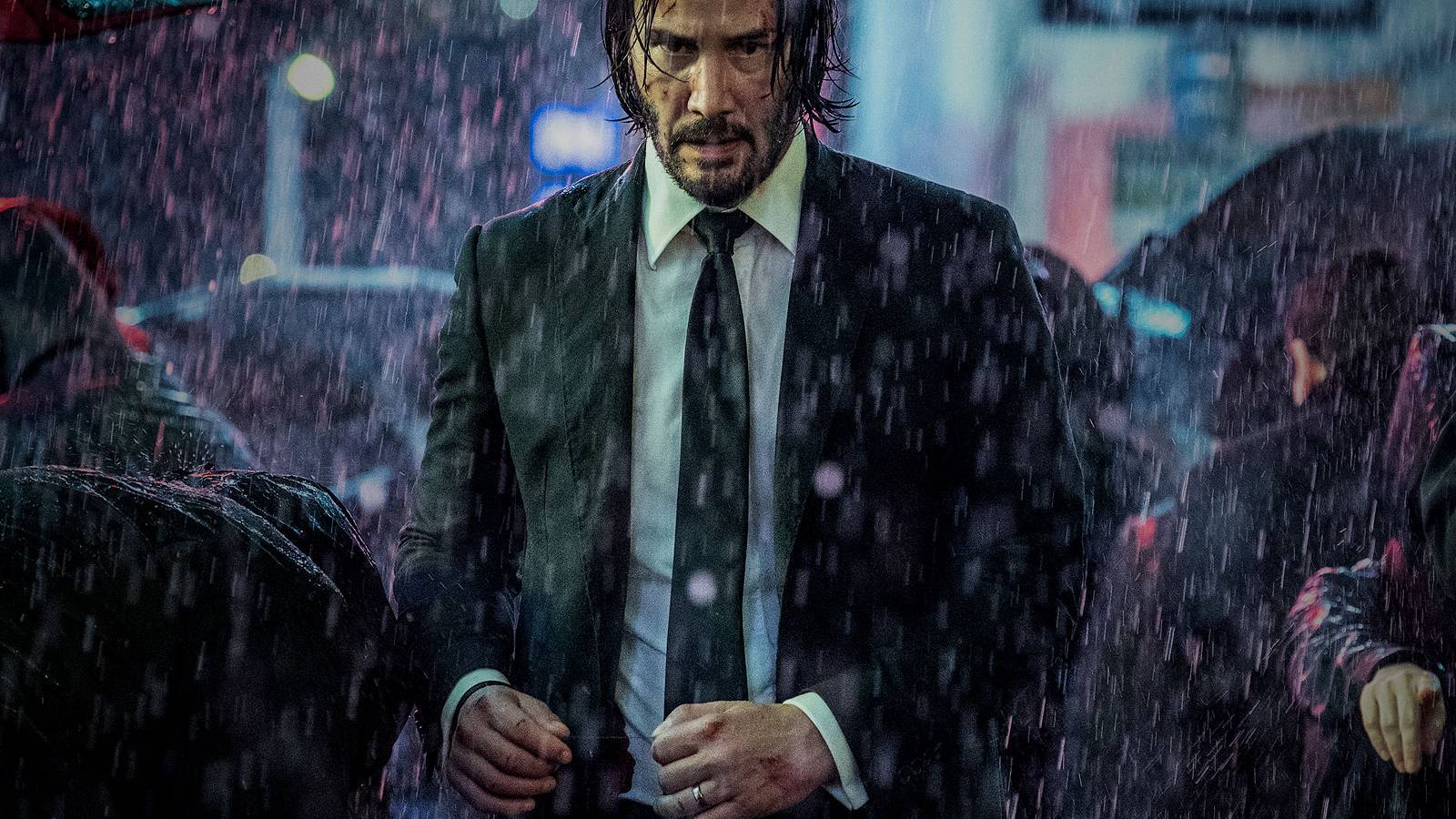
- The Economy of Ritual: Gold coins serve as the currency of a closed-loop economy. They are not merely money; they are tokens of status, favor, and membership.
- The Sanctuary Laws: The Continental hotels serve as the "neutral ground" or "sacred sanctuaries" found in medieval folklore. The rule that "no business may be conducted on Continental grounds" is treated with the solemnity of a blood oath.
- The High Table: This governing body functions exactly like an immortal royal court. Its reach is global, its laws are absolute, and its authority supersedes the laws of any nation-state.
These elements combine to create a universe where the environment itself acts as a character. While the protagonist, played by Keanu Reeves, is the catalyst for the conflict, the world of the High Table provides the gravity that pulls the story into the realm of myth.
A Chronological Descent into the Underworld
The progression of the John Wick films serves as a map of an expanding kingdom.
- John Wick (2014): The introduction. The audience is confined to the local ecosystem—the hitmen, the cleaners, and the hotel concierge. The stakes are personal, domestic, and seemingly small-scale.
- John Wick: Chapter 2 (2017): The horizon expands. We learn of the "Markers"—physical objects that represent blood debts. The narrative shifts from a revenge tale to a geopolitical thriller, moving the action to Rome and revealing the "High Table" as the ultimate seat of power.
- John Wick: Chapter 3 – Parabellum (2019): The exile. John becomes an "excommunicado," a pariah stripped of his status within the order. The journey to the Moroccan desert serves as a pilgrimage to find the "Elder," a figure who exists above the laws of the High Table, mirroring the "god-tier" figures of epic fantasy.
- John Wick: Chapter 4 (2023): The revolution. The franchise culminates in a grand tour of the world’s power centers—Osaka, Berlin, Paris—each functioning as a distinct fiefdom with its own traditions and guardians. The struggle is no longer just for survival; it is for the liberation of the soul from an ancient, oppressive order.
Supporting Data: The Craft Behind the Myth
The "fantasy" designation is not merely a thematic observation; it is a structural reality confirmed by the filmmaking process. Stahelski, a former stunt coordinator, treats the action not as mindless chaos, but as a language.
Unlike the frantic, shaky-cam aesthetic of the early 2000s, John Wick utilizes long takes and wide shots that emphasize the "rules" of the fight. Every movement is a form of physical storytelling. In a fantasy novel, a hero’s sword is an extension of their character; in John Wick, a firearm is an extension of the character’s rank and history.

Furthermore, the consistency of the world-building is statistically rare for modern action franchises. While series like The Fast and the Furious have pivoted toward escalating spectacle (e.g., cars in space), John Wick has maintained a rigid adherence to its own internal logic. The "Continental" protocol, the specific attire of the assassins (bulletproof suits), and the specific roles of the "Adjudicator" or "Bowery King" all operate within a framework that treats the criminal underworld as a living, breathing history.
Official Perspectives: The Philosophy of the "Baba Yaga"
In various interviews, Keanu Reeves has described his character not as a traditional hero, but as a man trapped by his own legend. The moniker "Baba Yaga"—a figure from Slavic folklore—is central to this. In the real world, the Baba Yaga is a supernatural being, often an ambiguous force of nature. By casting Reeves, an actor who has spent his career navigating hidden worlds (The Matrix, Constantine), the films lean into the archetype of the "reluctant warrior" or the "knight-errant."
Director Chad Stahelski has often noted that the films are designed to feel like "Greek mythology for the modern age." He has stated that he wanted to create a world that felt like it had been running for a thousand years, regardless of whether the audience was there to watch it. This commitment to "off-screen depth" is why the series feels so immersive. The High Table doesn’t explain its origins because it doesn’t have to; it is the natural law of this universe.
Implications: The Legacy of a Genre-Bender
As the John Wick franchise reaches its current streaming milestones, the implications for the action genre are profound. The success of these films has proven that audiences are hungry for "high-concept action"—stories that combine the visceral thrill of combat with the intellectual stimulation of deep world-building.
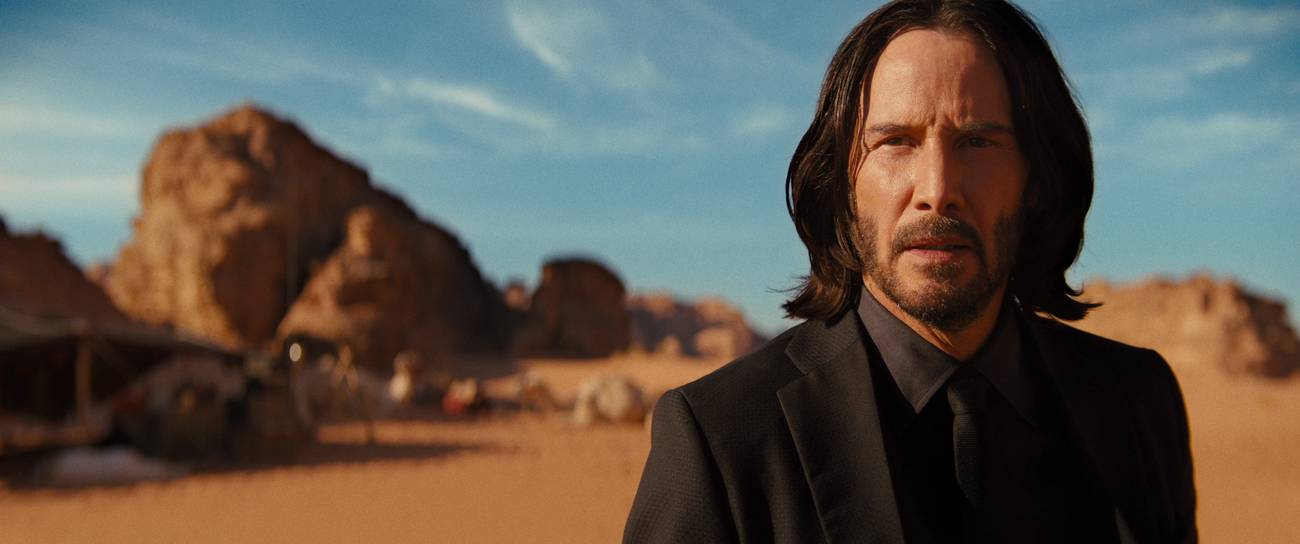
By framing the criminal underworld as a fantasy setting, John Wick has effectively future-proofed itself. It has moved beyond the simple "revenge plot" to become a template for how to build a cinematic universe without relying on capes or superpowers.
The primary implication for the viewer is a shift in perspective. Once you stop viewing John Wick as a series about a hitman seeking vengeance, and start viewing it as a saga about a man navigating the labyrinthine politics of a secret, immortal society, the films gain an entirely new dimension. The headshots become the "spells" of this world; the concierge, Charon, becomes the guardian of the threshold; and the gold coins are the keys to a kingdom that we are all walking past, every single day.
As the films cycle through streaming services, they remain a testament to the idea that fantasy does not require magic wands or dragons. It requires only a set of rules, a sense of history, and a hero who is willing to burn the entire world down just to be free of it.
 Lina Irawan
 Basiran
