

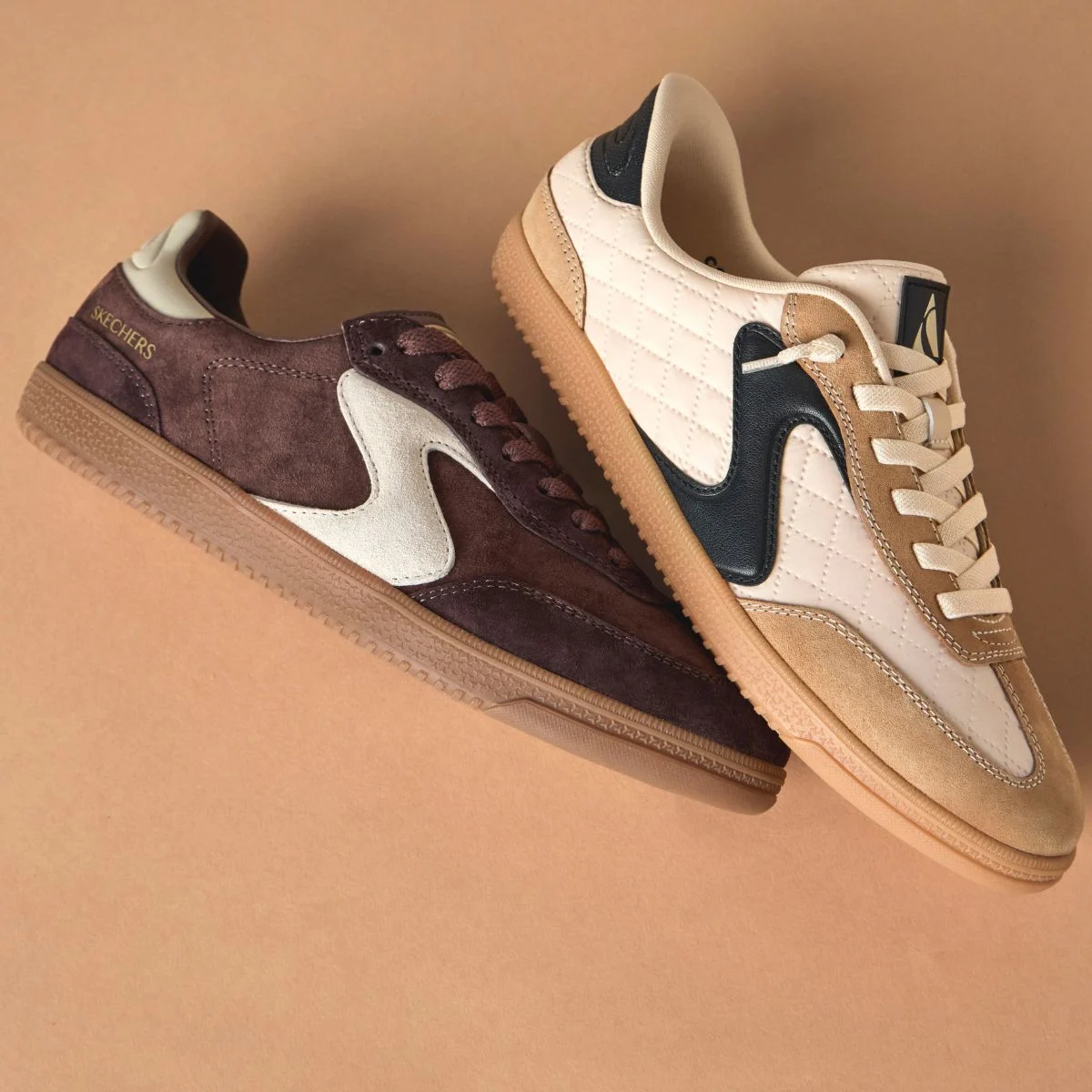
Whether you are navigating the concrete landscape of a bustling city, racing through an international airport terminal, managing a high-intensity retail shift, or simply taking your dog for an evening stroll, your footwear serves as the foundation of your daily experience. For too long, the industry forced a binary choice upon consumers: you could either wear high-performance, aesthetically unappealing orthopedic shoes, or you could prioritize style and sacrifice the long-term health of your feet.
That paradigm has officially shifted. Today, the intersection of biomechanical engineering and modern fashion has birthed a new generation of walking sneakers that provide professional-grade support, plush cushioning, and sleek silhouettes suitable for almost any occasion. As foot fatigue becomes a primary concern for the modern, mobile individual, understanding the technology behind your footwear has never been more critical.
The Biomechanics of the Perfect Stride
To understand why a specific sneaker is considered "supportive," one must look at the trio of engineering pillars: cushioning, arch support, and structural stability.
Cushioning serves as the shock absorption system for the body. When a foot strikes the ground, the impact sends vibrations through the ankle, knee, and hip joints. High-quality foam—such as the proprietary compounds found in Adidas’ Cloudfoam or Skechers’ Contour Foam—dissipates this energy, reducing the load on your skeletal system.
Arch support is equally vital. A lack of proper support can lead to pronation issues, where the foot rolls inward or outward excessively, causing strain on the plantar fascia. Finally, a stable outsole provides the "chassis" of the shoe. Whether it is the Aosta 7.0 rubber used by K-Swiss or the specialized grooves found in lululemon’s workout line, the outsole ensures that the energy you expend is translated into forward momentum rather than lost to instability.
A Chronology of the Modern Walking Shoe
The transition of the walking sneaker from a niche athletic tool to a fashion-forward staple occurred in stages:
- The Early 2000s: The "Athleisure" movement begins, as heritage brands like Nike and New Balance start experimenting with lifestyle-specific models that borrowed tech from elite running silhouettes.
- 2015–2018: The "Slip-on Revolution." Brands like Kizik and Skechers identified a significant gap in the market for aging populations and busy professionals who demanded convenience without the compromise of structural integrity.
- 2020–2022: The pandemic-era focus on wellness accelerated the demand for high-comfort footwear. As consumers shifted to walking as their primary form of exercise, the demand for "all-day wearability" spiked.
- 2023–Present: The integration of sustainable materials—seen in the Allbirds Tree Dasher line and various vegan-certified options—has become a standard requirement for the conscious consumer.
Curated Comfort: The Best Sneakers for Every Lifestyle
Selecting the right pair of shoes depends heavily on your specific needs. Based on editorial research and user testimonials, we have categorized the current leaders in the field.
The Ease-of-Use Specialists
For those who suffer from mobility issues or simply value efficiency, slip-on technology has been a game changer.
- Kizik Madrid: By utilizing a patented "bendable heel" technology, these shoes allow users to step in without ever bending over. For those recovering from surgeries or dealing with chronic back pain, this is more than a convenience—it is a medical necessity.
- Skechers Slip-ins (Contour Foam & Hotshot): Skechers has effectively cornered the market on hands-free entry. By integrating their "Heel Pillow" design with Air-Cooled Memory Foam, they have created a shoe that feels like a slipper but performs like a trainer.
The Performance-Minded Options
If your walking routine involves power-walking or light athletic activity, you need shoes that prioritize energy return.

- K-Swiss Ultrashot 4: This model stands out for its custom graphite winglet, which provides unmatched lateral stability. It is the ideal choice for someone who moves between the tennis court and the sidewalk.
- lululemon Chargefeel 3: Often overlooked by those who view lululemon strictly as a yoga apparel brand, this shoe features a dual-density foam setup that is specifically mapped to the movement of the female foot, offering flexibility where it’s needed most.
- Ryka Devotion X: Ryka holds a unique position in the industry by designing shoes exclusively for the female foot shape. Their anatomical inserts provide targeted impact protection, making them a favorite among nurses and retail workers who spend 10+ hours on their feet.
The Everyday Aesthetic
Sometimes, you need a shoe that transitions from the office to the grocery store without looking like gym equipment.
- Nike P-6000: A cultural icon, this shoe marries the archival design of the Pegasus line with modern comfort upgrades. It offers a "retro-cool" look that pairs perfectly with denim or casual trousers.
- Adidas X_PLR Path: With a focus on the Cloudfoam midsole, this sneaker is perhaps the best example of "stealth comfort." It looks minimal and modern but provides the high-level cushioning of a professional runner.
- New Balance Fresh Foam Arishi V4: New Balance remains the gold standard for "dad shoe" chic, but the Arishi V4 proves they are also masters of the lightweight, breathable daily commuter.
Supporting Data: Why Quality Matters
The financial implications of poor footwear are often ignored until the injury occurs. According to podiatric health experts, the average person takes between 5,000 and 10,000 steps a day. If your shoes lack adequate shock absorption, that impact is cumulative.
Research indicates that sneakers equipped with responsive midsole cushioning can reduce the rate of foot fatigue by up to 30% over an eight-hour period. Furthermore, the market for these sneakers has become remarkably democratic. While high-end performance shoes can exceed $200, the current landscape offers excellent, podiatrist-approved options starting under $50. This accessibility ensures that foot health is no longer a luxury reserved for those with the highest disposable income.
Official Industry Responses and Sustainability
Major manufacturers have faced increasing pressure to provide transparency regarding the lifespan and sustainability of their footwear. Skechers, for instance, has moved toward more "vegan-certified" manufacturing, while Allbirds has built their entire brand identity on the use of eucalyptus fiber and renewable materials.
When we interviewed representatives from top footwear retailers, a consistent theme emerged: the consumer is no longer asking, "Is it cute?" They are asking, "How will this feel at hour eight?" This shift has forced brands to prioritize long-term durability over fast-fashion trends. Manufacturers are now investing more in laboratory testing—measuring how materials degrade after 500 miles of use—to ensure that their "walking" shoes actually survive the rigors of daily life.
Implications for the Consumer
The implications of this shift are twofold. First, we are entering an era of "functional fashion." The stigma of wearing comfortable shoes is effectively dead; in fact, the oversized, cushioned sneaker is currently at the forefront of global fashion trends.
Second, the consumer is now more empowered than ever. With the rise of online reviews and editorial testing, you no longer have to rely on a salesperson’s pitch. You can cross-reference your specific needs—whether it is a wide toe box, high arch support, or machine-washability—against verified customer experiences.
A Final Tip for the Shopper
When browsing for your next pair, keep these three rules in mind:
- Size Matters: Many brands, such as Allbirds, run small. Always check the brand-specific sizing guides rather than relying on your standard size.
- Timing is Everything: Shop for shoes in the afternoon. Your feet naturally swell throughout the day, and a shoe that fits perfectly at 9:00 AM may be too tight by 5:00 PM.
- The "Thumb Rule": Always ensure there is about a thumb’s width of space between your longest toe and the front of the shoe.
Whether you opt for the tech-heavy K-Swiss or the effortlessly stylish Nike P-6000, the most important takeaway is this: you only get one pair of feet. Investing in footwear that supports, protects, and cushions your movement is the single most effective way to improve your daily quality of life. The technology exists, the styles are available, and the comfort you’ve been searching for is just one step away.
 Lina Hope
 Asro
Asro
 Raul Delapena Setiawan
