

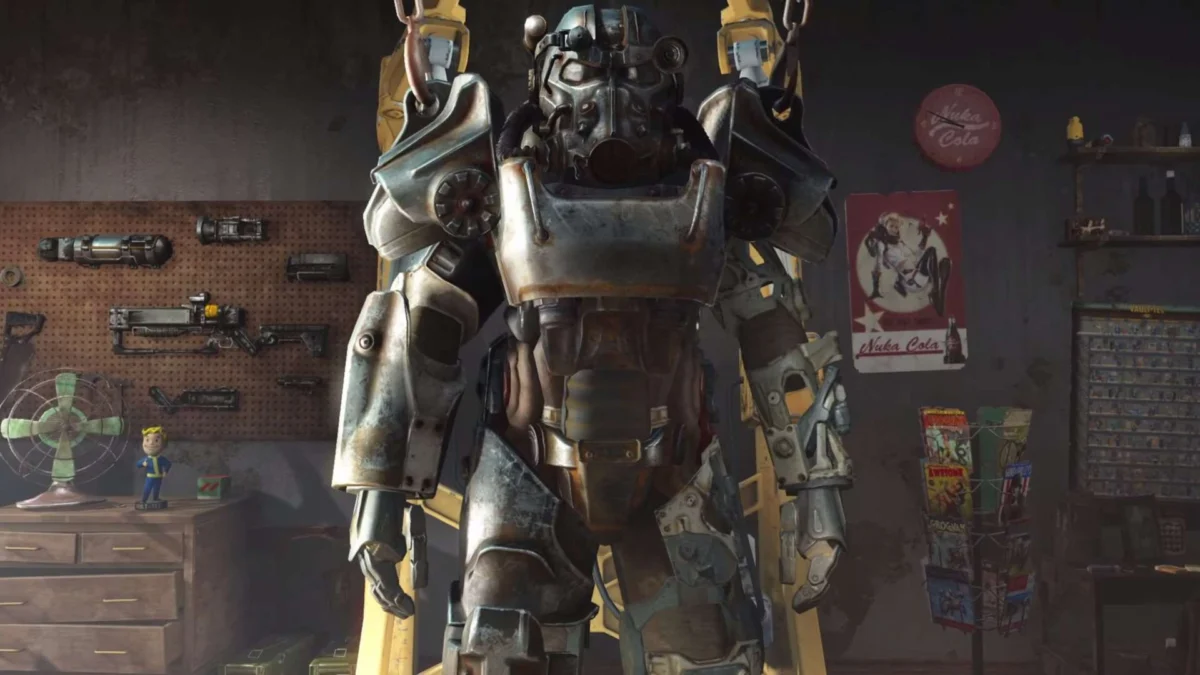
September 2026 — Driven by a surging demand for post-apocalyptic content across the gaming industry and a massive renewed cultural footprint, Bethesda Softworks has officially pulled back the curtain on its comprehensive roadmap for the Fallout franchise. Following a prolonged drought of mainline single-player entries, the studio has confirmed that multiple Fallout projects are currently in active development. Among the most anticipated announcements are long-awaited remasters of two beloved classics—Fallout 3 and Fallout: New Vegas—bringing modern technical fidelity to the titles that defined a generation of role-playing games.
The sweeping wave of announcements also touched upon the horizon of the franchise, cementing the early development status of Fallout 5, detailing an upcoming major expansion for Fallout 76, and teasing a mysterious new collaboration with Obsidian Entertainment. Together, these initiatives signal an aggressive reinvestment in one of gaming’s most valuable and enduring intellectual properties by parent company Microsoft and Xbox.
Main Facts: A New Era for the Wasteland
The confirmation of active development on multiple fronts marks a turning point for Bethesda Game Studios. For years, fans have speculated about the future of the franchise, particularly in the wake of the massive success of Amazon’s live-action Fallout television series, which introduced the wasteland to millions of new viewers.
Key pillars of Bethesda’s multi-year franchise roadmap include:
- The Remasters: Official confirmation that Fallout 3 and Fallout: New Vegas are being remastered for modern hardware platforms.
- Fallout 5: Currently sitting in pre-production as Bethesda’s ultimate "long-range destination" once current projects wrap up.
- Fallout 76 Content: A massive upcoming expansion titled Raven Rock, scheduled to launch in 2027 as a narrative prequel to Fallout 3.
- External Collaborations: A brand-new Fallout project currently underway at Obsidian Entertainment, raising hopes for a return to the stylistic choices of the Western wasteland.
Despite these grand ambitions, the studio also noted a shift in its celebratory calendar. Bethesda has confirmed that it will bypass a traditional "Fallout Day broadcast" for October 2026, choosing instead to focus resources on a monumental live celebration in Washington, D.C., to mark the franchise’s 30th anniversary in 2027.
Chronology of the Franchise and the Roadmap to Today
To understand the weight of Bethesda’s current announcements, it helps to examine the timeline of the franchise, the leaks that preceded these revelations, and the corporate developments that made them possible.
The Origins and Modern Renaissance
- 1997: Interplay Entertainment releases the original Fallout, establishing the isometric, turn-based post-nuclear role-playing paradigm.
- 2008: Bethesda Softworks releases Fallout 3 for PC, Xbox 360, and PlayStation 3. Marking the franchise’s transition into a 3D open-world experience, the game becomes a critical and commercial landmark, set in the ruined capital of the United States.
- 2010: Obsidian Entertainment develops Fallout: New Vegas, utilizing Bethesda’s engine to craft a beloved narrative set in the Mojave Desert, praised for its deep factional politics and branching writing.
- 2015–2018: Fallout 4 launches to immense popularity, followed by the multiplayer-focused survival title Fallout 76, which experiences a rocky launch before evolving into a stable, thriving online community over subsequent years.
- 2020: The existence of a Fallout 3 remaster first leaks to the public via court documents submitted during the Federal Trade Commission’s (FTC) legal scrutiny over Microsoft’s multi-billion dollar acquisition of Activision Blizzard.
- 2025: Bethesda marks the 10-year anniversary of Fallout 4 with the release of the Fallout 4: Anniversary Edition, bundling the base game, all six major DLC add-ons, and over 150 items from the Creation Club. This follows the successful launch of The Elder Scrolls 4: Oblivion Remastered, co-developed alongside Virtuos.
- July 2026: Bethesda releases a massive public roadmap outlining its multi-year strategy, confirming the long-rumored remasters of Fallout 3 and New Vegas, the pre-production phase of Fallout 5, and upcoming projects with Obsidian.
Supporting Data: Project Breakdowns and Historical Context
While concrete release windows for the upcoming remasters and Fallout 5 remain under wraps, the scope of these projects reveals a structured pipeline at Bethesda Game Studios and its sister studios under Xbox.
Fallout 3 Remaster
Originally launched in 2008, Fallout 3 fundamentally shifted the DNA of the franchise. Thrusting players out of Vault 101 into the desolate Capital Wasteland surrounding Washington, D.C., it introduced modern audiences to the Brotherhood of Steel, Super Mutants, and the iconic V.A.T.S. combat system. Though rumors of its remaster surfaced as early as 2020 through leaked Microsoft documents, fans can now expect modern graphical updates, potential quality-of-life adjustments, and high-framerate support for current-generation consoles and PC.

Fallout: New Vegas Remaster
Widely regarded by a vocal segment of the fanbase as the pinnacle of modern 3D Fallout storytelling, Obsidian’s 2010 spin-off captured the gritty, spaghetti-western flavor of the Mojave. Dealing with the New California Republic (NCR), Caesar’s Legion, and the mysterious Mr. House, New Vegas suffered from notoriously buggy technical performance at launch. A dedicated remaster offers a golden opportunity to polish its mechanics, smooth out its frame rates, and present its legendary narrative without the technical constraints of the seventh-generation console era.
Fallout 5 and Raven Rock
While Fallout 5 is officially the studio’s "long-range destination"—meaning it sits behind The Elder Scrolls VI in Bethesda’s development queue—its presence in pre-production ensures that narrative groundwork is being laid. Meanwhile, Fallout 76 continues to hold down the fort with live-service updates. The 2027 Raven Rock expansion is particularly notable, acting as a direct narrative prequel to the events of Fallout 3 and delving deeper into the pre-war secrets of the Enclave and the government installations hidden beneath the East Coast.
Official Responses and Industry Context
The corporate push behind these announcements is inextricably linked to Microsoft’s acquisition of ZeniMax Media (Bethesda’s parent company). With Xbox seeking premier franchises to drive engagement on Game Pass and hardware sales, reviving dormant or beloved single-player RPG experiences is a strategic imperative.
In an official statement released this summer, Bethesda noted: "We have multiple Fallout projects in active development right now… Fallout 5 is our long-range destination, but our commitment to the wasteland spans across all our teams and partners."
The decision to lean back into single-player remasters also reflects a broader industry trend where publishers look to bridge the multi-year gaps between mainline entries by modernizing classic libraries. Following the warm reception of The Elder Scrolls 4: Oblivion Remastered, Bethesda has proven its willingness to revisit its past catalog using modern tools, setting a clear precedent for how the Fallout remasters will be handled.
Furthermore, the involvement of Obsidian Entertainment—now also a subsidiary of Microsoft under Xbox Game Studios—brings the franchise full circle. Having Obsidian return to the universe they helped shape in New Vegas points toward a collaborative, synergistic future for the IP that has not existed since 2010.
Implications for the Gaming Landscape
The announcement of a robust, multi-tiered Fallout pipeline carries significant implications for both Bethesda and the broader RPG genre:
- Bridging the Generation Gap: With Fallout 5 years away due to the production cycle of The Elder Scrolls VI, the remasters of Fallout 3 and New Vegas will serve as vital cultural bridges. They will keep the franchise fresh in the minds of consumers, capitalizing on the momentum generated by Amazon’s television adaptation.
- Standardization of Remasters: Bethesda’s increasing comfort with remasters—following Oblivion and Fallout 4: Anniversary Edition—suggests a systematic approach to portfolio preservation. Rather than leaving classic games trapped on aging hardware, major publishers are increasingly recognizing the value of giving historic titles a fresh coat of paint for modern displays.
- The Xbox Ecosystem Advantage: As exclusives or day-one Game Pass releases, these titles reinforce the value proposition of Microsoft’s gaming ecosystem. Ensuring that a subscriber can access everything from Fallout 3 Remastered to Fallout 5 under one digital roof strengthens platform loyalty.
As the gaming community looks ahead to the franchise’s 30th-anniversary celebration in Washington, D.C., in 2027, the wasteland has never looked brighter—or more nuclear.
 Lina Irawan
 Azzam Bilal Chamdy
 Basiran
