

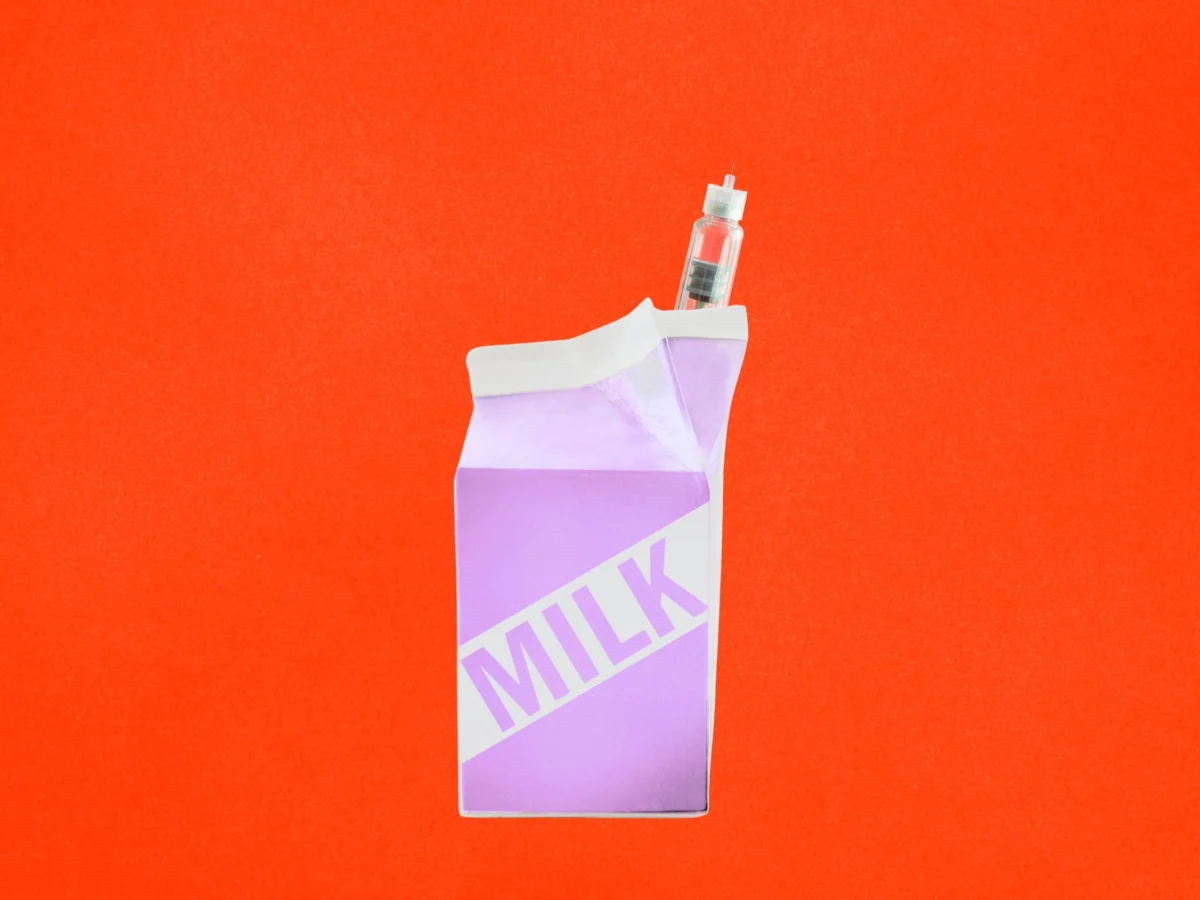
For many people, the rise of popular GLP-1 receptor agonists like Wegovy and Ozempic has been nothing short of revolutionary, offering a powerful medical intervention for weight management. But alongside the physical transformations comes a quieter, more clandestine phenomenon: the widespread practice of hiding the medication from romantic partners, family members, and even primary care doctors.
Driven by the persistence of societal weight stigma, fear of relationship conflict, and the barrier-breaking convenience of modern telehealth platforms, a growing subculture of users is going to extraordinary lengths to conceal their treatment. From stashing injection pens in tomato paste boxes to relying on artificial intelligence for medical advice, the secret lives of GLP-1 users highlight a fascinating intersection of modern medicine, psychological vulnerability, and interpersonal dynamics.
Main Facts: The Anatomy of GLP-1 Secrecy
The reality of secret medication use is increasingly coming to light as millions of prescriptions are filled nationwide. While public discourse often focuses on the physical efficacy and side effects of these drugs, the social and emotional toll of secrecy is becoming a significant secondary concern for medical professionals.
At the center of this trend are several core dynamics:
- Elaborate Concealment: Users hide temperature-sensitive injection pens in refrigerators using creative disguises—ranging from butter stick boxes and children’s play food containers to expired condiment jars and probiotic bottles.
- The Telehealth Factor: Digital healthcare platforms have streamlined access to weight loss medications, making it remarkably easy to obtain prescriptions without traditional primary care oversight—which also makes it easier to keep the treatment a secret.
- Relationship Tensions: Many users fear that disclosing their medication use will invite lectures, criticism, or complex emotional shifts in their romantic partnerships.
- Medical Risks: Hiding medication use from primary care doctors or partners can create dangerous blind spots regarding drug interactions, pregnancy risks, and psychological stress.
Chronology: Caroline’s Journey with Wegovy and Secrecy
To understand how individuals navigate this hidden landscape, it helps to examine the trajectory of users like Caroline, a 34-year-old living in Montreal whose experience mirrors that of many others.
Phase One: Initial Treatment and Rapid Results
At five feet four inches and 130 pounds, Caroline did not fall into the clinically obese category. Exhausted by conventional weight loss methods and convinced a traditional doctor would deny her request, she turned to the internet. Finding a telehealth physician who prescribed Wegovy over the phone without verifying her weight, she began injections.
Over six months, she successfully shed 30 pounds, returning to what she considered her "healthy original weight" of 100 pounds. While she initially told her boyfriend, mother, and close friends, her loved ones grew concerned about the extent of her rapid weight loss and urged her to stop.
Phase Two: The Cessation and the Rebound
Hoping to satisfy her family and believing she no longer needed medical intervention, Caroline stopped taking Wegovy after six months. The biological reality of the medication quickly caught up with her: she regained 10 pounds in a single month.
"I realized, I can’t stop," Caroline recalls. The abrupt return of the weight made it clear that maintaining her results would require ongoing treatment.
Phase Three: The Secret Maintenance Phase
For the past six months, Caroline has been taking a maintenance-level dose of Wegovy. However, this time, she is keeping it entirely a secret from her boyfriend and family. With discussions about marriage and children now on the horizon, her partner has made it clear he is opposed to the drug due to its visible impacts.
Because Caroline lives alone, storing the medication in the back of her refrigerator is relatively straightforward. But traveling presents immense logistical hurdles. She is forced to sneak the pens into hotel mini-fridges or—most awkwardly—hide them in the refrigerators of her visiting in-laws, praying they will not discover the stash.
Compounding her stress, Caroline has not informed her primary care physician out of fear of breaking trust, even though she is currently taking other medications, such as Accutane and Ritalin. To manage potential drug interactions, she has resorted to an unconventional substitute: "I use ChatGPT as my doctor at this point since I can’t be honest with my own doctor."
Supporting Data and the Digital Subculture
Caroline’s experience is far from isolated. Across online forums and social media platforms, a thriving digital subculture exists where users trade tips on how to effectively conceal their medical regimens.
On a recent thread in the Reddit community r/GLP1microdosing, users openly shared their stealth storage methods. Suggestions ranged from repurposing empty bottles of Alani Nu supplements and women’s probiotics to hiding pens inside boxes of anchovy paste, baking soda, feta cheese containers, and metal water bottles. The humor in these threads often masks a deeper, underlying anxiety about judgment and unsolicited opinions.
Medical professionals are taking notice. Dr. Kia Mitchell, a family and obesity medicine specialist based in Jacksonville, Florida, frequently encounters patients who go to similar lengths.
"When someone is trying to lose weight, we want their stress hormones to be as low as possible," Dr. Mitchell explains. "If you’re trying to hide [medication], we’ll be fighting an uphill battle if you’re stressed about that."
Despite the stress, Dr. Mitchell notes that secrecy often stems from a desire to reclaim autonomy. "There’s this loss of control with the gaining of the weight, but being able to control the narrative around weight loss has been empowering and exciting for her patients," she says. "Because now they can reveal it on their own terms. That’s where the control comes back."
Official Responses and Telehealth Perspectives
The rise of telehealth platforms like Hers and Ro has fundamentally transformed how patients access weight-loss drugs. While these platforms have democratized access and reduced the initial friction of seeking care, they have also amplified the disconnect between specialized weight-loss prescriptions and comprehensive primary care.
Dr. Craig Primack, the head of weight loss at Hers, acknowledges that the company’s prescribing doctors "do ask [patients] to talk with their primary care doctor about the care they’re getting." While direct verbal counseling may be minimal compared to traditional in-person visits, Dr. Primack notes that the platform incorporates digital mental health check-ins and psychologist-built resources regarding sleep and eating behaviors through its app.
Dr. Primack is well aware that patients frequently hide their medications from their partners, citing a mix of financial concerns, a desire to prove their success independently, and complicated relationship dynamics.
"Your weight and persona set up a dynamic in your couple," Dr. Primack observes. "When you start changing that, sometimes spouses get very jealous—‘Oh my god, you’re becoming potentially more attractive.’ Not that weight is directly linked to that, but that’s what I hear them say."
Furthermore, Dr. Primack emphasizes that telemedicine serves a vital role by mitigating the pervasive bias and stigma associated with weight management. For many patients, the fear of judgment from a local physician is what pushes them toward digital alternatives in the first place.
Implications: Navigating Stigma, Secrecy, and Honesty
The trend of secret GLP-1 usage carries significant implications for both physical health and psychological well-being.
Medical and Physiological Risks
From a clinical standpoint, concealment introduces tangible hazards:
- Unmonitored Interactions: As in Caroline’s case, hiding use from primary care physicians prevents proper oversight of potential drug-to-drug interactions.
- Pregnancy Risks: GLP-1 medications can significantly impact fertility and are generally not recommended during conception or pregnancy. Dr. Mitchell notes several unplanned "GLP-1 babies" born to patients whose usage went unshared with partners or doctors.
- Side Effect Management: Gastrointestinal and other potential side effects are harder to manage when a patient has no trusted confidant to turn to for support during difficult adjustments.
Psychological Fallout
The emotional burden of maintaining a double life can undermine the psychological benefits of weight loss. Dr. Rachel Goldman, a clinical assistant professor in the department of psychiatry at NYU Grossman School of Medicine, stresses that while the desire to protect one’s privacy is understandable, long-term secrecy often breeds chronic stress.
However, Dr. Goldman offers a constructive path forward for those contemplating how to share their health journey with loved ones. She recommends that patients first ground themselves in their own motivations:
- Identify the "Why": Understand what led to the decision and what the treatment means for personal health and well-being.
- Use "I" Statements: Frame conversations around personal experiences and health needs rather than inviting external debates about the medication itself.
- Anticipate Reactions: Prepare for different scenarios and clearly define what kind of support is needed—whether it’s active encouragement, understanding, or simply space to make personal health decisions without judgment.
- Allow Time for Processing: Recognize that a partner’s initial reaction may be rooted in shock, misconception, or personal bias, and that understanding can evolve over time.
"Ultimately," Dr. Goldman concludes, "the goal isn’t to have a perfect conversation, but it’s to open the door to more honesty, connection, and support over time."
Until that cultural shift occurs, however, many individuals will likely continue balancing their health goals behind closed doors—navigating the delicate line between medical self-care and the preservation of domestic peace, sometimes with the quiet help of a cleverly disguised container in the back of the fridge.
 Lina Hope
 Asro
Asro
 Sagoh
Sagoh
