

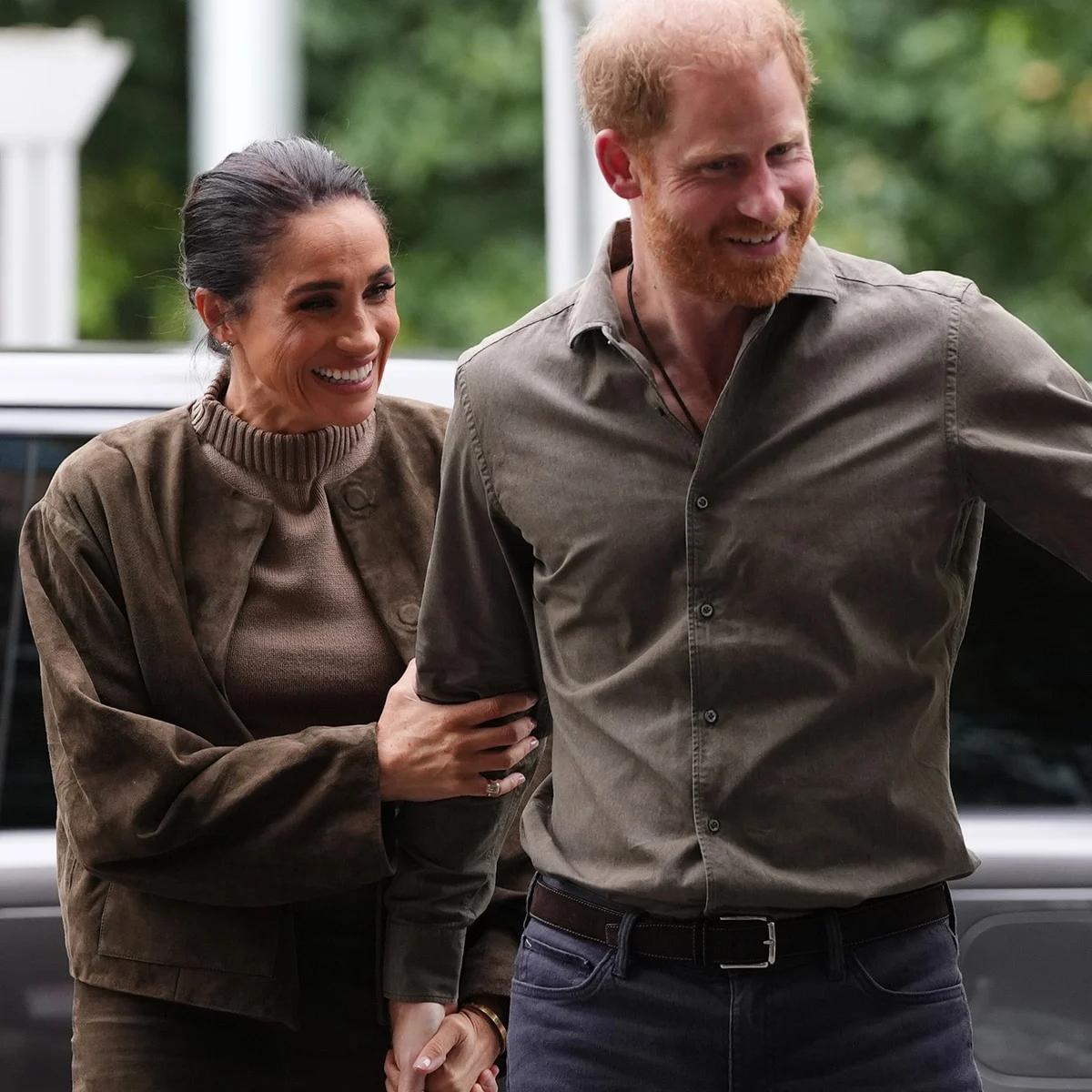
The return of Prince Harry and Meghan Markle to the United Kingdom has been marked by a poignant blend of domestic intimacy and underlying diplomatic tension. Six years after relocating their young family from the U.K. to the tranquil enclave of Montecito, California, the Duke and Duchess of Sussex officially returned to Harry’s native soil on August 26. While the couple’s public social media presence suggests a serene, idyllic re-integration into British life, the official reception from the monarchy has been decidedly more clinical, setting the stage for a complex chapter in the ongoing narrative of the modern Royal Family.
A Quiet Homecoming: Domestic Bliss in the U.K.
In a rare and candid glimpse into their private life, the Duchess of Sussex shared a 35-second video via Instagram on September 13, capturing the essence of their family’s transition back "across the pond." Set against a backdrop of quintessential British scenery, the clip features the couple strolling hand-in-hand through a forest, followed by intimate shots of their children—Archie, 7, and Lilibet, 5—warming their toes by a hearth.
The footage serves as a stark contrast to the high-pressure media environment that initially precipitated their departure from the U.K. in 2020. The video includes lighthearted moments of the Duchess in green rainboots, playfully splashing in the mud, and the children engaged in classic childhood activities, such as riding bicycles through the countryside to the soundtrack of Wham!’s "Wake Me Up Before You Go-Go." Even the family dogs, Pula and Mia, feature prominently, with the pets seen exploring their new surroundings while Prince Harry and the children prepare for a fishing lesson in a nearby canoe.
The Royal Status Dispute: A "Surprise" from the King
Despite the domestic tranquility displayed in the Sussexes’ personal communications, the political climate within the Royal household remains fraught. On September 7, shortly after the family’s arrival, King Charles III issued a formal letter of guidance that effectively curtailed speculation regarding the couple’s standing within the Firm.
The communication confirmed that the move to the U.K. would result in "no change" to their status as non-working royals, a designation established during the 2020 "Megxit" agreement. According to reports from the BBC, the monarch’s move was prompted by a series of inquiries from various stakeholders seeking clarity on the couple’s position. The guidance explicitly noted that the Sussexes’ status is "akin to private citizens."
Perhaps the most significant revelation in this diplomatic maneuver was the reaction from the Sussex camp. A spokesperson for the couple informed the media that Harry and Meghan were "a little surprised not to have been told about this in advance." This revelation underscores the continued communication breakdown between the Sussexes and Buckingham Palace, highlighting that even in the wake of a permanent move back to the U.K., the lines of formal dialogue remain strained.
Chronology: The Road to the Return
The path to the couple’s return has been long and fraught with legal and emotional hurdles.
- January 2020: The Duke and Duchess announce their intention to step back as "senior" members of the Royal Family, citing a desire for financial independence and privacy.
- 2020–2024: The family resides in Montecito, California, while navigating a series of high-profile media projects, including the Netflix documentary Harry & Meghan and the release of Harry’s memoir, Spare.
- May 2025: Prince Harry makes a public statement to the BBC, expressing skepticism about ever returning to the U.K. due to persistent security concerns and the intrusive nature of the British tabloid press.
- August 26, 2025: The family officially moves back to the United Kingdom.
- September 7, 2025: King Charles III issues formal guidance clarifying that the Sussexes remain non-working royals.
- September 13, 2025: Meghan Markle shares a personal video update on Instagram, documenting the family’s adjustment.
The Security Paradox and Parental Protection
A recurring theme in the Sussexes’ narrative has been the struggle between public visibility and the protection of their children. Before this recent move, Prince Harry was famously adamant about the dangers he perceived in returning to the U.K.
"I can’t see a world where I would be bringing my wife and kids back to the U.K. at this point," Harry told the BBC in May 2025. "I love my country. I always have, despite what some people in that country have done."
Meghan Markle has been equally vocal regarding the impact of the U.K. press on her parenting. In a 2022 profile for The Cut, she addressed the criticism leveled at her for guarding her children’s privacy, specifically regarding the "photo opportunity" culture surrounding school pick-ups. "That doesn’t make me obsessed with privacy," she stated. "That makes me a strong and good parent protecting my child."
Evolutionary Parenting: A Journey Through the Years
The couple’s approach to raising Archie and Lilibet has been a central pillar of their identity since their 2018 marriage. Their journey into parenthood has been extensively documented, offering a roadmap of their evolution from speculative young royals to protective, hands-on parents.
The Early Anticipation
Long before his marriage to Meghan, Prince Harry expressed a deep, albeit conflicted, desire for fatherhood. During a 2015 interview with Sky News, he remarked, "Of course, I would love to have kids right now, but there’s a process that one has to go through." By 2016, he admitted to People magazine that his feelings were nuanced: "There’s no rush. I tell you what: There’s been times I’ve been put off having children."
The Arrival of the Sussex Children
Upon the birth of their first child, Archie, in 2019, the couple’s rhetoric shifted toward a profound sense of responsibility. Harry noted at the time that the birth was "the most amazing experience I can ever possibly imagine."
The arrival of Lilibet in 2021 further solidified their commitment to creating a stable environment for their children. In a poignant moment during a 2024 visit to Lightway Academy in Nigeria, Meghan shared a touching anecdote about her daughter: "She looked at me and she would just see the reflection in my eyes. And she [goes], ‘Mama, I see me in you.’"
Implications: The Future of the Monarchy and the Sussexes
The formal classification of the Sussexes as "private citizens" by the King, coupled with the family’s decision to return to the U.K., presents a unique constitutional and social challenge. By choosing to live in the U.K. while holding no working royal responsibilities, Harry and Meghan are testing the boundaries of the "private citizen" label within a country that remains deeply fascinated by the monarchy.
The "surprise" surrounding the King’s letter suggests that the relationship between the Sussexes and the Palace is still defined by a lack of coordination. While the public sees a family enjoying a fishing trip or a bike ride, the reality behind closed doors remains a delicate negotiation of titles, security, and access.
For the public, the question remains: Can a couple so deeply connected to the history and symbolism of the British throne ever truly live as "private citizens"? As the children grow and the family settles back into their home country, the coming months will likely reveal whether this homecoming serves as a path toward reconciliation or merely a new phase in the ongoing separation between the Sussexes and the institution they left behind.
The balance of power remains firmly in the hands of the monarch, yet the influence of the Sussexes—both as parents and as global figures—ensures that every move they make in the U.K. will continue to be scrutinized, documented, and debated. The "royally sweet" return, as described in their social media posts, may be the domestic reality, but the geopolitical reality of the British Royal Family suggests the road ahead remains far from simple.
 Lina Hope
 Raul Delapena Setiawan
