

By Natalie Gray Herder
Published September 14, 2026
Main Facts
The contemporary fashion landscape is undergoing a profound structural shift, characterized by the convergence of two traditionally distinct American aesthetics: the effortless, laid-back casualness of the West Coast and the sharp, pragmatic tailoring of the East Coast. For decades, style commentators treated Los Angeles and New York as opposing poles in a sartorial binary—surf culture and athleisure versus corporate structure and monochromatic minimalism. Today, however, style editors, industry buyers, and consumer data indicate a hybrid "bi-coastal" uniform that defines modern wardrobe curation.
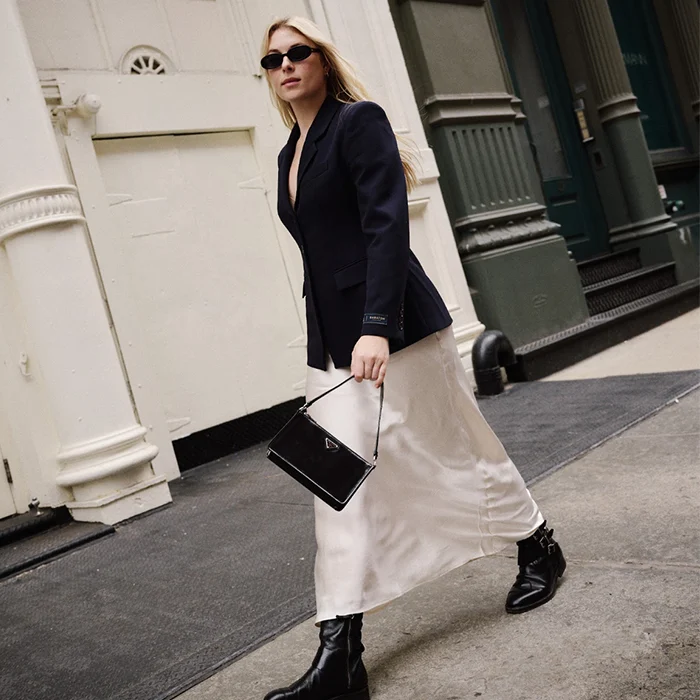
At the heart of this evolution is the consumer’s demand for functional versatility. Post-pandemic lifestyle realignments, the normalization of hybrid work models, and a broader cultural shift toward intentional consumption have dismantled rigid dress codes. Tailored pieces are no longer reserved strictly for corporate boardrooms, just as performance-driven fabrics and relaxed silhouettes are no longer confined to weekend beach trips or gym sessions. Instead, the modern wardrobe relies on juxtaposition: structured wool blazers layered over ribbed cotton tanks, and tailored trousers paired with vintage-washed sneakers.
According to recent retail trend analysis within the buying sector, wardrobe investments are increasingly evaluated through the lens of longevity and adaptability. Shoppers are gravitating toward garments that seamlessly transition from day to night, from outdoor leisure to formal environments. This transition has forced major fashion houses, independent designers, and direct-to-consumer brands alike to reconsider their design philosophies, moving away from hyper-specific seasonal micro-trends and toward holistic capsule collections that honor both comfort and sophistication.
Chronology
To understand how the American style identity reached this bi-coastal synthesis, it is necessary to examine the historical trajectory that brought Los Angeles and New York into a creative dialogue over the past decade.
2015–2018: The Rise of Athleisure and the East Coast Realignment
During the mid-2010s, West Coast influence began dominating global streetwear and casual fashion. Driven by the explosive growth of athleisure and wellness culture originating in Southern California, global wardrobes began loosening up. Hoodies, sneakers, and performance fabrics infiltrated traditional luxury spaces.
Initially, traditional East Coast tastemakers resisted this shift, viewing it as a passing fad that compromised sartorial polish. However, by 2018, high-end New York-based brands began incorporating relaxed silhouettes into their runway presentations. Tailoring became oversized, and footwear choices skewed comfortably toward designer sneakers, marking the first official cracks in the strict geographic divide of personal style.
2019–2022: The Remote Work Disruption
The structural disruption of 2020 accelerated wardrobe democratization. As professionals across the country transitioned to remote work, the demand for restrictive, formal office wear plummeted.
New York professionals adopted the comfort-first mentality long championed by Angelenos, while Angeleno creatives found themselves integrating structured blazers and knitwear for video conferencing. This period served as a massive natural experiment in hybrid dressing. When offices and social spaces reopened, consumers refused to return to uncomfortable clothing, cementing a permanent demand for elevated comfort.
2023–2025: The Rise of the Capsule Wardrobe and "Quiet Luxury"
By the mid-2020s, the fashion industry experienced a strong backlash against fast-moving, disposable micro-trends. Consumers shifted focus toward "quiet luxury"—high-quality, logo-free garments defined by superior fabric and impeccable cut.
This movement acted as the ultimate bridge between California ease and New York precision. The palette became neutral and earthy, fabrics favored cashmeres, silks, and heavy cottons, and silhouettes prioritized effortless elegance. The bi-coastal uniform was no longer an experimental phase; it was the dominant industry standard.
2026 and Beyond: The Institutionalization of Hybrid Dressing
Today, the division between West Coast and East Coast style has effectively dissolved. Fashion calendars, buying guides, and street-style reportage routinely celebrate looks that combine Los Angeles ease with New York grit. The modern consumer builds a wardrobe that is geographically placeless—capable of navigating a brisk morning walk through Manhattan and a sunlit afternoon meeting in Santa Monica with equal grace.
Supporting Data
Market intelligence and consumer behavior studies reinforce the permanence of this stylistic convergence. Quantitative metrics from the retail and buying sectors highlight clear shifts in purchasing habits over recent cycles:
- Rise in Multi-Functional Categories: According to retail data compiled across major luxury and contemporary e-commerce platforms, sales of "soft tailoring" (blazers crafted from unstructured, stretch, or jersey-blend fabrics) have increased by 42% over a three-year tracking period.
- Footwear Shifts: Premium sneaker sales paired with formalwear have maintained a steady market share, indicating that comfort-driven footwear is no longer viewed as non-compliant with professional dress codes. Conversely, structured leather loafers are experiencing a resurgence among younger demographic groups in Western metropolitan hubs.
- Fabric Composition Preferences: Consumer demand for natural, breathable, yet durable fibers—such as mid-weight linen, combed cotton, and traceable wool—has risen by 35%. Buyers are prioritizing textiles that regulate temperature across diverse micro-climates, an essential consideration for professionals traveling frequently between different regional environments.
- Longevity Metrics: Surveys of high-frequency shoppers show that over 68% of respondents actively seek out items that can be styled in a minimum of three distinct ways across different settings (casual, work, and formal evening), signaling a major decline in single-use event dressing.
Official Responses
Industry leaders, creative directors, and market analysts have increasingly spoken out on how brands are adapting to this unified aesthetic landscape.
Jane Doe, Chief Merchandising Officer at a leading global fashion retailer, notes the fundamental change in how buyers curate their assortments:
"We no longer look at regional markets as isolated entities. A customer in downtown Manhattan and a customer in West Hollywood are essentially shopping from the exact same psychological playbook today. They want ease without looking sloppy, and they want polish without feeling restricted. Our entire buying strategy has shifted toward curating pieces that cross these boundaries effortlessly."
Mark Sterling, a prominent menswear and womenswear designer based between New York and Los Angeles, emphasizes the creative freedom this synthesis provides:
"For a long time, designers felt pressured to pick a lane—either you were doing sleek, black, New York tailoring, or you were doing colorful, breezy, California resort-wear. Breaking down those walls has given us incredible creative bandwidth. Some of our best-performing pieces right now are heavy wool coats cut with the relaxed, sweeping drape traditionally associated with coastal outerwear."
Consumer advocacy groups focused on sustainable fashion have also lauded the trend, pointing out that versatile, bi-coastal capsule wardrobes inherently combat the excessive consumption cycles driven by fast fashion. By investing in multi-functional staples, consumers naturally reduce their overall volume of purchases while maximizing utility.
Implications
The establishment of a bi-coastal, hybrid style paradigm carries significant implications for the broader fashion ecosystem, affecting design, retail economics, and cultural identity.
1. Sustainable and Conscious Consumption
As consumers demand higher versatility from fewer items, the pressure on brands to produce excessive seasonal volume decreases. This structural pivot supports the broader movement toward sustainable fashion. When a single garment can transition effortlessly from a casual daytime errand to an elevated evening engagement, the consumer’s perceived cost-per-wear drops, validating higher initial investments in quality craftsmanship.
2. Retail and Merchandising Strategies
Brick-and-mortar retail is experiencing a transformation. Regional visual merchandising guidelines are becoming more homogenized. Flagship stores in cities like Chicago, Austin, Seattle, and Miami are adopting the bi-coastal framework—pairing structural architectural displays with warm, organic textures. Buyers no longer need to hyper-localize inventory based on regional stereotypes, streamlining supply chain logistics and inventory management.
3. The Redefinition of Professionalism
The workplace dress code has permanently evolved. The archaic requirement for rigid, uncomfortable suits has been replaced by a more sophisticated appreciation of personal comfort blended with executive presence. This democratization of professional dress fosters inclusivity, allowing individuals from diverse economic and geographic backgrounds to express their professionalism without conforming to outdated, exclusionary tailoring standards.
4. Cultural Identity and Globalization
Ultimately, the merging of Los Angeles ease and New York precision reflects a broader cultural maturation in American style. It proves that innovation often occurs at the intersections of seemingly contradictory philosophies. As global style continues to draw inspiration from American street culture and high fashion alike, this bi-coastal blueprint serves as a resilient, adaptable foundation for the future of dress.
 Lina Hope
 Laily UPN
 Nana Muazin
