

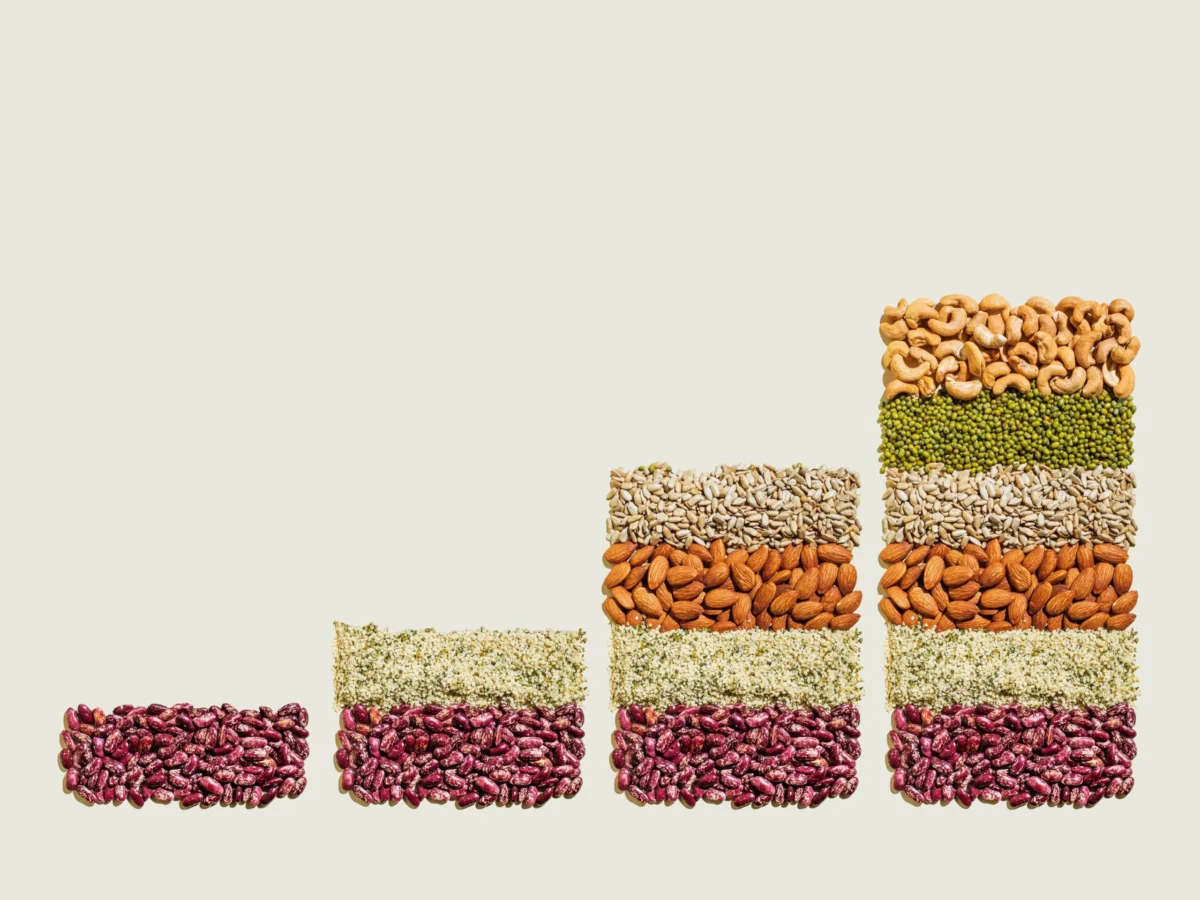
In the ever-evolving landscape of internet wellness trends, a new movement has taken center stage: fibermaxxing. Popularized across social media platforms like TikTok, this trend encourages individuals to prioritize a chronically neglected nutrient in modern diets—dietary fiber. While the health benefits of fiber are vast, ranging from weight management to long-term disease prevention, the pursuit of a high-fiber diet often comes with a notorious hurdle: painful, awkward, and inconvenient gastrointestinal (GI) side effects.
Fortunately, health experts are pointing toward a practical, gradual approach to overcoming these digestive roadblocks: a strategy known as fiber training. By adopting a slow-and-steady increase in daily fiber intake, individuals can build up their gut tolerance, enhance colonic fitness, and sidestep the bloating, gas, and stomach cramps that so often derail well-intentioned dietary changes.
Main Facts: Understanding the Fiber Dilemma
Dietary fiber is an essential component of human nutrition, yet it remains one of the most overlooked elements in the standard Western diet. According to nutritional experts, failing to consume enough fiber is one of the top dietary mistakes people make.
Why Fiber Causes Distress
Unlike other macronutrients that are broken down and absorbed in the stomach and small intestine, dietary fiber largely resists human enzymatic digestion. Instead, it travels intact to the colon, where it is fermented by resident gut bacteria. This fermentation process is precisely what yields health benefits, but it also produces gas.
When an individual dramatically increases their fiber intake overnight, the sudden influx overwhelms the digestive system and the microbiome. The result is a barrage of uncomfortable symptoms:
- Severe bloating
- Excessive gas
- Abdominal cramping
- Irregular bowel movements or acute constipation
The Multifaceted Benefits of Fiber
Despite the initial discomfort, experts emphasize that GI distress should not be a sign to abandon a high-fiber diet. Fiber plays a crucial role in maintaining overall health by:
- Promoting Regularity: It adds bulk to stool and helps prevent and alleviate constipation.
- Supporting Satiety: High-fiber foods take longer to chew and digest, keeping you full for longer periods.
- Lowering Cholesterol: Soluble fiber binds to cholesterol particles in the digestive system and helps move them out of the body, reducing "bad" LDL cholesterol.
- Stabilizing Blood Sugar: Fiber slows the absorption of sugar, preventing sharp insulin spikes.
- Reducing Disease Risk: Long-term high-fiber diets are associated with a reduced risk of cardiovascular disease, type 2 diabetes, and certain gastrointestinal cancers.
Chronology: The Evolution of Dietary Fiber Awareness
To understand why fiber training has become a necessary wellness protocol, it is helpful to look at how public perception and dietary habits regarding fiber have evolved over time.
- Pre-20th Century: Traditional diets naturally included high amounts of whole grains, legumes, vegetables, and fruits. Fiber deficiency was rare because refined and ultra-processed foods had not yet dominated the global food supply.
- The 20th Century (The Rise of Processing): As industrial food production accelerated, fiber was systematically stripped from grains and processed foods to extend shelf life and alter textures. Public health messaging largely ignored fiber until the late 20th century, when epidemiological studies began linking low-fiber diets to chronic diseases.
- The 2020s (The "Fibermaxxing" Era): With the rise of wellness content on social media, modern creators coined terms like "fibermaxxing" to encourage Gen Z and millennial demographics to track and maximize their daily fiber intake. However, because many people transitioned from low-fiber diets (averaging 10–15 grams daily) to high-fiber goals (25–30+ grams daily) overnight, a wave of digestive complaints flooded social media and doctors’ offices.
- The Present Day (The Introduction of Fiber Training): Recognizing the high dropout rate caused by GI side effects, registered dietitians and gastroenterologists have formalized "fiber training" as a structured, progressive methodology to help patients safely reach their nutritional goals.
Supporting Data: Recommended Intakes and Incremental Steps
Before embarking on a fiber training program, it is helpful to understand established dietary benchmarks and the mathematics of incremental increases.
Daily Fiber Recommendations
According to the Dietary Guidelines for Americans (2020–2025), recommended daily fiber intake varies by age and sex:
- Women (Ages 19–30): 28 grams per day
- Women (Ages 31–50): 25 grams per day
- Women (Ages 51+): 22 grams per day
- (Note: Men generally require higher amounts, typically starting around 30 to 38 grams daily depending on age).
Despite these guidelines, the average American consumes only about 15 grams of fiber per day. Closing this gap requires a calculated approach.
The Math of Fiber Training
Rather than jumping straight to the target number, experts recommend increasing intake by 3 to 5 grams of fiber at a time.
To put that into perspective, common foods contain roughly 3 to 5 grams of fiber per standard serving:
- 1 Medium Apple: ~4 grams of fiber
- ½ Cup of Chickpeas: ~5 grams of fiber
- 1 Tablespoon of Chia Seeds: ~5 grams of fiber
- 2 Tablespoons of Ground Flax: ~4 grams of fiber
- 2 Kiwis: ~4 grams of fiber
Under a fiber training protocol, an individual selects one of these additions and consumes it daily for 5 to 7 days, allowing the gut microbiome time to adjust. Once the body adapts without producing excessive gas, bloating, or cramping, another 3 to 5-gram increment is added. For someone starting from scratch and aiming for 25 grams, this process takes place over several weeks.
Official Responses: Insights from Medical and Nutritional Experts
Leading voices in gastroenterology and plant-based nutrition have weighed in on the trend, offering clinical validation for the concept of fiber training.
Desiree Nielsen, RD
Desiree Nielsen, a registered dietitian and plant-based recipe developer, notes that people routinely underestimate both fiber’s importance and its versatility. However, she warns against shocking a sluggish digestive tract:
"Even with fiber becoming a growing trend, people still greatly underestimate its importance and, also, just how many ways it benefits the human body… When you add a ton of fiber to an already backed-up system, it’s kind of like a bottleneck on the highway. If you try to shoehorn four lanes into one, you’re going to end up with a jam on your hands."
Dr. Lisa Ganjhu, DO
Dr. Lisa Ganjhu, a gastroenterologist at NYU Langone Health, frequently treats patients suffering from sudden dietary changes. She compares fiber training to physical conditioning:
"I have a lot of patients that will say ‘I ate more fiber, and now I’m really bloated and crampy.’ You kind of have to adjust slowly. You start off with [light weights]. When that becomes easy, you go to the next level… If you’re someone who doesn’t eat a lot of fiber and all of a sudden you start eating 30 grams of it, the colon is just not going to know how to manage that efficiently."
Implications: Practical Tips for a Successful Transition
Adapting to a high-fiber lifestyle does not have to be an exercise in endurance. By applying strategic adjustments, you can achieve optimal colonic fitness safely.
1. Opt for Low-FODMAP Fiber Sources If Constipated
For individuals starting their fiber journey while already experiencing constipation, high-FODMAP foods (fermentable carbohydrates that can exacerbate gas and bloating in sensitive stomachs) may cause excessive distress.
- Kiwis are highlighted as an exceptional low-FODMAP choice. Clinical studies have shown that consuming kiwis can effectively treat dietary constipation while delivering around 4 grams of fiber per two-fruit serving.
- Gentle Fiber Supplements: Supplements made from psyllium husk (such as Metamucil) offer many of the same physiological benefits as whole-food fiber while tending to be less irritating to a troubled GI system.
2. Prioritize Hydration
Fiber acts like a sponge, drawing water into the stool to soften it and ease transit through the colon. If you increase your fiber intake without concurrently increasing your fluid intake, the result can be hard, dry stools—effectively worsening the exact constipation you are trying to resolve. While the old rule of "eight glasses a day" is flexible, maintaining steady hydration is non-negotiable when fiber training.
3. Listen to Your Body
Every individual’s gut microbiome is entirely unique. While a standard adaptation period lasts five to seven days per increment, some people may require ten days, while others adjust more rapidly. Following your symptoms and maintaining a slow, individualized pace ensures long-term dietary success rather than burnout from acute discomfort.
Conclusion
The "fibermaxxing" trend highlights a vital truth about modern nutrition: most of us need significantly more fiber in our diets to support long-term metabolic, cardiovascular, and gastrointestinal health. While the immediate side effects of ramping up fiber can be intimidating, they are entirely manageable through fiber training. By treating your digestive tract like a muscle—increasing loads gradually, staying hydrated, and listening to clinical guidance—you can successfully build your colonic fitness and reap the rewards of a fiber-rich lifestyle without the awkward growing pains.
 Lina Hope
 Asro
Asro
 Sagoh
Sagoh
