


By Rebecca Corgan
Published September 17, 2026
Main Facts: The Intersection of Reality Television and Social Deduction
Who do you trust when everyone in the room could be lying? It is the foundational question of The Traitors, the international smash-hit reality television franchise that has captivated millions. On Thursday, September 17, 2026, the NBC phenomenon returned with a fresh perspective via The Traitors: New Blood. Eschewing the traditional roster of celebrities and public figures, this iteration drops 22 everyday civilians into a high-stakes psychological crucible.

The premise remains deliciously agonizing: players are divided into "Faithfuls" and secret "Traitors." While the Faithfuls work collectively to complete challenges and accumulate a cash prize, the Traitors skulk in the shadows, "murdering" competitors one by one under the cover of night. Every round forces players to evaluate their peers, sniff out inconsistencies, and participate in tense roundtable banishments.
Yet, long before television executives realized audiences had an insatiable appetite for paranoia, the interactive entertainment industry was running the exact same psychological experiment. Video games have spent decades perfecting the art of the digital bluff, offering players the chance to experience the paranoia, betrayal, and euphoric vindication of a successful social deduction game from the comfort of their own homes. For fans looking to channel their inner detective—or their inner liar—following the premiere of The Traitors: New Blood, the digital landscape provides a rich ecosystem of tabletop-inspired video games.

Chronology: The Evolution of Digital Betrayal
The lineage of social deduction is deeply rooted in traditional parlor games like Mafia and Werewolf, but its migration to digital platforms transformed it into a global phenomenon.
- 2003: Space Station 13 launches, pioneering the concept of embedding saboteurs into a cooperative workplace simulation. Despite its primitive 2D browser-based interface, its emergent gameplay establishes a cult following.
- 2014: Town of Salem debuts as a free-to-play browser and mobile title, introducing a sprawling array of dozens of discrete roles—such as the Jailor, Sheriff, or Serial Killer—that complicate the binary dynamic of good versus evil.
- 2016: Ubisoft ventures into virtual reality with Werewolves Within, utilizing headset-based hand and face-tracking hardware to weaponize human micro-expressions against the players. Simultaneously, Deceit brings first-person horror mechanics to the genre on PC.
- 2018–2020: Innersloth’s Among Us launches to modest fanfare in 2018 before exploding into a historic cultural touchstone during the 2020 global lockdowns. Its colorful, accessible spaceship framework redefines modern multiplayer gaming.
- 2019–Present: Modern titles like Project Winter, Goose Goose Duck, and Secret Neighbor expand the genre into survival horror, cartoon comedy, and asymmetric multiplayer spaces, proving that the appetite for deception is infinite.
Supporting Data: The 8 Best Social Deduction Games to Play Right Now
If the premiere of The Traitors leaves you craving a high-stakes game of psychological warfare, these eight titles offer the ultimate virtual playground for suspicion.
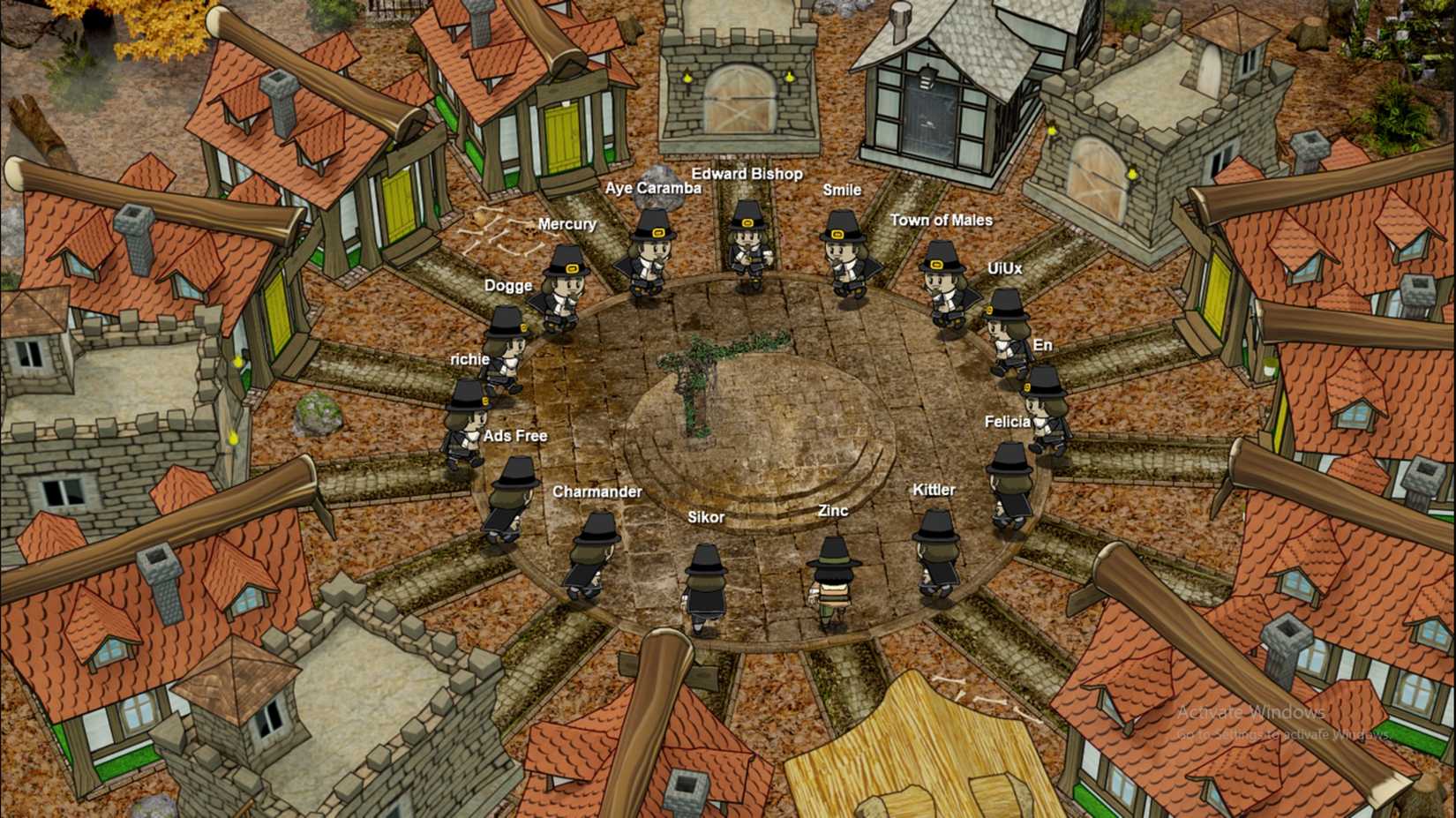
8. Town of Salem
- Platform: PC, Mobile (Free-to-play)
- Why Nobody’s Safe: The Jailor can lock you up and interrogate you before you even get a turn to lie your way out.
- Town of Salem drops you directly into a bustling colonial village where you are assigned a random role at the start of every match. With roughly 30 possible roles—ranging from innocent townspeople to bloodthirsty werewolves and serial killers—matches run on a strict day-night cycle. You talk and vote during the day, then act in secret at night. Because every role comes with unique investigative or destructive capabilities, navigating who to trust requires razor-sharp political maneuvering.
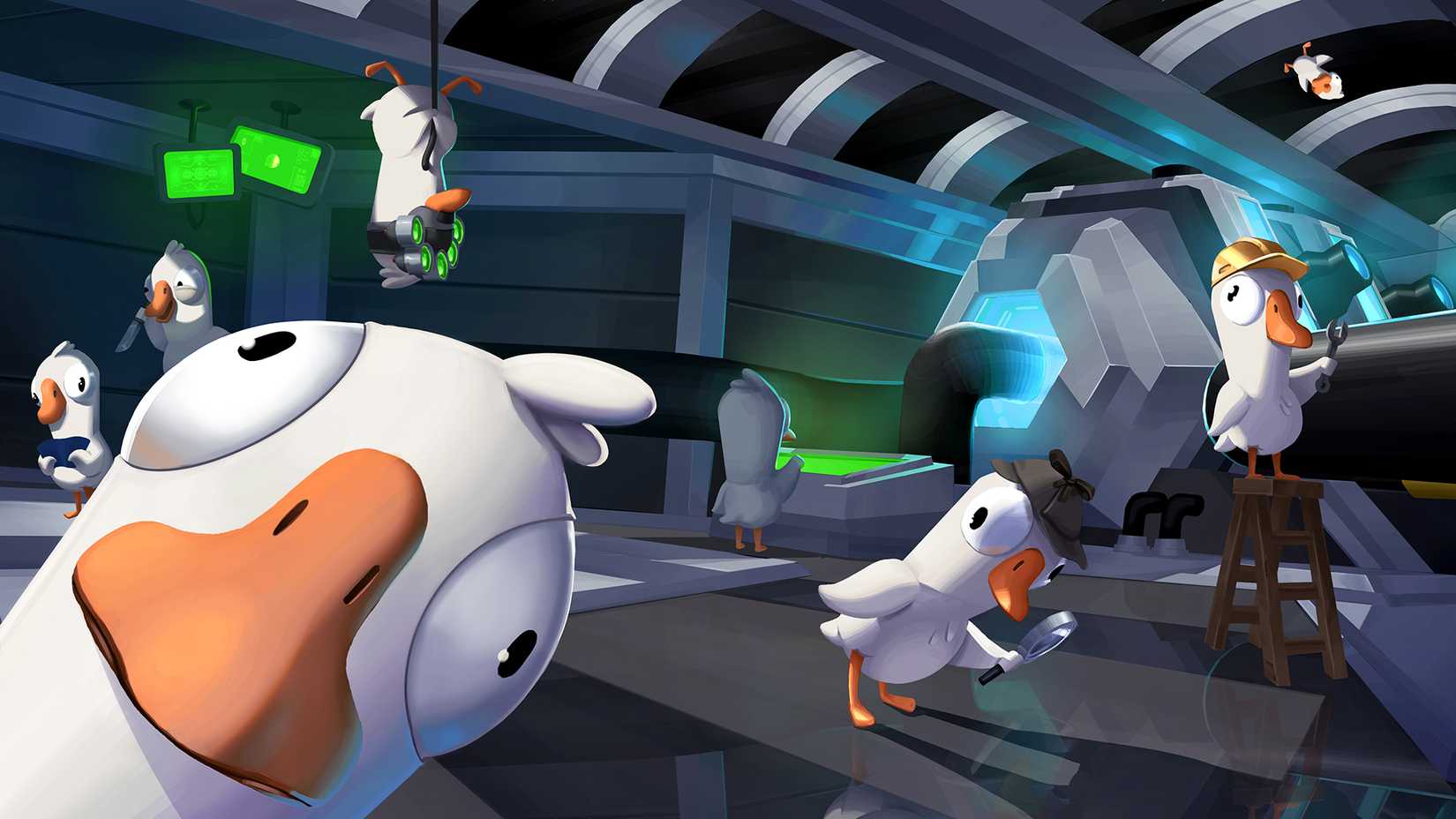
7. Goose Goose Duck
- Platform: PC, Mobile, Browser (Free-to-play)
- Why Nobody’s Safe: There’s a vulture happily dragging bodies off to its own private nest.
- Imagine Among Us, but populated entirely by waterfowl committing fowl deeds. Goose Goose Duck casts players as either an innocent goose performing chores around a barn, manor, or campsite, or an undercover duck executing sabotage. Featuring over 20 randomized roles—including amnesiacs and body-snatching vultures—the game pairs a disarmingly cartoonish aesthetic with deeply cutthroat multiplayer mechanics.
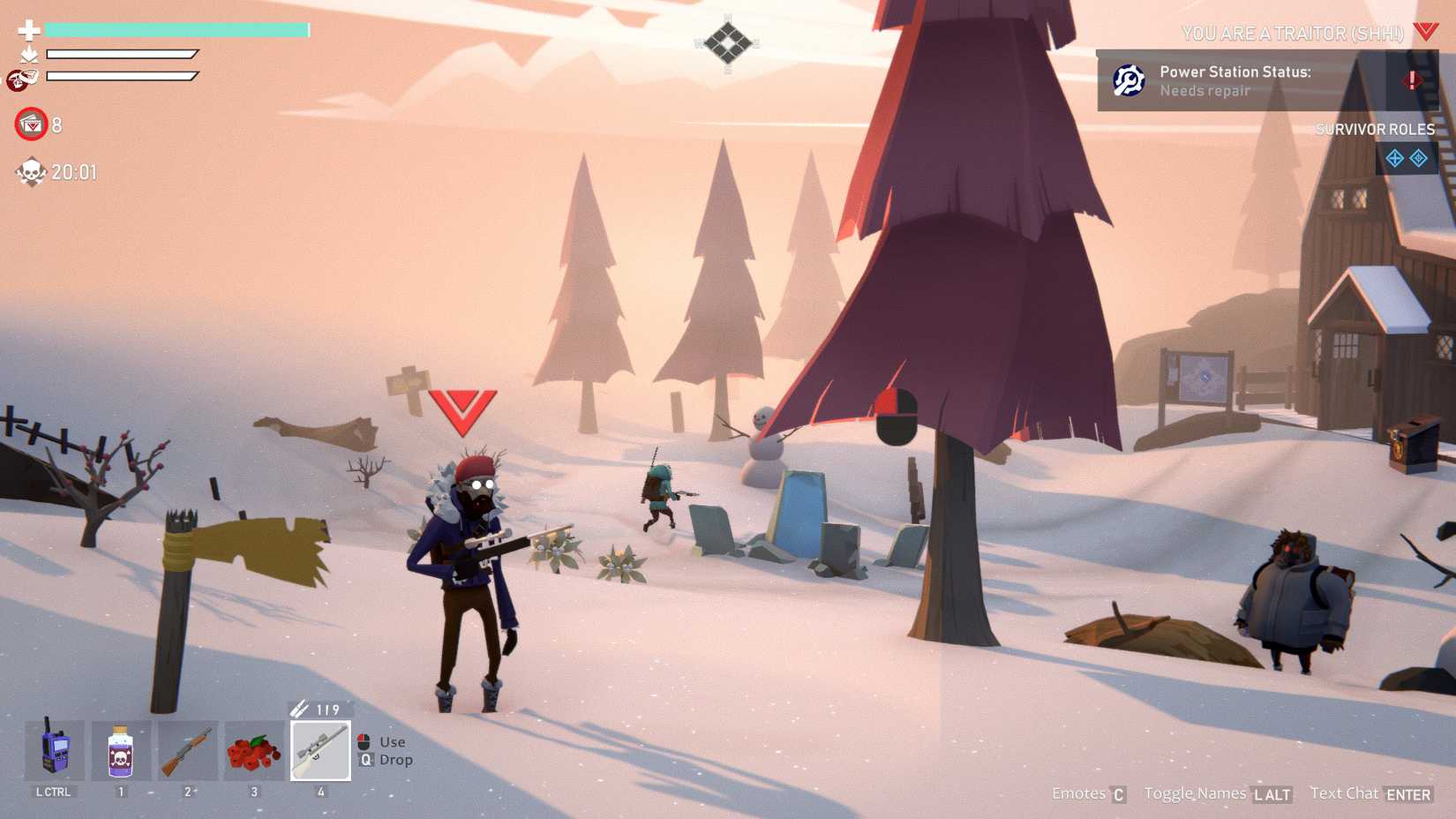
6. Project Winter
- Platform: PC, Consoles
- Why Nobody’s Safe: Nobody needs to actively be hunting you. The cold will take care of that.
- In this eight-player survival game, you and your peers are stranded on a punishing, snowy mountain. Survivors must chop wood, hunt food, and repair a radio tower to escape before they freeze or starve. The catch? Hidden traitors are embedded within your ranks, actively sabotaging supplies and picking off innocent travelers. Every decision regarding resource sharing and fire-side chats becomes a matter of life and death.
5. Deceit
- Platform: PC (Free-to-play)
- Why Nobody’s Safe: One touch turns you into the thing everyone else is hunting.
- Deceit blends first-person shooter mechanics with psychological horror. Six players wake up in a dungeon-like facility with no memory of their arrival. Two are secretly infected with a virus. The infected win by spreading the contagion to the entire group via physical contact before anyone can escape, while the healthy players must scavenge for weapons, traps, and tools to unmask and eliminate the monsters.
4. Werewolves Within
- Platform: PlayStation VR, Oculus Rift
- Why Nobody’s Safe: Your own face can give you away, even when you’ve decided to lie.
- Utilizing early virtual reality hardware, Werewolves Within places players around a campfire as medieval villagers by day and ravenous werewolves by night. Its brilliant innovation lies in its hardware usage: the headset tracks subtle hand and head movements. The flinches, prolonged pauses, and averted glances that are easily hidden over text or voice chat are put on full display in virtual reality, making it nearly impossible to conceal a guilty conscience.
3. Space Station 13
- Platform: PC (Browser, Free)
- Why Nobody’s Safe: Everyone clocked in for the same shift. Only one of them has a second job.
- A legendary cult classic released in 2003, Space Station 13 simulates the mundane yet chaotic life of a space station crew. Players log in and take on specific professions—doctors, engineers, chefs, security guards—with functional duties to perform. However, one or more players hold a secret second job as a Syndicate saboteur or assassin. Its remarkably deep simulation engine and player-driven communities keep it endlessly replayable two decades after its launch.
2. Secret Neighbor
- Platform: PC, Consoles
- Why Nobody’s Safe: One of your fellow kids is not a fellow kid.
- Taking the social deduction formula into the realm of horror, Secret Neighbor spins off from the Hello Neighbor universe. A group of neighborhood kids must sneak into a spooky house to rescue a captive friend from the basement. As the children search for keys and solve puzzles, one randomly selected player is the Neighbor in disguise, seamlessly blending in with the kids to slow down the rescue effort from the inside.
1. Among Us
- Platform: PC, Consoles, Mobile
- Why Nobody’s Safe: You can be totally innocent and still end up stranded in deep space!
- The undisputed heavyweight champion of modern social deduction, Among Us remains a cultural touchstone. Crewmates scurry around a spaceship completing mundane chores—fixing wiring, swiping cards, and scanning medical bays—while Impostors fake their tasks, vent through floors, and eliminate crew members in dark corners. Emergency meetings turn friends into bitter enemies as accusations fly, votes are cast, and innocent players are routinely ejected into the cold vacuum of space.
Official Responses and Industry Insights
Game developers and reality television producers alike have long recognized the universal appeal of human deception. According to industry analysts, the resurgence of social deduction media during times of social isolation or high collective stress points to a deeper psychological need.
In interviews surrounding the premiere of The Traitors: New Blood, network producers highlighted that civilian casts bring an unpredictable, raw vulnerability to the format that celebrity editions occasionally lack. "When everyday people are faced with the prospect of losing life-changing money while being lied to by a neighbor, the psychological pressure fractures alliances in fascinating ways," production notes state.
Similarly, game designers behind titles like Among Us and Project Winter have noted that these games succeed because they bypass standard mechanical skill. You do not need fast reflexes to win a social deduction game; you need empathy, emotional intelligence, and the cold-blooded ability to look someone in the eye while spinning a web of lies.
Implications: What These Games Teach Us About Human Nature
Whether you are watching 22 civilians navigate a Scottish castle under the watchful eye of Alan Cumming, or sitting in a Discord call with friends arguing over who vented in electrical, the core emotional takeaway remains identical.
The primary lesson of both The Traitors and its digital video game counterparts is deceptively simple: Knowing a traitor is out there does not actually help you spot them.
Paranoia is an equal-opportunity destroyer. It turns cautious players into reactionary tyrants, convinces innocent people to self-sabotage out of defensive panic, and allows master manipulators to glide through undetected by weaponizing trust itself. As a new season of The Traitors unfolds on television, millions of viewers will sit at home shouting at their screens, utterly convinced they could do better. Yet, as video games have proven over the last twenty years, when you are actually sitting in the hot seat—when the cold wind is howling, the spaceship is falling apart, or the roundtable is pointing its collective finger directly at your chest—the truth becomes terrifyingly easy to lose.
 Lina Irawan
 Azzam Bilal Chamdy
 Basiran
