

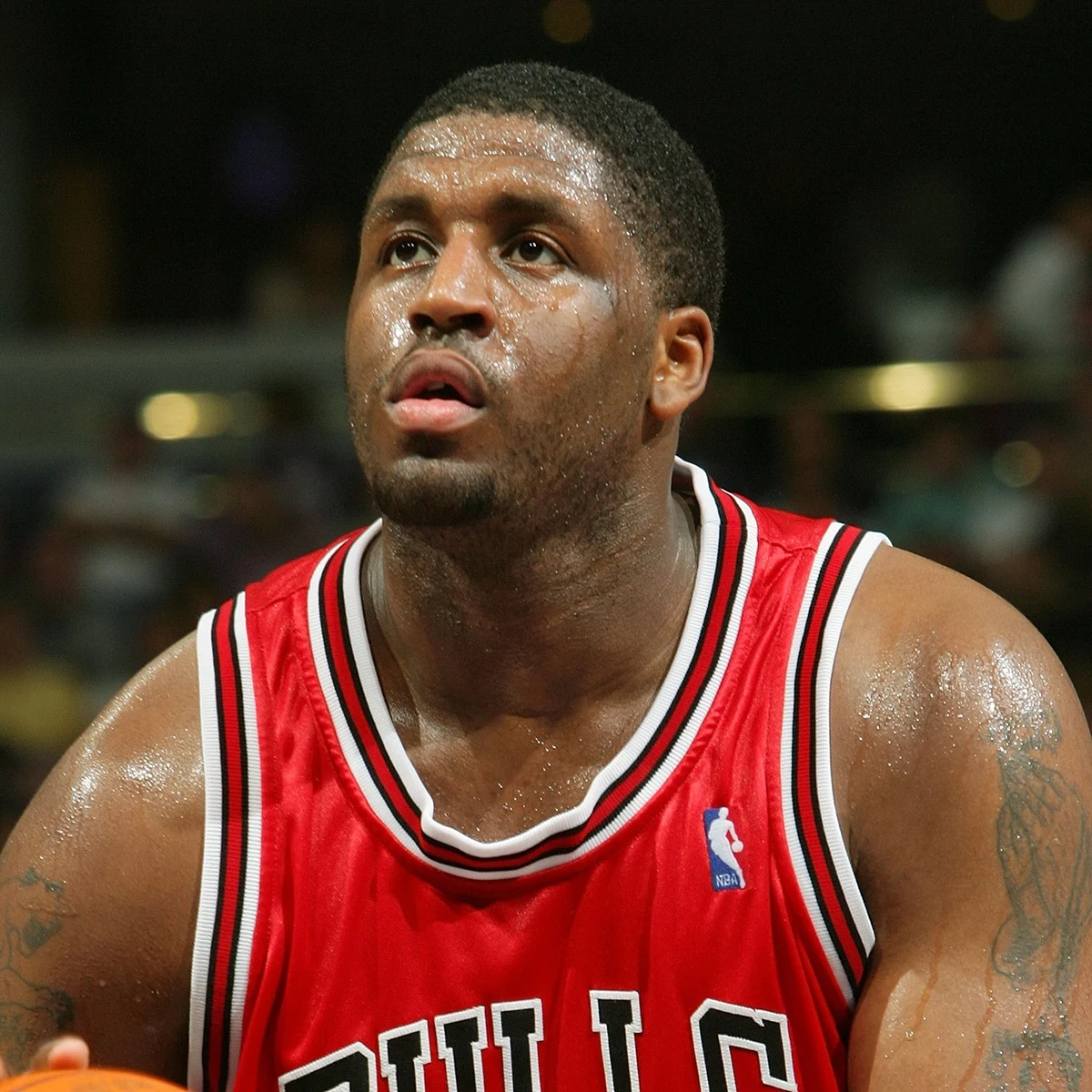
The basketball community is in mourning following the tragic passing of Michael Sweetney, a former Georgetown University standout and NBA power forward. Sweetney, who played for the New York Knicks and the Chicago Bulls during his professional career, died on September 16, 2026, at Newark Beth Israel Medical Center in New Jersey. He was 43 years old.
The news of his death was confirmed by his wife, India Sweetney, through a poignant statement shared on social media, sparking an outpouring of grief from fans, former teammates, and the sports organizations he represented. While a definitive cause of death has not been disclosed by medical authorities, his passing has prompted a nationwide conversation regarding the pressures faced by professional athletes and the importance of mental health advocacy.
A Life Dedicated to Family and Sport
To those who knew him, Michael Sweetney was far more than a box score or a draft pick. He was a devoted patriarch and a pillar of his community. In her heart-wrenching announcement on September 17, India Sweetney painted a portrait of a man whose primary focus was always his family.
"With the heaviest hearts, we are deeply saddened to announce the passing of our beloved Michael," India wrote on Facebook. "To know Mike Sweetney was to love him. No one loved him more, and he loved no one more than his family."
The couple, who had been together for three decades and married for nearly 20 years, shared a bond that served as the foundation of Sweetney’s life. India’s statement emphasized his role as a father, noting that his children were the "light of his life." She reflected on the void left by his absence, stating, "He’s been my best friend for 30 years… I’m not sure what we or I will do without him."
Chronology: From Georgetown Glory to the NBA Stage
Michael Sweetney’s journey to the NBA was marked by immense promise. A standout talent at Georgetown University, he became one of the most recognizable faces in collegiate basketball during the early 2000s. His dominance in the paint and his basketball IQ made him a highly touted prospect for the 2003 NBA Draft.
The Professional Trajectory
- 2003: After a standout junior season at Georgetown, Sweetney declared for the NBA Draft. He was selected ninth overall by the New York Knicks, a high-profile pick that carried significant expectations.
- 2003–2005: Sweetney served as a core member of the Knicks’ frontcourt rotation. During his two seasons at Madison Square Garden, he showcased his ability to battle in the interior, earning respect for his physicality.
- 2005–2007: Sweetney was traded to the Chicago Bulls, where he continued his professional career for two more seasons.
- Post-NBA: Following his departure from the league, Sweetney transitioned into coaching, eventually finding a home as an assistant coach at Yeshiva University, where he sought to mentor the next generation of athletes.
The Invisible Struggle: Battling Mental Health in the Public Eye
While his athletic accomplishments are well-documented, the most defining aspect of Sweetney’s later life was his transparency regarding his mental health. In a candid 2017 interview with HoopsHype, Sweetney detailed the profound depression he experienced as a rookie—a period he described as the darkest of his life.
The convergence of professional pressure and personal tragedy hit him simultaneously. "I went from being a star at Georgetown and having my father at every game, to losing him and not even playing in the NBA," Sweetney shared. "I knew I wasn’t going to be given a chance as a rookie because my coach told me, ‘Hey, I’m not going to play you.’ I was in New York, battling this while the media was writing articles about me, and I felt like I had nowhere to go."
Sweetney’s openness about his suicide attempt and his subsequent journey toward healing served as a beacon for other athletes. He emphasized that the support of his family and friends was the catalyst for his recovery. By shifting his focus from the isolation of the professional court to the supportive environment of coaching, he managed to reclaim his narrative, turning his personal trauma into a platform for advocacy.
Official Responses and Industry Tributes
The NBA and the franchises that employed Sweetney were quick to release statements honoring his contributions to the sport.
"The New York Knicks are saddened to learn of the passing of Michael Sweetney," the organization stated. "He was a valued member of our family and represented the organization with passion during his time in New York. Our deepest condolences go out to his family and loved ones."
Similar sentiments were echoed by the Chicago Bulls, who highlighted his work ethic and the kindness he showed to teammates during his tenure in Chicago. Beyond the league offices, former teammates and coaches have taken to social media to share memories of a man who was known for his warmth and humility off the court.
Implications: A Legacy of Advocacy
The passing of Michael Sweetney at such a young age serves as a sobering reminder of the fragility of life and the ongoing challenges surrounding mental health awareness in professional sports. Throughout the 2010s and 2020s, the conversation around athlete wellness has evolved, largely thanks to individuals like Sweetney who were willing to strip away the veneer of the "invincible athlete."
Impact on Sports Culture
- Normalization of Mental Health Conversations: By sharing his story of depression, Sweetney helped break the stigma that has historically kept athletes silent about their internal struggles.
- Support Systems for Retired Athletes: His story underscores the necessity of robust transition programs for players leaving the NBA, ensuring they have the psychological resources to navigate life outside the professional arena.
- The Role of Coaching: Sweetney’s transition to coaching at the collegiate level highlights the importance of keeping retired athletes connected to the game, allowing them to pass on their wisdom while finding new sources of purpose.
As the sports world continues to digest the news, the focus remains on the family he left behind. The "overwhelming" support noted by his wife, India, reflects the reach of a man who moved beyond his status as a former draft pick to become a symbol of resilience.
A Final Farewell
The funeral arrangements and public memorial services have yet to be finalized, as the family continues to navigate this period of private grief. The outpouring of support from the Georgetown community, where he is remembered as a legend, remains particularly strong.
For those who followed his career, Michael Sweetney will be remembered as a player who fought hard in the paint, but more importantly, as a human being who fought even harder to find peace. His legacy is not found merely in his draft position or his career statistics, but in the lives he touched, the students he mentored at Yeshiva University, and the honesty with which he lived his truth.
In the words of his wife, Michael was the "best son, brother, family member, friend, father and husband anyone could ask for." As the basketball world moves forward, the memory of Michael Sweetney will serve as a permanent testament to the power of human vulnerability and the enduring strength of familial love. He leaves behind a profound impact on the game of basketball, but his true masterpiece was the family he loved so deeply and the peace he eventually found for himself.
 Lina Hope
 Asro
Asro
 Raul Delapena Setiawan
