

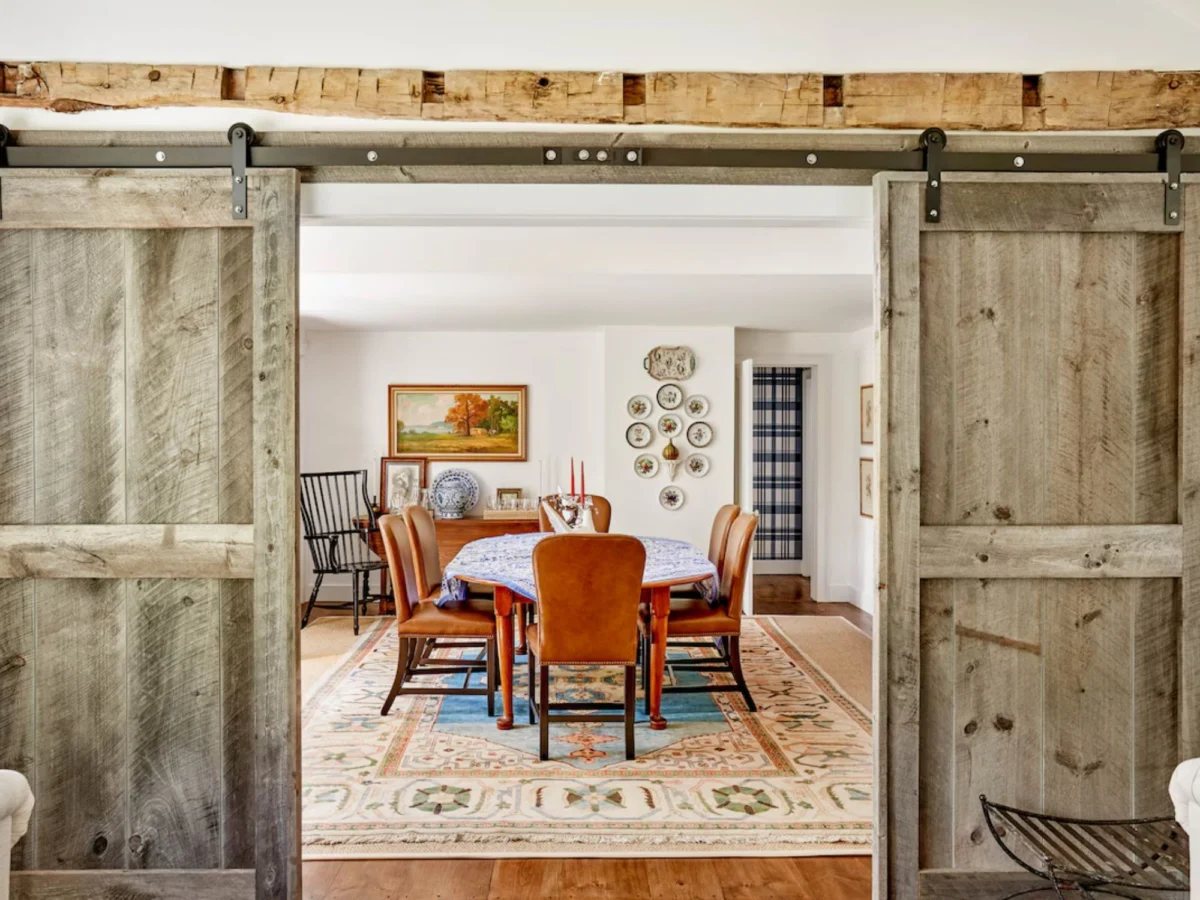
Since its symbolic inception in 1621, the American Thanksgiving holiday has undergone a profound metamorphosis. What began as a localized harvest celebration has evolved into a cornerstone of American culture, traditionally centered on family hearths and multi-generational reunions. However, the 21st century has ushered in a new tradition: "Friendsgiving." This shift reflects a changing societal landscape where chosen family often holds as much significance as biological lineage.
As the definition of "home" during the holidays expands, so too does the geography of the feast. For those who find the logistics of hosting—the cramped kitchens, the lack of seating, and the inevitable household tension—to be barriers to celebration, the solution has increasingly become the destination rental. With the rise of platforms like Airbnb, hosting the perfect Thanksgiving no longer requires a mortgage on a sprawling estate; it simply requires a strategic booking.
The Evolution of the Holiday: From Hearth to Hospitality
The transition of Thanksgiving from a static family event to a fluid, experiential holiday is rooted in broader demographic shifts. As Millennials and Gen Z populations have become more mobile and less geographically tethered to their hometowns, the necessity of creating "home" in transient spaces has become paramount.
The term "Friendsgiving," appearing in the early 2000s, captured the zeitgeist of a generation looking to bypass the pressures of traditional domestic expectations. By removing the holiday from the family home and placing it in a neutral, curated environment—a rental property—the power dynamic of the day shifts. The focus moves from fulfilling ancestral duties to curating a shared experience, where every attendee acts as both guest and co-host.
The East Coast Renaissance: A Prime Landscape for Gatherings
The East Coast of the United States offers a particularly compelling backdrop for these celebrations. From the rugged, frost-dusted landscapes of New Hampshire to the rolling, historic agrarian vistas of New York’s Hudson Valley, the region is uniquely positioned to host what can only be described as the "Martha Stewart aesthetic" without the long-term maintenance requirements.
For organizers, the requirements for a successful destination Friendsgiving are precise. Data from short-term rental analysts suggest that travelers prioritize three key pillars when booking for the holiday season:
- Kitchen Capacity: The ability to accommodate a turkey and multiple sides simultaneously.
- Communal Spaces: Large, open-concept dining areas that facilitate long, uninterrupted conversation.
- Ancillary Amenities: Features such as saunas, game rooms, or fire pits that transition the group from the intensity of the meal to the relaxation of the evening.
Chronology: How the Destination Thanksgiving Took Hold
- Early 2000s: The emergence of the "Friendsgiving" concept as a cultural portmanteau. Initially an informal potluck, it began to gain traction in urban centers.
- 2010–2015: The "Airbnb Effect." As platforms for short-term rentals matured, travelers began viewing these properties not just as places to sleep, but as destinations for experiential hosting.
- 2016–2019: The professionalization of the holiday rental. Hosts began marketing specific "holiday-ready" properties, highlighting large ovens, farmhouse tables, and proximity to scenic winter landscapes.
- 2020–2022: The "Reunion Boom." Following periods of isolation, the demand for large-group rentals for the holidays surged, with travelers seeking properties that offered privacy and controlled environments.
- 2023–Present: The integration of the "Superhost" standard. Travelers now rely on vetted credentials—ratings, cleanliness scores, and amenity audits—to ensure the holiday gathering remains seamless.
Supporting Data: The Economic Shift in Holiday Travel
Industry reports indicate that Thanksgiving remains one of the busiest periods for short-term rental platforms. Unlike summer travel, which is characterized by high turnover and short stays, Thanksgiving rentals are defined by longer durations—typically four to five nights.
According to internal platform metrics, listings that feature "professional-grade" kitchens see a 40% higher occupancy rate during the month of November compared to those that do not. Furthermore, properties situated within a two-to-three-hour drive of major metropolitan areas—specifically New York City, Boston, and Philadelphia—report being booked, on average, six months in advance for the Thanksgiving week.
The economic implications are significant. Small towns in the Hudson Valley, the Berkshires, and the White Mountains see a seasonal revenue injection that rivals their peak summer tourism. This "holiday shoulder season" has become a lifeline for local economies, supporting year-round hospitality jobs that might otherwise be seasonal.
Official Perspectives: The Host and The Guest
The shift in holiday hosting is not without its critics. Traditionalists often argue that the "soul" of the holiday is tied to the family home. However, hospitality experts suggest that the move toward curated rentals is actually an attempt to save the holiday from burnout.
"Hosting a traditional Thanksgiving is a labor-intensive endeavor," says one hospitality consultant specializing in vacation rentals. "When people rent a property, they are buying the environment they can’t create at home. It’s an investment in quality time. By removing the pressure of the ‘perfect home,’ you allow the group to focus on the ‘perfect company.’"
Property owners, for their part, have adapted their inventory to meet this demand. Many "Superhosts" now provide "Thanksgiving kits"—supplies ranging from extra roasting pans and meat thermometers to high-quality table linens and board games—to ensure that guests encounter a frictionless experience.
Implications for the Future of American Holidays
The normalization of the destination Friendsgiving carries long-term implications for how Americans view real estate and hospitality. We are witnessing a trend where the "homestead" is increasingly becoming a service-based commodity.
The Sustainability Factor
One of the unforeseen benefits of the destination Thanksgiving is the reduction in individual carbon footprints related to holiday travel. By gathering in a central, regional location, groups often consolidate transportation, sharing one vehicle rather than having multiple households travel independently.
The Psychological Shift
There is a growing body of evidence suggesting that removing the holiday from the family home reduces the "stress of expectation." Without the baggage of childhood dynamics or the scrutiny of traditional household expectations, groups feel a greater sense of autonomy. This is particularly true for LGBTQ+ individuals and those whose chosen families provide a safe, supportive environment that may not be available in their biological families.
The Real Estate Influence
As more individuals seek properties that can accommodate large groups, real estate trends in rural areas are shifting. Buyers are prioritizing properties that feature "great rooms" and oversized kitchens, viewing them not just as personal residences but as potential revenue-generating assets that can be listed on rental platforms during the holiday season.
Conclusion: The New Tradition
Whether one chooses to celebrate in a restored farmhouse in the Hudson Valley or a lakeside log cabin in New Hampshire, the essence of the holiday remains intact. The "Thanksgiving" of the 21st century is no longer defined by the location, but by the intention behind the gathering.
The modern holiday is an act of curation. By leveraging the abundance of vetted, high-quality rentals available, hosts are finding that they can facilitate deeper connections, eliminate the logistical friction of the feast, and create new memories in spaces that feel both elevated and welcoming. As we look toward the future of this American institution, it is clear that the table is getting larger, the kitchens are becoming more capable, and the definition of who we share our harvest with is more inclusive than ever before.
The destination Friendsgiving is not just a trend; it is a fundamental re-imagining of how we define community, gratitude, and home. And as the leaves turn and the air chills, the thousands of properties dotting the East Coast stand ready to serve as the silent, reliable hosts to the next generation of American feasts.
 Basiran
 Nana
Nana
 Nana Muazin
