


Main Facts: Navigating the Remote Volcanic Archipelago
While mainland Italy and the primary tourist corridors of Sicily have long been standard stops on the global summer vacation circuit, a more dramatic, untamed landscape lies just off Sicily’s northern coast. The Aeolian Islands—a volcanic archipelago comprising seven distinct landmasses (Lipari, Salina, Vulcano, Stromboli, Filicudi, Alicudi, and Panarea)—remain a closely guarded secret among international travelers, largely preserving an authentic, "if you know, you know" atmosphere dominated by local Italian vacationers.
Reaching this remote corner of the Mediterranean is no small feat. For travelers arriving from major hubs like New York City, total transit time can easily surpass 30 hours, involving transatlantic flights, regional connections through Catania, and a complex series of buses and hydrofoils. The logistical challenges continue upon arrival: several islands, such as Panarea, ban traditional automobiles entirely, substituting taxis with electric golf carts. Even on islands where car rentals are permitted, such as Lipari, drivers must navigate treacherous, labyrinthine stone roads that are exceptionally narrow and winding.
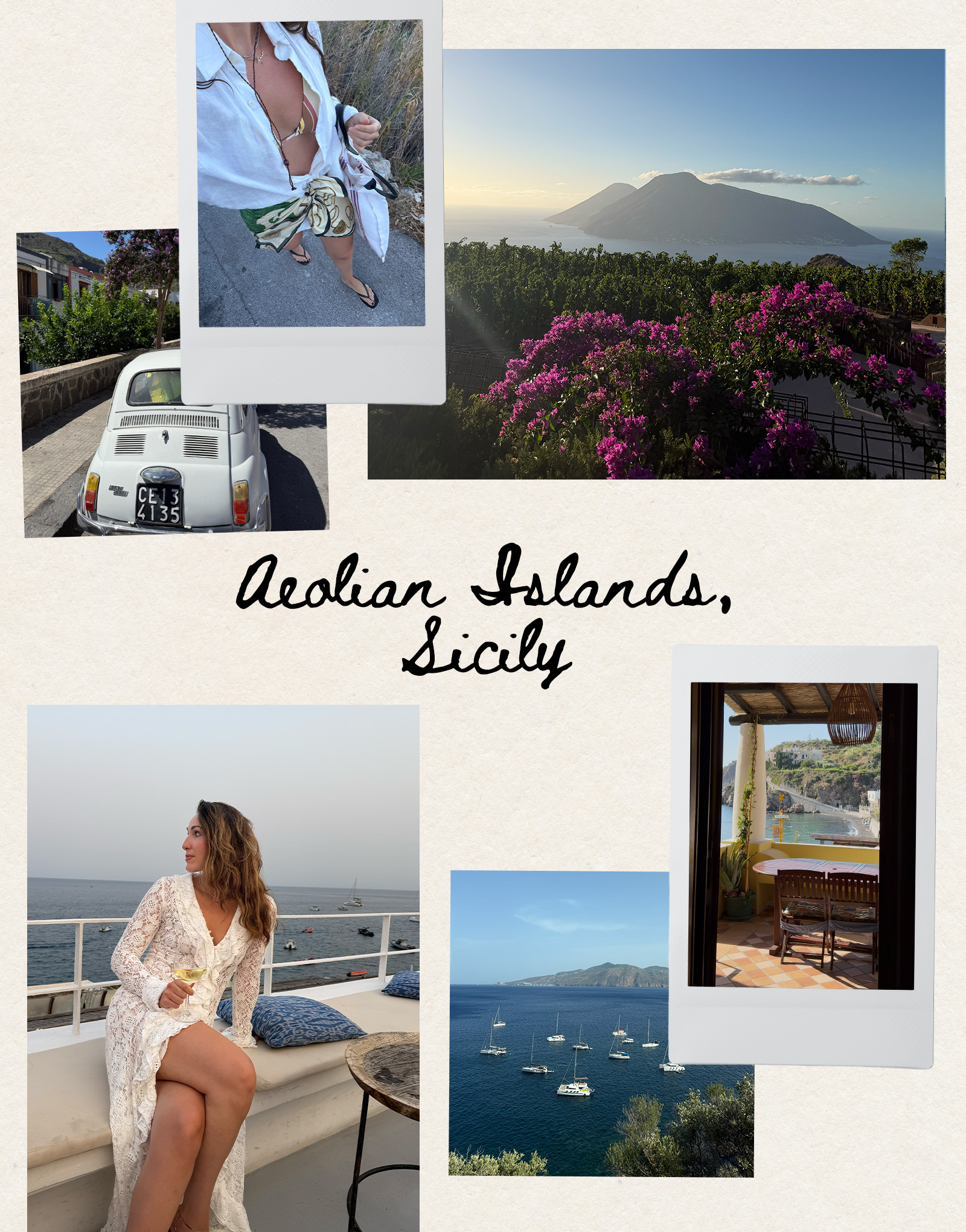
Yet, for those willing to endure the physical trek and sacrifice certain urban creature comforts, the archipelago rewards visitors with sweeping sea views, dramatic black volcanic sand beaches, and a thriving, world-class local winemaking tradition centered around volcanic soils.

Chronology: A 12-Day Island-Hopping Itinerary
Carving out a comprehensive 12-day window (including travel days) allowed for an immersive exploration of the region, split across three distinct islands: Salina, Panarea, and Lipari. Moving between accommodations despite the logistical friction of packing and unpacking proved essential, as each island exhibits an entirely unique micro-culture, topography, and aesthetic.

Days 1–4: The Verdant Slopes of Salina
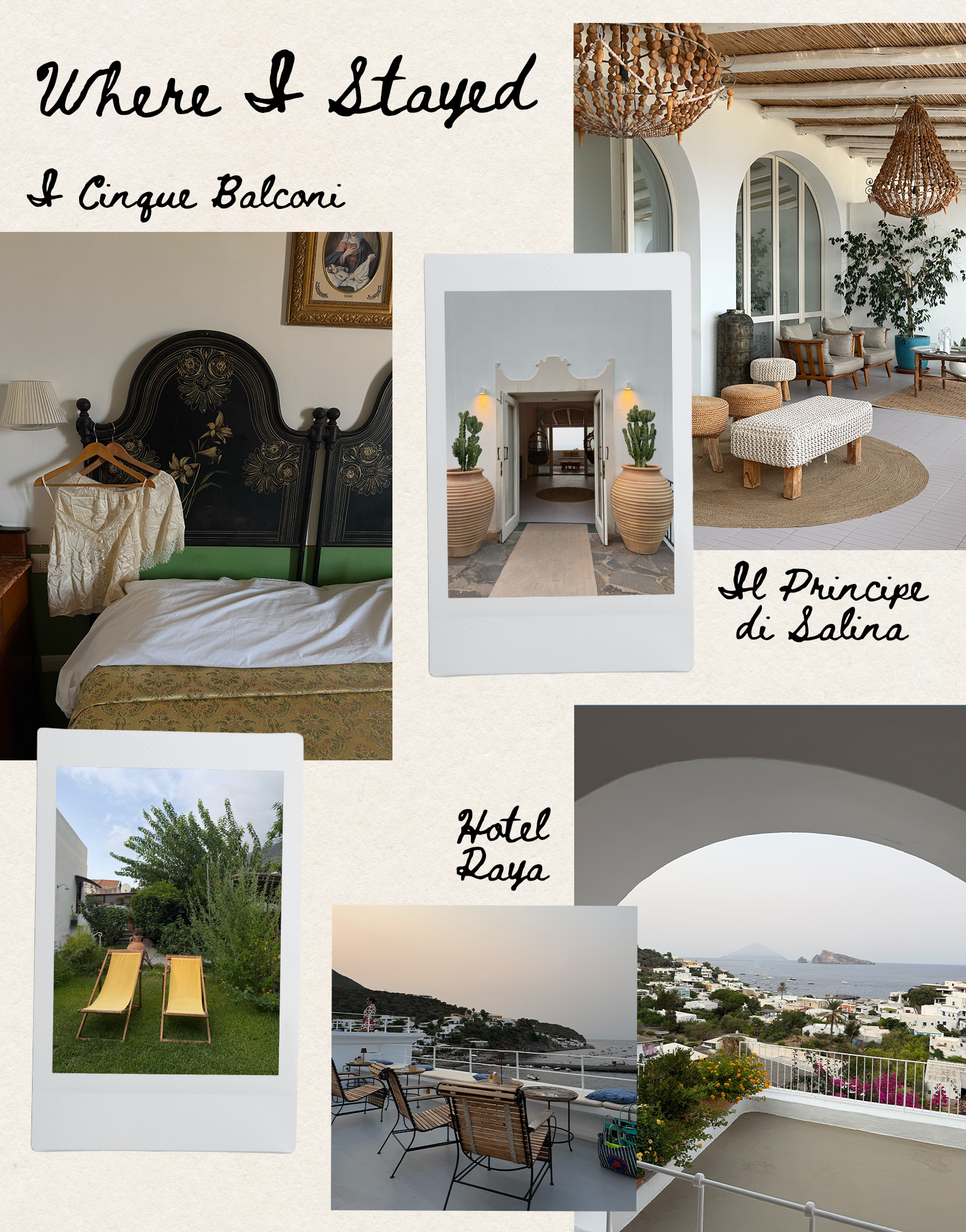
Beginning the journey on Salina, the destination immediately establishes a slower, agricultural rhythm. Accommodation was secured at the highly sought-after Principe di Salina, a boutique oasis founded by Anita Motta, who left a decade-long corporate career in Milan to open the property. Characterized by whitewashed stucco walls, arched porticos, and barefoot luxury, the hotel exemplifies a deeply personal hospitality.
Subsequent nights were spent at I Cinque Balconi, a charming bed-and-breakfast in the port town of Santa Marina Salina. Featuring traditional tiled floors and lush gardens, the B&B offered an ideal base for exploring local bakeries—including the storied Da Alfredo, famous for its traditional granita and brioche.

Days 5–8: The Glamorous Pulse of Panarea
Shifting gears entirely, the itinerary moved to Panarea, the smallest and most exclusive of the inhabited Aeolian islands. Here, all social momentum converges on the iconic Hotel Raya, whose sprawling cliffside terrace serves as the undisputed epicentre of the island’s legendary nightlife.
Days on Panarea were spent chartering vessels through Blue Adventure to navigate hidden coves and dramatic offshore islets, followed by evenings exploring the island’s high-end culinary scene.

Days 9–12: Cultural Explorations and Final Departures
The final leg of the journey incorporated day trips and stays across Lipari—the largest and most commercially developed island—featuring visits to the striking White Beach and historical thermal sites, before making the multi-leg trek back to Catania for international departure.
Supporting Data: Accommodations, Dining, and Curated Packing
A successful journey through the Aeolians requires precise planning, particularly regarding accommodations, which book out months in advance due to the limited footprint of the islands.
Where to Stay
- Principe di Salina (Salina): Whitewashed architecture, cliffside infinity pool, and unmatched quiet luxury.
- I Cinque Balconi (Santa Marina Salina): A cozy, residential-style B&B ideal for immersion in local port life.
- Hotel Raya (Panarea): The definitive luxury and nightlife anchor of the archipelago.
Culinary Highlights
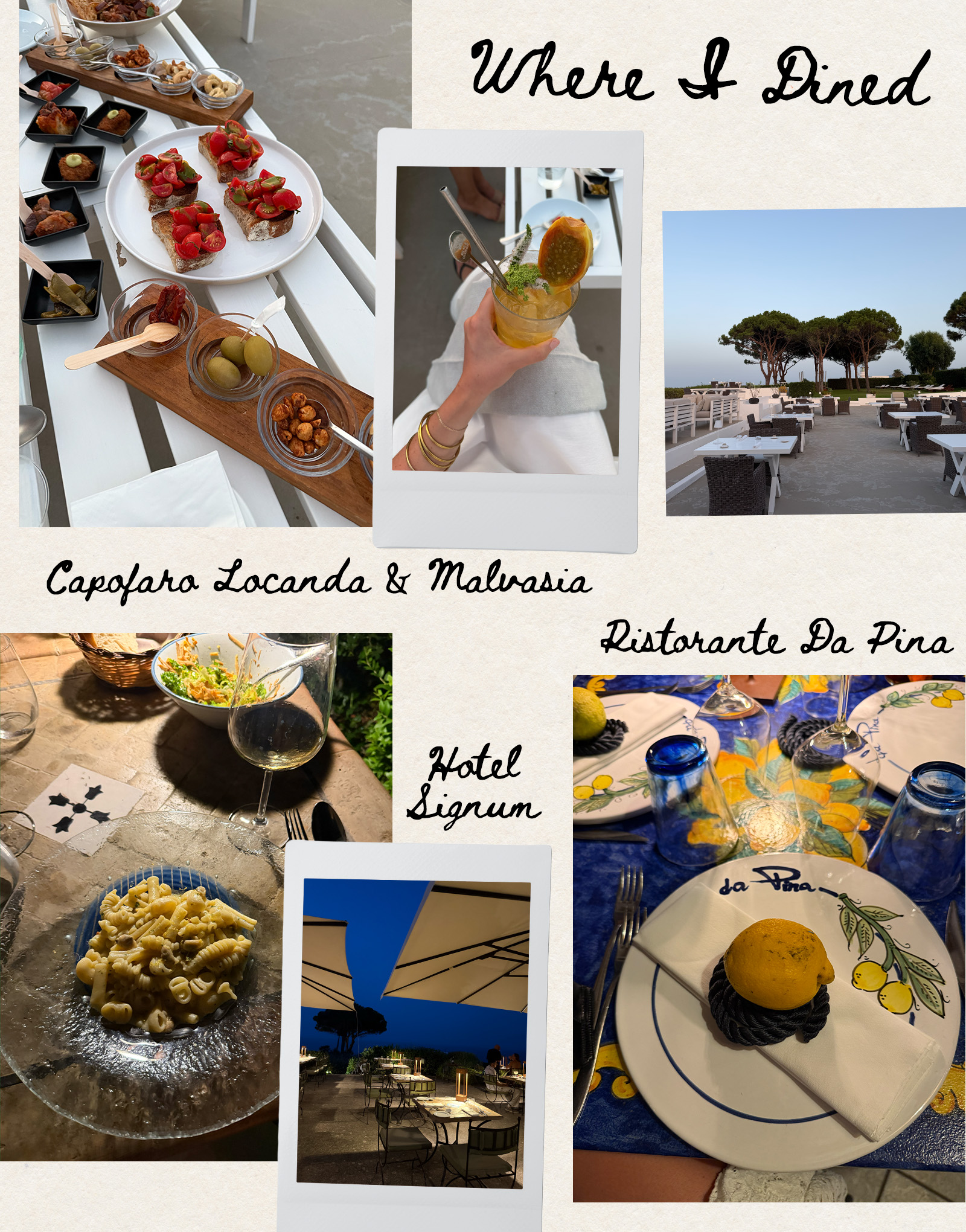
- Ristorante Da Pina (Panarea): Renowned for ultra-thin crudo dishes and exceptional handmade pasta served ahead of late-night outings.
- Da Giovanna (Panarea): A candlelit garden restaurant offering exceptional ambiance and local seafood.
- Hotel Signum (Salina): The archipelago’s sole Michelin-starred establishment, paired perfectly with regional Etna Bianco wines.
- Capofaro Resort (Malfa, Salina): An expansive vineyard estate ideal for sunset aperitivo featuring endless plates of caponata, bruschetta, and prickly pear spritzes.
The Capsule Wardrobe and Packing Strategy
Given the intense Mediterranean humidity and rocky terrain, packing strategies prioritized airy, breathable luxury fabrics over heavy structure:
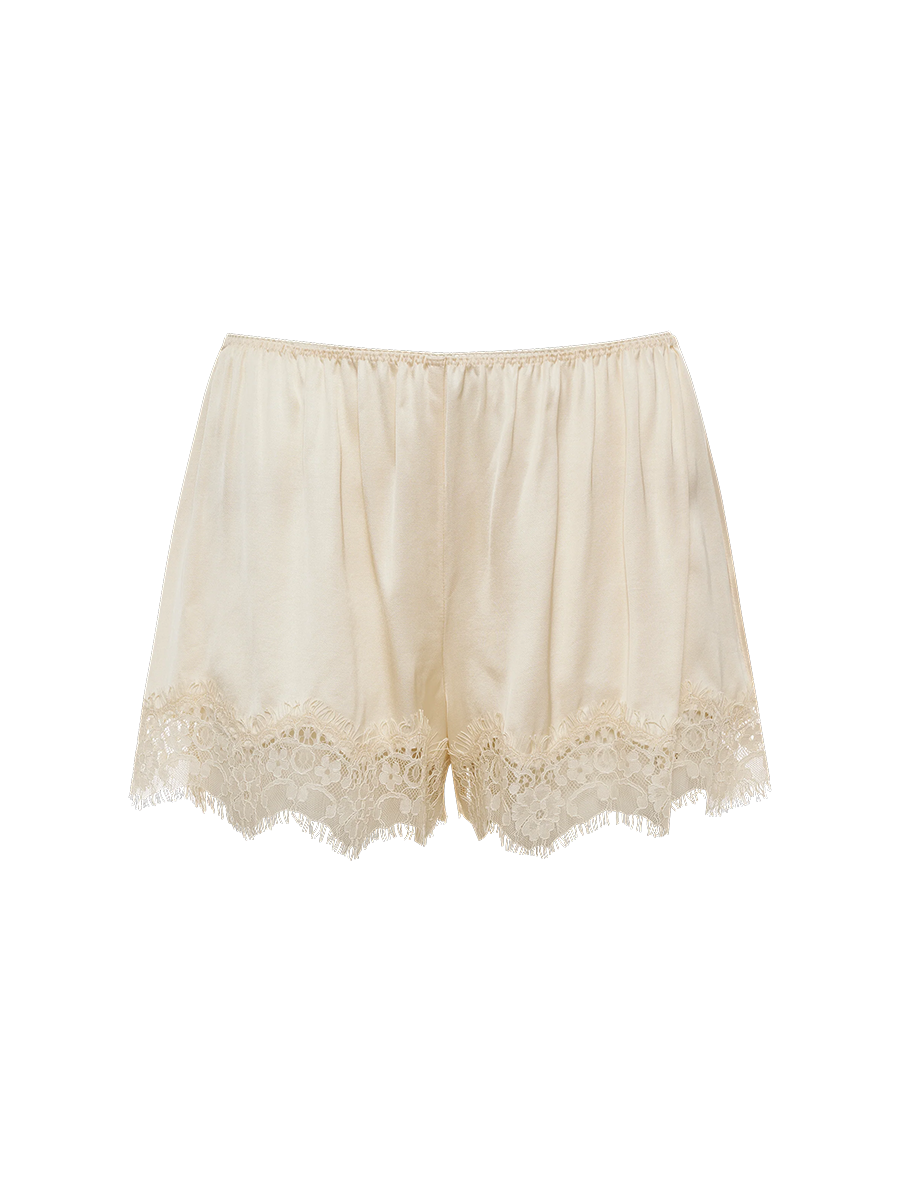
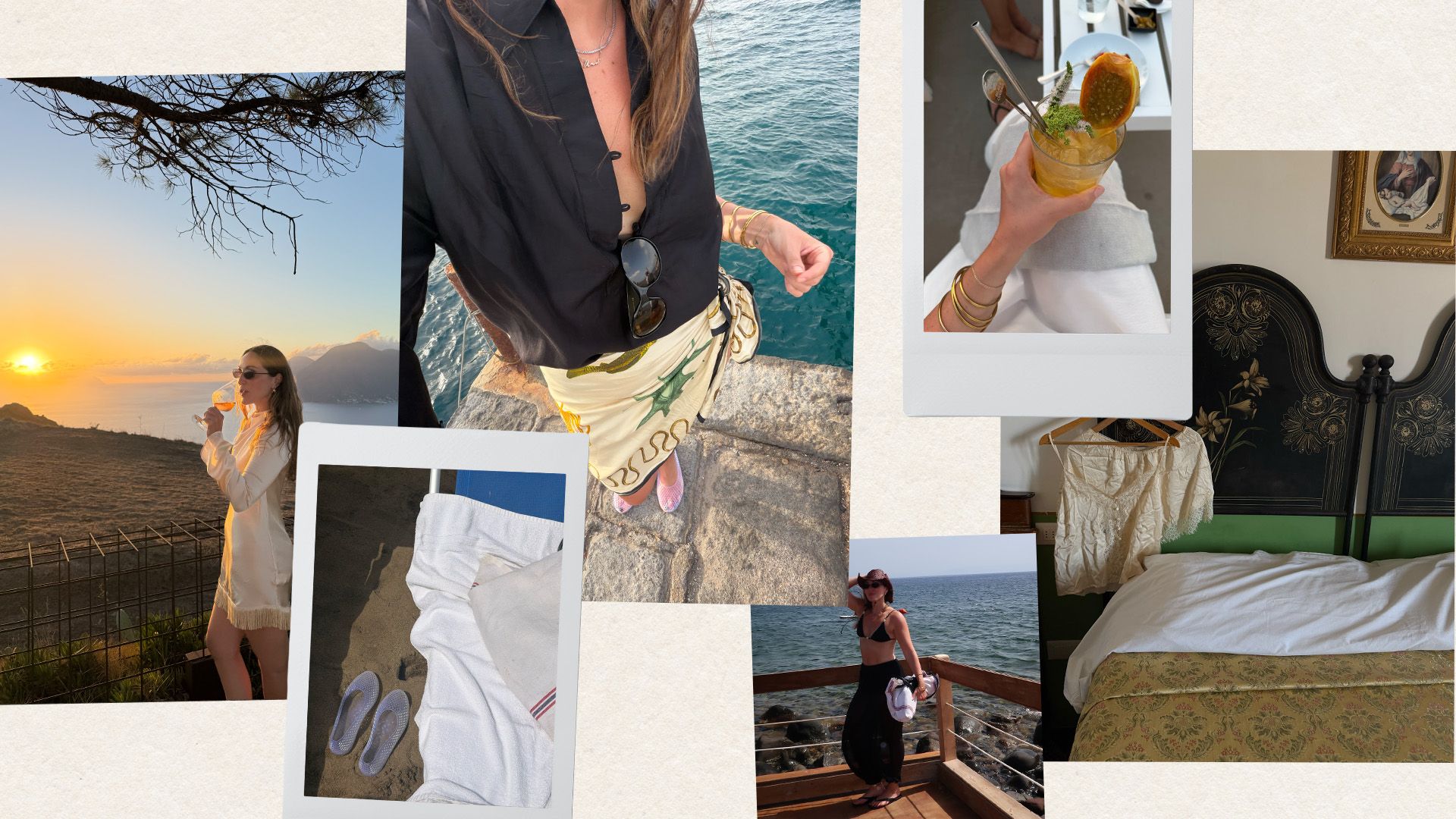
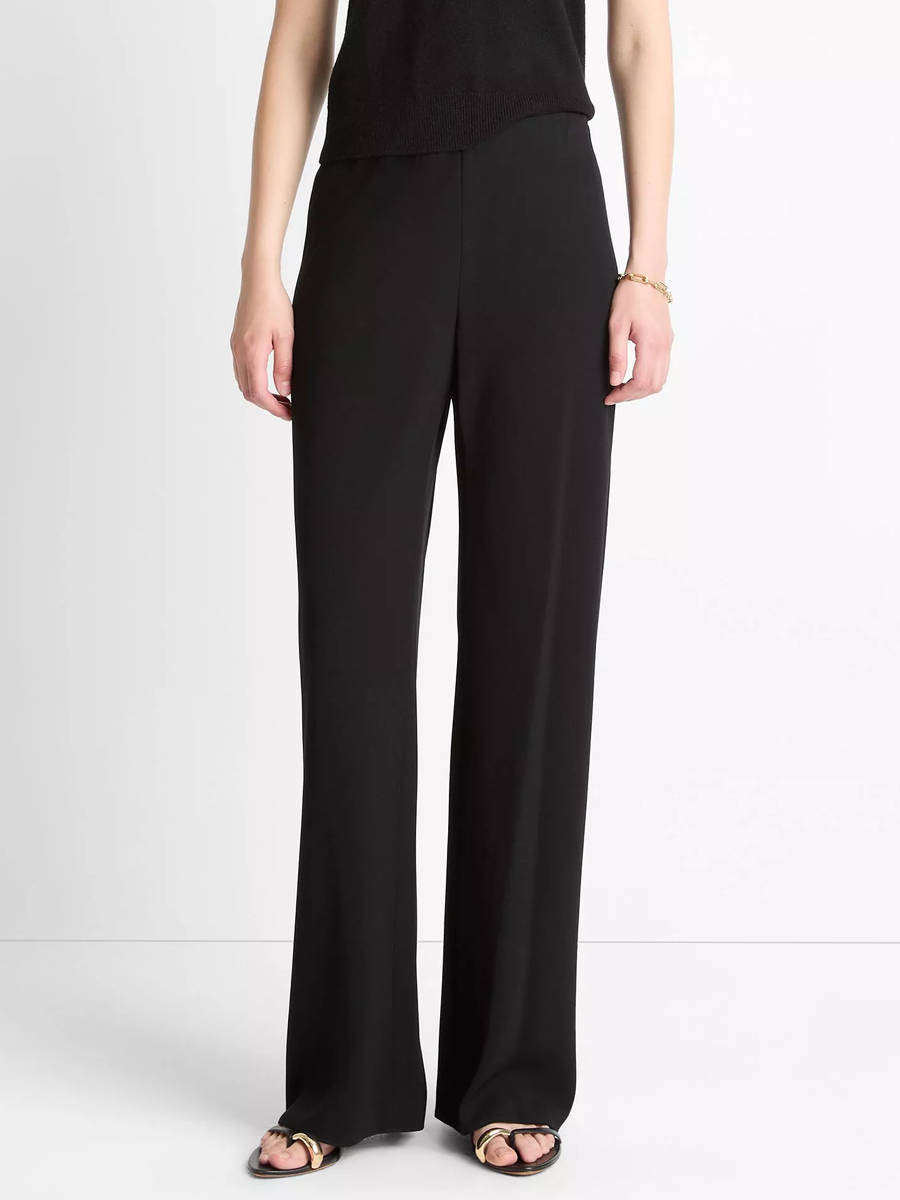
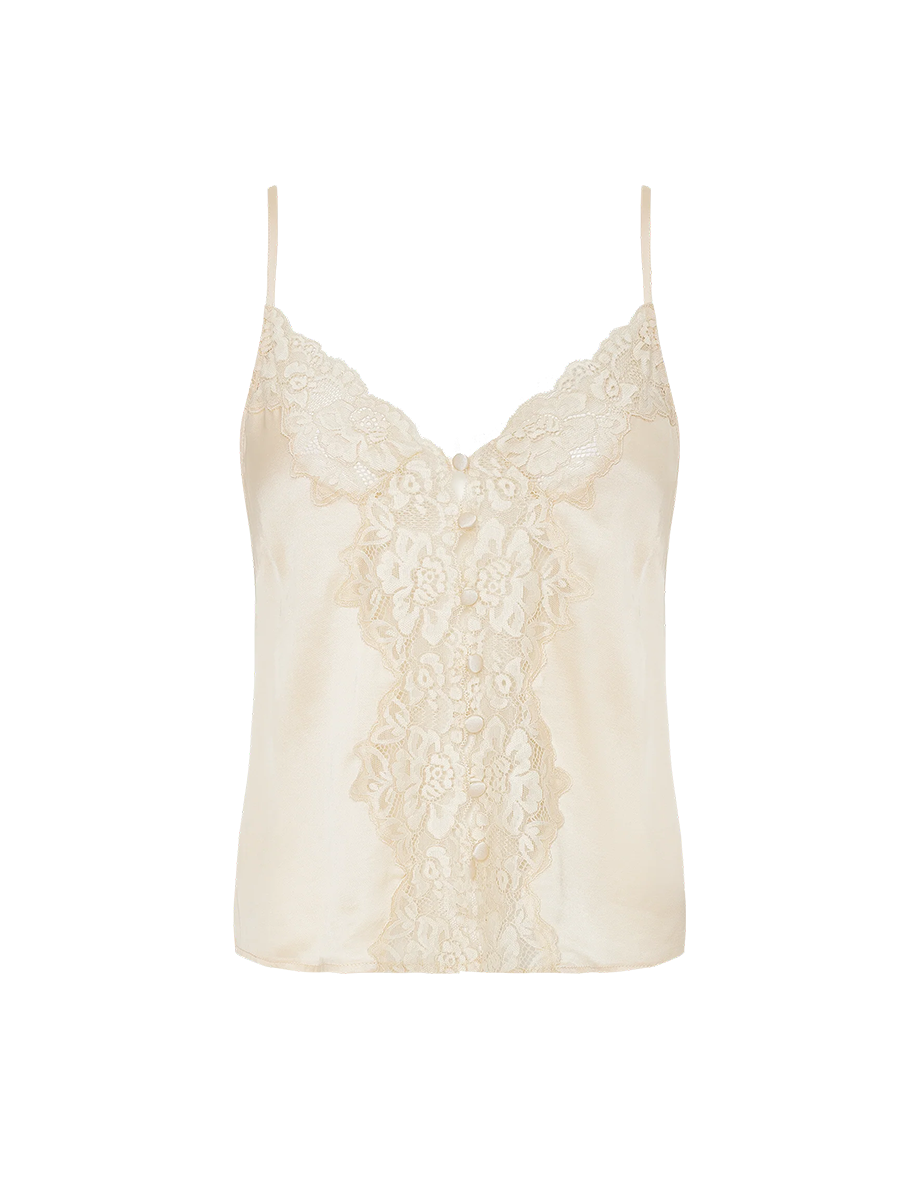
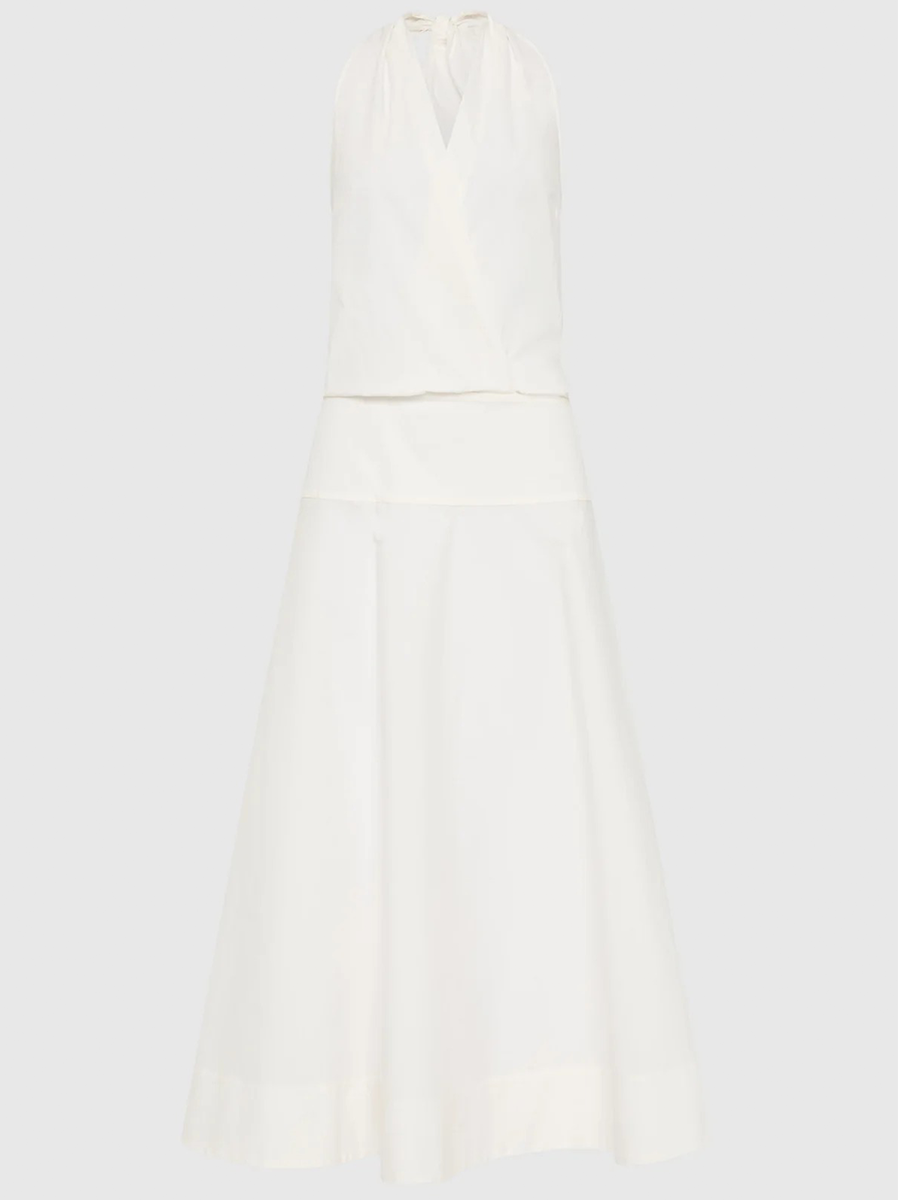
- Apparel: Rumored lace-trimmed tanks and matching silk shorts served as both daywear and chic swimsuit cover-ups. Sheer balloon pants (such as pieces by SIRAPOP) provided breathable evening elegance when paired with halter tops.
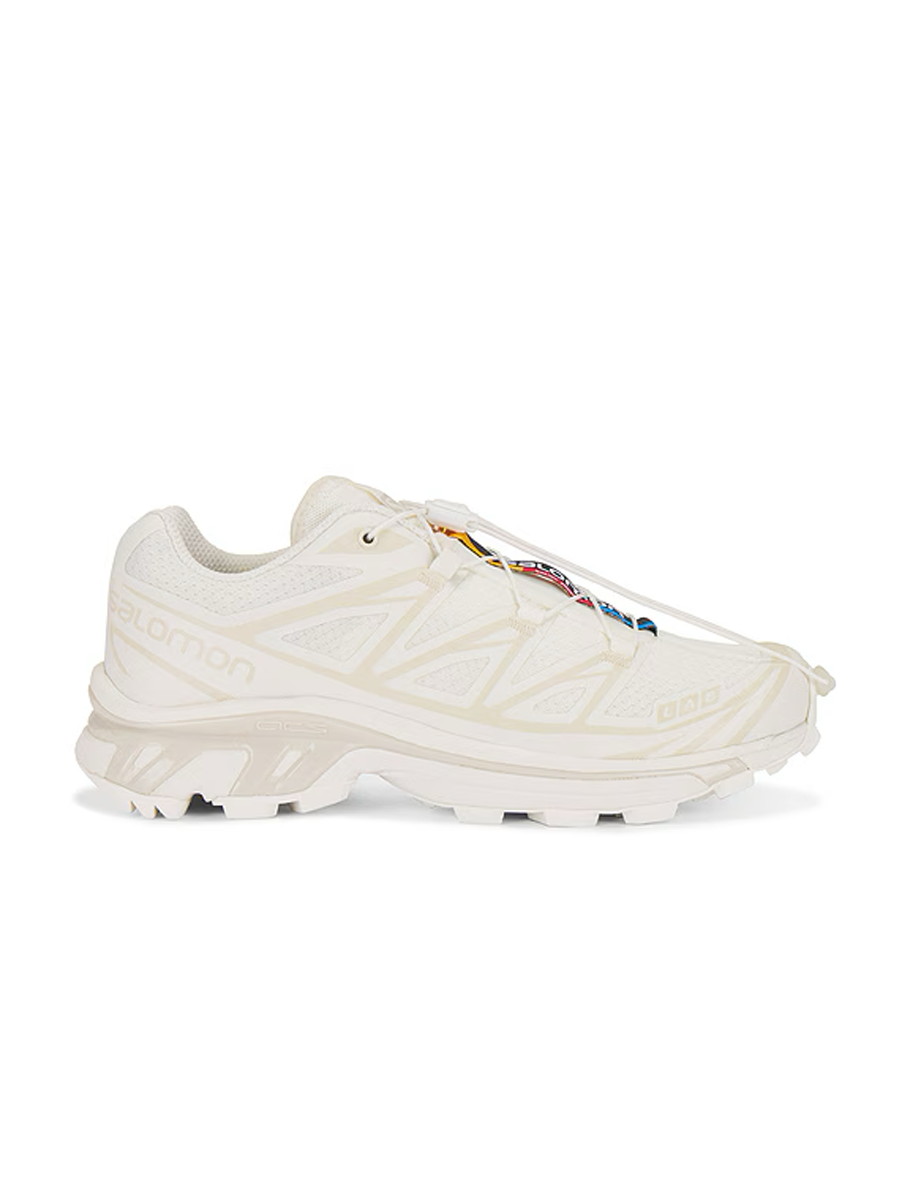
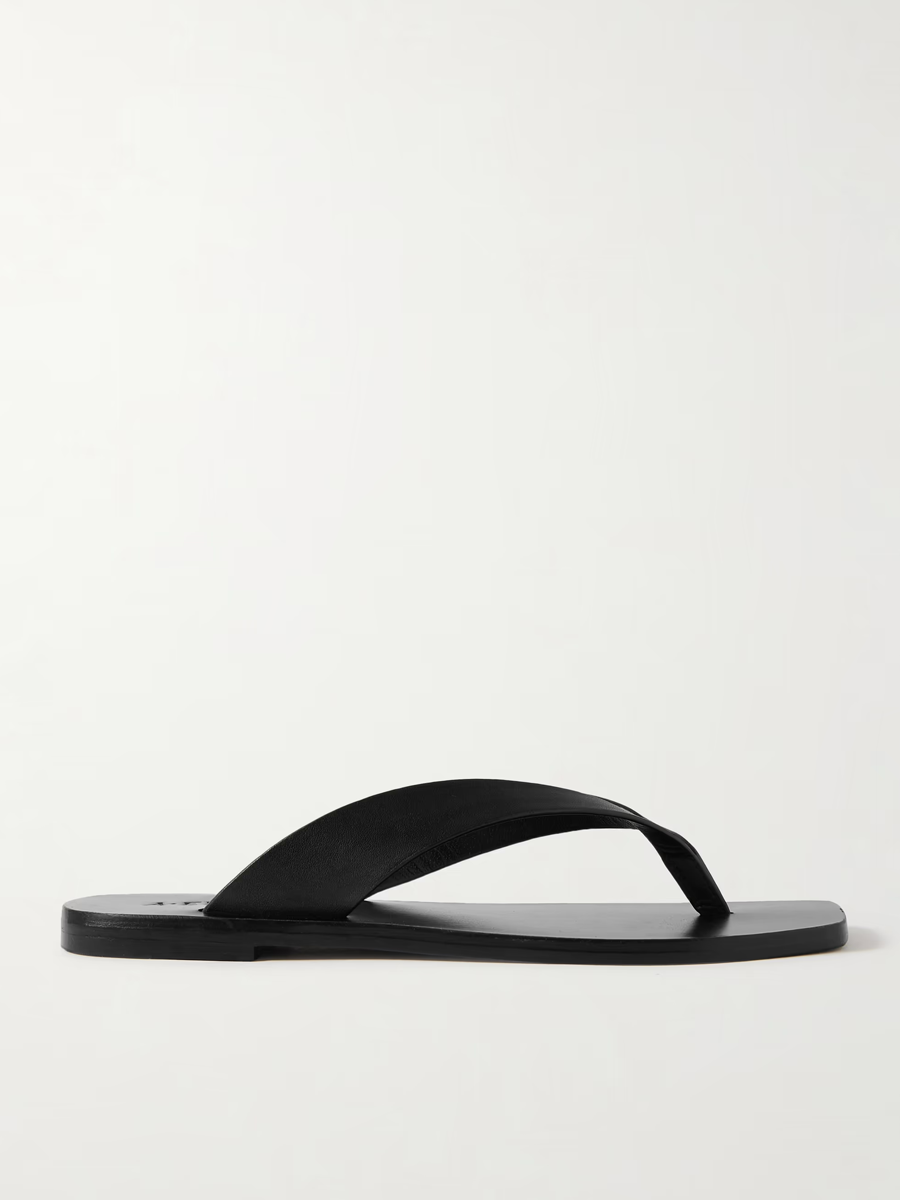
- Footwear: Minimalist leather flats (A.Emery Kinto Flip-Flops) for daytime wandering; Ancient Greek Sandals Iro Flats functioned as stylish, functional water shoes for navigating rugged volcanic beaches; and Charys Wedges offered stability over unforgiving cobblestone streets without compromising height.
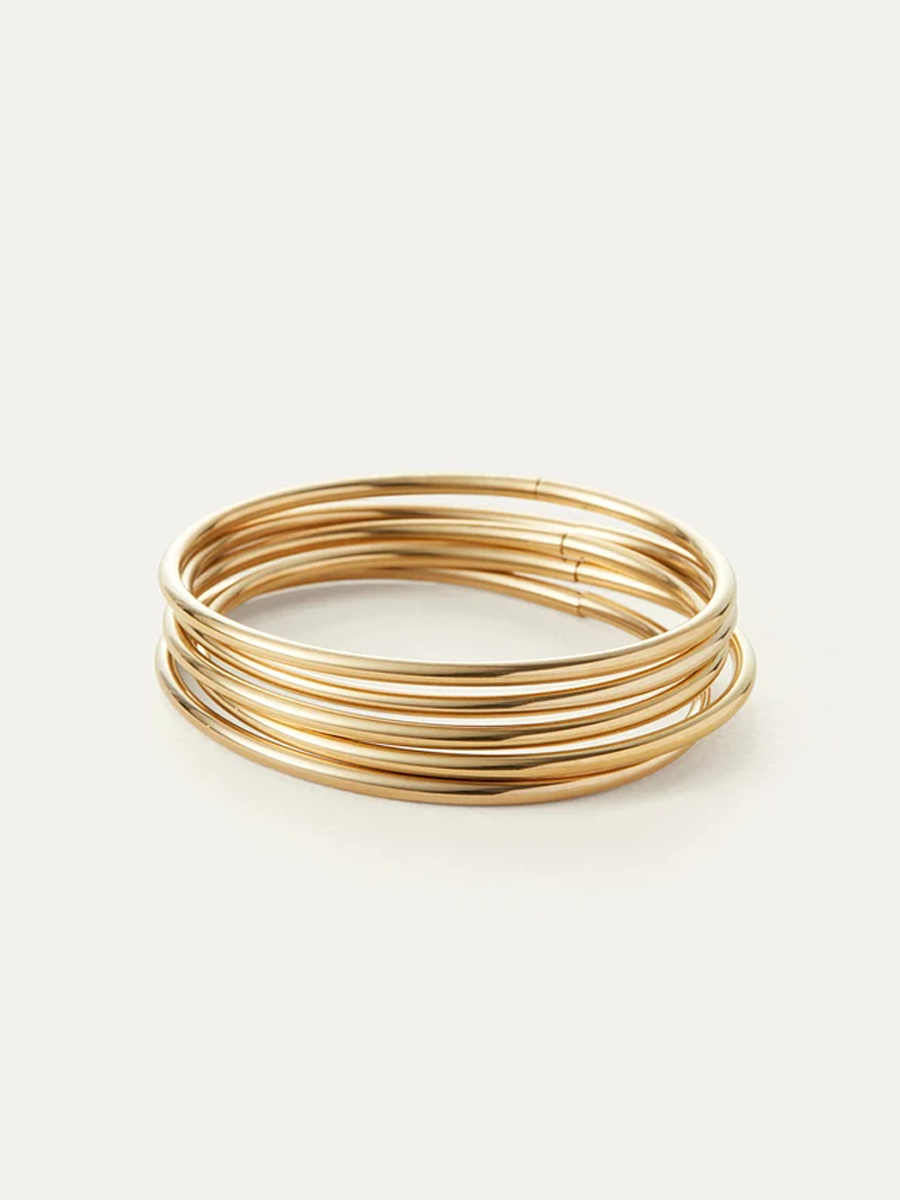
- Accessories: Minimalist gold jewelry sets (Jenny Bird), statement sunglasses (VEHLA Reign), and a structured raffia hat (ZARA) for sun protection.
Official Responses and Local Insights
Tourism authorities and local business owners across the Aeolians maintain a unified stance regarding the future of the islands: deliberate preservation over mass commercialization.
Unlike mainland coastal hotspots experiencing severe overtourism, local municipal councils in islands like Panarea and Filicudi actively enforce limitations on vehicular traffic and commercial expansion. Representatives from the local hospitality sector emphasize that the physical constraints of the volcanic terrain—limited freshwater supplies, restricted waste management capacity, and delicate marine ecosystems—naturally safeguard the region against unsustainable growth.
"The Aeolians do not cater to the mass tourist," notes one local hospitality operator on Salina. "The journey weeds out those looking for standardized luxury. What remains are travelers who respect the raw power of the landscape and the pace of island life."
Implications: The Future of Slow Luxury Travel in the Mediterranean
The rising interest in the Aeolian Islands points to a broader paradigm shift within global luxury travel. As primary Mediterranean destinations—such as Capri, Positano, and Mykonos—grapple with intense overcrowding, environmental strain, and commercial homogenization, affluent travelers are increasingly migrating toward "friction-heavy" destinations.
This trend toward high-effort, low-impact travel carries several key implications:
- Infrastructure Strain vs. Economic Benefit: While remote communities benefit economically from high-spending niche travelers, local municipalities face mounting pressure to upgrade maritime transport and eco-friendly waste management without altering the historic character of the villages.
- The Rise of Micro-Tourism: Travelers are favoring multi-destination itineraries across hyper-localized micro-regions over single-resort stays, seeking authentic cultural engagement and narrative-driven experiences.
- Sustainable Fashion and Gear Integration: Travel journalism and personal style diaries are increasingly reflecting functional utility—such as luxury water shoes and packable sheer layers—proving that modern travel style must adapt to rugged, unpaved landscapes rather than traditional resort asphalt.
Ultimately, the Aeolian Islands serve as a blueprint for the future of exclusive European travel: a delicate equilibrium where difficult access, volcanic preservation, and uncompromising style unite to protect an irreplaceable Mediterranean sanctuary.
 Lina Hope
 Laily UPN
 Nana Muazin
