

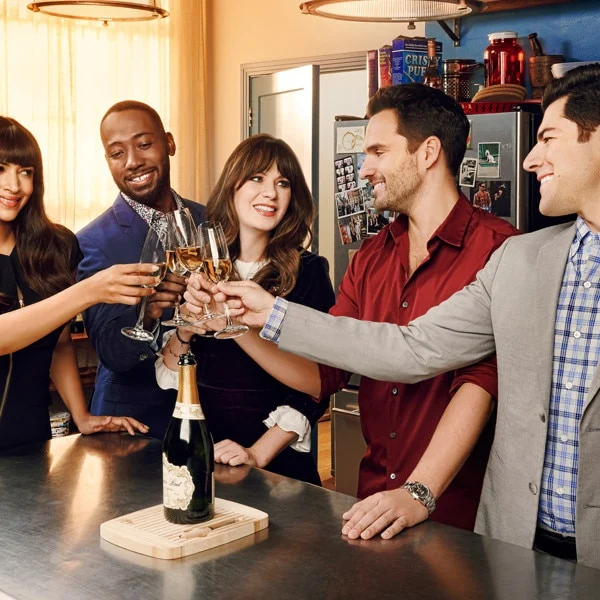
It is a testament to the enduring appeal of the loft that, years after the final lights were dimmed on the set, the gang from 4D remains a staple of pop culture. When New Girl first premiered on September 20, 2011, it arrived as a breath of fresh, albeit chaotic, air. With 10 million viewers tuning in for its debut, it became the night’s No. 1 show, cementing the status of Zooey Deschanel’s Jess Day as a modern television icon. However, beneath the surface of this "adorkable" comedy lay a complex, collaborative, and often serendipitous production process that turned a story about four roommates into a defining portrait of millennial life.
The Genesis of a Loft-Bound Classic
The series, created by Liz Meriwether, was born out of her own nomadic experiences navigating the Los Angeles rental market. "It came from me looking around my life and realizing a lot of my friends were guys," Meriwether explained in an early interview. "I go to them for really specific things that I don’t go to my girlfriends for. It got me thinking about a sort of wish-fulfillment situation where I get to live with my guy friends."
Originally titled Chicks & Dicks—a working title that likely would have earned a permanent spot in Schmidt’s infamous "Douchebag Jar"—the show underwent a rebranding to better reflect its heart. While the marketing department at Fox famously leaned into the "adorkable" moniker to describe Jess Day, both the creator and the lead actress eventually distanced themselves from the term. For Meriwether, the show was never meant to be a cutesy romp; it was a gritty, realistic, and often weird look at twentysomethings trying to get their lives together.
Chronology: From Pilot to Final Curtain
The trajectory of New Girl was anything but linear. The cast was not initially set in stone, and the chemistry that defined the show was a result of organic development and last-minute pivots.
- 2011: The show premieres to massive ratings. The casting of the roommates—Max Greenfield (Schmidt), Jake Johnson (Nick Miller), and Lamorne Morris (Winston)—is lauded, though not without behind-the-scenes hurdles.
- 2013: Following the departure of Damon Wayans Jr. due to his commitment to Happy Endings, the show navigates a cast shift, eventually welcoming him back in a move brokered by his off-screen friend, Jake Johnson.
- 2018: The series concludes with a condensed final season, a move lobbied for by Deschanel and Johnson to ensure the characters received the closure they deserved after a rushed sixth-season finale.
Supporting Data: The Art of the Improvisation
One of the most defining characteristics of New Girl was its open-set environment. Unlike many sitcoms that require strict adherence to the script, Meriwether and her team encouraged actors to bring their own quirks to the table.
The "Schmidt" Transformation
Max Greenfield’s portrayal of Schmidt is a masterclass in character evolution. Originally envisioned as a one-dimensional, "Jersey Shore-esque" sleazebag, Greenfield approached the role with a different philosophy: "Let’s try to make this character as not-douchey as possible." By playing the character with a deep-seated insecurity, Greenfield turned a caricature into one of the most beloved figures in sitcom history. His iconic mispronunciations—"youths," "chut-ta-ney," and "Jay Cut-uh-ler"—were deliberate choices he made to add layers to a character who was trying too hard to fit in.
The True American Enigma
Perhaps the most famous contribution from the cast was the creation of "True American." When the script called for a drinking game, the writers were left empty-handed. It was Lamorne Morris who challenged the lack of rules, eventually leading to a game that—to this day—has no formal logic. As Jake Johnson noted, the "rules" are essentially: get drunk, yell out historical names, and throw beer in corners. It is the perfect embodiment of the show’s "anything goes" spirit.
Official Responses and Behind-the-Scenes Realities
The production was marked by a genuine camaraderie that often blurred the lines between the actors and their characters.
The Lamorne Morris Audition Saga
Lamorne Morris’s road to becoming Winston Bishop was arguably the most grueling. He auditioned 15 times for the show, having been passed over initially for the role of Coach due to a "distracting" audition outfit. After a stint on a separate pilot that failed to materialize, he was brought back into the fold during the chaos of the Happy Endings cancellation. Morris reflects on the experience with humility, noting that he had to re-audition against the entire industry to land the role of the lovably eccentric Winston.
The Prince Effect
Few shows can boast a guest star as legendary as Prince. The musical icon reached out to the cast directly, expressing his love for the series and his status as a "Nick and Jess" shipper. His involvement was total: he requested control over wardrobe, music, and set decoration. Meriwether recalls the surreal experience of taking notes from Prince on how to make a scene "funnier" by using a lighter under his chin. It was a career-defining moment for the creative team, proving that New Girl had transcended traditional sitcom status.
Implications: The Quest for a Reunion
In the wake of the show’s massive resurgence during the COVID-19 pandemic, the question of a reboot or a reunion has become a constant topic of conversation.
Why the Demand Persists
The show’s enduring relevance lies in its ability to offer an escape into a world of "meaningless, ridiculous things." As Max Greenfield noted, the show provides a sanctuary from the complexities of the modern world. The cast remains tightly linked via group chats and frequent social media interactions, fueling fan hope that the door to the loft is not permanently closed.
The Path Forward
While no formal reboot has been announced, the actors have been vocal about their willingness to return. Jake Johnson has stated, "Whenever Liz says, ‘This is what I want to do,’ if we were all in, then I would love to get in there." Similarly, Lamorne Morris has teased that something might be in the works, suggesting that a one-off movie or a limited final season could be on the horizon.
Conclusion: A Legacy of Friendship
What makes New Girl stand out in the crowded landscape of 21st-century television is its heart. The show was never just about a teacher in a loft; it was about the evolution of a chosen family. Whether it was the slow-burn romance of Nick and Jess or the unconventional friendship between Nick and the non-speaking Tran, the series prioritized growth and connection.
As the cast continues to support one another in new ventures—such as their collective appearance at the Chrysalis Butterfly Ball—the legacy of New Girl remains secure. It taught a generation that it is okay to be messy, okay to be "adorkable," and that, above all, the people you choose to live with can become the most important figures in your life. Whether or not the gang ever returns to the loft, the memories they created remain, perfectly preserved in seven seasons of television that changed the way we view friendship.
 Lina Hope
 Asro
Asro
 Raul Delapena Setiawan
