

Main Facts: The Return of a Cult Classic
For science fiction enthusiasts looking to dive into a sprawling, puzzle-box narrative without reaching for their wallets, a golden opportunity has arrived. J.J. Abrams’ inventive and critically acclaimed television series Fringe is now available to stream completely free on Pluto TV.
Originally airing on Fox from 2008 to 2013 across five seasons and 100 episodes, Fringe follows a specialized FBI unit investigating bizarre occurrences rooted in "fringe science"—phenomena ranging from parallel universes and mind control to quantum entanglement and genetic mutation. Co-created by Abrams, Alex Kurtzman, and Roberto Orci, the series initially walked in the procedural footsteps of classics like The X-Files, but eventually evolved into a deeply serialized epic exploring alternate dimensions, dystopian futures, and the fragility of reality itself.
Despite never capturing the immediate, mainstream watercooler dominance of Abrams’ earlier phenomenon Lost, Fringe has spent the post-broadcast decade cultivating a fiercely loyal cult following. Its arrival on a free ad-supported streaming television (FAST) platform lowers the barrier to entry entirely, inviting both nostalgic fans and curious newcomers to experience the series’ mind-bending mythology at zero cost.
Chronology: From Rough Landing to Masterpiece
To understand the cultural trajectory of Fringe, one must look back at its origins during the golden age of network television’s mystery-box craze.
2008–2009: The Turbulent Pilot and Season 1
Following the massive success of Lost—which premiered in 2004 with its iconic, jungle-wreckage opening featuring Jack Shephard (Matthew Fox)—J.J. Abrams sought to capture lightning in a bottle once more. In the fall of 2008, Fringe debuted with a lavish, feature-length pilot directed by Alex Graves.
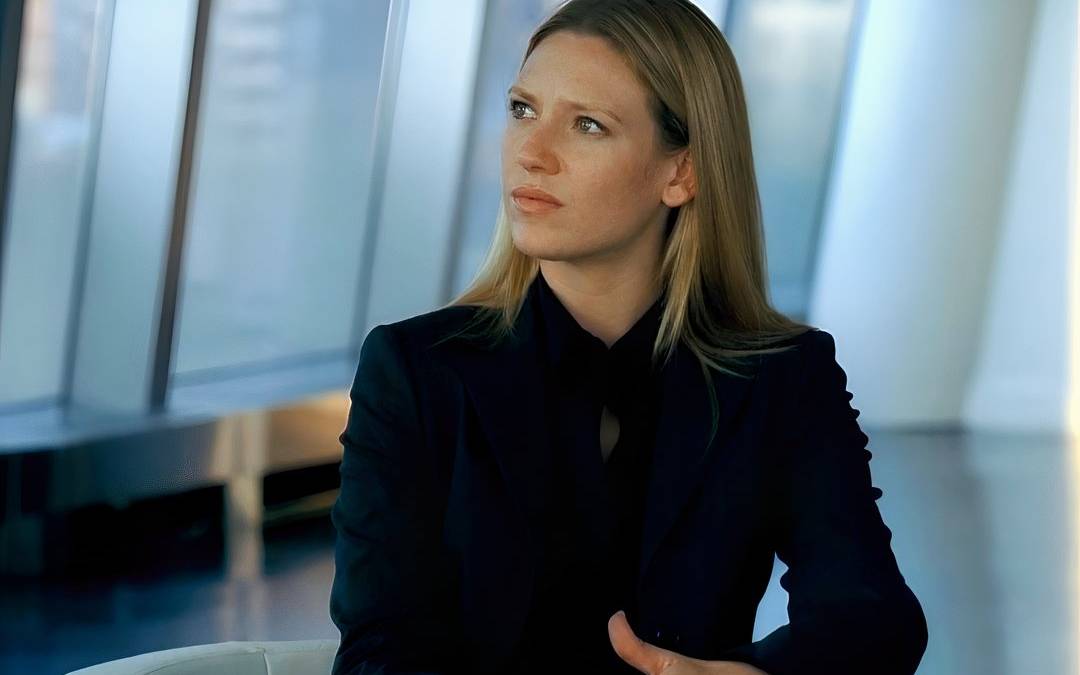
The series opened with an eerie aviation disaster: an international flight lands autonomously at Boston’s Logan Airport, but all passengers and crew are found horrifically liquefied or dead from an unknown biological agent. This brings together FBI Special Agent Olivia Dunham (Anna Torv), institutionalized "mad scientist" Dr. Walter Bishop (John Noble), and his reluctant, highly intelligent estranged son Peter Bishop (Joshua Jackson).
Early episodes leaned heavily into a "case-of-the-week" procedural format, drawing comparisons to The X-Files. However, critics and viewers quickly noticed an overarching mythology building in the background: a sinister conglomerate known as Massive Dynamic, led by the enigmatic William Bell (Leonard Nimoy), and a looming apocalyptic conflict involving a parallel universe.
2010–2012: The Parallel Universe Era (Seasons 2 and 3)
As the series progressed, Fringe dropped its episodic pretense and boldly expanded its scope. Seasons 2 and 3 introduced audiences to "Over Here" and "Over There"—our world and a technologically advanced, yet scarred, parallel Earth.
This era is widely regarded by critics as the show’s artistic peak. The narrative brilliantly juxtaposed the main cast against their alternate-universe doppelgängers, referred to colloquially as "Fauxlivia" and alternative versions of Walter and Peter. The storytelling shifted from standalone monster-of-the-week episodes to a high-stakes geopolitical and existential thriller regarding the deliberate destabilization of the barriers between worlds.
2012–2013: Dystopian Futures and the Final Act (Seasons 4 and 5)
Following a universe-altering reset at the end of Season 3, Season 4 explored a timeline where Peter Bishop had seemingly never existed, forcing the characters to grapple with altered identities and erased histories.

The fifth and final season executed one of the most audacious genre shifts in television history. Leaping forward to the year 2036, the series transformed into a dystopian resistance drama. The Earth had been subjugated by the "Observers"—emotionless, bald, time-traveling human descendants introduced as ominous background watchers in the pilot episode. Over its final 13 episodes, Fringe brought its complex timeline, emotional arcs, and thematic inquiries to a satisfying, tear-jerking conclusion with its series finale in January 2013.
Supporting Data: Cast, Crew, and Critical Reappraisal
The Ensemble Cast
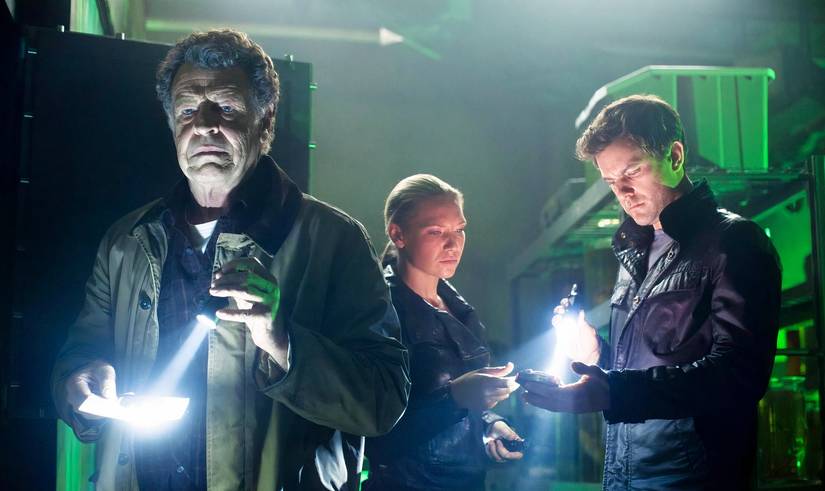
The beating heart of Fringe has always been its powerhouse central trio, whose chemistry anchored the show’s increasingly absurd speculative science:
- Anna Torv as Olivia Dunham: Torv delivered a masterclass in range, playing multiple versions of Olivia—including a timeline-erased variant and her alternate-universe counterpart—with distinct physicalities and emotional vulnerabilities.
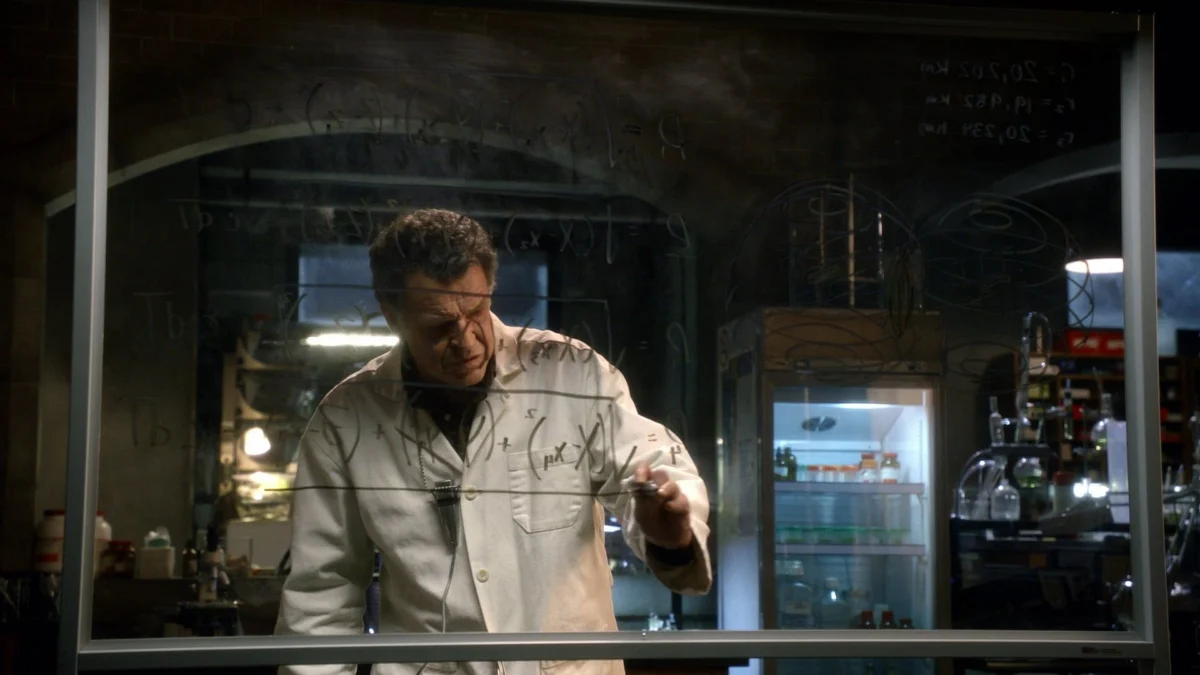
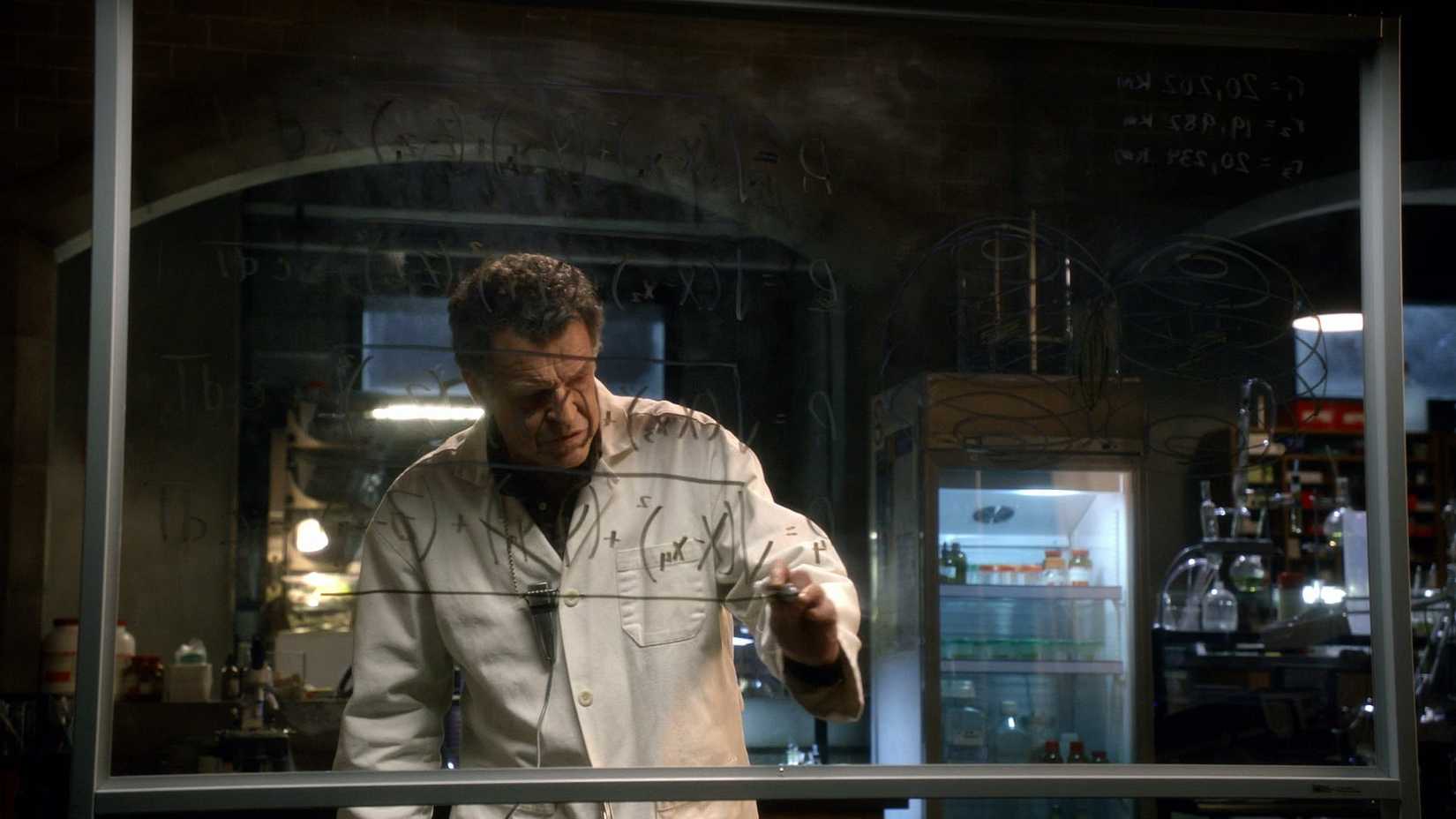
- John Noble as Dr. Walter Bishop: Noble’s portrayal of Walter is widely considered one of the greatest characters in television sci-fi history. Balancing unhinged scientific brilliance, profound paternal guilt, childlike innocence, and a penchant for bizarre culinary tastes, Noble anchored the show’s emotional core.
- Joshua Jackson as Peter Bishop: Serving as the cynical audience surrogate, Jackson evolved Peter from a reluctant participant into a deeply devoted partner and son, elevating the family dynamics of the narrative.
- Supporting Pillars: The cast was bolstered by heavy-hitters like Lance Reddick as the unflappable FBI boss Phillip Broyles, Jasika Nicole as the multifaceted lab assistant Astrid Farnsworth, and Blair Brown as the morally ambiguous Nina Sharp.
Critical Reappraisal
While Fringe struggled with ratings throughout its run—often shuffled around Fox’s Friday night "death slot"—critical consensus evolved dramatically over time. Review aggregators and retrospectives frequently place Fringe in conversations alongside The Leftovers, Battlestar Galactica, and Lost as a defining sci-fi text of the 21st century.
Fans of "hard sci-fi" point to the show’s creative integration of theoretical physics, string theory, and biological anomalies. Yet, unlike many of its clinical predecessors, Fringe weaponized its emotional intelligence, ensuring that quantum mechanics always took a backseat to familial love and personal redemption.
Official Responses and Industry Context
The decision by media distributors to place Fringe on FAST (Free Ad-Supported Streaming Television) platforms like Pluto TV reflects a broader industry trend in the mid-2020s. With subscription fatigue setting in across major SVOD (Subscription Video on Demand) services like Netflix, Disney+, and Max, studios are increasingly leveraging their vast back-catalogs to capture casual viewers through ad-supported models.
Executives at Warner Bros. Discovery (who control the rights through Warner Bros. Television) have recognized that older cult shows hold immense residual value. Rather than letting Fringe languish behind paywalls, streaming it for free captures a new generation of cord-cutters who consume media via FAST apps.
During the show’s original broadcast run, Fox executives frequently championed the series despite its modest ratings, recognizing its prestige value and dedicated online fandom. In 2012, ahead of the final season, executive producer J.J. Abrams expressed gratitude to the network for allowing the creative team to finish the story on their own terms: "To have the opportunity to end the show properly is a rare luxury that we are deeply grateful for."
Implications: Why Fringe Matters in the Modern Television Landscape
The Death of the Traditional Broadcast Procedural Evolution
Fringe serves as a historical blueprint for a type of television that no longer exists in mainstream network television. In the late 2000s, broadcast networks still commissioned 22-episode seasons that allowed room for "monster-of-the-week" storytelling.
Fringe used this bloated episode count to its advantage. While modern streaming shows are routinely condensed into tight, cinematic 8-to-10 episode blocks, Fringe used its standalone episodes to flesh out its world, develop its characters’ quirks, and build a lived-in universe. When the overarching mythology finally took over, the emotional stakes felt earned because viewers had spent dozens of hours watching the characters share mundane meals, banter in laboratories, and quietly process trauma.
The Bingeability Factor
Ironically, a show built for weekly 22-episode broadcast schedules turned out to be uniquely tailored to the modern binge-watching model. Because the narrative continuously escalates—transitioning seamlessly from bio-terrorism to parallel dimension wars, and finally to fascist future dystopias—the narrative momentum never truly halts.
A Masterclass in Emotional Hard Sci-Fi
At its core, Fringe proves that high-concept science fiction does not need to be cold or didactic to be intellectually stimulating. Whether it is Walter’s desperate, universe-breaking grief over losing his son, or Olivia’s relentless pursuit of her own identity across fractured realities, the show posits that love is as fundamental a law of physics as gravity.
As Fringe finds new life on Pluto TV, it offers a timely reminder of an era when network television took massive, imaginative swings. For viewers willing to brave Reiden Lake and peer through the veil of alternate realities, Fringe remains an essential, emotionally resonant voyage into the unknown.
 Lina Irawan
 Azzam Bilal Chamdy
 Basiran
