

Main Facts: A High-Stakes Crash Course for Modern Founders
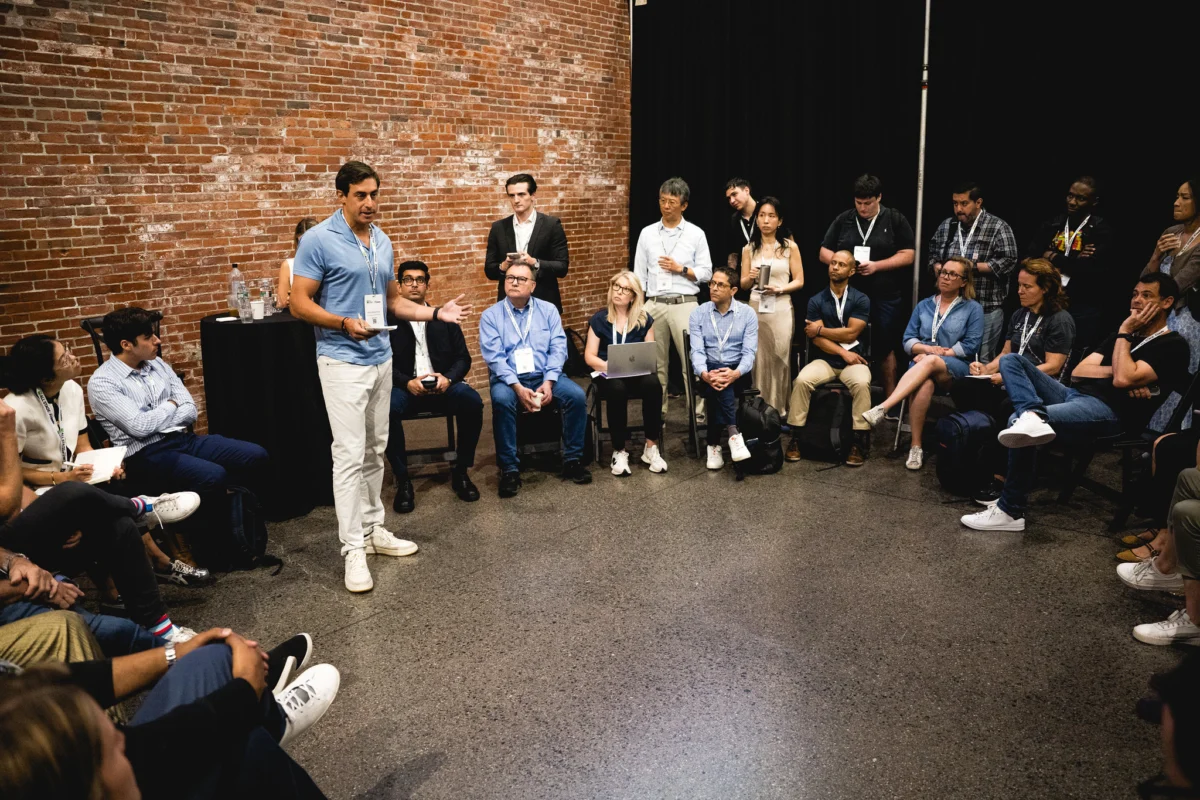
On November 4, the vibrant tech and innovation ecosystem of Boston will turn its eyes toward the historic SoWa Power Station. The venue is set to host the TechCrunch Founder Summit 2026, a high-intensity, one-day masterclass designed to fast-track early-stage entrepreneurs through the treacherous waters of company building.
The core premise of the summit is simple yet profound: founders shouldn’t have to learn the hardest lessons of entrepreneurship the hardest way. By shrinking months—or even years—of costly trial-and-error into a single day of focused instruction, the event offers direct access to the venture capitalists, operators, and serial entrepreneurs who have successfully navigated the exact high-stakes scenarios today’s founders are facing.
The comprehensive curriculum addresses the modern startup lifecycle from every conceivable angle. Attendees will dive deep into:
- Evolving fundraising climates: Understanding shifting investor expectations and term sheets.
- Executive leadership: Navigating the psychological and operational shifts of scaling as a CEO.
- AI-native architecture: Designing companies built from the ground up for artificial intelligence.
- Strategic hiring: Constructing resilient, high-performance teams.
- Category dominance: Mastering product-market fit and identifying hidden market signals.
With tickets currently available at their lowest introductory price points, the summit promises to be a pivotal touchpoint for the East Coast tech community, blending world-class operational advice with unmatched networking opportunities.
Chronology: The Evolution of Early-Stage Founder Education
The journey to the TechCrunch Founder Summit 2026 reflects a broader shift in how startup ecosystems educate their next generation of leaders.
The Shift from Generalism to Precision
Historically, early-stage founders relied heavily on generalized accelerators, decentralized blog posts, and ad-hoc mentorship to learn the ropes of venture building. However, macroeconomic shifts over the past several years have compressed margins for error. Valuations have rationalized, capital is more selective, and the integration of artificial intelligence has rewritten the fundamental rules of product development.
Recognizing this operational crunch, TechCrunch curated its annual programming to move away from high-level panel discussions and toward tactical, practitioner-led masterclasses. The evolution has led directly to the 2026 Boston summit—an event architected to tackle modern micro-economic realities head-on.
The Roadmap for November 4, 2026
The schedule at the SoWa Power Station is structured to guide attendees progressively from external strategy (raising capital) to internal execution (hiring and leadership), culminating in long-term market dominance. The official agenda brings together a powerhouse lineup of venture partners and veteran founders to unpack these milestones session by session.
Supporting Data: Sessions, Strategies, and Industry Experts
The official agenda for the Founder Summit 2026 covers a diverse array of foundational pillars critical to modern venture success.

1. The New Rules of Raising Capital
Fundraising dynamics have undergone a seismic shift. Brian Devaney, partner at Underscore, is slated to break down what institutional investors are genuinely looking for in today’s market. Devaney will detail how founders can differentiate themselves in crowded pipelines and identify the subtle traps where founders unknowingly surrender their leverage. From securing initial angel checks to negotiating complex term sheets, this session provides a candid look at avoiding round-breaking mistakes.
2. The CEO Job Never Gets Easier
A common misconception in entrepreneurship is that the title of CEO grows more comfortable as a company scales. Brian Halligan, HubSpot co-founder and Sequoia partner, will shatter this myth. Drawing from his extensive experience building and advising hyper-growth companies through relentless cycles of reinvention, Halligan will address how founders must continuously reinvent themselves, avoid classic leadership blind spots, and build organizational architectures designed to outlast their early operational days.
3. Built for AI From Day One
Retrofitting legacy software with artificial intelligence features is no longer enough to capture market share. Lior Div, co-founder and CEO of 7AI, will take the stage to explore the structural DNA of true AI-native companies. Div will analyze how foundational AI changes everything—from internal team hierarchies and agile product development loops to operational workflows and go-to-market strategies.
4. Not Every Dollar Is Equal
Capital is a commodity, but the source of that capital can dictate a company’s destiny. Vineet Edupuganti, co-founder and CEO of Cogent Security, fresh off an $11 million funding round, will share hard-earned insights on evaluating investors. Edupuganti’s session will guide founders through the nuanced trade-offs of cap table management, teaching them how to separate supportive, value-add partners from costly operational distractions.
5. Spotting the "King of the Hill": Hidden Signals of Category Winners
Solving major global problems requires radical innovation, but only a fraction of startups scale into industrial-tier category winners. Tina Tosukhowong, investment director at TDK Ventures, will pull back the curtain on the firm’s proprietary "King of the Hill" framework. Utilizing real-world case studies—ranging from advanced sectors like fission and fusion to high-growth software—Tosukhowong will provide actionable methodologies for assessing technological readiness, competitive landscapes, and commercial timing.
6. Your Company Is Who You Hire
A startup’s culture, velocity, and execution capability are direct reflections of its earliest hires. Melissa Taunton, partner at NEA, will draw upon years of collaborating with early-stage founders navigating rapid scaling and market uncertainty. Taunton’s session will offer a blueprint for identifying stellar early talent while avoiding the recruiting missteps that frequently destabilize young organizations.
7. The Boston Founder Playbook
While Silicon Valley often dominates industry headlines, Boston has quietly cemented itself as an incubator for iconic, category-defining enterprises. Chase Garbarino, co-founder and CEO of HqO, has spent over a decade proving this model, raising $200 million and scaling operations across more than 30 countries without relocating. Garbarino will analyze the unique geographic advantages and disadvantages of building outside traditional tech hubs, offering a tactical guide for regional founders.
8. Finding Product-Market Fit Before You Scale
Premature scaling remains the leading cause of startup mortality. Kent Bennett, partner at Bessemer Venture Partners, will demystify the elusive concept of product-market fit. Bennett will instruct attendees on how to validate true customer demand, design MVPs that ask the right quantitative and qualitative questions, and differentiate between vanity metrics and the hard signals that indicate a company is genuinely ready to scale.
Official Responses and Ecosystem Perspectives
Industry leaders and event organizers emphasize that the value of the TechCrunch Founder Summit extends far beyond the stage presentations.

Organizers highlight that the primary mission of the summit is to foster an environment of radical transparency. By bringing together institutional giants like Sequoia, Bessemer Venture Partners, NEA, and TDK Ventures alongside battle-tested operators from HubSpot, HqO, and 7AI, the event bridges the traditional gap between capital allocators and enterprise creators.
Venture capitalists involved in the program have echoed the sentiment that today’s macroeconomic climate demands tighter operational discipline. Speakers like Brian Devaney and Kent Bennett have frequently noted in pre-event briefings that the era of growth-at-all-costs has been replaced by an emphasis on capital efficiency, clear unit economics, and uncompromised product-market alignment. The summit serves as the official platform to broadcast these updated playbooks to the broader startup community.
Implications: What the Summit Means for the Future of Boston Tech
The convening of the TechCrunch Founder Summit at Boston’s SoWa Power Station carries significant strategic implications for the regional and national innovation economy.
1. Strengthening the East Coast Corridor
By spotlighting founders like Chase Garbarino who have scaled multi-national enterprises from Boston, the summit validates non-traditional tech hubs. It signals to investors and entrepreneurs alike that world-class companies do not require a Silicon Valley zip code to achieve massive scale. This decentralization of talent strengthens the broader Northeast tech corridor, encouraging local talent to build, fund, and scale locally.
2. Raising the Bar for AI-Native Ventures
As the tech industry transitions deeper into the artificial intelligence era, events like the Founder Summit play a critical filtering role. By providing frameworks to distinguish between superficial AI wrappers and fundamentally transformative AI-native businesses, the summit helps optimize the allocation of venture capital. This protects the ecosystem from speculative bubbles and directs resources toward sustainable, high-impact technologies.
3. Cultivating Resilient Leadership
Perhaps the most enduring implication of the event is its focus on the psychological and operational evolution of the founder. By addressing the lonely, high-pressure reality of the CEO seat, the summit equips leaders with mental models and peer networks that reduce burnout and improve startup survivability rates.
Looking Ahead
As November 4 approaches, founders, investors, and operators are encouraged to secure their registrations. The convergence of elite venture partners, proven founders, and an intensive tactical agenda ensures that a single day at the SoWa Power Station will catalyze months of decisive, strategic action across the Boston startup ecosystem and beyond.
 rifanmuazin
 Nana Muazin
