

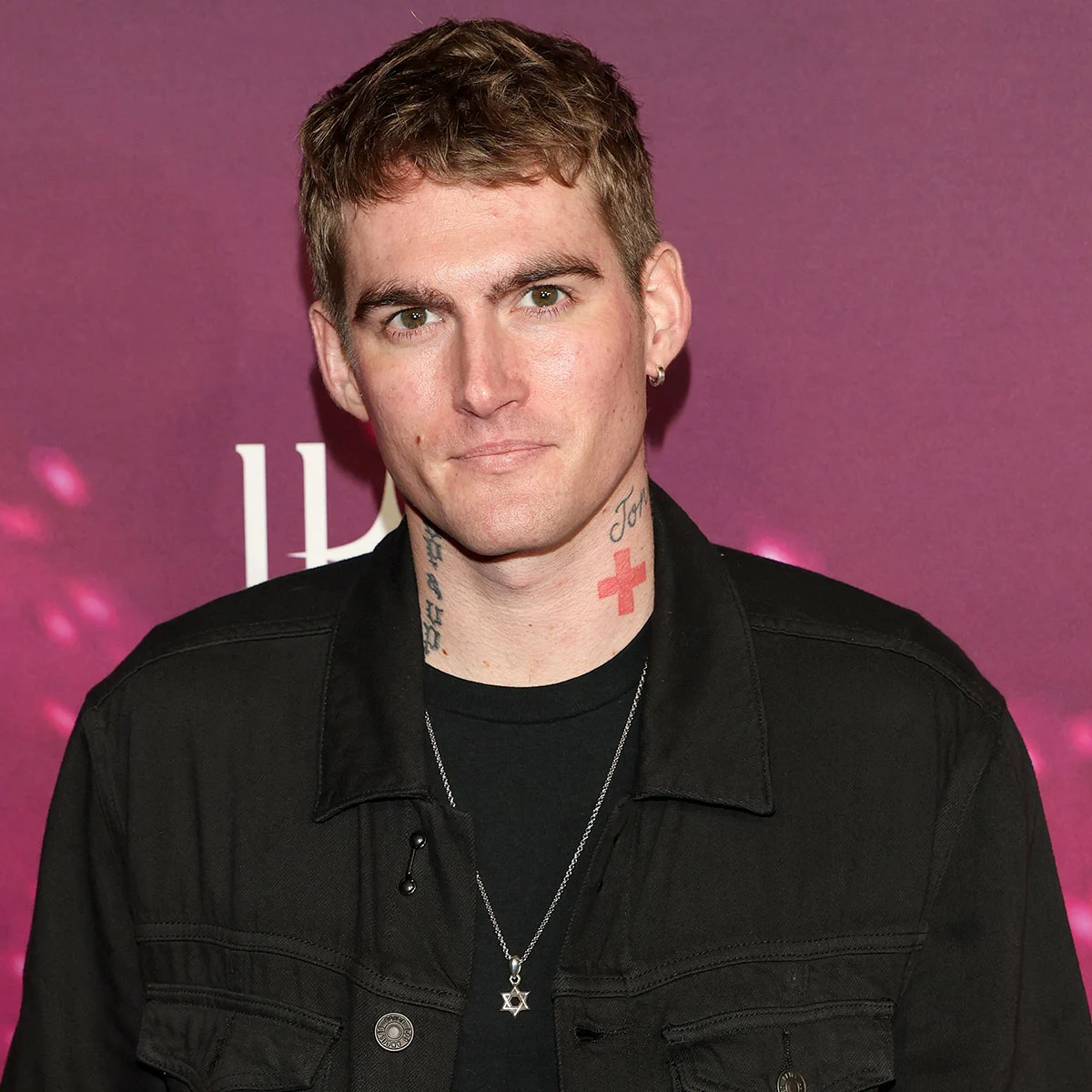
The entertainment world remains in a state of solemn reflection following the untimely passing of Presley Gerber, the 27-year-old son of iconic supermodel Cindy Crawford and businessman Rande Gerber. As the family navigates the depths of their grief, official documentation has confirmed that the final arrangements for Presley have been completed. Following the conclusion of a mandatory autopsy, his remains have been cremated, and his ashes will be returned to the sanctuary of his parents’ Malibu home.
This development marks a quiet, private chapter in a tragedy that has gripped the public eye since reports of his death emerged. While the immediate focus remains on the grieving process of the Gerber-Crawford family, the legal and medical inquiries into the circumstances of his passing continue, leaving many questions unanswered as authorities await the results of toxicology and supplemental forensic examinations.
The Chronology of a Tragedy
The timeline of the events surrounding Presley Gerber’s passing has been pieced together through official statements and reports from the Los Angeles County Medical Examiner and local law enforcement.
- September 2026: Presley Gerber is discovered unresponsive within a private rehabilitation facility in the Los Angeles area. Despite the efforts of medical personnel, he is pronounced dead at the age of 27.
- September 21, 2026: The Los Angeles County Medical Examiner officially opens an inquiry into the death. In a formal statement, the department confirms that the cause of death has been "deferred," a procedural step taken when immediate findings are inconclusive and further laboratory analysis is required.
- September 21, 2026: The Santa Monica Police Department releases a statement to the media, clarifying that while the death is being investigated as a "suspected overdose," there is no preliminary evidence of foul play.
- September 25, 2026: Death certificate documentation obtained by various media outlets confirms that the autopsy process has concluded and that the body has been cremated. The ashes are slated to be held at the family’s Malibu residence.
Official Responses and Forensic Status
The Los Angeles County Medical Examiner’s office has maintained a cautious approach to the case. By "deferring" the cause of death, the office ensures that the final determination is backed by rigorous scientific evidence rather than speculation. This process typically involves comprehensive toxicology screenings to identify the presence of substances that may have contributed to the suspected overdose.
The Santa Monica Police Department has provided the necessary administrative oversight, working in tandem with the medical examiner to ensure the investigation follows standard protocol. Their assertion that there is "no indication of foul play" serves to narrow the scope of the inquiry, focusing heavily on the medical and environmental factors present at the rehabilitation facility.
For the public, these bureaucratic steps are a stark reminder of the clinical reality that follows a sudden loss. For the family, they represent a period of agonizing waiting as they seek to understand the precise sequence of events that led to the loss of their son.
A Legacy of Vulnerability and Advocacy
Long before his passing, Presley Gerber had become a voice for transparency regarding mental health and addiction. In an era where public figures often curate a veneer of perfection, Presley chose a different path: one of raw, unfiltered honesty.
His sister, Kaia Gerber, recently offered a poignant reflection on this aspect of his character during an interview with Vogue. She noted that the family’s traditional privacy—a hallmark of their high-profile lives—had shifted significantly because of Presley’s willingness to be "human."
"My parents for most of our lives were very, very private and didn’t share anything," Kaia explained. "And now we have this absolute teacher, my brother, who says, ‘I’m gonna be very human for everyone.’ There’s only so much you can hide from the world. And trying to put a lid on something just makes the person feel like you’re ashamed of them."
The "Studio 22" Testimony
Presley’s own words, recorded during a 2023 appearance on the Studio 22 podcast, now serve as a haunting but inspiring legacy. During the conversation, he expressed a profound desire to act as a bridge for others navigating similar internal landscapes.
"Whether I help one person or a hundred people get out of that place that I was in at one point in my life, that’s all I need to do," he said. "That’s really what I want to do is help people—help people, whether you’re depressed, you’re struggling with something that is having a negative effect on your body. I mean, it could be anything, and there’s no judgment."
He spoke with the maturity of someone who had survived the darkest valleys of his own life. "I’ve seen a lot of stuff, and I’ve learned a lot of things, and what I hope I can do is have made the mistakes for some other people, so they don’t have to make the same mistakes that I made."
The Broader Implications of the Crisis
The death of Presley Gerber at a rehabilitation facility underscores the pervasive and indiscriminate nature of the addiction crisis in the United States. Even for those with access to the highest levels of care, the battle against dependency remains a high-stakes, life-or-death struggle.
The Role of Rehabilitation Facilities
The incident has prompted quiet conversations within the medical community regarding the efficacy and security of modern rehabilitation facilities. While these centers are designed to provide a safe harbor for recovery, the recurrence of overdoses within such settings highlights the need for continued vigilance and the potential necessity for more robust monitoring systems.
Destigmatizing the Struggle
Perhaps the most significant implication of Presley’s death is the renewed urgency to destigmatize the conversation surrounding substance abuse. By refusing to hide his struggle, Presley challenged the narrative of "shame" that often accompanies addiction. His life—and his death—serves as a catalyst for a broader societal shift toward viewing addiction not as a moral failing, but as a complex health condition that requires empathy, sustained support, and systemic change.
Conclusion: Honoring a Life
As Cindy Crawford and Rande Gerber prepare to bring their son home to Malibu, the public remains largely respectful of the family’s need for privacy. The loss of a child is a sorrow that transcends the fame of the parents; it is a fundamental disruption of the natural order of life.
Presley Gerber’s life was not defined solely by his famous lineage or his struggle with addiction. He was, by all accounts, a young man of deep empathy who sought to transform his own pain into a beacon for others. While the forensic investigation into his death will eventually provide a technical answer as to what happened, the true measure of his life will likely be found in the lives he touched—those he comforted with his honesty and those he inspired to seek help.
As the investigation continues, the world watches with a heavy heart, offering condolences to a family that has lost a brother, a son, and a teacher. The finality of his cremation and the return of his ashes to his family home marks the end of his physical journey, but his mission to normalize the conversation around mental health and addiction remains a resonant, living part of his legacy.
For those currently navigating their own battles, the message Presley left behind remains as vital as ever: there is no judgment, there is no shame in seeking help, and there is, above all, the possibility of a different path.
 Lina Hope
 Asro
Asro
 Raul Delapena Setiawan
