

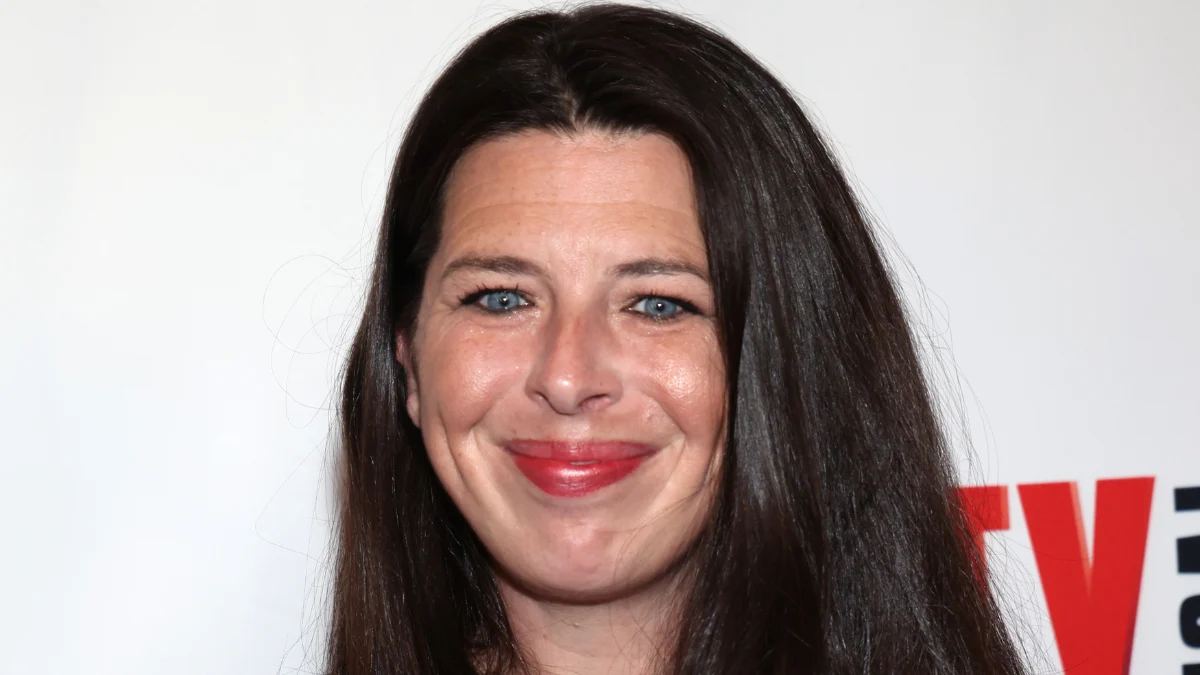
The glittering facade of Hollywood—often defined by red carpets, blockbuster premieres, and the promise of A-list celebrity—has long masked a far more grueling reality for the average working actor. In recent weeks, this reality has been thrust into the spotlight, not by a studio marketing campaign, but by a series of candid, urgent pleas from recognizable talent. Heather Matarazzo, the iconic star of The Princess Diaries, has joined fellow performer Jack Haven in a public call for work, highlighting a systemic struggle that threatens the basic livelihood of thousands: the desperate race to meet SAG-AFTRA’s minimum earnings requirements for health insurance.
For the general public, the idea that a household name could struggle to maintain medical coverage may seem counterintuitive. However, for those within the entertainment industry, the high threshold for SAG-AFTRA health insurance serves as a constant, looming deadline that dictates the trajectory of their careers and their personal security.
The Catalyst: A Public Plea for Survival
The conversation reached a boiling point when Jack Haven, known for their performance in the critically acclaimed Netflix series Atypical, posted a candid video message detailing their own "emergency situation." In the video, Haven laid out the stark arithmetic of the industry: they needed to earn $4,000 in covered wages by the end of September to secure health insurance coverage for the upcoming year.
"I’m in a bit of an emergency situation," Haven stated, appealing directly to casting directors and producers working on union-backed projects. The vulnerability of the post resonated throughout the industry, sparking a wave of solidarity and highlighting how quickly a working actor can slip through the cracks of the benefits system.
Shortly after Haven’s plea, Heather Matarazzo—whose career spans decades, from the indie classic Welcome to the Dollhouse to the global phenomenon The Princess Diaries and the hit Netflix series Wednesday—took to the social platform Threads to express her own frustration. Her response was both validating and alarming: "I am literally in the same boat right now. Lots of my fellow actors are."
Matarazzo’s commentary went beyond a simple expression of empathy; it was a critique of an evolving structure. "I remember a time when we didn’t have to earn a minimum to qualify for insurance," she noted, pointing to a shift in the landscape that has made the barrier to entry significantly more rigid for veteran and emerging actors alike.
A Chronology of the Crisis: From Stability to Thresholds
The history of labor relations in Hollywood has always been defined by the struggle to secure benefits for transient workers. Actors, by the nature of their profession, move from project to project, rarely enjoying the consistent employment that defines traditional corporate roles.
The Evolution of Benefits
In decades past, the pathways to union benefits were arguably more attainable for a wider segment of the acting population. As the media landscape underwent a seismic shift—moving from broadcast television and theatrical releases to the fragmented world of streaming—the revenue models for production companies changed. Consequently, the labor requirements for health eligibility within the SAG-AFTRA health plan were adjusted to reflect the fiscal pressures faced by the union’s pension and health funds.
The Recent Surge in Visibility
The current crisis is not a new development, but its visibility is at an all-time high. Following the 2023 SAG-AFTRA strike, the conversation regarding the "residual model" and the viability of a middle-class career in acting took center stage. The recent posts by Haven and Matarazzo are the latest chapters in a long-standing discourse about how the "gig economy" of acting is failing those who sustain the industry.
While Haven eventually received a job offer that helped stabilize their outlook toward 2027, the temporary nature of that fix serves as a reminder that the cycle of insecurity never truly ends for many performers.
Supporting Data: The Arithmetic of Eligibility
To understand the scale of the problem, one must look at the specific mandates set forth by the SAG-AFTRA Health Plan. These requirements are binary: a performer either hits the mark and receives coverage, or they fall short and lose it, regardless of their past contributions or industry longevity.
The 2026-2027 Requirements
The financial hurdles are substantial. For the 2026 base period, a member must earn a minimum of $28,090 in covered earnings to qualify for benefits. Looking ahead, this figure is set to rise to $28,933 for 2027.
Alternative Qualification Pathways
Recognizing that some actors work frequent, shorter jobs, the union also provides an alternative path to eligibility based on workdays. Members can qualify by accumulating 108 eligible workdays during their four-quarter base period. However, in an industry where production schedules are increasingly condensed and "day player" roles are becoming more competitive, hitting either the earnings floor or the day-count threshold is a constant uphill battle.
The math is unforgiving. For an actor like Matarazzo, who has maintained a consistent career in projects such as The Devil’s Advocate, Scream 3, and the 2025 short film Paper Tiger, the gap between "working" and "earning enough to qualify" is a chasm that many are unable to bridge.
Official Responses and Union Stance
SAG-AFTRA, as an organization, represents a diverse membership ranging from multimillion-dollar movie stars to background actors who work only a few days a year. Balancing the needs of this vast demographic is a perpetual challenge.
Historically, the union has defended its health plan as one of the most comprehensive in the entertainment industry, designed to provide high-quality care to those who sustain a professional career in the arts. Union leadership has frequently cited the necessity of these thresholds to ensure the long-term solvency of the health fund. Without these strict barriers, the plan could face bankruptcy, leaving no one with coverage.
However, critics—including many rank-and-file members—argue that the thresholds are increasingly disconnected from the reality of modern production. The shift toward shorter seasons for streaming shows (often six to eight episodes rather than the traditional 22) means fewer workdays for actors, making the 108-day requirement an increasingly difficult mountain to climb.
While the union has not issued a formal statement specifically addressing Matarazzo’s or Haven’s recent comments, they have consistently encouraged members to utilize the union’s financial and career resources, including career counseling and workshops, to help members navigate the volatile landscape of the industry.
The Implications: What This Means for the Future of Acting
The public outcry from Matarazzo and Haven has deeper implications for the future of the entertainment industry. If the "middle class" of Hollywood can no longer sustain a career that provides basic healthcare, the demographics of who can afford to be an actor will narrow significantly.
The Barrier to Entry
When health insurance becomes a privilege rather than a standard expectation for working professionals, the industry risks becoming an enclave for the wealthy. Those who do not have familial support or alternative sources of income are forced to exit the industry when they fail to meet the earnings threshold. This leads to a loss of diversity in experience, background, and perspective on screen.
The Mental Health Toll
The psychological impact of "insurance anxiety" cannot be overstated. Actors are often forced to choose roles not based on creative fulfillment or career growth, but on the necessity of hitting an earnings number. This creates a "hustle culture" that can lead to burnout, creative stagnation, and a pervasive sense of insecurity that ripples through the entire performance.
A Call for Structural Reform
The situation faced by Matarazzo and Haven suggests that the current model may require a fundamental re-evaluation. Whether that involves a lower threshold for long-time members, a more flexible approach to "covered earnings" that accounts for the changing pay structures in streaming, or increased support from the studios who benefit from the labor of these actors, the conversation is clearly shifting.
As Matarazzo noted, there was a time when the requirements were different. As the industry continues to evolve, the consensus among many union members is that the benefits system must also evolve to protect the human beings behind the performances. Until such reform occurs, the industry will continue to see talented, hardworking individuals forced to take to social media—not to promote their latest project, but to plead for the basic right to health coverage.
In conclusion, the struggles of Heather Matarazzo and Jack Haven are not isolated incidents; they are symptomatic of a broader, more systemic issue within the entertainment industry. As these voices continue to speak out, they put pressure on the union and the studios to address the sustainability of the acting profession. For an industry that prides itself on creating dreams, the reality for those who bring those dreams to life remains, for many, a persistent, high-stakes nightmare.
 Nana Wu
 Dwi Wanna
 Iffa Jayyana
