

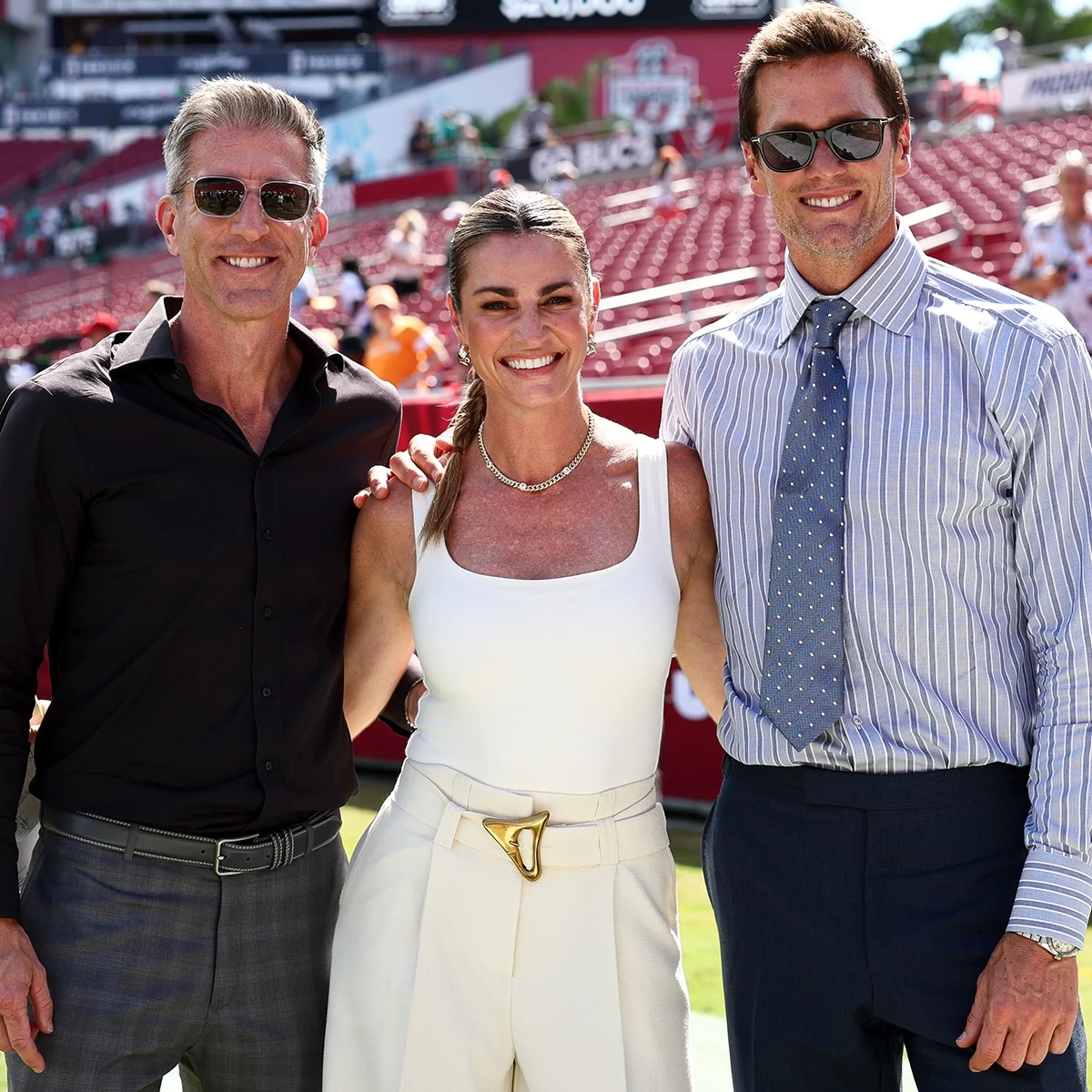
In the high-stakes world of professional sports, the financial narrative has shifted dramatically. While fans and analysts remain fixated on the gargantuan figures associated with elite athletes like Patrick Mahomes, a secondary, equally lucrative industry has emerged: the broadcast booth. As modern sports media evolves, the line between the athlete on the field and the personality in the booth has blurred, leading to unprecedented contract valuations for those who analyze the game as expertly as they once played it.
The Mahomes Metric: A Shift in Financial Strategy
The recent headlines regarding Patrick Mahomes’ salary—specifically a reported drop of nearly $35 million for the current year—have sparked widespread debate. To the casual observer, a pay cut for the NFL’s most recognizable face seems counterintuitive. However, this is a calculated maneuver in the complex world of NFL salary cap management.
Mahomes, who signed a historic $504 million extension in June, operates under a contract structure designed to provide the Kansas City Chiefs with the flexibility to build a championship-caliber roster around him. By restructuring base salaries into signing bonuses and manipulating proration schedules, the organization ensures that while Mahomes remains the highest-paid player in terms of total valuation, his immediate "cap hit" fluctuates to accommodate other roster needs. This strategy is a stark contrast to the rigid contracts of the past, reflecting a new era where quarterbacks act as both franchise pillars and financial architects.
The Transition from Cleats to Commentary
As Mahomes and his contemporaries navigate these financial waters, a growing fraternity of retired legends has found a second act that is equally, if not more, lucrative. The modern sports broadcaster is no longer just a color commentator; they are a multi-platform media enterprise.
Tom Brady: The $375 Million Standard
Perhaps no transition has been more scrutinized than that of Tom Brady. After a 23-season career that yielded seven Super Bowl rings and an estimated $333 million in on-field earnings, the legendary quarterback transitioned to the Fox Sports booth. His 10-year, $375 million deal is widely considered the gold standard for sports broadcasting.
Brady has been vocal about the difficulty of this pivot. "When I was a player, I never felt like I did things the right way," Brady admitted in a 2024 discussion with Colin Cowherd. He noted that the same perfectionism that drove his on-field success now fuels his preparation for the booth. For Brady, the "game" has simply moved from the huddle to the monitor, where he obsessively prepares to provide fans with the analytical depth they expect from a champion.
Tony Romo and the Complexity of Public Life
Tony Romo’s journey with CBS Sports exemplifies the heights—and the hazards—of this career path. Following a successful 14-year career as the Dallas Cowboys’ quarterback, Romo secured a 10-year, $180 million extension in 2020. However, the volatility of life in the public eye became evident following his July 2026 arrest for impaired driving.
Romo’s subsequent decision to plead no contest and his candid admission on social media regarding his struggles with pain medication and alcohol underscored the immense pressure faced by those in the media spotlight. His case serves as a sobering reminder that the transition to broadcasting is not merely a professional pivot, but a lifestyle adjustment that requires immense personal resilience.
Chronology of the Media "Arms Race"
The escalation in broadcasting salaries did not happen overnight. It is the result of a two-decade-long evolution in how sports are consumed.
- 2000: Charles Barkley signs with TNT, setting a new precedent for the "player-as-personality" model. His ability to blend humor with hard-hitting analysis changed the landscape of studio shows.
- 2020: Tony Romo signs his $180 million deal, signaling that networks were now willing to pay elite athlete salaries to those who could explain the game in real-time.
- 2022: A banner year for media contracts. Tom Brady inks his $375 million deal with Fox, and Troy Aikman departs Fox for ESPN in a $90 million, five-year move to Monday Night Football.
- 2025: The market reaches new heights. Stephen A. Smith signs a $105 million deal with ESPN, while Maria Taylor becomes a central figure in NBC’s NBA and WNBA coverage, cementing her status as a premier media talent.
Supporting Data: The Value of the Voice
The figures involved in these contracts are staggering, yet they are underpinned by concrete metrics. Networks are not paying these salaries out of charity; they are paying for reach.
| Talent | Network | Contract Value (Approx.) |
|---|---|---|
| Tom Brady | Fox Sports | $375 Million (10 yrs) |
| Stephen A. Smith | ESPN | $105 Million (5 yrs) |
| Charles Barkley | TNT | $210 Million (10 yrs) |
| Troy Aikman | ESPN | $90 Million (5 yrs) |
| Pat McAfee | ESPN | $60 Million/Year |
These salaries reflect the integration of broadcast talent into broader entertainment ecosystems. For instance, Erin Andrews, who recently re-upped with Fox, leverages her $2 million annual salary alongside her highly successful Calm Down with Erin and Charissa podcast and her fashion line, WEAR by Erin Andrews. Her ability to maintain relevancy across multiple demographics—from die-hard football fans to pop-culture observers—is a blueprint for the modern broadcaster.
Official Responses and Industry Sentiment
The industry’s reaction to these record-breaking deals has been one of both awe and intense scrutiny. When Charissa Thompson faced unfounded rumors of a departure from Fox in early 2025, the industry was reminded of how vital these personalities are to network branding.
"I was never leaving Fox," Thompson noted on her podcast, addressing the public confusion regarding her future. Her comments highlight the degree to which these broadcasters have become synonymous with the networks they represent. From the perspective of the networks, the investment in talent is a defensive strategy against the encroaching influence of streaming platforms and social media influencers.
Implications: The Future of Sports Media
What does this mean for the future of the NFL and its coverage?
- The Professionalization of Commentary: As contracts grow, so do the expectations. Fans now demand a level of technical analysis that mirrors the complexity of the game itself. The era of the "shout-fest" is slowly giving way to the era of the "expert-analyst."
- Player Mobility: Just as athletes test free agency, we are seeing a similar trend in media. Talent is moving between networks with greater frequency, seeking both higher compensation and creative control over their platforms.
- Cross-Platform Integration: The success of figures like Pat McAfee and Stephen A. Smith proves that the future of sports media is digital-first. Networks are increasingly buying not just the person, but their existing audience and production infrastructure.
As Patrick Mahomes continues to redefine what it means to be an NFL quarterback, the media landscape is simultaneously redefining what it means to be a voice of the game. Whether it is a $35 million salary adjustment to chase another Super Bowl ring or a $375 million contract to analyze the game from the booth, the message is clear: in the modern NFL, the off-field value is becoming just as critical as the on-field performance.
The game, it seems, is no longer played solely on the grass. It is played in the boardroom, the studio, and increasingly, in the digital realm where the next generation of fans is already waiting.
 Lina Hope
 Asro
Asro
