

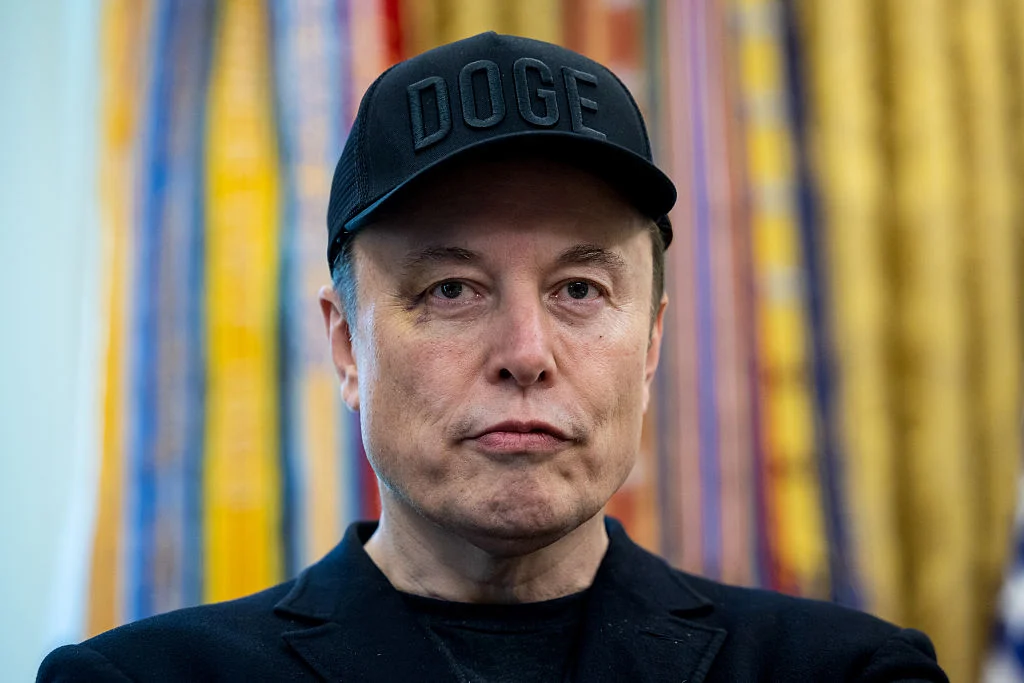
Major technology platforms have found themselves tangled in a web of controversy surrounding the promotional rollout of Musk, the critically acclaimed, unflinching biographical documentary directed by Academy Award-winning filmmaker Alex Gibney. Following initial reports that multiple social media giants flatly rejected paid advertisements for the film’s trailer, Meta has admitted to an operational error and begun reinstating the promotional campaigns.
The struggle to secure advertising space highlights the tightrope tech companies walk when handling promotional content that touches upon powerful billionaires, partisan politics, and high-stakes media ecosystems. While the film’s U.S. distributor, Bleecker Street, continues to fight sweeping rejections across the digital landscape, the unfolding saga has drawn intense scrutiny toward how platforms classify "political content" and where they draw the line on censorship.
Main Facts
At the center of the controversy is Musk, a sweeping, nearly four-hour documentary that explores the complex tech career, personal life, and political alliances of the world’s richest man, Elon Musk. Directed by Alex Gibney—whose previous hard-hitting investigative works include Going Clear: Scientology and the Prison of Belief, The Inventor: Out for Blood in Silicon Valley, and Steve Jobs: The Man in the Machine—the film has already generated significant media attention ahead of its commercial release.
The primary conflict erupted when major social media corporations—including TikTok, Meta, YouTube, and X (formerly Twitter)—initially blocked paid advertising campaigns intended to promote the film’s official trailer. Platforms justified these rejections by categorizing the cinematic trailer under "political content" or strict advertising restrictions.
However, the unified front quickly fractured. On Saturday, following inquiries by technology publication TechCrunch, a Meta spokesperson conceded that the blocking of the ads was a mistake. "This was an error and the ads are being restored," the spokesperson stated, though questions remain regarding how the automated or manual oversight occurred.
Meanwhile, other platforms remain steadfast or hostile. X’s refusal to run the ads comes as little surprise given the platform owner’s personal animus toward the director. Elon Musk recently took to his own platform to publicly blast the filmmaker, posting that "Dogshit is worth more respect than Gibney."
Bleecker Street, the independent film studio handling the United States distribution of Musk, has formally appealed the rejections issued by the other platforms, arguing that a cinematic documentary trailer should not be subjected to the same rigid gatekeeping applied to partisan political campaign ads.
Chronology of Events
The road to the film’s premiere and the subsequent advertising blockade has been marked by escalating tension between traditional media, digital platforms, and the subject of the documentary himself:
- Early September 2026: Musk makes its world premiere at the Venice International Film Festival, where it draws overwhelmingly positive reviews from critics and industry insiders alike.
- Mid-September 2026: Reports surface that major international distributor Universal Pictures experienced cold feet regarding international distribution plans, reportedly out of concern over angering the incoming or current political administration. Universal later clarifies that it intends to release the film theatrically, though its precise international rollout strategy remains under review.
- Late September 2026 (Friday): The Hollywood Reporter publishes an investigative story revealing that TikTok, Meta, YouTube, and X have all refused to run paid advertising promoting the official Musk trailer. Platforms flag the material under strict political advertising restrictions.
- Late September 2026 (Saturday): Following inquiries from TechCrunch, a Meta spokesperson reverses the company’s initial stance, labeling the rejection an internal "error" and announcing that the advertisements are actively being restored.
- Ongoing: Bleecker Street launches formal appeals with TikTok and YouTube to overturn remaining ad rejections. Elon Musk publicly lambasts Gibney on X, cementing the platform’s antagonistic position toward the documentary.
Supporting Data and Critical Reception
Despite the corporate friction and advertising hurdles, Musk enters the theatrical market backed by immense critical praise. On review aggregator Rotten Tomatoes, the documentary currently holds a rare and coveted 100% "Fresh" rating, mirrored by near-universal acclaim on Metacritic.
Reviewers have lauded the film’s scope, depth, and unflinching examination of contemporary power dynamics. Writing for Vulture, critic Bilge Ebiri described the four-hour cinematic experience as a deeply revealing character study. Ebiri emphasized that the film serves multiple functions: "As a tale of modern business, it’s revealing. And as a warning about our future, it’s terrifying."
The documentary does not shy away from controversial aspects of Musk’s personal and professional life. According to early reviews and festival screenings, the project examines Musk’s high-profile alignment with President Donald Trump, his corporate oversight at companies like Tesla and SpaceX, and intimate details of his personal life. Among the notable interview subjects featured in the film are Musk’s ex-wife, Justine Musk, and former right-wing influencer Ashley St. Clair. St. Clair—who shares a child with the billionaire—provides a particularly sharp pivot in the documentary, reportedly describing Musk in the film as being "like a nuke."
Given the extensive runtime and high-profile subjects, industry analysts anticipated that the marketing campaign would rely heavily on digital video ads across major social media ecosystems to capture younger demographics and tech-savvy audiences. The sudden blocking of these ad dollars threatened to severely kneecap the film’s theatrical visibility before Bleecker Street and Meta intervened.
Official Responses and Platform Policies
The decision by social media giants to block a film trailer under the umbrella of "political content" highlights a glaring grey area in modern content moderation.
- Meta: After initially rejecting the campaign, Meta reversed its position within 24 hours, classifying the blockage as an administrative error. This comes at a sensitive time for the social media conglomerate; Meta announced last year that it would completely stop selling political advertisements within the European Union starting in October, making its internal systems hyper-sensitive to any content featuring prominent political figures or politically charged subject matter.
- TikTok: Known for a strict, blanket ban on political advertising that has been in place since late 2019, TikTok reportedly categorized the Musk trailer under these prohibitive guidelines. Representatives for TikTok have not yet clarified how a theatrical documentary trailer meets the criteria of a political campaign ad.
- YouTube: Google’s video-sharing platform maintains extensive policies restricting election-related and political advertising, particularly during active election cycles. The platform has faced ongoing criticism for the opacity of its automated enforcement systems, which frequently flag artistic, journalistic, and documentary works alongside traditional campaign spots.
- X: As the platform directly owned and operated by Elon Musk, X’s refusal to host promotional material for a critical documentary comes as no surprise. Musk’s public dismissal of Gibney (“Dogshit is worth more respect than Gibney”) signals an active, platform-level hostility toward the project that bypasses standard policy debates.
Implications for Free Expression and Digital Marketing
The advertising censorship faced by Musk raises broader, systemic questions regarding the concentration of digital real estate and the power wielded by a handful of tech monopolies over cultural discourse.
When digital platforms broad-brush biographical documentaries as "political content," they effectively erect digital tollbooths that can suppress independent journalism, investigative filmmaking, and cultural critique. Because modern film distribution relies heavily on targeted social media advertising to drive box office returns, the initial blocking of Gibney’s trailer demonstrated how easily algorithmic moderation can be leveraged—intentionally or implicitly—to stifle uncomfortable truths about powerful figures.
Furthermore, the situation underscores the chilling effect corporate self-censorship has on major studios. Universal Pictures’ initial hesitation regarding international distribution, driven by fear of political blowback, combined with the widespread social media ad rejections, paints a concerning picture of an entertainment industry increasingly terrified of crossing the tech elite and political power brokers.
As Musk heads toward its domestic theatrical release on October 9, the battle over its marketing campaign serves as a cautionary tale. It reveals that in an era where digital discourse is mediated by private corporate algorithms, critical examinations of the ultra-wealthy face formidable institutional headwinds—even before audiences ever step foot inside a theater.
 rifanmuazin
 Nana Muazin
