

Published: September 26, 2026, 4:00 PM EDT
Author: Giovanni Colantonio
Main Facts
As the Nintendo Switch 2 celebrates a roaring first year and a half on the market, it has already established a robust software library. While fans continue to anticipate entirely new, ground-up entries in some of the company’s heaviest-hitting franchises, Nintendo has leaned heavily into a winning strategy: enhanced, definitive re-releases known as "Switch 2 Editions."
Building upon the hardware’s advanced capabilities—including upgraded graphical fidelity, smoother frame rates, and innovative control schemes like native mouse support—games such as Super Mario Bros. Wonder and Kirby and the Forgotten Land have received transformative updates. With the upcoming release of Pikmin 4 — Nintendo Switch 2 Edition + Dandori Academy continuing this momentum, industry watchers and players alike are looking ahead to see which beloved titles from the original Nintendo Switch era are ripe for the next-generation treatment.

While Nintendo has already brought several of its crown jewels over to the new architecture, notable gaps remain. The remaining library presents a mix of blockbuster heavyweights begging for technical overhauls and niche creative suites uniquely tailored for the Switch 2’s hardware innovations.
Chronology
The trajectory of Nintendo’s cross-generational hardware transitions and enhanced editions reveals a deliberate, iterative release strategy:
- March 2017: The original Nintendo Switch launches alongside The Legend of Zelda: Breath of the Wild, setting a new standard for hybrid gaming.
- 2017–2021: A golden era of foundational Switch titles is released, including Super Mario Odyssey (2017), Fire Emblem: Three Houses (2019), Luigi’s Mansion 3 (2019), Super Mario Maker 2 (2019), and Game Builder Garage (2021). Each title pushes the limits of the original mobile-grade hardware.
- Early 2025: The Nintendo Switch 2 launches globally, accompanied by backward compatibility and select high-profile technical patches.
- 2025–2026: Nintendo introduces the "Switch 2 Edition" branding, rolling out major upgraded packages for modern classics like Super Mario Bros. Wonder and Kirby and the Forgotten Land.
- Late 2026: With Pikmin 4 — Nintendo Switch 2 Edition + Dandori Academy slated for release, speculation reaches a fever pitch regarding which remaining first-party titles will transition to the new hardware platform next.
Supporting Data and Hardware Synergy
The push for Switch 2 Editions is not merely about higher resolutions; it is about unlocking untapped potential through hardware synergy. The original Nintendo Switch, while revolutionary, was constrained by a 2017-era mobile processor (the Nvidia Tegra X1) that often forced developers to compromise on resolution, asset streaming, and frame rates.

The Switch 2 introduces a substantial generational leap in computational power, faster flash storage, and advanced I/O capabilities. Furthermore, the inclusion of robust mouse-like control features and modernized hardware peripherals opens up entirely new interaction paradigms for software originally locked to standard gamepad inputs or touchscreens.
When evaluating the remaining candidates for the Switch 2 Edition treatment, the intersection of technical limitation and hardware enhancement becomes clear:
| Game Title | Original Release | Primary Enhancement Opportunity | Desired Additional Content |
|---|---|---|---|
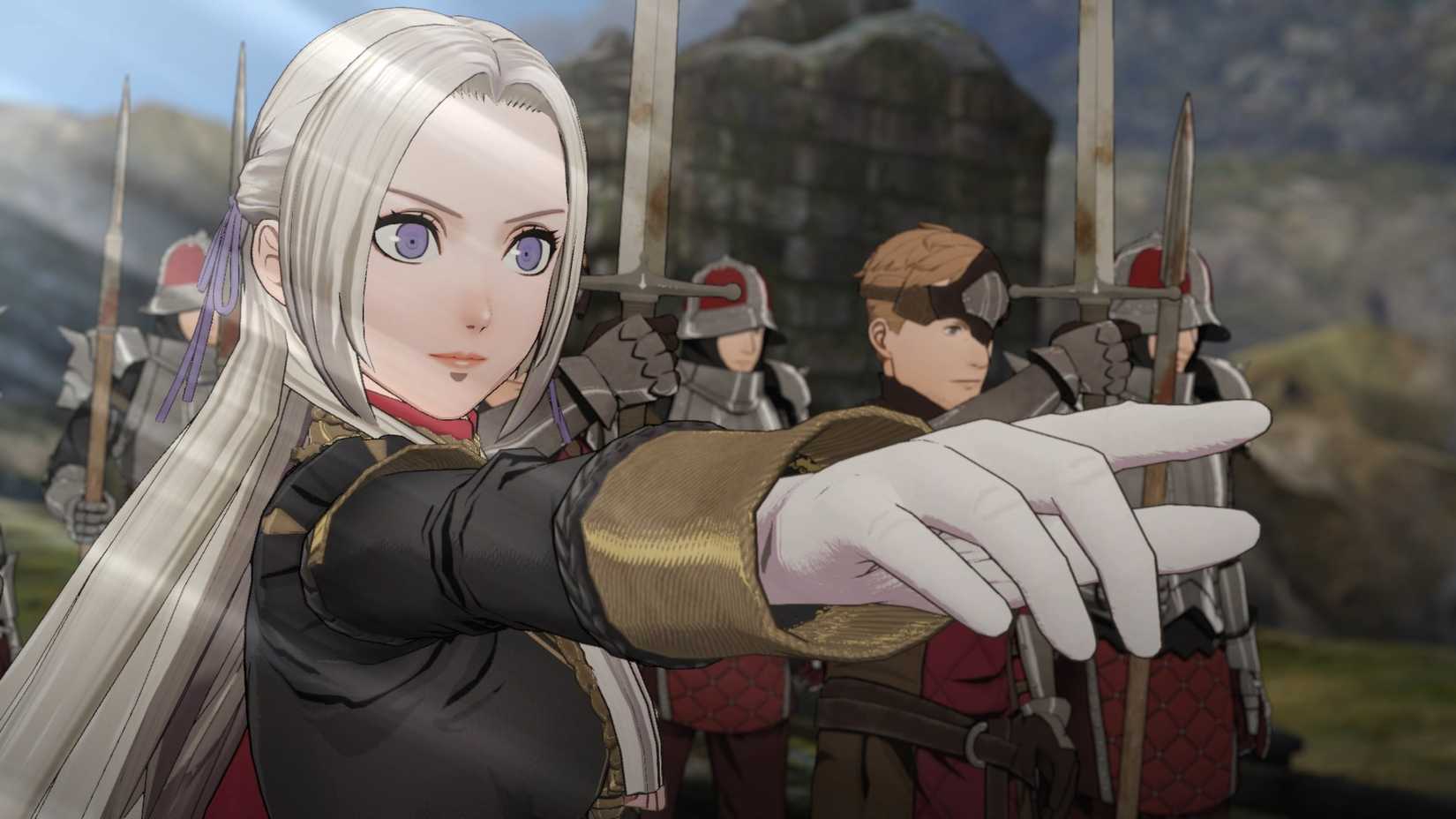
| Fire Emblem: Three Houses | July 2019 | Performance stability & resolution upscale | Cindered Shadows DLC & Fortune’s Weave crossover costumes |
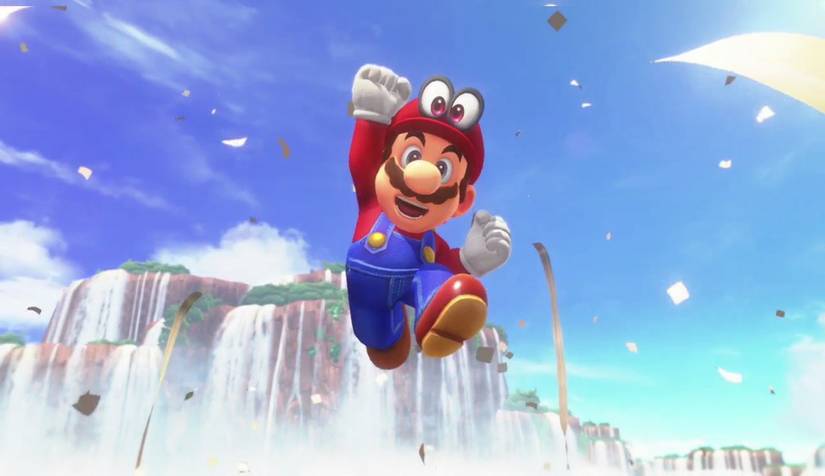
| Super Mario Odyssey | October 2017 | Visual fidelity & asset refinement | A standalone companion adventure (Bowser’s Fury style) |
| Super Mario Maker 2 | June 2019 | Native mouse-driven level creation | Mario Paint modern suite & Wonder theme integration |
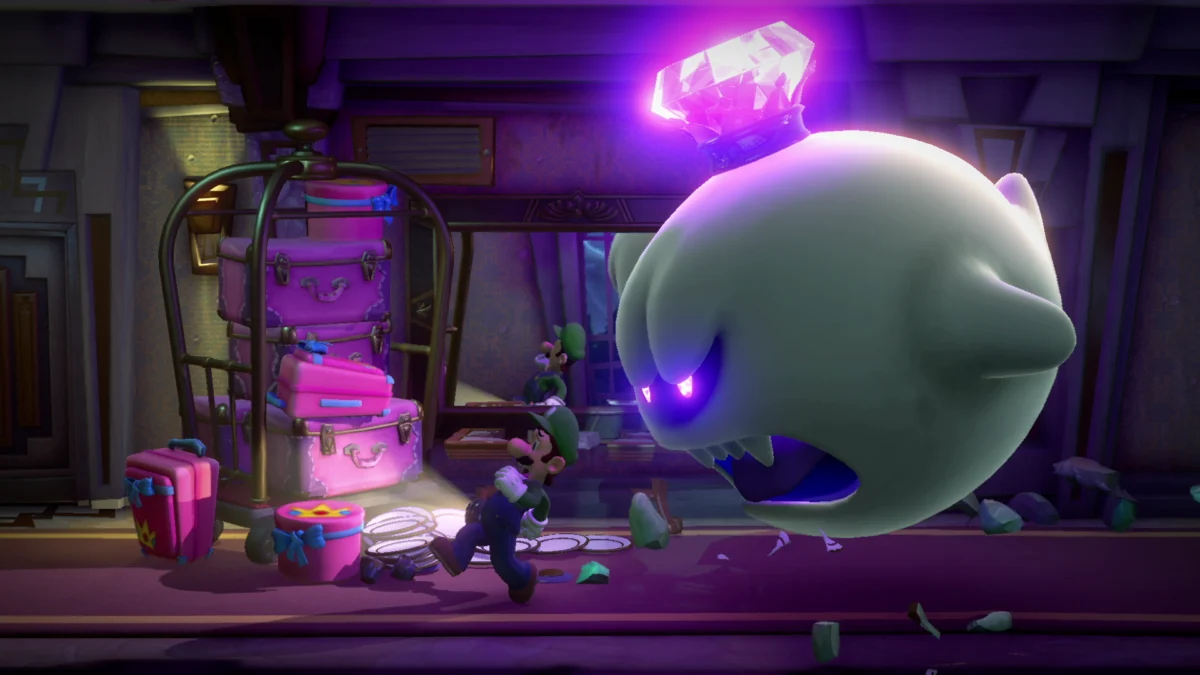
| Luigi’s Mansion 3 | October 2019 | A locked 60 FPS frame rate overhaul | Expanded multiplayer maps & mouse-compatible minigames |
| Game Builder Garage | June 2021 | Hardware compatibility & precision tools | Advanced node types & tactile creation options |
Official Responses and Industry Context
Nintendo’s corporate strategy regarding legacy software has traditionally favored iterative platforms over disruptive clean breaks. By establishing the "Switch 2 Edition" tier, the company has successfully bridged the gap between old and new ecosystems, allowing consumers to carry forward their affection for past titles while incentivizing hardware adoption.
While official announcements regarding the full slate of future upgrades remain tightly guarded at Nintendo’s Kyoto headquarters, development studio habits offer clear clues. Teams like Intelligent Systems, Nintendo EPD, and Next Level Games have frequently revisited past projects to align them with modern platform standards whenever a new hardware cycle begins. Industry analysts note that these enhanced editions serve a dual purpose: they sustain software momentum during gaps in major new hardware software pipelines, and they preserve culturally significant interactive works for future generations of players.
Implications for the Future of Nintendo’s Library
The ongoing rollout of Switch 2 Editions carries profound implications for game preservation, player expectations, and development workflows.
Preservation and Compatibility
As highlighted by utility-driven software like Game Builder Garage, generational shifts can inadvertently strand titles that rely heavily on legacy peripheral designs (such as original Joy-Con configurations). Creating dedicated editions ensures that educational and creative tools remain accessible, functional, and relevant on modern hardware without forcing players to keep outdated consoles plugged in.
Creative Renaissance for Niche Titles
Titles like Super Mario Maker 2 and Game Builder Garage stand to benefit enormously from precision input methods. Integrating native mouse controls transforms these applications from clever novelties into robust, highly ergonomic creation suites. If Nintendo seizes this opportunity to bundle modern spiritual successors to classics like Mario Paint, it could revitalize online community engagement and user-generated content ecosystems.
Setting the Standard for Remasters
By choosing to bundle enhanced ports with substantial new content—such as the upcoming Dandori Academy additions to Pikmin 4 or the historical precedent set by Bowser’s Fury—Nintendo is rewriting the rulebook for how enhanced ports are received. Fans no longer expect a simple up-res; they anticipate value-added packages that honor the legacy of the original game while fully exploiting the technical headroom of the Switch 2.
As Nintendo continues to refine its hardware ecosystem, the hope remains that these five essential pillars of the original Switch library will soon receive the definitive second lease on life they so richly deserve.
 Lina Irawan
 Azzam Bilal Chamdy
 Basiran
