In the contemporary fragrance market—where algorithmic uniformity and internet-viral "smell-alike" formulations often dominate retail shelves—independent perfume houses face an uphill battle to stand out. Enter Iggywoo, an artisanal Los Angeles-based fragrance label founded by British perfumer Richard Saint-Ford. Operating on the core philosophy that scent functions much like cinema or music—possessing its own palpable atmosphere that a wearer can inhabit at will—Saint-Ford has carved out a distinct niche centered on what he defines as "scent escapism."
Unlike corporate fragrance houses bound by focus-group testing and inherited formulation rules, Saint-Ford operates as a self-taught perfumer. He crafts his elixirs instinctively, resulting in an imaginative portfolio that bypasses safe, generic profiles in favor of transportive storytelling scents.
The brand’s lineup currently features six distinct, evocative creations bearing unconventional monikers:
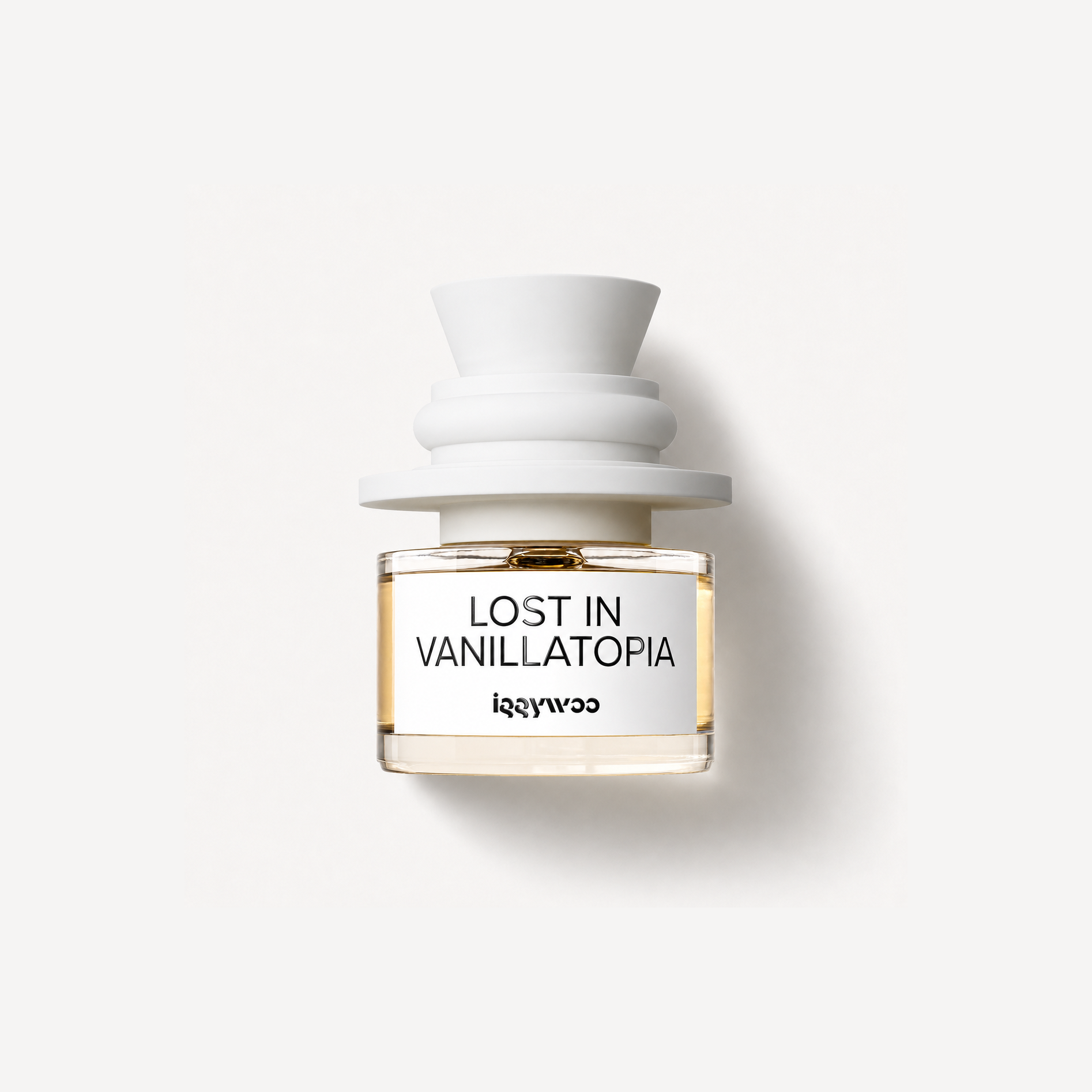
Lost in Vanillatopia
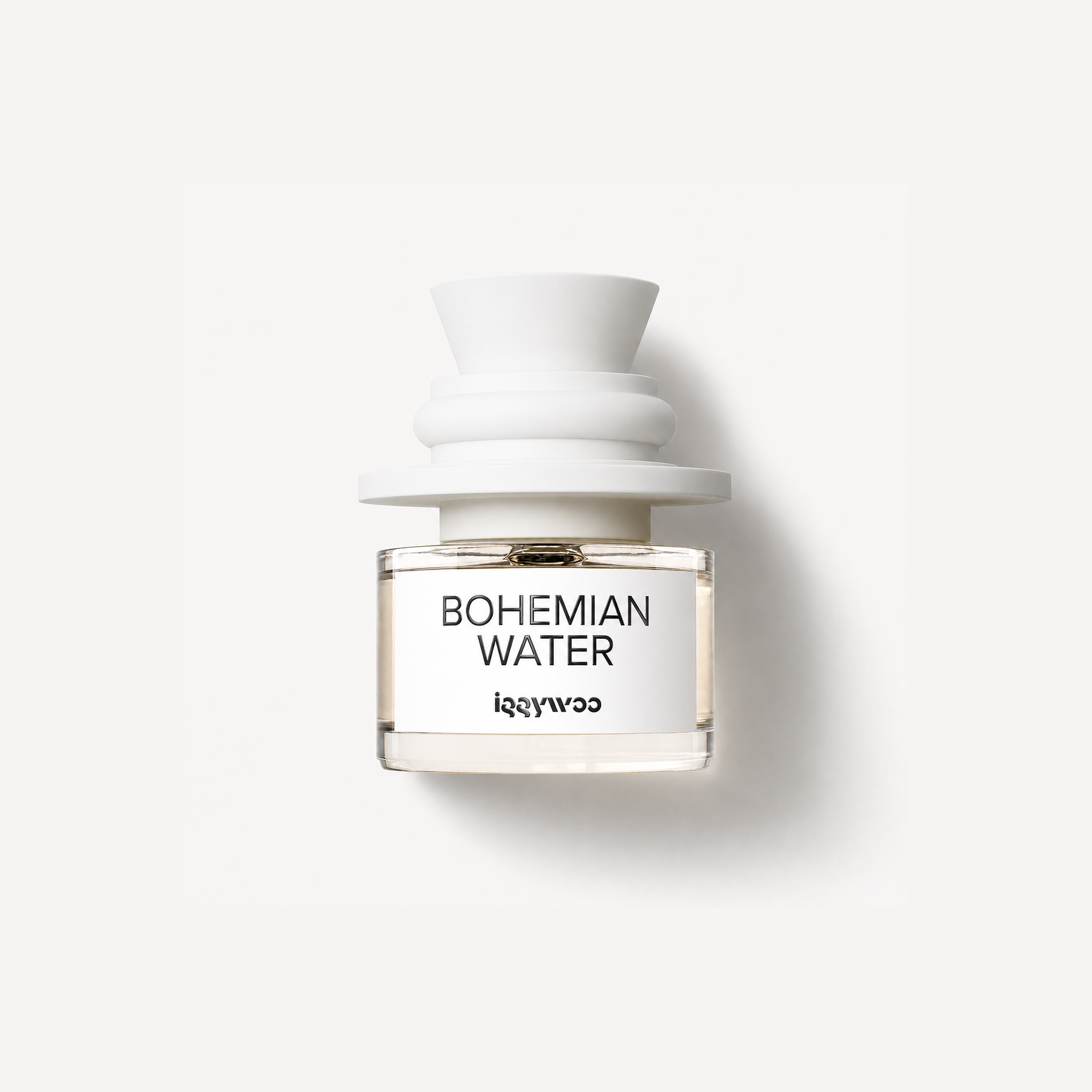
Bohemian Water
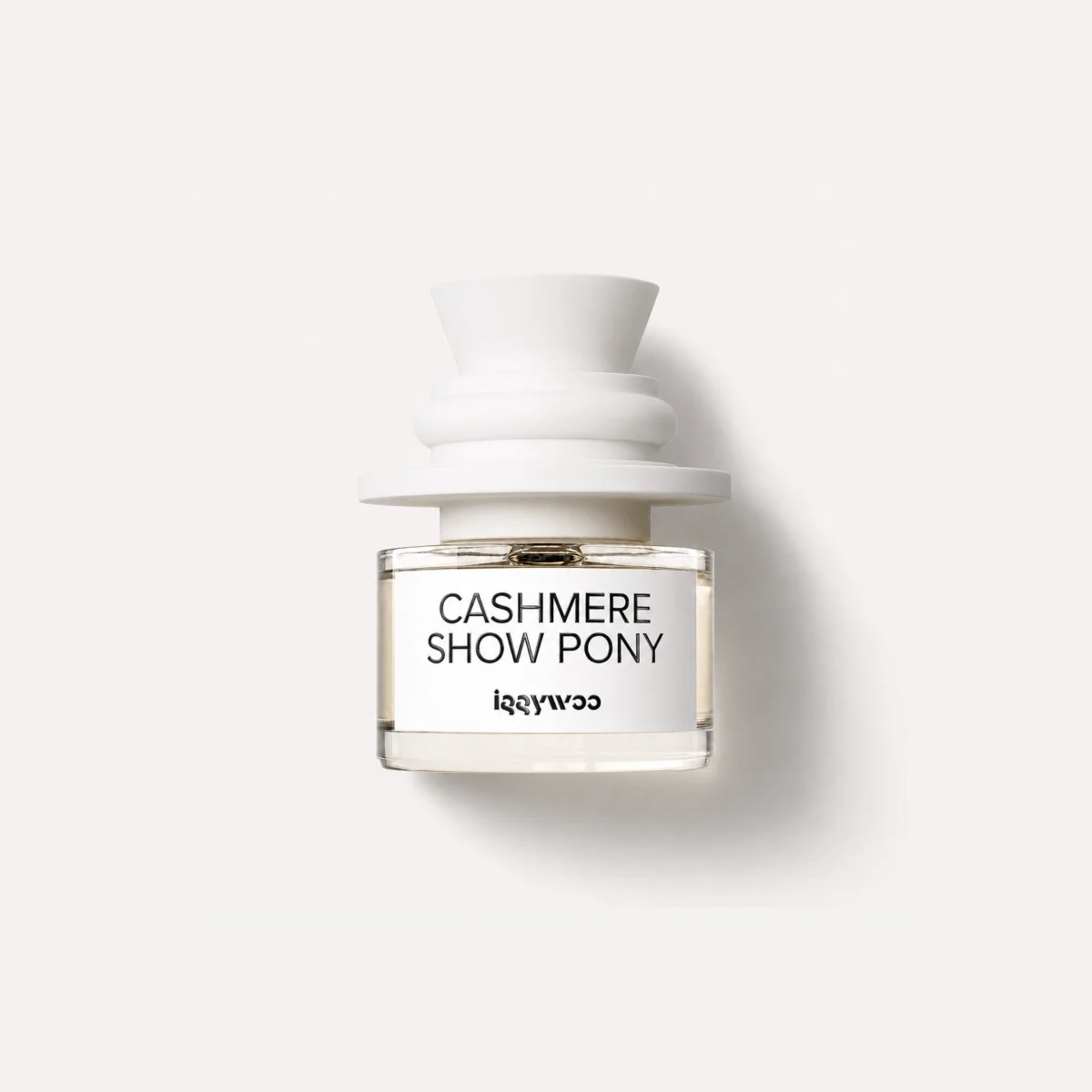
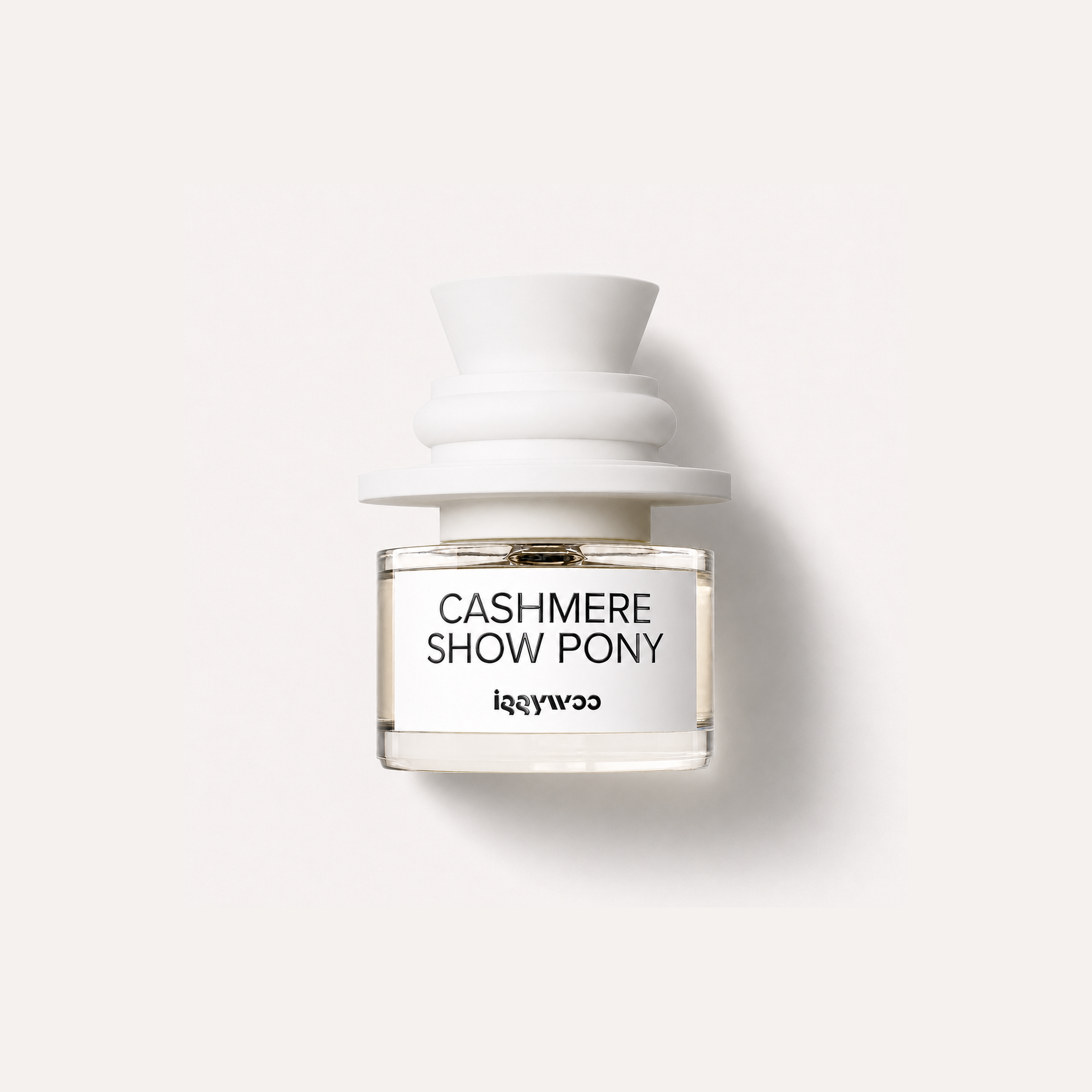
Cashmere Show Pony
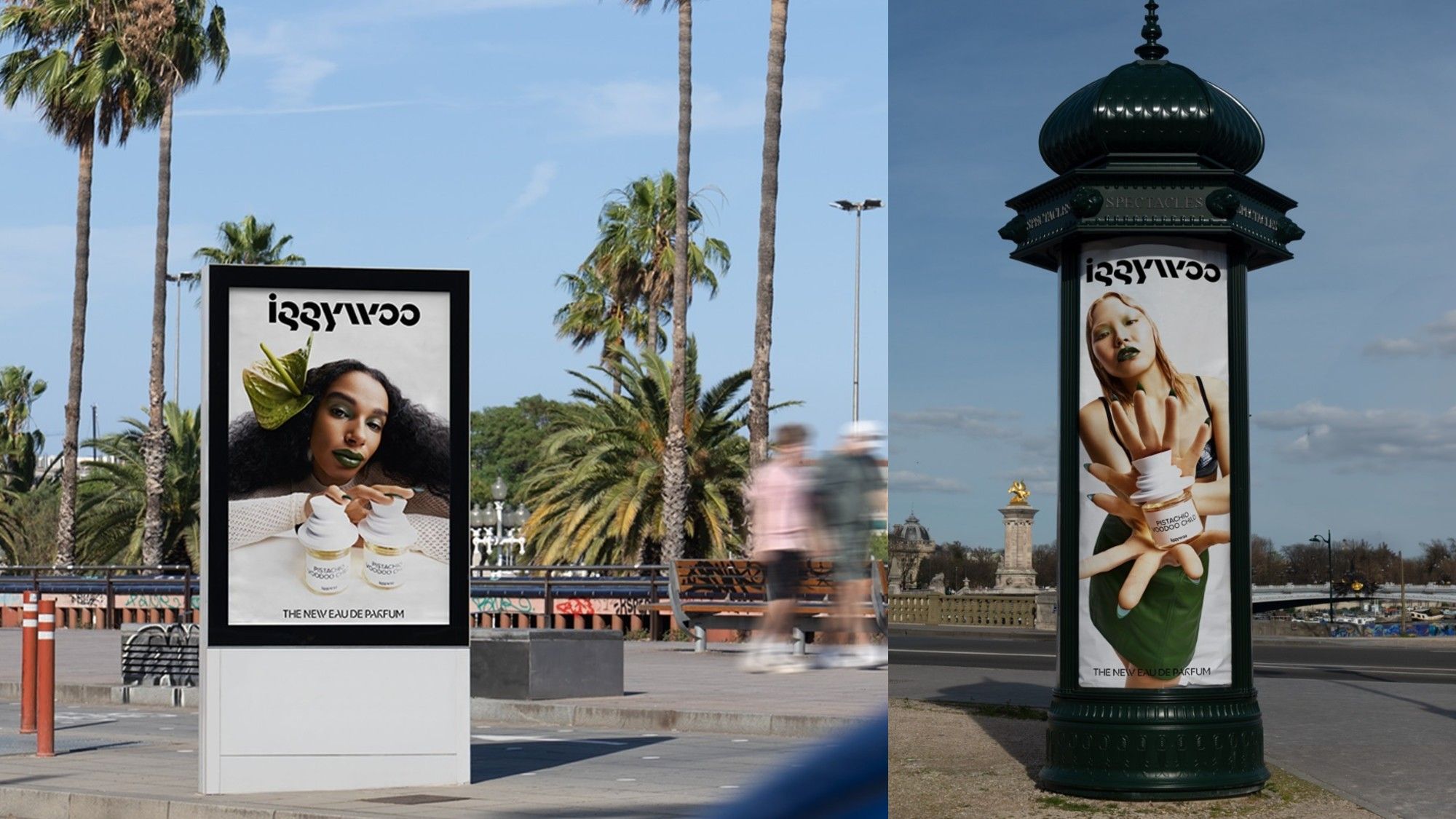
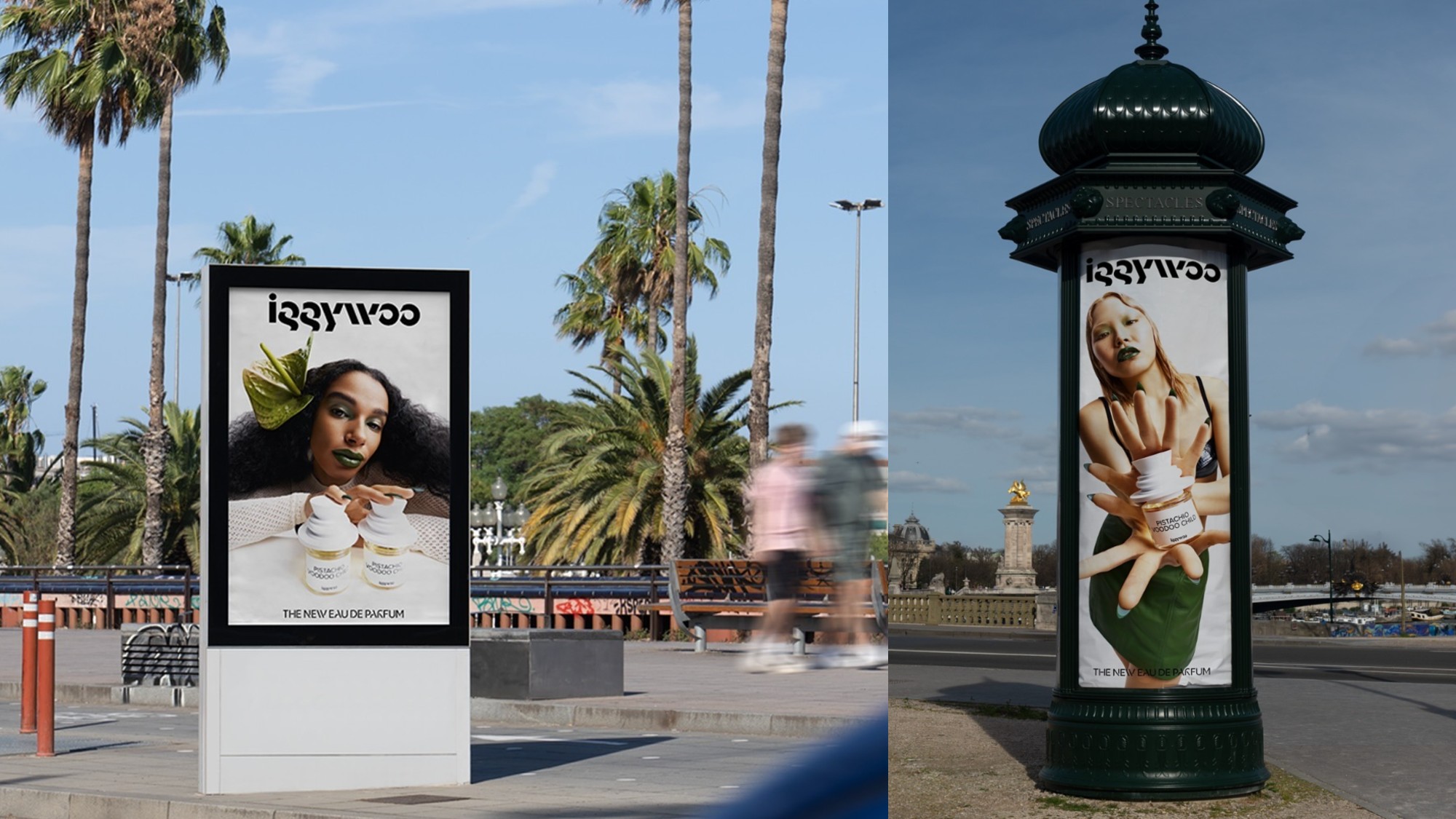
Pistachio Voodoo Child
Fantasma Overglow
Cherry Love Extreme
Rather than relying on linear, predictable notes, each formulation uses complex accords to plunge the wearer into specific, sensory-rich environments. These range from sun-drenched Southern California coastlines to late-night, velvet-clad cocktail bars. For consumers suffering from fragrance fatigue, Iggywoo offers an alternative route: perfumes designed not merely to smell pleasant, but to alter the psychological landscape of the wearer entirely.
Chronology
The Evolution of Independent Perfumery and the Rise of Iggywoo
Pre-2020 (The Era of Homogenization): The commercial fragrance landscape becomes heavily saturated with mass-market gourmands and safe florals. Viral platforms like TikTok accelerate trends, leading to a homogenous sea of ultra-sweet, highly accessible scents that appeal to broad demographics but lack niche character.
The Foundation of Iggywoo: British perfumer Richard Saint-Ford relocates to Los Angeles, California. Drawing inspiration from the city’s diverse subcultures, cinematic lighting, and sprawling landscapes, he establishes Iggywoo as an independent counter-weight to mass-market commercial perfumery.
Embracing Unconventional Training: Eschewing traditional, institutional French perfumery schools and rigid industry guidelines, Saint-Ford builds his brand on self-taught, instinct-driven creation. He conceptualizes fragrances as atmospheric spaces—environments that can be entered through the olfactory system.
The Launch of the Core Portfolio: Iggywoo rolls out its initial collection of six elixirs. Eschewing standard industry naming conventions, the brand introduces evocative, tongue-in-cheek, and poetic titles like Cashmere Show Pony, Pistachio Voodoo Child, and Fantasma Overglow.
The Shift in Consumer Discovery (Present Day): With beauty consumers increasingly leaning toward discovery sets, niche storytelling, and anti-algorithmic individuality, Iggywoo gains traction among beauty editors and fragrance connoisseurs seeking high-concept, transportive alternatives to legacy house offerings.
Supporting Data and Portfolio Breakdown
To understand why Iggywoo has captured the attention of seasoned beauty critics, one must examine the architecture of its foundational scents. Each formulation subverts traditional fragrance tropes by introducing unexpected counter-notes and complex synthetic-natural accords.
The Breakdown: Traditional vanilla perfumes frequently veer into cloying, syrupy-sweet territory reminiscent of childhood baked goods. Lost in Vanillatopia reclaims the classic gourmand note for a mature audience. By anchoring the fragrance with a proprietary "fantasy accord" of solar amber and musk, Saint-Ford infuses the scent with living warmth. Punchy grapefruit and nectar-filled honeysuckle cut through the richness, while a sophisticated foundation of Damask rose prevents the composition from becoming overly saccharine. The result is a luminous, multidimensional vanilla that evokes bottled sunbeams.
The Breakdown: A love letter to the Southern California coastline, this scent captures the essence of a breezy, sun-drenched afternoon spent staring out at the Pacific Ocean. Combining aquatic freshness with woody depth, Bohemian Water relies on top notes of caviar lime and sea salt to recreate the ozone-heavy atmosphere of coastal cliffs, while cedar and blue cypress ground the fragrance with earthy sophistication.
The Breakdown: Iggywoo’s sophisticated take on the modern "skin scent." Eschewing heavy projection in favor of a subtle, come-closer aura, it blends the tropical warmth of toasted coconut and plumeria with the velvety, slightly animalic depth of cashmeran wood. Its versatility spans from corporate boardrooms to evening dinners, proving that subtlety is often the most potent form of allure.
The Breakdown: Capitalizing on the global consumer obsession with nutty, creamy pistachio profiles, this fragrance deliberately steps away from bakery-themed clichés. By pairing the savory nut accord with powdered jasmine, smooth sandalwood, and the rare, dark-bloomed Voodoo Dancer Lily, Iggywoo transforms a viral internet trend into an elevated, gothic-leaning botanical masterpiece.
5. Fantasma Overglow
Notes: Champagne accord, blood orange, ambergris, frankincense, cedar, amber, blonde driftwood, Royal Indian Oud.
The Breakdown: Designed to capture the euphoric, blurred edges of a memorable night out, Fantasma Overglow opens with an effervescent burst of golden champagne and sharp blood orange. As the evening progresses on the skin, rich frankincense, crisp cedar, and smoky Royal Indian Oud take over. Moody, warm, and subtly masculine, it mirrors the sensory overload of a dimly lit, velvet-clad lounge.
The Breakdown: Cherry fragrances are notoriously polarizing, frequently hovering between authentic tartness and artificial cough-syrup sweetness. Saint-Ford handles the titular note by relegating it to a atmospheric backdrop rather than the primary headline. Interwoven with powdery violet, fragrant rose, and spiced with dark clove and patchouli, this scent is inspired by all-consuming, intense romance, placing it in the same olfactory pantheon as luxury dark-spiced staples like Byredo’s Eyes Closed and Diptyque’s Eau Duelle.
Official Responses and Industry Perspectives
The emergence of brands like Iggywoo highlights a broader philosophical shift within the beauty and fragrance sectors. Industry insiders note a growing fatigue among consumers who have spent years navigating algorithm-driven trends pushed heavily across social media platforms like TikTok and Instagram.
Speaking on the creative philosophy behind Iggywoo, founder Richard Saint-Ford has consistently emphasized the necessity of emotional resonance over market safety:
"Perfume, much like music and film, creates an immediate atmosphere. You should be able to step inside that atmosphere at any moment. When you create instinctively, free from inherited commercial rules, you stop making products for everyone—and start making art that speaks directly to someone."
Beauty critics and veteran editors who have spent decades evaluating thousands of commercial launches have lauded the brand for its refusal to pander to the lowest common denominator. By emphasizing scent escapism, Iggywoo addresses a psychological demand: the modern consumer does not just want to smell clean or sweet; they want to use fragrance as a psychological portal to escape urban burnout, reconnect with nostalgic memories, or project an altered persona.
To lower the barrier to entry for consumers hesitant to purchase full-sized bottles blind, the brand offers The Discovery Set—a curated collection containing 2ml vials of all six signature elixirs. This direct-to-consumer strategy aligns with contemporary purchasing habits, prioritizing experiential sampling over traditional retail counters.
Implications
The commercial and cultural trajectory of independent houses like Iggywoo carries several broader implications for the global fragrance industry:
The Shift from Mass Appeal to Niche Storytelling: As consumers become more sophisticated and educated regarding scent notes, longevity, and sillage, conglomerate-backed brands face increasing pressure to introduce complex, narrative-driven collections rather than safe flankers.
Democratization of Perfumery: The success of self-taught perfumers operating outside traditional European houses (such as those traditionally anchored in Grasse, France) demonstrates that technical gatekeeping is yielding to raw creative vision and localized cultural inspiration (such as the Los Angeles-infused aesthetic of Iggywoo).
The Rise of Experiential Fragrance: Fragrance is increasingly being marketed not as an accessory or grooming step, but as a form of wellness and psychological escapism. Consumers are leveraging scent as a tool for mood regulation, stress relief, and identity expression.
Sustainable Growth Through Discovery Models: By leveraging discovery kits and miniature sampling tiers, independent labels can build loyal, global subscriber bases without requiring massive physical retail footprints in legacy department stores.
Ultimately, Iggywoo’s ascent serves as a reminder that the future of fragrance lies not in matching the scent profile of the masses, but in offering a compelling, transportive narrative that invites the wearer to dream beyond the confines of everyday life.


 Lina Hope
 Laily UPN
 Nana Muazin
