

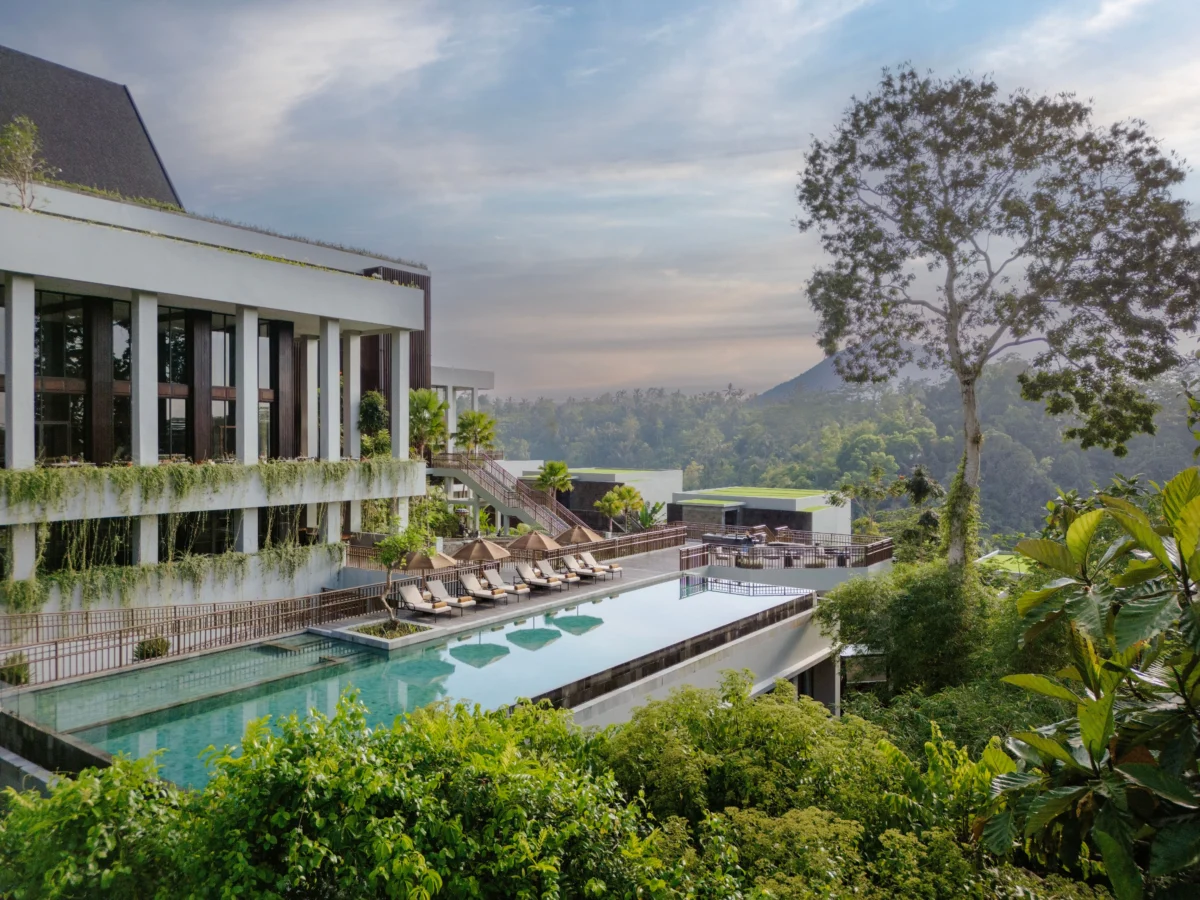
For decades, the mention of Bali has evoked images of emerald-green rice terraces, mist-shrouded volcanoes, and infinity pools that seem to bleed into the horizon of the Indian Ocean. While the "Island of the Gods" has evolved from a backpacker’s secret into a global tourism powerhouse, it maintains a unique duality: it is simultaneously a playground for the ultra-wealthy and a haven for the budget-conscious traveler.
Despite inflationary pressures and the rising cost of global travel, Bali remains a rare destination where the disparity between price and quality is remarkably skewed in favor of the guest. After four years of residing on the island, it becomes clear that the "Bali magic" is not reserved for those staying in $2,000-a-night villas. Instead, it is found in the architectural ingenuity, the inherent warmth of Balinese hospitality, and a hospitality sector that prides itself on delivering a "VIP" experience at a fraction of the cost found in Europe or North America.
The Evolution of Value: A Chronology of Bali Tourism
To understand why Bali remains affordable, one must look at the island’s tourism trajectory.
The 1970s–1980s: The Bohemian Dawn
Bali’s modern tourism era began with an influx of surfers and nomadic artists. During this period, the infrastructure was rudimentary, and the "luxury" was defined by simple wooden bungalows overlooking the surf. This period established the foundational ethos of Balinese tourism: simple, communal, and deeply connected to the land.
The 1990s–2000s: The Rise of the Boutique Villa
As global interest spiked, the island saw a boom in private villa development. Architects began blending traditional Balinese aesthetics—using thatch, bamboo, and local stone—with modern comforts. This was the birth of the "affordable luxury" model, where boutique properties realized they could compete with large international chains by offering hyper-personalized service.
2010s–Present: Digital Transformation and Market Saturation
The rise of digital booking platforms and the "digital nomad" movement accelerated the competition. Today, the island boasts a staggering density of accommodation. For the traveler, this is a windfall. Because the market is so saturated, hoteliers must constantly improve their offerings to stay relevant, leading to a "race to the top" in terms of design and service, while price points remain competitive to attract the diverse, global visitor base.
Decoding the Bali Market: Supporting Data
The premise that one can enjoy a high-end experience for under $250 a night is not merely anecdotal; it is a structural reality of the Indonesian hospitality market.
Price Benchmarking
When comparing Bali to other "dream" destinations, the value proposition becomes clear:
- The US/Europe Benchmark: In major hubs like Santorini, Amalfi, or Napa Valley, a $250/night budget often secures a standard hotel room, frequently without amenities like private pools or expansive grounds.
- The Bali Advantage: In areas like Sidemen or the northern reaches of Ubud, $250 can secure a private villa, personalized butler service, breakfast, and access to world-class spa facilities.
The Role of Geography
While popular areas like Seminyak and Canggu have seen price hikes due to high demand, the "Bali Paradox" persists because of the island’s geography. The farther one travels from the international airport in Denpasar, the more the value increases.
- Amed: Known for its volcanic black sand beaches and world-class diving, Amed remains one of the most cost-effective regions on the island.
- Sidemen: Tucked into the valleys near Mount Agung, this area offers an "authentic" experience where the cost of living—and by extension, the cost of lodging—is significantly lower than the southern urban hubs.
The Cultural Infrastructure of Service
It is impossible to discuss Bali’s value without addressing the role of Balinese culture. Hospitality in Bali is not a transactional service; it is a societal expectation. The Balinese philosophy of Tri Hita Karana—harmony with God, harmony with people, and harmony with nature—permeates the service industry.
Whether at a $50 homestay or a $200 boutique resort, the level of attention remains remarkably consistent. This "human capital" is a primary reason why Bali feels like a luxury destination even when it is priced as a budget one. The staff’s attention to detail, the meticulous maintenance of tropical gardens, and the genuine warmth of the welcome create an intangible value that no amount of money can buy elsewhere.
Implications: The Future of Affordable Luxury
As Bali navigates the post-pandemic recovery and the shifting tides of global tourism, the sustainability of this "affordable luxury" model is under scrutiny.
Environmental and Economic Sustainability
There is an implicit tension between growth and preservation. As more travelers flock to the island, the pressure on local resources—water, waste management, and traffic—increases. The most successful properties, even those at the lower price points, are increasingly adopting "green" policies.
The "Intrepid Traveler" Advantage
The market is shifting. Travelers are increasingly moving away from the crowded hotspots of Kuta and Denpasar, seeking more remote, culturally grounded experiences. This shift is fueling growth in underdeveloped regions, allowing local communities to participate in the tourism economy without the negative impacts of mass over-tourism.
For the visitor, this means the definition of "luxury" is changing. It is no longer just about high thread counts or marble bathrooms; it is about the quietude of a valley in Sidemen, the raw beauty of a coastline in Amed, and the ability to engage with local customs in a way that is respectful and meaningful.
FAQ: Navigating the Bali Experience
Q: If I am looking for the best value, where should I prioritize my search?
A: Focus on the "off-beat" locales. While the southern coast is beautiful, the true value—both financial and experiential—is found in the interior of the island. Sanur offers a more relaxed, family-friendly atmosphere at a lower price point than the trendy west-coast beach clubs. For the truly adventurous, the northern coast and the eastern mountain ranges offer the most dramatic scenery for the lowest nightly rates.
Q: Is the rainy season a viable time to visit?
A: Absolutely. While the "wet season" (November through March) brings more frequent showers, it also brings the lowest hotel rates of the year. The showers are often tropical, short-lived bursts, and the island is at its most vibrant and green during this time. The only exception is the "Festive Season"—the period surrounding Christmas and New Year—when the island is at peak occupancy and prices spike accordingly.
Q: How does the industry ensure quality standards?
A: Editorial integrity is paramount. At Condé Nast Traveler, our assessment of properties is built on firsthand, field-tested experience. We prioritize properties that demonstrate a commitment to three pillars:
- Authenticity: Does the property reflect the culture and spirit of Bali, or is it an international "cookie-cutter" hotel?
- Sustainability: Is the property investing in the local community and minimizing its ecological footprint?
- Service Excellence: Is the guest experience genuinely personalized, reflecting the unique warmth of the Balinese people?
Final Thoughts: The Art of the Bali Getaway
The secret to a successful, affordable Bali vacation is not found in spreadsheets or by chasing the cheapest nightly rate. It is found in the art of the "slow stay." By choosing to base yourself in one of the island’s many hidden gems and taking the time to engage with the local surroundings, you unlock a version of Bali that is far richer than any luxury resort could offer in isolation.
Whether you are sipping a fresh coconut on a quiet beach in Amed or watching the mist rise over the rice terraces of Sidemen, the luxury is there—you simply have to be willing to look past the surface, venture a little further off the beaten path, and embrace the extraordinary value that this radiant island continues to offer to the world.
 Basiran
 Nana
Nana
 Nana Muazin
