

By Staff Reporters
Published September 29, 2026
Main Facts
Lucasfilm is officially doubling down on its crown-jewel lineage, charting a course back to the core cinematic timeline with a brand-new Star Wars movie trilogy. Following a high-profile restructuring under Chief Creative Officer Dave Filoni—who took over the creative reins following Kathleen Kennedy’s tenure—the studio has tapped director Jon Watts (Spider-Man: Homecoming, Star Wars: Skeleton Crew) to helm a fresh trilogy beginning with Episode X.
Accompanying Watts is screenwriter Simon Kinberg (X-Men: Days of Future Past, Star Wars Rebels), who has been tasked with penning the scripts for the upcoming multi-film arc. The announcement, which leaked through a flurry of industry reports over the weekend, cements Lucasfilm’s theatrical strategy: retreating to the familiar, comfort-driven confines of the Skywalker saga and its immediate post-sequel era, rather than gambling on the uncharted galaxies that thrilled television audiences in recent years.

Chronology: How We Got Here
The path to Star Wars: Episode X has been a turbulent, decade-long rollercoaster marked by shifting creative visions, polarizing fan reactions, and a massive pivot from theatrical releases to streaming platforms.
- December 2015: Disney launches its sequel era with J.J. Abrams’ Star Wars: The Force Awakens, a massive box-office triumph that safely echoes the structure of the original 1977 classic.
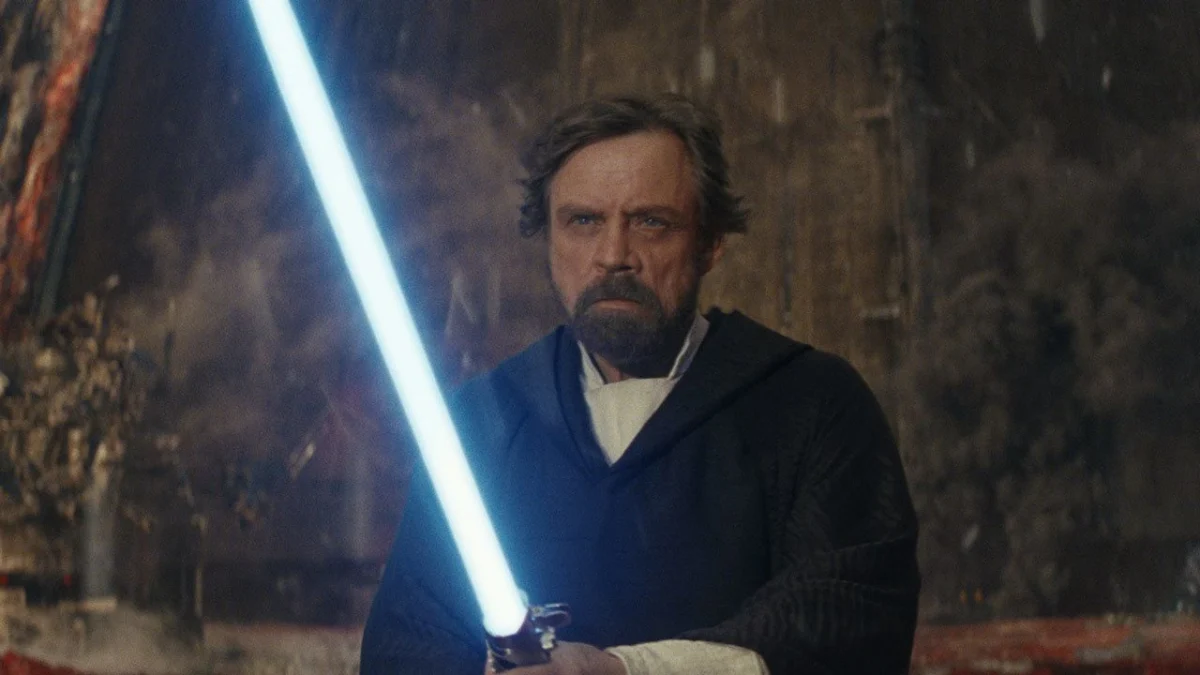
- December 2017: Rian Johnson delivers Star Wars: The Last Jedi. Hailed by critics as a masterclass in subverting blockbuster tropes, the film divides the fandom down the middle, introducing polarizing creative choices regarding legacy characters like Luke Skywalker.
- May/December 2018–2019: Following the underwhelming box-office performance of Solo: A Star Wars Story and the chaotic production of The Rise of Skywalker—which rushed to appease disgruntled fans by resurrecting Emperor Palpatine—Lucasfilm hits the pause button on theatrical Star Wars films, retreating entirely to television via Disney+.
- 2019–2024: The streaming boom yields a mixed bag of critical darlings and polarizing experiments. While Andor redefines the prestige limits of the IP, more experimental entries like The Acolyte face intense culture-war scrutiny, leading to sudden cancellations. Meanwhile, Dave Filoni steadily consolidates creative authority over the interconnected "Mandoverse."
- August 2026: At a Disney D23 panel, Filoni outlines his overarching mission statement: unifying a fractured fanbase by servicing all generations of viewers.
- September 2026: Just weeks after D23, reports break that Jon Watts and Simon Kinberg have been signed to shepherd Episode X and its accompanying trilogy, confirming that Lucasfilm’s grand plan relies on playing it remarkably safe.
Supporting Data & Creative Lineup
To understand Lucasfilm’s current trajectory, one must examine the track records of the creative duo steering the franchise’s theatrical resurrection.
Jon Watts (Director)
- Blockbuster Pedigree: Directed Sony and Marvel’s highly lucrative Spider-Man "Home" trilogy (Homecoming, Far From Home, No Way Home), proving an ability to balance massive intellectual properties with crowd-pleasing accessibility.
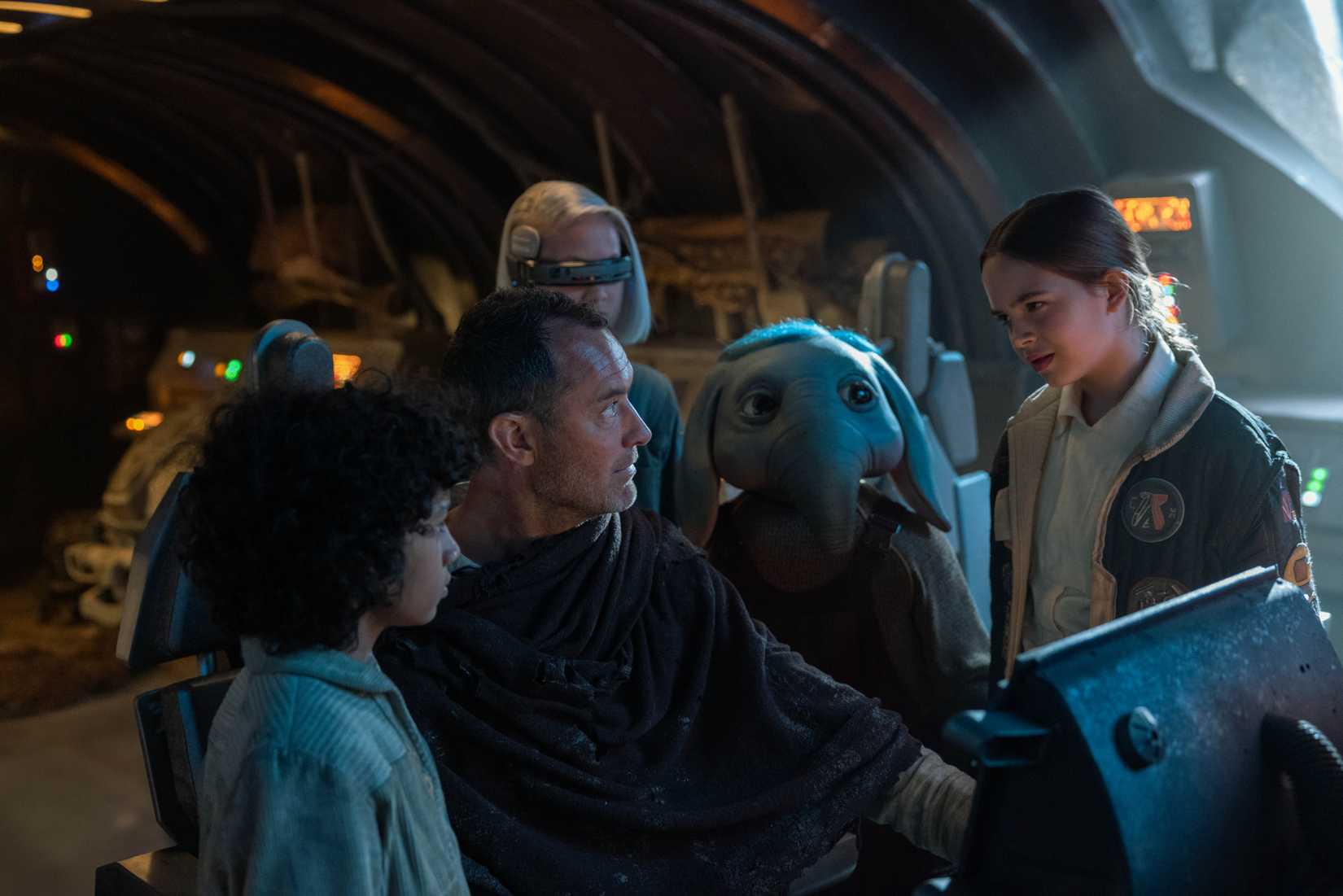
- Star Wars Experience: Co-created Disney+’s Star Wars: Skeleton Crew, a critically acclaimed, Amblin-esque sci-fi adventure that channeled The Goonies while exploring New Republic lore with a refreshing sense of whimsy.
Simon Kinberg (Writer)
- Franchise Background: A veteran of Fox’s X-Men franchise, having written and produced films ranging from the acclaimed Days of Future Past to the widely maligned Dark Phoenix. He is also deeply embedded in Lucasfilm lore as a co-creator of the animated series Star Wars Rebels.
- The Debate: While Rebels maintains a passionate, dedicated fanbase, critics point out that Kinberg’s live-action cinematic output frequently leans toward a milquetoast, overly safe formula that struggles to spark genuine cinematic danger.
The Fan Divide (Rotten Tomatoes Data)
The hesitation surrounding Lucasfilm’s risk-averse strategy is best understood through the historical reception of its films. Star Wars: The Last Jedi holds a stark dichotomy: a 91% critical approval rating on Rotten Tomatoes versus a dismal 41% audience "Popcornmeter" score. This chasm terrified studio executives, directly incentivizing them to greenlight the ultra-defensive, nostalgia-soaked The Rise of Skywalker—a lesson that continues to dictate studio risk-management today.

Official Responses and Industry Context
Speaking at the D23 panel in August, Dave Filoni laid bare the ideological philosophy guiding his leadership:
"We have several different generations of Star Wars fans. There’s original trilogy fans, prequel fans, sequel trilogy fans, Clone Wars fans, expanded universe fans. They all have different interests. And I always look at how we’re going to serve all these different interests. And most importantly, how do we bring them all together because they have this common love of Star Wars."
While the sentiment is diplomatically noble, industry analysts note that "bringing everyone together" in a corporate ecosystem almost invariably translates to designing by committee. By relying on established names like Watts and Kinberg, Lucasfilm is signaling to shareholders that stability and brand protection outweigh artistic disruption.
Concurrently, Lucasfilm has proven on television that it can support daring, genre-defying risks—points of light like Tony Gilroy’s espionage thriller Andor, the animated anthology Visions, and the youthful innocence of Skeleton Crew. Yet, when it comes to the multi-billion-dollar theatrical machine, the studio remains deeply afraid of alienating the ticket-buying public.
Implications: Where Does Star Wars Go From Here?
The greenlighting of Episode X carries massive ramifications for the future of the franchise, both creatively and commercially.
1. The Trap of Nostalgia
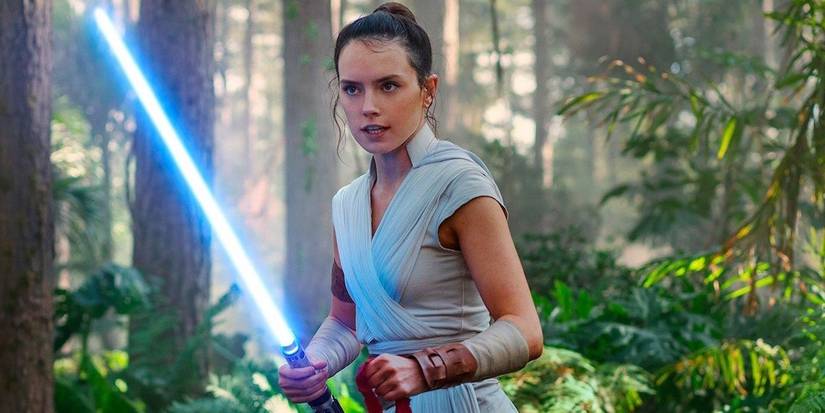
By pressing forward with a post-sequel trilogy, Lucasfilm is tethering its cinematic future to the narrative baggage of the Skywalker era. Whether the films choose to actively clean up the unresolved plot threads left by The Rise of Skywalker or attempt to build something entirely new on top of them, they cannot escape the gravity of the past. For a vocal contingent of fans fatigued by decades of Skywalkers, Solos, and Palpatines, the announcement feels like an exhausting regression.
2. Financial Realities vs. Artistic Ambition
From a business standpoint, Disney cannot afford another financial misfire on the scale of Solo. Blockbuster filmmaking requires massive capital, and recognizable characters remain the safest hook to fill IMAX theaters worldwide. Fans may cry out for totally independent, disconnected corners of the galaxy, but box office metrics dictate that bankable intellectual property always wins out in the boardroom.
3. The Future of Cinematic Risk
Ultimately, the choice of Jon Watts and Simon Kinberg represents a calculated middle ground. Watts has demonstrated that he can manage high-pressure blockbusters without causing PR disasters, and his work on Skeleton Crew proved he understands the inherent joy of the universe. However, Kinberg’s history with safe, predictable studio scripts leaves many wondering if Episode X will possess the sharp, cutting-edge edge required to revitalize the Star Wars name on the big screen.
As pre-production ramps up, Filoni’s grand experiment is locked in motion. Lucasfilm is betting that a familiar captain, a safe writer, and a return to the core timeline can heal a fractured fandom. Whether that strategy results in a triumphant renaissance or a predictable exercise in fan-service fatigue remains to be seen—but one thing is certain: the Skywalkers aren’t leaving the theater anytime soon.
 Lina Irawan
 Azzam Bilal Chamdy
 Asro
Asro
