

As the 2020s slowly march toward their final chapters, cinema has witnessed an extraordinary renaissance in speculative fiction. While the 2010s were undeniably dominated by the high-octane, interconnected ecosystem of superhero blockbusters—particularly under Marvel Studios’ cinematic banner—the current decade has pivoted toward a more diverse, intellectually complex, and visually breathtaking landscape. From sweeping interstellar epics and existential dark comedies to terrifying post-apocalyptic visions and deeply human comic book adaptations, modern science fiction has captured the collective anxieties and hopes of a changing world.
At the heart of this cinematic golden age are the scripts: the razor-sharp writing, evocative monologues, and haunting mantras that elevate these stories from simple visual spectacles into enduring cultural touchstones. To evaluate the cultural footprint of the decade thus far, we must examine the lines of dialogue that have resonated most deeply with audiences. While the remainder of the 2020s will undoubtedly introduce new challengers to the cinematic pantheon, these five quotes stand out as the absolute best the genre has offered in recent years.
1. Main Facts: The Anatomy of Modern Sci-Fi Writing
The cinematic landscape of the 2020s has been defined by a paradox: while big-budget intellectual properties continue to anchor box office revenues, studios have increasingly trusted visionary auteurs to deliver high-concept, deeply philosophical narratives.
Denis Villeneuve finally unlocked the cinematic potential of Frank Herbert’s sprawling 1960s source material with his Dune films, proving that philosophical depth and blockbuster scale can coexist. Concurrently, filmmakers like Bong Joon Ho, Danny Boyle, and James Gunn have subverted genre expectations, delivering narratives that tackle humanity, existential dread, and morality.

Crucially, the success of these films hinges on dialogue that cuts straight to the core of the human condition. Whether it is a cloned laborer complaining about the inconvenience of mortality, a doctor constructing a monument to a fallen world, or an alien-looking savior asserting his emotional fragility, the best science fiction lines of the decade use the fantastic to explore the intensely personal.
2. Chronology: A Timeline of Sci-Fi Excellence (2021–2025)
To understand how the genre has evolved over the course of the decade, it is helpful to trace the chronological rollout of the films that defined it:
- October 2021: Denis Villeneuve premieres Dune, reintroducing global audiences to the haunting desert planet of Arrakis and cementing the "Litany Against Fear" as a modern cultural mantra.
- March 2024: Dune: Part Two arrives, expanding on the political and religious deconstruction of prophecy and further cementing the franchise’s literary roots on the silver screen.
- 2025: A banner year for genre-defining scripts. Bong Joon Ho releases his darkly comedic existential sci-fi film Mickey 17, Danny Boyle teams up with Alex Garland for the harrowing 28 Years Later, James Gunn restores optimism to the DC Universe with Superman, and Ryan Gosling stars in the inspiring adaptation of Project Hail Mary.
3. Supporting Data: The Five Defining Quotes of the Decade
5. Mickey 17 (2025)
Director/Writer: Bong Joon Ho
Starring: Robert Pattinson
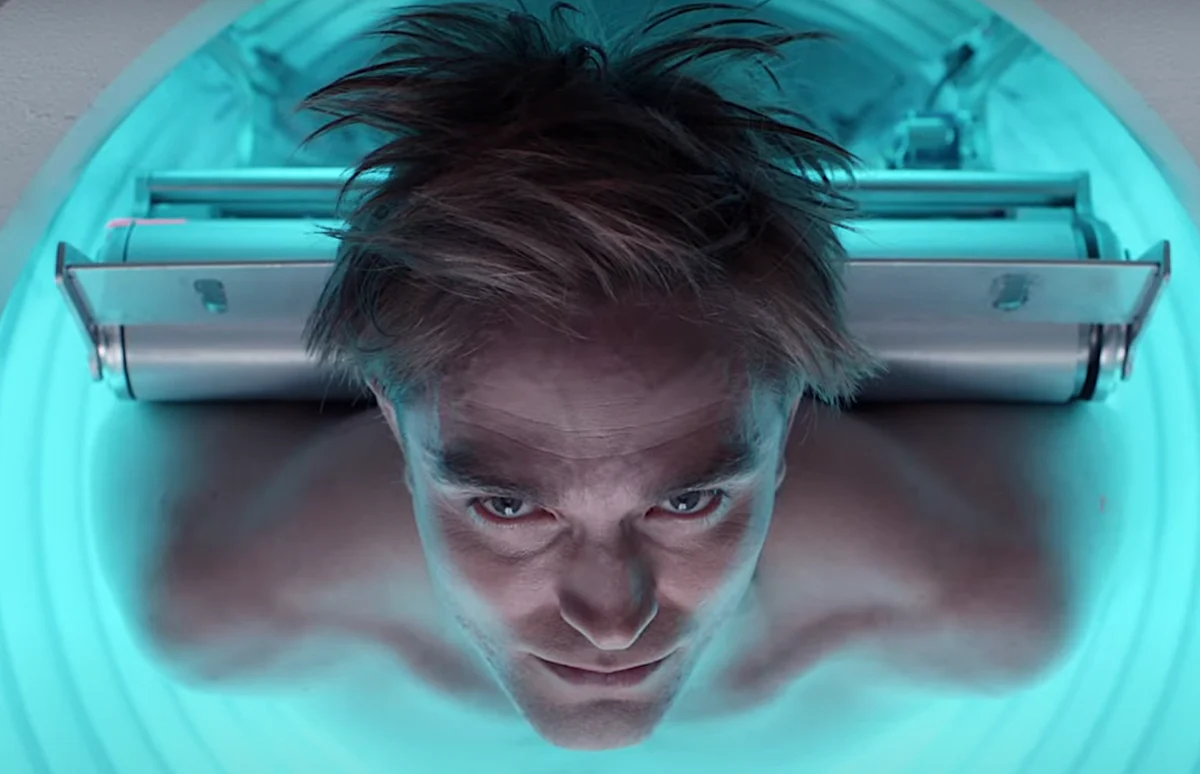
The Quote: "Even on my 17th go-around, I hate dying."
Bong Joon Ho’s darkly funny concept for Mickey 17 paints a bleak picture of the year 2050, where humanity’s most hazardous tasks are outsourced to "expendables"—individuals who consent to endless cloning cycles. When an expendable dies, their consciousness is uploaded into a freshly printed body. The narrative focuses on Mickey Barnes’s 17th iteration, played with dry, world-weary understatement by Robert Pattinson.
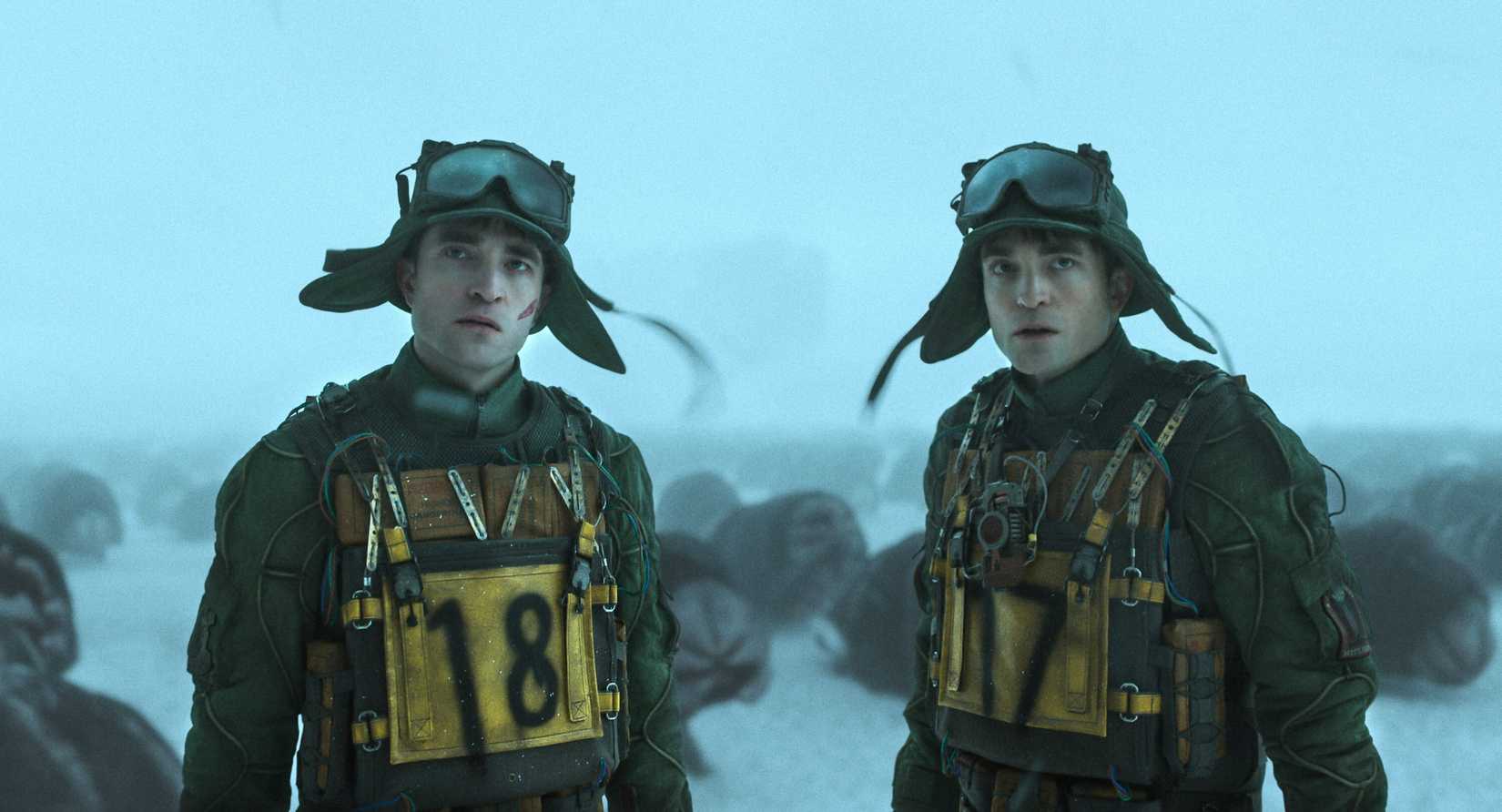
Delivered via Mickey’s narration, the quote is absurd on its surface yet brilliantly grounded by Pattinson’s delivery, echoing the tone of someone casually complaining about a minor inconvenience. It is a masterclass in dark humor that anchors the film’s high-concept existentialism.
4. 28 Years Later (2025)
Director: Danny Boyle | Screenwriter: Alex Garland
Starring: Ralph Fiennes, Alfie Williams
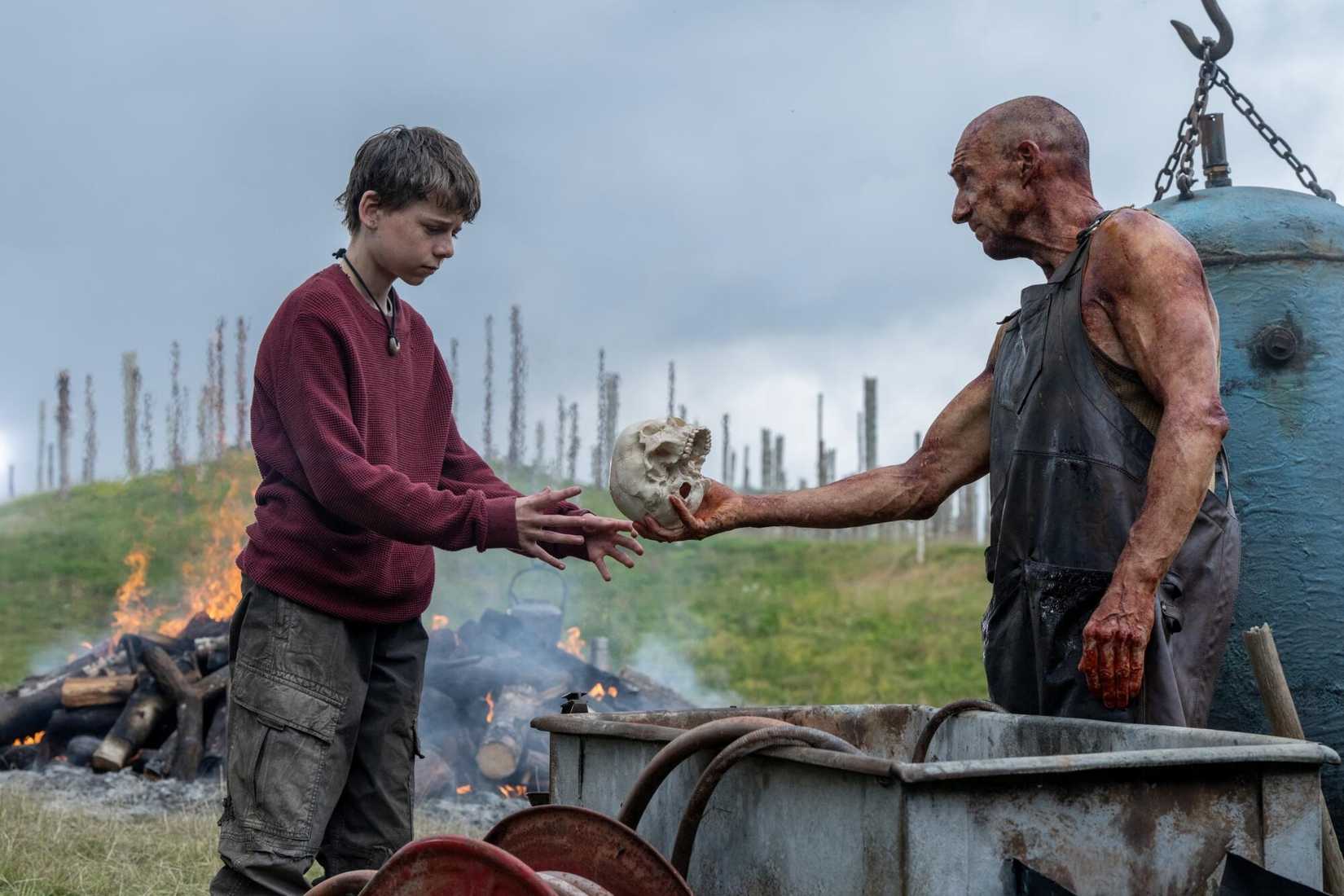
The Quote: "There were so many dead, infected and non-infected alike. Because they are alike. Every skull is a set of thoughts. These sockets saw and these jaws spoke and swallowed. This is a monument to them, a temple."
More than two decades after the 2002 zombie thriller 28 Days Later revitalized the subgenre, director Danny Boyle and screenwriter Alex Garland returned with 28 Years Later. Rather than relying solely on cheap jump scares, the film introduces Dr. Ian Kelson (Ralph Fiennes), a solitary general practitioner living among the ruins of civilization who studies the rage virus while constructing a breathtaking, morbid monument out of thousands of human skulls.
Explaining this "Bone Temple" to the young protagonist Spike, Kelson delivers a speech that possesses a distinctly Shakespearean gravity, reframing the faceless hordes of the infected as individual human lives worthy of remembrance.
3. Superman (2025)
Director/Writer: James Gunn
Starring: David Corenswet, Nicholas Hoult
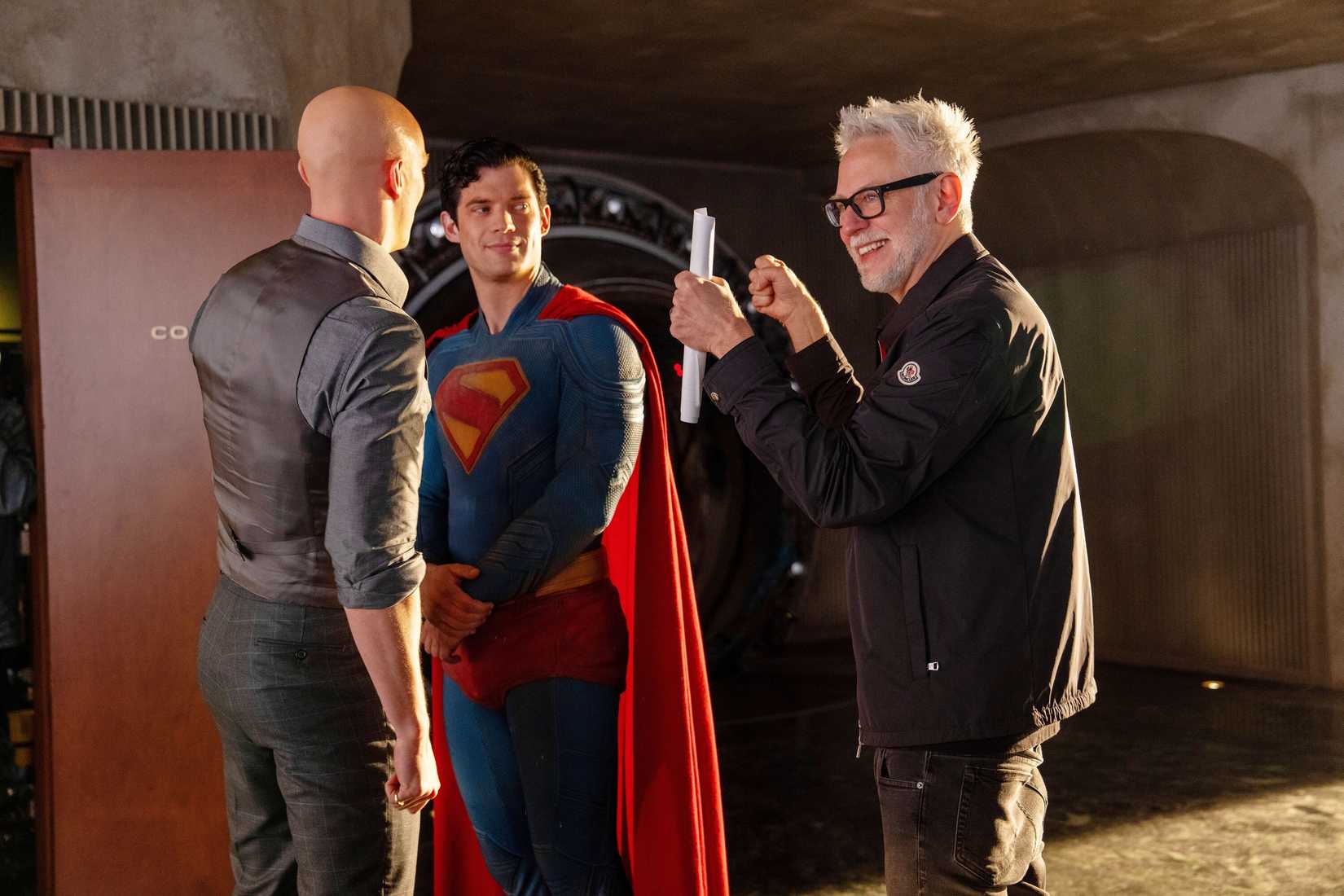
The Quote: "That is where you’ve always been wrong about me, Lex. I am as human as anyone. I love, I get scared. I wake up every morning, and despite not knowing what to do, I put one foot in front of the other, and I try to make the best choices I can. I screw up all the time, but that is being human, and that’s my greatest strength. And someday, I hope, for the sake of the world, you understand that it’s yours too."
James Gunn’s 2025 reboot of the DC Universe kicked off with Superman, a film explicitly designed to restore unadulterated optimism to the Man of Steel. Portrayed by David Corenswet, this version of Superman bypasses brooding cynicism in favor of profound vulnerability.
In a climactic confrontation with Lex Luthor (Nicholas Hoult), who dismisses him as a detached alien, Superman responds with a moving monologue. By embracing his capacity for fear, failure, and daily perseverance, the hero reframes his human qualities not as a weakness, but as the bedrock of his innate goodness—and a challenge to Luthor’s misanthropic worldview.
2. Dune (2021)
Director: Denis Villeneuve | Screenwriters: Denis Villeneuve, Jon Spaihts, Eric Roth
Starring: Timothée Chalamet, Rebecca Ferguson
The Quote: "I must not fear. Fear is the mind-killer. Fear is the little-death that brings total obliteration."
Though born from Frank Herbert’s seminal 1965 novel, the opening line of the "Litany Against Fear" found explosive new life in Denis Villeneuve’s 2021 cinematic adaptation (and its 2024 sequel). Used by members of the House of Atreides and the mysterious Sisterhood to steady their minds against the harsh, unforgiving backdrop of the desert planet Arrakis, this mantra serves as a psychological shield. In the context of modern cinema, Villeneuve’s utilization of the line reminds audiences why Herbert’s text remains timeless: when faced with overwhelming systemic oppression and existential dread, mental discipline is the ultimate survival tool.
1. Project Hail Mary (2026)
Director: Phil Lord, Christopher Miller (implied/standard adaptation context)
Starring: Ryan Gosling, Ken Leung
The Quote: "It’s not a gene. You just need someone to be brave for."
At the pinnacle of 2020s sci-fi writing sits Project Hail Mary, a story centered on Ryland Grace (Ryan Gosling), a scientist dispatched to a distant star system to save Earth from a solar extinction-level threat. Overwhelmed by the cosmic scale of his mission, Grace confesses to mission commander Yao Li-Jie (Ken Leung) that he lacks the intrinsic "bravery gene" required for space exploration.
Yao’s simple, profoundly empathetic reply dismantles the myth of the born-hero. Proving to be the emotional heartbeat of the entire narrative, this quote shifts the paradigm of heroism away from stoic invulnerability and grounds it entirely in human connection—reminding us that true courage is forged in our devotion to others.

4. Official Responses and Industry Reception
The critical and commercial embrace of these films highlights a broader shift in Hollywood’s approach to science fiction. Studio executives and creative teams have increasingly recognized that audiences crave intellectual engagement alongside visual spectacle.
Filmmakers like Denis Villeneuve and James Gunn have publicly emphasized that world-building is hollow without emotional stakes. In various press junkets and industry panels throughout the mid-2020s, writers and directors have pointed out that modern audiences live in an era defined by rapid technological shifts and global anxieties. Consequently, scripts that address vulnerability, existential survival, and interpersonal connection—such as those seen in Mickey 17 and Project Hail Mary—resonate far deeper than standard action-driven narratives.
5. Implications: What These Quotes Tell Us About the 2020s
The defining science fiction quotes of the 2020s reveal a great deal about our current cultural psyche. Unlike the cynical, tech-dystopian paranoia that characterized much of late-20th-century sci-fi, or the escapist brand loyalty of the 2010s superhero boom, today’s speculative fiction leans heavily into radical empathy and existential resilience.
- Embracing Vulnerability: Whether it is Mickey’s reluctant acceptance of death, Superman’s proud admission of his own mistakes, or Ryland Grace learning that bravery is relational, modern sci-fi has largely abandoned the archetype of the unflinching, stoic hero. Flaws are no longer obstacles to be hidden; they are the very traits that make us human.
- Collective Memory and Preservation: In 28 Years Later and Dune, characters actively build structures—whether physical temples of bone or mental mantras of endurance—to preserve history and identity against encroaching annihilation. This reflects a contemporary cultural impulse to protect memory, truth, and heritage in a rapidly destabilizing world.
- Humor as a Defense Mechanism: As seen in Bong Joon Ho’s work, humor in modern sci-fi has become a vital coping mechanism for absurdity. When faced with cloned labor and cosmic dread, laughing in the face of the void is portrayed not as nihilism, but as a survival strategy.
As the decade continues to unfold, these lines will serve as time capsules of our cultural fears and aspirations. They prove that while visual effects technology will continue to advance, the most powerful force in science fiction remains the written word—capable of capturing the infinite expanse of the universe within a single, unforgettable sentence.
 Lina Irawan
 Basiran
 Asro
Asro
