

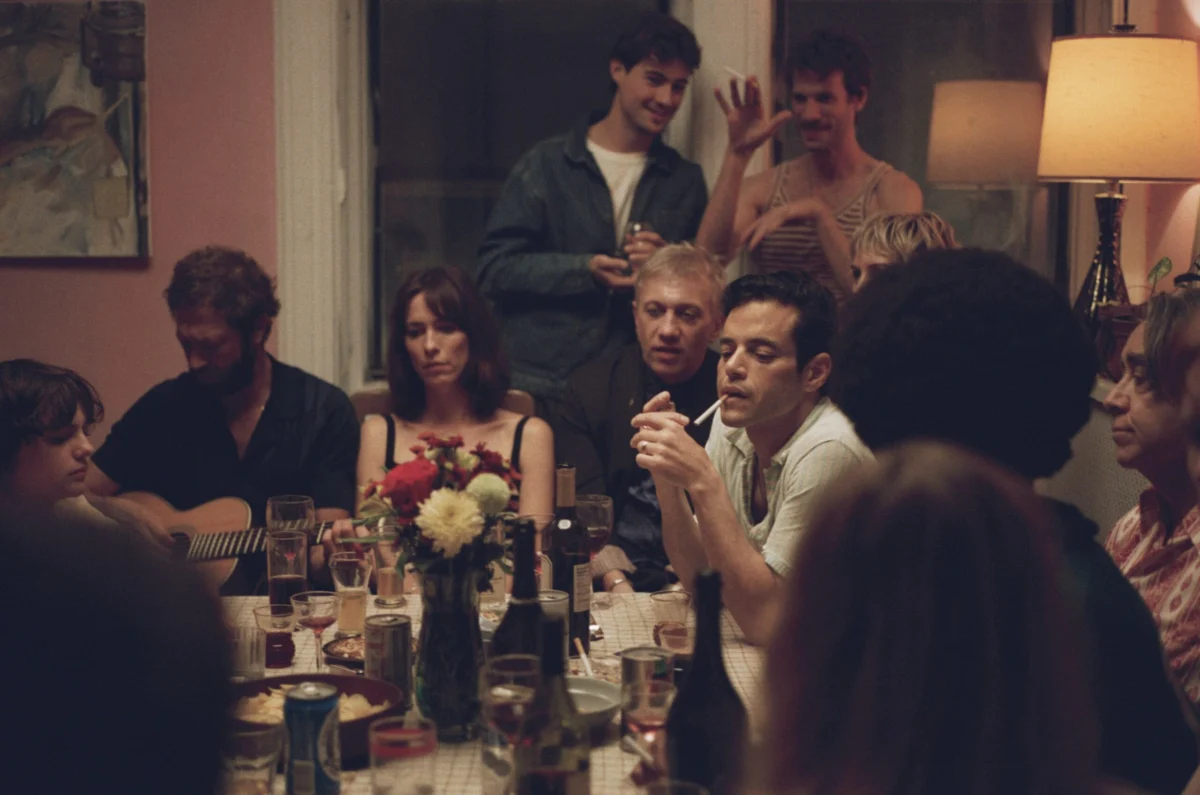
The landscape of American independent cinema is often defined by its coastal giants, but for nearly three decades, the true heartbeat of the medium has been thumping steadily in the Bluff City. Indie Memphis, a cornerstone of the regional film circuit, is set to return this November for its 28th annual celebration. From November 5 through November 8, the festival will transform the Halloran Centre and the Malco Powerhouse into a sanctuary for cinephiles, offering a curated selection of festival circuit breakouts, bold restorations, and localized storytelling that challenges the status quo.
A Legacy of Grit and Artistic Audacity
For 28 years, Indie Memphis has served as more than just a screening venue; it has functioned as a cultural incubator. By bridging the gap between national prestige and local artistic expression, the festival has carved out a unique identity that champions the "Southern grit" often overlooked by mainstream distribution channels.
This year’s edition is particularly significant, marking a return to form after a strategic year of reflection. At the helm for this milestone is newly appointed Artistic Director Brandon Harris, a veteran of the independent scene whose vision for the 28th edition is as ambitious as it is timely.
"Stepping into the Artistic Director role for this 28th edition feels like coming home to a city that simply refuses to be ignored or categorized," Harris said in an official statement. "After a year away, we knew we couldn’t just come back with a standard program; we had to return with a slate that speaks urgently to our fractured present. I’ve programmed this year’s festival to reflect the restless, boundary-pushing spirit of independent cinema, looking for films that possess a certain southern grit, a formal audacity, and an unflinching eye for the immense complexities of modern life."
Chronology of the 28th Indie Memphis Film Festival
The festival schedule is meticulously crafted to balance high-concept narrative features with searing documentaries, anchored by major cultural bookends.
Opening and Closing Night Anchors
The festival kicks off on November 5 with "The Lorraine," directed by the legendary documentarian Sam Pollard. Running 87 minutes, the film promises to be a powerful exploration of historical resonance. The curtain will fall on November 8 with "The Man I Love," a 96-minute feature from acclaimed filmmaker Ira Sachs, a choice that reinforces the festival’s commitment to intimate, character-driven storytelling.
The "Departures" and "Narrative" Slate
The "Departures" category showcases experimental and unconventional works, including Adam & Zach Khalil’s "Aanikoobijigan" and Kevin Jerome Everson’s "Clay." These films signal the festival’s dedication to pushing the formal boundaries of cinema.
Simultaneously, the Narrative category features heavy hitters of the indie world. With works like Sophia Takal’s "Act One," Alex Karpovsky’s "Riptides," and Dan Sallitt’s "What Can’t Be Mentioned," the lineup offers a masterclass in modern independent craft. The inclusion of Rob Rice’s "Ponderosa" and Alexandre Rockwell’s "The Projectionist" further cements the festival’s reputation as a destination for serious, auteur-driven cinema.
Documentary and "Sounds" Programming
The documentary selection this year is perhaps the most expansive in the festival’s history. From Dawn Porter’s 112-minute investigation "When a Witness Recants" to Judd Ehrlich’s "Jane Elliott Against The World," the slate addresses deep-seated social and political fissures.
The "Sounds" category rounds out the musical and rhythmic heartbeat of the festival, with highlights such as Tamra Davis’s "The Best Summer" and Al Warren’s "Bobby Rush: King of the Chitlin Circuit," ensuring that the rich sonic heritage of Memphis remains front and center.
Supporting Data: A Deep Dive into the Programming
The festival’s structure reveals a deliberate attempt to balance the past, the present, and the hyper-local.
The Hometowner Spotlight
Indie Memphis has long been a champion of local talent, and the "Hometowner" category is the crown jewel of this mission. Films such as Christian Walker’s "Hallelujah Station" (45m) and Glenn Payne’s "Safe & Sound" (102m) prove that the city’s creative output is thriving. By dedicating screen time to regional voices like Malik Martin ("Outside Ain’t Free") and Princeton James ("Hoop Street"), the festival ensures that the Memphis film community is not just participating in the conversation, but leading it.
The Value of the "Throwback"
Recognizing that independent cinema is a lineage, the "Throwback" section provides essential context. By screening Phil Morrison’s 2005 classic "Junebug" alongside S. Torriano Berry’s 1996 film "Embalmer," the festival invites audiences to trace the evolution of the independent aesthetic. These restorations and revisits serve as a reminder that the "grit" Harris speaks of is not a new invention, but a storied tradition.
Official Perspectives: The Philosophy of the Program
The selection process for this year’s Indie Memphis was governed by a philosophy of "urgency." In an era where audiences are increasingly retreating into the comfort of streaming algorithms, the festival’s curators have sought out work that demands a communal, theatrical experience.
The inclusion of films like Razi Jafri’s "Uncommitted" and William Greaves’ "Once Upon a Time in Harlem" demonstrates a desire to engage with the political and social realities of the United States. These films do not merely document events; they challenge the viewer to interrogate their own position within a rapidly changing society.
For Harris, the goal was never to curate a "comfortable" experience. "We are looking for films that possess a certain southern grit," he noted. That grit is palpable in the diverse selection of documentarians and narrative filmmakers who have chosen Memphis as the venue to premiere their work.
Implications: Why Indie Memphis Matters
The 28th edition of Indie Memphis arrives at a critical juncture for regional film festivals. As the film industry grapples with the decline of traditional arthouse exhibition and the dominance of global streaming platforms, festivals like Indie Memphis provide the necessary infrastructure for the survival of non-corporate cinema.
Cultural Decentralization
By hosting these screenings in the Halloran Centre and the Malco Powerhouse, Indie Memphis reinforces the idea that cultural hubs are not exclusive to Los Angeles or New York. The festival acts as a beacon for filmmakers who are creating work outside of the studio system, providing them with an audience that is arguably more engaged and critical than those found in larger, more saturated markets.
The "Southern Grit" Aesthetic
There is a profound implication in the festival’s focus on the "southern grit" of independent film. It suggests that the geography of a story—the specific light, the humidity, the cadence of speech, and the historical burden of a place—matters. By platforming these films, Indie Memphis is not just showcasing cinema; it is defining a cultural geography that continues to produce some of the most vital, uncomfortable, and beautiful art in America.
Economic and Community Impact
Beyond the aesthetic and cultural considerations, the festival acts as a vital economic engine for the Memphis arts community. It draws filmmakers, industry professionals, and cinephiles from across the country, fostering a spirit of collaboration that often leads to future production work in the region. The festival is a reminder that when a city invests in its own creative class, the returns are measured in cultural capital that lasts far longer than a four-day event.
Final Reflections
As the countdown to November 5 begins, the anticipation surrounding the 28th Indie Memphis Film Festival is palpable. The lineup is not just a collection of movies; it is a statement of intent. It is a declaration that even in a "fractured present," there is power in gathering together to watch, listen, and argue about the images reflected on the screen.
For those planning to attend, the diversity of the slate—spanning experimental, documentary, and narrative forms—offers a rare opportunity to see the full spectrum of what is currently possible in independent filmmaking. Whether it is the archival exploration of "Who Killed Alex Odeh?" or the intimate character study of "Ponderosa," the festival promises a journey through the complexities of modern life.
Tickets for the 28th edition are currently available. As the festival prepares to open its doors, one thing remains clear: the spirit of independent cinema is not just surviving in the South; it is being reinvented, one screening at a time, in the heart of Memphis. The 28th Indie Memphis Film Festival is not merely an event to be attended; it is an essential engagement for anyone who believes that cinema still holds the power to shape our understanding of the world.
 Pevita Pearce
 Lina Hope
 Azzam Bilal Chamdy
