

By [Staff Reports]
Published October 2, 2026
Main Facts
The video game industry is undergoing a profound structural shift. Once viewed as a niche subset of strategy gaming relegated to hardcore PC enthusiasts and tabletop purists, the digital tactics genre is experiencing a monumental renaissance.
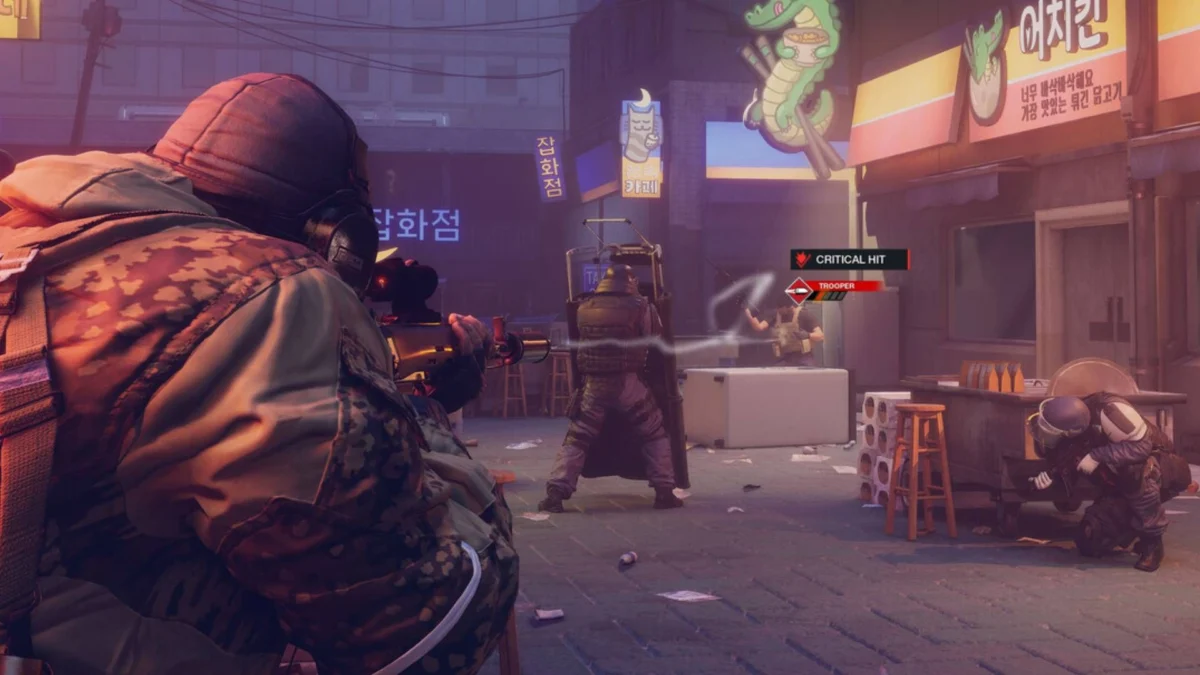
Spearheaded by major commercial hits and critically acclaimed releases like Star Wars: Zero Company, Fire Emblem: Fortune’s Weave, and Ubisoft’s upcoming Rainbow Six Tactics, the genre is shedding its reputation for intimidating complexity. Instead, it is capturing a broader, mainstream audience through innovative mechanics, high production values, and narrative-driven game design.
For years, the industry was dominated by fast-paced, high-reflexive genres such as first-person shooters, sports simulations, and action role-playing games. However, a confluence of creative risk-taking, cross-genre hybridization—such as blending tactics with roguelite loops—and deeply personal storytelling has lured a new generation of players into the fold. Industry analysts note that turn-based and grid-based movement mechanics, once considered barriers to entry, are now being celebrated for the deliberate, highly rewarding pacing they offer.
Chronology: From Niche Origins to Mainstream Revival
To understand the current state of the tactics genre, one must look at how it evolved from its retro roots to today’s multi-platform boom.

- The Golden Age of Classics (Late 1990s – Early 2000s): The foundation of modern tactical gaming was built by foundational titles like Worms, Hogs of War, and early iterations of squad-based combat simulators. These games established destructible environments, turn-based pressure, and playful physics engines.
- The Tactical Drought and Hardcore Purgatory (2012–2018): Following Firaxis Games’ critically lauded reboot of XCOM: Enemy Unknown in 2012, the genre enjoyed a brief resurgence. However, it quickly settled back into a holding pattern, largely perceived as too punishing, slow, and inaccessible for casual gamers accustomed to instant gratification.
- The Crossover Turning Point (2017–2022): The dam finally broke with unexpected masterclasses like Ubisoft’s Mario + Rabbids: Kingdom Battle (2017) and Firaxis’s Marvel’s Midnight Suns (2022). These titles proved that beloved intellectual properties (IPs) could successfully be translated into tactical formats without sacrificing accessibility.
- The Modern Renaissance (2024–2026): Today, the genre is firing on all cylinders. Titles like Jagged Alliance 3, Gears Tactics, Mewgenics, Fire Emblem: Fortune’s Weave, and Star Wars: Zero Company have saturated the market with high-caliber experiences, transforming tactics from a sub-genre into a dominant cultural force in modern gaming.
Supporting Data and Key Releases
The current boom is not driven by a single outlier, but by a diverse ecosystem of games spanning high-budget blockbusters, gritty franchise spin-offs, and inventive indie projects.
Star Wars: Zero Company
Breaking away from the traditional Jedi-centric narratives of the Star Wars universe, Star Wars: Zero Company adopts a tone reminiscent of the Disney+ series Andor. Players step into the boots of Hawks, an ex-soldier turned mercenary leader buried in debt to the Hutts, who is forced into covert operations for Republic Intelligence.
- Gameplay Loop: Combines traditional grid-based tactical movement with permanent character death (permadeath) and fully voice-acted crew management.
- Market Impact: Critics have praised its tight balancing, noting that while it doesn’t reinvent the genre’s foundational rules, it executes them with near-flawless precision, making it an essential title for both Star Wars enthusiasts and strategy veterans.
Worms Galactic Tactics (Releasing 2027)
Team17’s legendary Worms franchise is taking its first official leap into the true tactics genre. Retaining its signature anarchic humor, destructible environments, and iconic weaponry, the upcoming game transitions the franchise into 3D tactical space.
- Gameplay Loop: Blends tactical positioning with roguelite progression loops through the "Galactic Gauntlet"—a multi-tier tournament format featuring escalating difficulty and procedural challenges.
Rainbow Six Tactics
Ubisoft’s upcoming military-themed tactical experience takes the operators of Tom Clancy’s Rainbow Six Siege and places them in a cerebral, chess-like environment.
- Gameplay Loop: Centered around a meticulous "breach planning phase," players plot complex multi-step room clearances before watching their strategies execute in real time. A well-executed plan can neutralize an entire enemy squad in seconds.
Official Perspectives and Industry Insights
The pivot toward tactical design is increasingly viewed by game directors and writers as a necessary antidote to "shooter fatigue."

"For a long time, the prevailing wisdom was that modern gamers only wanted speed—faster frame rates, quicker respawns, and instant inputs," notes Ford James, a veteran games journalist and industry analyst. "What developers are discovering now is that players are hungry for agency. They want space to think, to orchestrate, and to watch a complex plan unfold from conception to execution."
Developers working within the space have similarly emphasized that narrative immersion thrives in slow-paced environments. By removing the frantic need for mechanical thumb-skill dexterity, tactics games allow writers to lean heavily into character development, consequence systems, and meaningful player choices—such as permanent squad member loss, which heightens emotional stakes far beyond standard action titles.
Implications for the Future of Gaming
The democratization of the tactics genre carries several major implications for the broader games industry:
- Broadened Demographics: As franchises like Star Wars and Rainbow Six embrace tactical mechanics, a massive influx of casual and action-oriented gamers are crossing over into strategy spaces, proving that genre boundaries are more porous than previously thought.
- Narrative Risk-Taking: The success of grittier, localized stories like Zero Company demonstrates that players do not always need to save the entire universe to feel engaged. Intimate, high-stakes mercenary stories provide a refreshing alternative to grand, predictable space operas.
- Indie and AAA Synergy: The resurgence is being fueled by a healthy pipeline ranging from multi-million-dollar Ubisoft productions to inventive indie roguelites. This ensures that innovation will remain high, keeping the genre fresh and adaptable for years to come.
Ultimately, the era of writing off the tactics genre as a relic of the past is over. Whether through the gritty trenches of a galaxy far, far away or the calculated room-clears of a counter-terrorism unit, tactical strategy games have firmly secured their place at the forefront of modern gaming.
 Jia Lissa
 Nana Wu
 Muslim
