Published: October 2, 2026 Author: Jack Franzino Category: Food & Drink / Spirits
Main Facts
In the landscape of fine spirits, single-barrel releases are a cornerstone of the whiskey world, conjuring images of charred American white oak, warehouse heat cycles, and unique flavor profiles born from individual casks. In contrast, the tequila industry has historically prioritized consistency through blending, making single-barrel expressions a rarity. When single-barrel tequilas do appear, they typically rely on traditional vessels: ex-bourbon barrels, former sherry casks, or standard French oak.
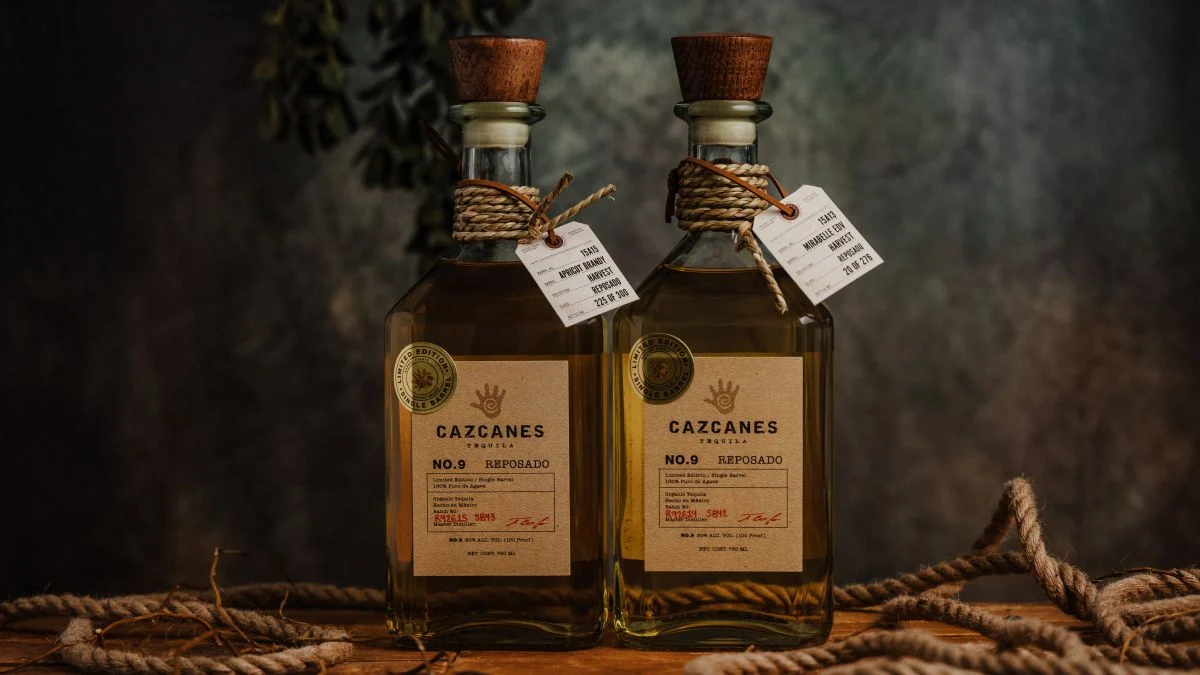
Cazcanes, a fast-rising star in the agave spirits market, is aggressively upending that tradition. The brand has officially launched its Experimental Single Barrel Series, debuting with two reposado expressions finished in casks that are exceptionally unconventional for the spirits industry as a whole, let alone tequila.
The inaugural collection features:
Cazcanes Reposado No. 9 Mirabelle Eau de Vie Single Barrel (aged for three months in casks previously used to mature French plum-based fruit brandy).
Cazcanes Reposado No. 9 Apricot Brandy Single Barrel (aged for three months in casks that previously held apricot brandy).
Both expressions are bottled at a robust 100 proof (50% ABV) to preserve the structural integrity of the agave. Each bottle carries a retail price of $100. While initial allocations sold out rapidly on the brand’s direct-to-consumer website, bottles are rolling out to select secondary retailers, high-end bars, and specialty restaurants. This launch follows a banner year for Cazcanes, whose No. 7 Rosa Añejo—aged in a hybrid of ex-Four Roses bourbon and French oak wine barrels—secured a coveted spot on the Robb Report "Best of the Best" spirits list for 2026.
Chronology: The Evolution of Cazcanes
To understand the weight of the Experimental Single Barrel Series, one must examine the methodical trajectory of Cazcanes over the past decade.
2016–2020 (The Foundation): Established roughly ten years ago, Cazcanes spent its formative years quietly perfecting its agricultural sourcing, water procurement, and traditional production methods. Operating out of Amatitán in Jalisco, Mexico, the brand built its identity around deep-rooted respect for the agave plant, utilizing natural spring water and slow-cooking techniques that honor ancient regional traditions.
2021–2024 (U.S. Market Expansion): While initially a darling of boutique collectors and Mexico locals, the brand began making serious inroads into the United States market. Emphasizing transparency, additive-free production, and terroir-driven agave, Cazcanes steadily captured the attention of sophisticated American spirits enthusiasts looking for alternatives to mass-produced, additive-laden commercial tequilas.
2025 (Critical Acclaim): The brand’s innovative cask-aging philosophies began yielding high-profile accolades. The introduction of complex blends and hybrid-barrel finishes culminated in critical recognition, setting the stage for more boundary-pushing liquid experiments.
Early 2026 (The "Best of the Best" Milestone): Cazcanes cemented its luxury status when its No. 7 Rosa Añejo was named to the Robb Report "Best of the Best" list, validating its willingness to push past conventional maturation boundaries without compromising the integrity of the agave.
October 2026 (The Experimental Series Launch): Cazcanes officially unveiled the Experimental Single Barrel Series, marking a structural evolution in how the company approaches wood management and flavor translation in agave spirits.
Supporting Data & Tasting Profiles
The decision to age tequila in fruit-brandy casks is not without risk. Wood tannins can easily overpower the delicate, herbaceous notes of cooked agave, turning a vibrant spirit into an over-oaked, unbalanced disaster. To combat this, Cazcanes deliberately limited the maturation window of these single barrels to three months—just long enough for the reposado to absorb the residual aromatic compounds of the previous occupants, yet short enough to keep the agave front and center. Furthermore, bottling at 100 proof ensures that the essential oils and structural weight of the spirit hold up against the assertive cask finishes.
Cazcanes Reposado No. 9 Mirabelle Eau de Vie Single Barrel
Cask History: Previously housed eau de vie distilled from Mirabelle plums—a small, yellow European fruit known for its intense, sweet-tart stone-fruit aromatics.
Proof: 100 Proof (50% ABV)
Maturation Period: 3 months
Official Tasting Notes: The palate offers a vibrant interplay of rich plum, warm Madagascar vanilla, earthy roasted agave, sweet fig, and a luscious background note of butterscotch. The fruit-forward cask influence elevates the natural ester profile of the base reposado, resulting in a distinctly bright yet decadent finish.
Cazcanes Reposado No. 9 Apricot Brandy Single Barrel
Cask History: Previously held artisanal apricot brandy, imparting deep orchard-fruit sugars and complex secondary fermentation notes into the oak staves.
Proof: 100 Proof (50% ABV)
Maturation Period: 3 months
Official Tasting Notes: Prominent notes of sun-ripened apricot lead the profile, accompanied by zesty citrus peel, ripe banana, a touch of dark chocolate, green grass, and an anchor of roasted agave. The interplay between the vegetal, grassy nature of lowland/highland agave and the syrupy, stone-fruit warmth of the brandy cask creates a deeply layered sipping experience.
Official Responses & Industry Perspectives
The philosophy behind these eccentric bottlings stems directly from executive leadership’s vision to challenge industry orthodoxy while respecting agricultural traditions.
"Establishing our experimental offering marks an important moment in Cazcanes’ evolution," stated Edwin Dolgopyat, CEO of Cazcanes, in an official release accompanying the launch.
"These two barrels show what is possible when the same respect for agriculture, patience, intentionality, and precision is brought to tequila and its maturation. This platform gives us the freedom to explore while keeping agave at the center of every bottle, as it reinforces our reputation as an innovator that honors what nature reveals."
Industry analysts note that Dolgopyat’s emphasis on "keeping agave at the center" is a direct nod to contemporary consumer demands. Modern agave enthusiasts are increasingly resistant to heavy-handed barrel aging that masks the terroir of Jalisco. By utilizing short maturation cycles in unique casks—rather than long, multi-year aging that turns tequila into a pseudo-whiskey or cognac—Cazcanes is attempting to thread the needle between innovation and authenticity.
According to brand representatives, the Mirabelle and Apricot Brandy releases are merely the tip of the iceberg. The production and maturation team in Jalisco is currently trialing distillates in an array of other unconventional casks, signaling that future single-barrel drops will likely push the envelope even further into uncharted territory.
Implications for the Agave Spirits Market
The launch of the Cazcanes Experimental Single Barrel Series carries several profound implications for the broader spirits landscape:
1. Bridging the Gap Between Whiskey and Tequila Collectors
For decades, single-barrel hunters have poured their capital into the bourbon and Scotch markets, where barrel variation offers a treasure hunt of unique flavor profiles. By introducing ultra-limited, distinct single-barrel expressions, Cazcanes is actively courting high-net-worth whiskey collectors who are eager to apply their enthusiasm—and spending power—to the premium and super-premium tequila category.
2. Redefining Reposado Categories
The reposado category (tequila aged between two months and less than a year in oak) has occasionally suffered from a reputation as an in-between stage—neither as crisp and unadulterated as a blanco, nor as deeply complex as an añejo. By utilizing dynamic, short-term finishing in fruit-brandy casks, Cazcanes is proving that reposados can be platforms for avant-garde flavor experimentation, breathing new life into a category ripe for disruption.
3. The Rise of "Additive-Free" Experimentalism
As consumers become increasingly educated regarding additives in commercial tequila (such as glycerin, oak extract, and sugar-based syrups for color and flavor), brands must find natural ways to innovate. Cazcanes relies entirely on the chemical dialogue between native wood compounds, residual cask liquids, and pure agave spirit. This approach sets a high standard for transparency and craftsmanship, proving that experimental flavors do not require chemical shortcuts.
Looking Ahead
While the $100 price point positions these bottles firmly in the luxury tier, their rapid sell-out status on the primary market indicates strong consumer appetite for adventurous agave releases. As secondary markets absorb these bottles and future experimental casks come of age, Cazcanes is well-positioned to lead a new wave of boundary-pushing craftsmanship in Jalisco—proving that even a spirit with centuries of tradition still has plenty of uncharted territory left to explore.



 Iffa Jayyana
 Nana Muazin
 Basiran
