

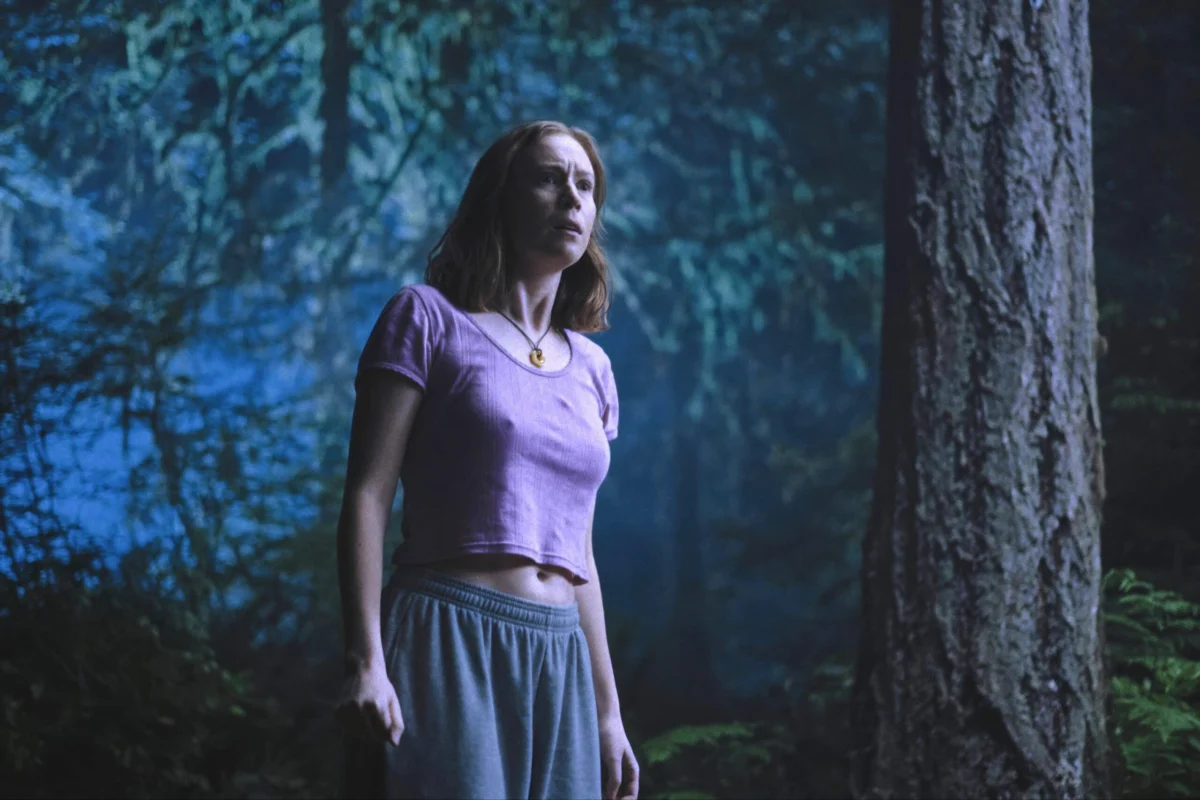
Hollywood has fallen into a state of "limerence." Coined by psychologist Dorothy Tennov in 1979, the term describes a state of intense, all-consuming infatuation—a romantic fixation fueled by the desperate yearning for reciprocation. In the context of the 2026 box office, the object of this affection is Obsession, the micro-budget indie horror phenomenon directed by Curry Barker.
Produced for a lean $750,000, Obsession blossomed into a global juggernaut, grossing more than $500 million worldwide. For studio executives, the math was intoxicating. They looked at Barker’s singular success and heard wedding bells, convinced that if they could only replicate the formula, they could guarantee their own fairy-tale returns. But this industry-wide fixation has created a distorted marketplace, one where every new horror release is being measured against a lightning-in-a-bottle outlier, often to the detriment of nuanced, sustainable filmmaking.

The Myth of the Replicable Hit
The industry’s "limerence" for Obsession is not just a trend; it is a structural hazard. By attempting to force every new project into the mold of Barker’s success, studios risk ignoring the unique variables that allow different films to thrive. The third quarter of 2026 proved that the horror landscape is far more heterogeneous than a single hit would suggest.
While films like Zach Cregger’s Resident Evil arrived with massive opening numbers, and indie darling Buddy quietly built a devoted cult following without ever reaching Obsession-sized totals, the market demonstrated that "success" comes in many sizes. The challenge for executives moving into Q4 is to learn how to love a varied portfolio rather than clinging to the exception to a rule they essentially wrote themselves.

Chronology: A Season of Highs, Lows, and Miscalculations
The trajectory of Q3 horror releases paints a picture of a genre in transition.
- May/June: Obsession sets the bar, showing the world that original, low-budget horror can command blockbuster ticket sales.
- July: The industry begins its frantic search for "the next Obsession," with talent agencies like Gersh actively hunting for similar high-concept, low-cost projects.
- August: Zach Cregger’s Resident Evil opens to $60.2 million domestically, proving that big-budget franchise horror still has a pulse, even if it lacks the sustained legs of an indie breakout.
- September: Buddy performs as a "unicorn" hit, utilizing an Adult Swim-adjacent marketing strategy to turn a $3 million budget into a $26.6 million domestic haul. Meanwhile, sequels like Insidious: Out of the Further and Evil Dead Burn struggle to balance rising production costs with shifting audience expectations.
- October: The focus shifts to new indie labels like Hades Films, which are betting on Gen Z’s appetite for digital-native content with releases like The Influencer Project.
Supporting Data: By the Numbers
The financial realities of these films tell a story that complicates the Obsession narrative.

The "Resident Evil" Divergence
Sony’s Resident Evil represents the "arrival" model of horror. Opening to $60.2 million—more than triple the $17.2 million debut of Obsession—it seemed poised for supremacy. However, the films’ trajectories diverged sharply. While Resident Evil experienced a 62 percent drop in its second weekend, Obsession actually grew its audience by 39 percent, followed by another 14 percent hike in its third week. The lesson? Resident Evil relied on the demonstrated value of existing IP and a high-profile director, while Obsession relied on the "shock and awe" of organic word-of-mouth.
The "Buddy" Benchmark
Casper Kelly’s Buddy serves as a masterclass in realistic expectations. With a modest $3 million production budget and a peak theater count of only 1,771, it earned $26.6 million domestically. By leaning into Kelly’s reputation for surreal, high-concept shorts (such as the legendary Too Many Cooks), the distributors found an audience that appreciated the film’s specific indie spirit. It did not need to be a $500 million hit to be a success; it merely needed to grow into its own market.

Franchise Fatigue and Budgetary Bloat
Sequels faced a more difficult hurdle. Insidious: Out of the Further performed well with $168.3 million worldwide, but Evil Dead Burn faced a sharper contraction. Despite a $20 million production budget—up from the $15 million spent on Evil Dead Rise—Burn brought in less than half of its predecessor’s gross. These numbers suggest that when it comes to legacy franchises, audiences are more sensitive to the value proposition than studio executives might hope.
Official Responses and Industry Sentiment
The industry is currently grappling with a "shortage of hits" narrative that many independent filmmakers reject. As agents and producers scout for the next breakout, the conversation has shifted toward how to foster, rather than manufacture, talent.

Curry Barker himself has noted that YouTube served as his primary incubator, providing a low-stakes environment to hone his craft and find an audience. This is a sentiment shared by other digital-native filmmakers who argue that the "next big thing" won’t be found in a boardroom, but in the trenches of independent content creation.
Hades Films, the new indie label currently taking big swings with Gen Z-focused projects, is putting this into practice. By partnering with established online communities like Dead Meat for their Fresh Meat anthology, they are treating audience engagement as a form of research and development. It is an investment in human capital rather than a search for a magical, one-size-fits-all script.

Implications: The Future of Horror
The lessons of the last three months are clear: horror is a genre that thrives on experimentation, and the "Obsession-ification" of the box office is a dangerous game.
- Stop chasing unicorns: The success of Obsession was a unique event. Forcing every project to attempt that level of reach risks alienating the niche audiences that keep the genre alive.
- Match costs to expectations: As seen with Evil Dead Burn, increasing the budget of a franchise entry does not automatically increase the audience size. Studios must be disciplined about fiscal overhead in an era of unpredictable theater attendance.
- Respect the indie trajectory: Films like Teenage Sex and Death at Camp Miasma and Buddy prove that limited, strategic releases can be more sustainable than wide, expensive gambles that fail to connect.
- Invest in digital talent: The success of creators moving from YouTube to the big screen—from Markiplier to Curry Barker—is not a fluke. It is a fundamental shift in how directors build their brand and their base. Labels that build relationships with these creators will be the ones to define the next decade of horror.
As we head toward the end of the year, the industry must move past its limerence. The future of horror does not lie in finding another Obsession; it lies in creating a ecosystem where the next Buddy, the next Resident Evil, and the next Camp Miasma all have the room to grow, breathe, and terrify audiences in their own way.

The box office is not a dream date; it is a business. And if Hollywood wants to survive the next year, it needs to stop looking for its "one and only" and start learning to love the variety that actually pays the bills.
 Asro
Asro
 Pevita Pearce
